
Menu prices are climbing again, and many diners assume restaurants are simply charging more for the same plate. The reality is less obvious and far more expensive behind the scenes.
The 3% increase is real, but it is not a windfall

A 3% rise in restaurant prices sounds modest, especially compared with the sharp inflation spikes consumers saw in 2022 and 2023. But for operators, that increase rarely translates into healthier profits. In many cases, it is a defensive move meant to keep pace with rising operating costs rather than a way to expand margins.
Industry reports from the National Restaurant Association and public company earnings calls have shown a similar pattern. Traffic can be soft even as menu prices inch up, which means many restaurants are charging more while serving fewer guests. That combination creates pressure, not relief.
The public often sees the menu board, not the profit-and-loss statement. A restaurant may raise the price of a burger by 50 cents, yet most of that extra money disappears into fixed costs that customers never see. Higher prices do not automatically mean owners are pocketing more cash.
Labor is one of the biggest places the extra money goes
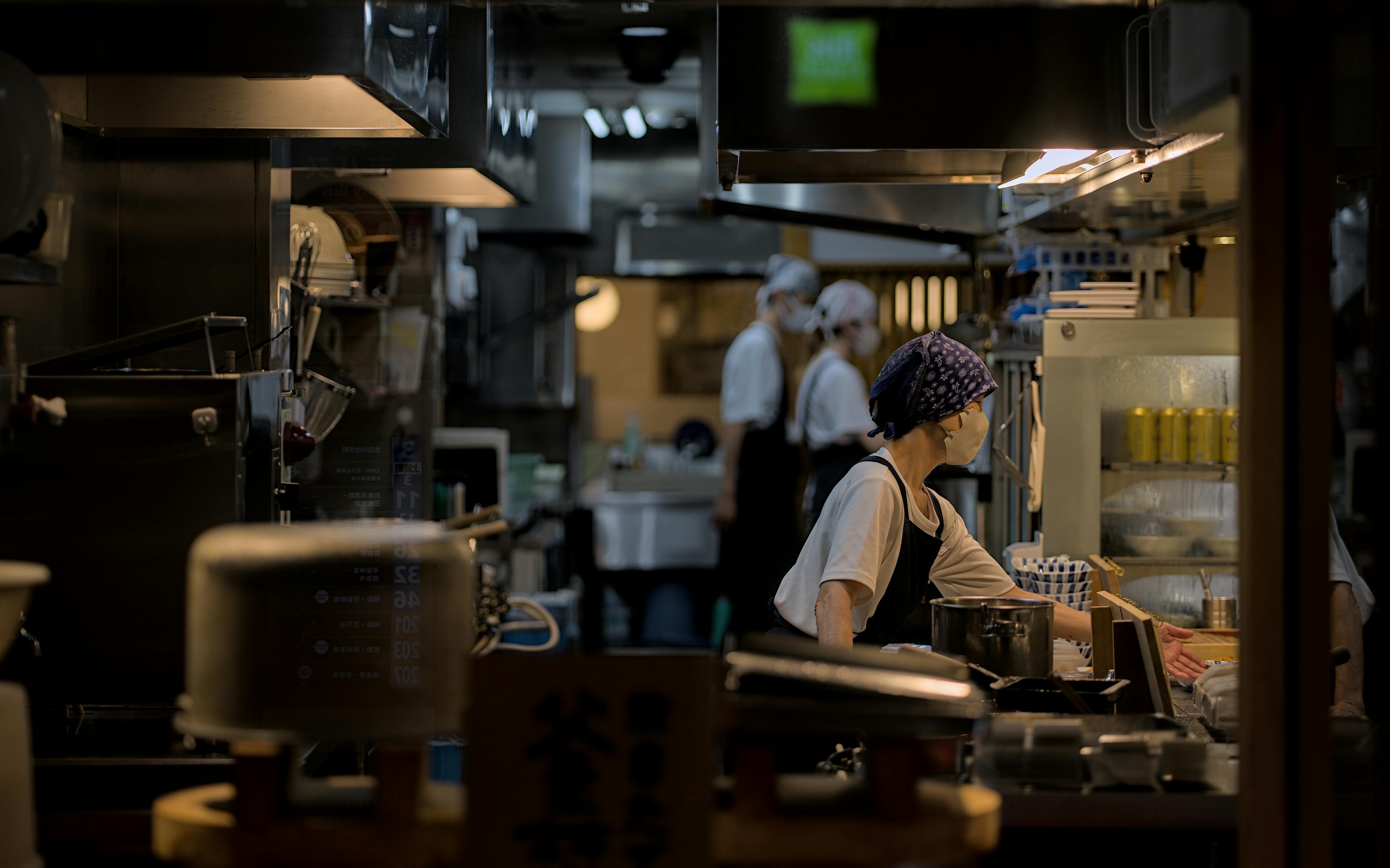
The largest expense after food is often labor, and in many full-service restaurants it can be the single biggest source of cost growth. Hourly wages have risen across front-of-house and back-of-house roles as operators compete for cooks, servers, dishwashers, and managers in a tighter labor market.
The increase is not just about base pay. Restaurants are also dealing with higher payroll taxes, workers' compensation costs, overtime exposure, paid leave requirements in some markets, and more pressure to offer benefits that improve retention. Those costs stack quickly, especially for independent operators.
A casual restaurant with thin margins may only keep a few cents of profit on every dollar of sales. If labor costs rise by even 1% to 2% of revenue, a 3% menu price increase can be absorbed almost immediately. That is one reason higher prices often feel disconnected from quality upgrades on the plate.
Rent, insurance, and utilities are squeezing margins

Many restaurants, especially in urban and suburban retail corridors, are facing lease renewals at meaningfully higher rates. Landlords know food businesses drive foot traffic, but they also know good locations are scarce. For operators, occupancy costs can become punishing even before one ingredient is purchased.
Insurance is another fast-growing burden. General liability, property coverage, cyber insurance, and liquor liability in some states have all become more expensive. Severe weather losses, legal claims, and broader insurance market tightening have pushed premiums higher across hospitality.
Then there are utilities. Electricity, natural gas, water, trash hauling, grease removal, and equipment servicing have all grown more expensive in many markets. A restaurant cannot simply turn off refrigeration or reduce ventilation during dinner service, so these bills are less flexible than consumers might assume.
Technology and delivery now take a larger cut

Restaurants once treated technology as a support function. Now it is a core operating expense. Point-of-sale systems, scheduling tools, payroll software, reservation platforms, loyalty programs, and cybersecurity protections all come with recurring subscription fees that did not weigh as heavily a decade ago.
Delivery adds another layer. Third-party marketplaces can expand reach, but commissions and service charges can take a significant slice out of every order. Even when restaurants push customers toward direct ordering, they still must pay for digital infrastructure, packaging, and staff time to manage off-premise demand.
The kitchen may produce the food, but a growing share of revenue is being routed through screens before the meal reaches the customer. That makes technology less of a luxury and more of a toll road. Diners often help pay for that system every time menu prices rise.
Ingredients still matter, but they are not the main story
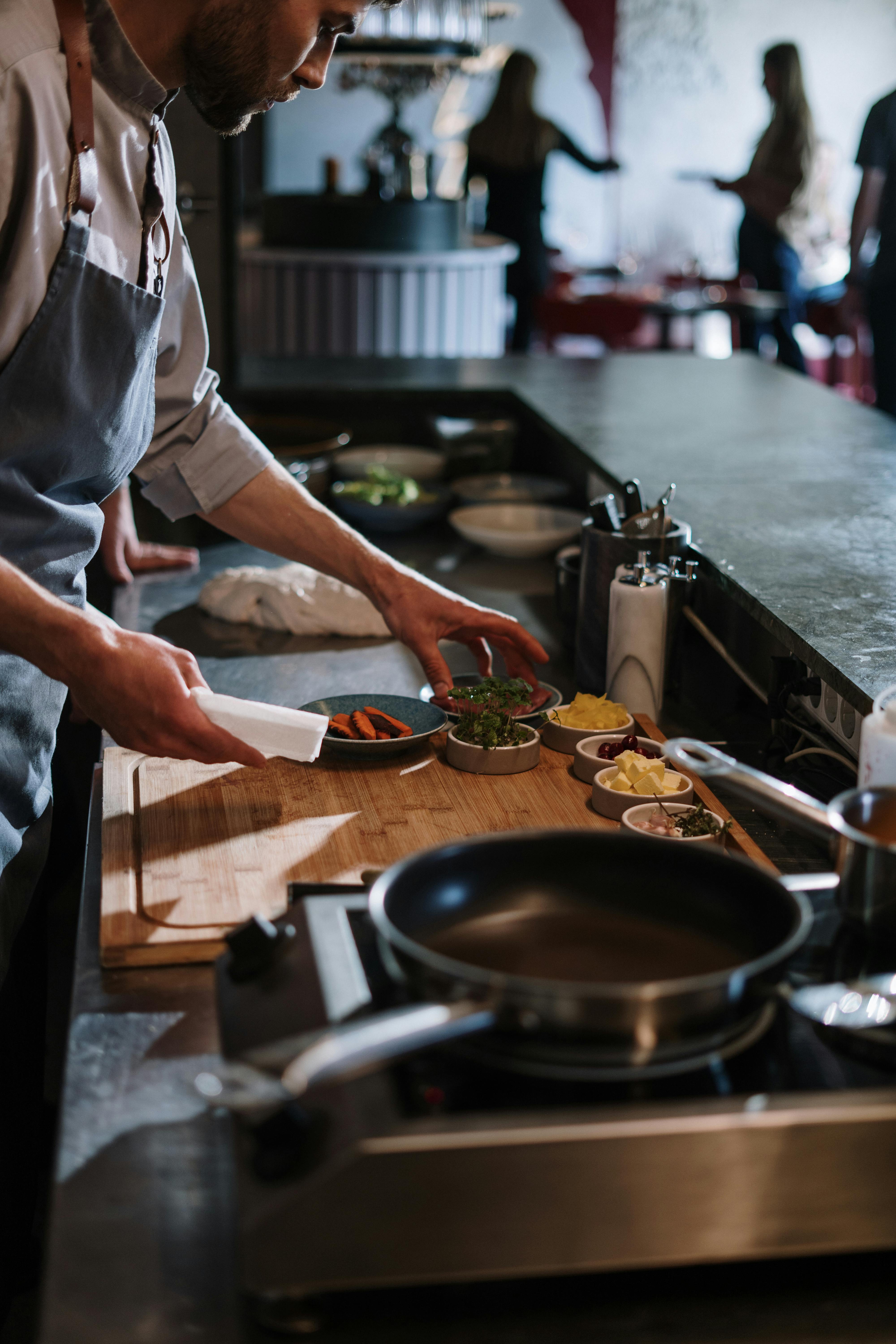
Food costs remain volatile. Beef, eggs, cooking oils, coffee, chocolate, and imported goods have all experienced price swings due to weather, disease outbreaks, transportation issues, and global commodity markets. Restaurants absolutely feel those changes, especially concepts built around a few key ingredients.
Still, many operators can offset some ingredient inflation through menu engineering, portion control, supplier negotiations, or seasonal substitutions. They may swap cuts of meat, simplify prep, or redesign dishes around more stable products. Those moves are difficult, but they are often more manageable than fixed cost increases elsewhere.
That is why the biggest share of a 3% price increase often does not go straight into the pantry or walk-in cooler. The food itself is only one line on a crowded expense sheet. Everything around the meal, from staffing to software, is competing for that extra dollar.
What diners should expect next

Consumers should not expect menu prices to suddenly reverse unless several cost categories ease at once. Restaurants can absorb only so much before profitability breaks down, and many have already spent years trimming labor hours, shrinking menus, and delaying upgrades to protect cash flow.
What diners are more likely to see is selective pricing. Operators may hold the line on popular items while increasing beverage prices, add-on charges, delivery fees, or premium entrees. Some will also keep looking for savings through automation, smaller footprints, and faster service models.
The broader lesson is simple. A higher check total does not mean restaurants are splurging on ingredients or enjoying easy profits. In many cases, that extra 3% is paying for the invisible machinery of hospitality: people, property, power, protection, and the digital systems now required to stay open.



Leave a Reply