
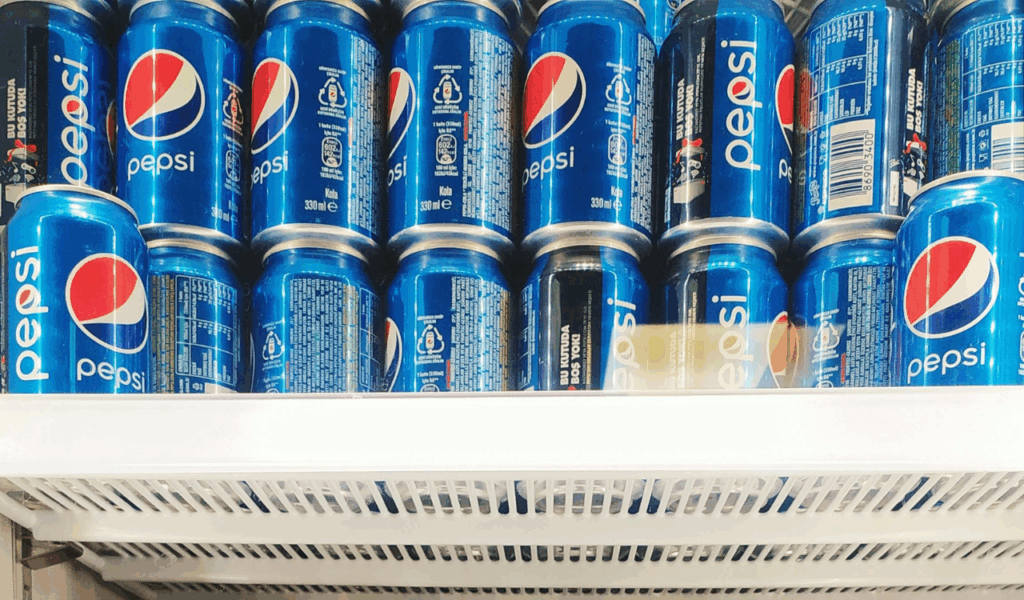
Pepsi is chasing curiosity in a crowded soda aisle. Its latest flavor launches are designed to do more than taste good. They are built to spark conversation, drive limited-time demand, and give cola fans something new to compare sip by sip.
Why Pepsi Keeps Betting on Limited-Time Flavor Drops

The modern soda business is no longer just about shelf space and brand loyalty. It is also about cultural relevance, especially among younger shoppers who treat new flavors like entertainment as much as refreshment. Pepsi understands that a flavor launch now lives in stores, on social media, and in group chats all at once.
That helps explain why the company continues to release unusual, seasonal, or nostalgia-driven colas. Limited runs create urgency, and urgency drives trial. Beverage analysts have noted for years that novelty flavors often outperform expectations early because consumers want the experience, not just the drink. Even people who rarely buy Pepsi may grab one bottle simply to see what the fuss is about.
There is also a smart sensory strategy at work. Classic cola already carries citrus oils, vanilla, caramel, spice, and a toasty sweetness. That makes it surprisingly adaptable. Add fruit, cream, or dessert-inspired notes and the base can absorb them without collapsing into something unrecognizable. That flexibility gives Pepsi room to experiment while still tasting, unmistakably, like cola.
In practical terms, these launches are meant to do three things at once: re-energize longtime drinkers, tempt occasional buyers, and generate free publicity through reaction videos and taste tests. When a new Pepsi flavor "turns heads," that is rarely accidental. It is the result of product development meeting marketing psychology in a category where attention is almost as valuable as flavor.
Pepsi Wild Cherry & Cream: Familiar Cola With a Softer, Dessert-Like Finish
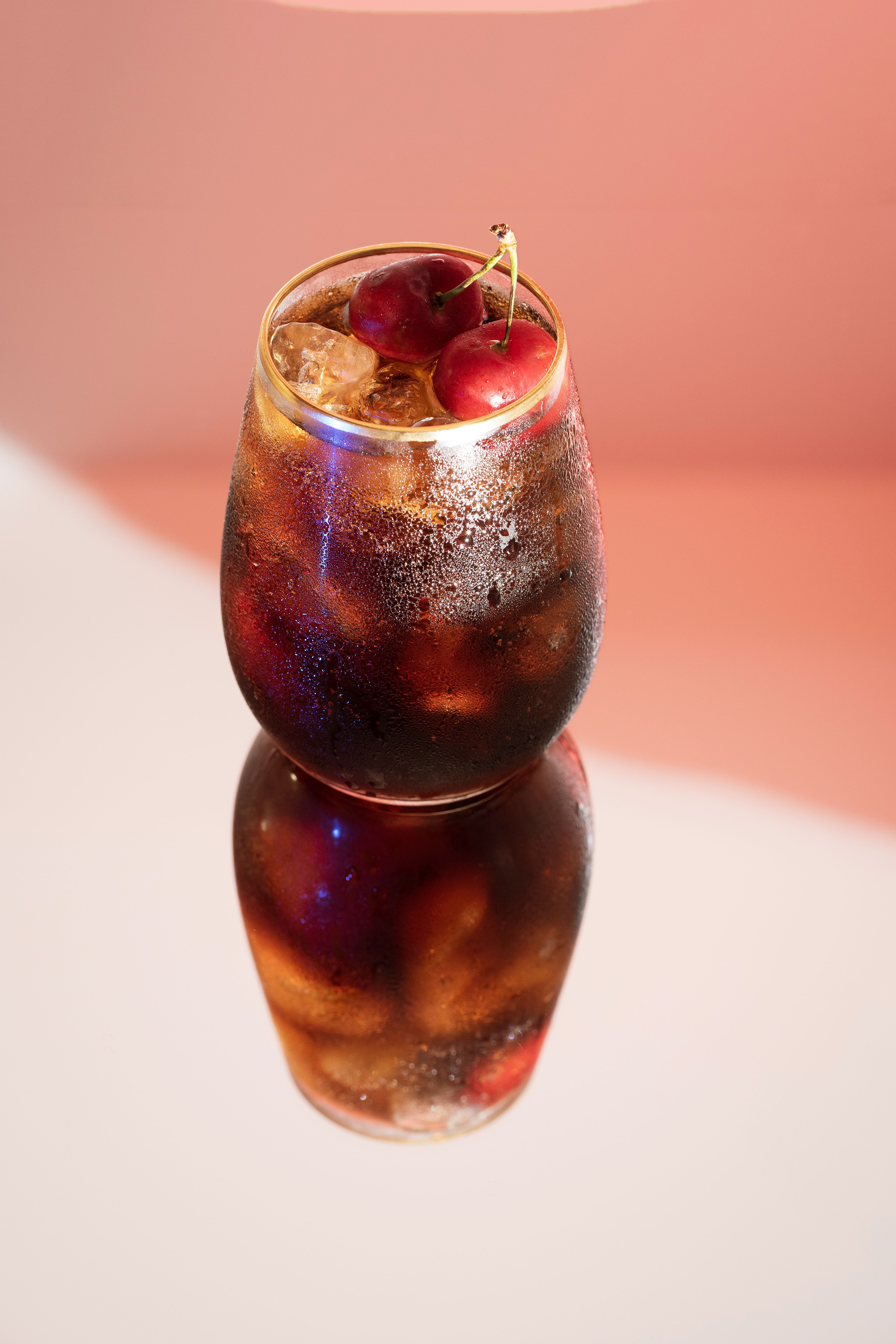
At first sip, Wild Cherry & Cream feels like the safest of the three, but also the most polished. The cherry arrives quickly, giving the cola a brighter top note and a candy-like fruitiness that reads as playful rather than sharp. Unlike some cherry sodas that lean medicinal, this one stays rounded and approachable.
The cream element is what changes the experience. It does not taste like heavy dairy or melted ice cream. Instead, it behaves more like a vanilla-cream softener that smooths the edges of the cola and cushions the cherry sweetness. The result is richer than standard Pepsi, with a fuller middle and a gentler finish.
What stands out most is balance. The cola spices are still present, but they sit deeper in the background while the cherry and cream do the talking. Served cold, it resembles a fountain drink that has been customized with a splash of flavored syrup. That familiar, almost diner-style profile is a big reason it has connected so quickly with curious shoppers.
This is likely the easiest flavor for a broad audience to enjoy. It is sweet, but not chaotic. It tastes intentional, like a dessert cola rather than a gimmick. For people who like cherry sodas, vanilla cola, or retro soda-fountain flavors, this one is probably the strongest of the trio and the most likely to earn repeat purchases.
Pepsi Lime: Bright, Crisp, and Much More Refreshing Than It Sounds
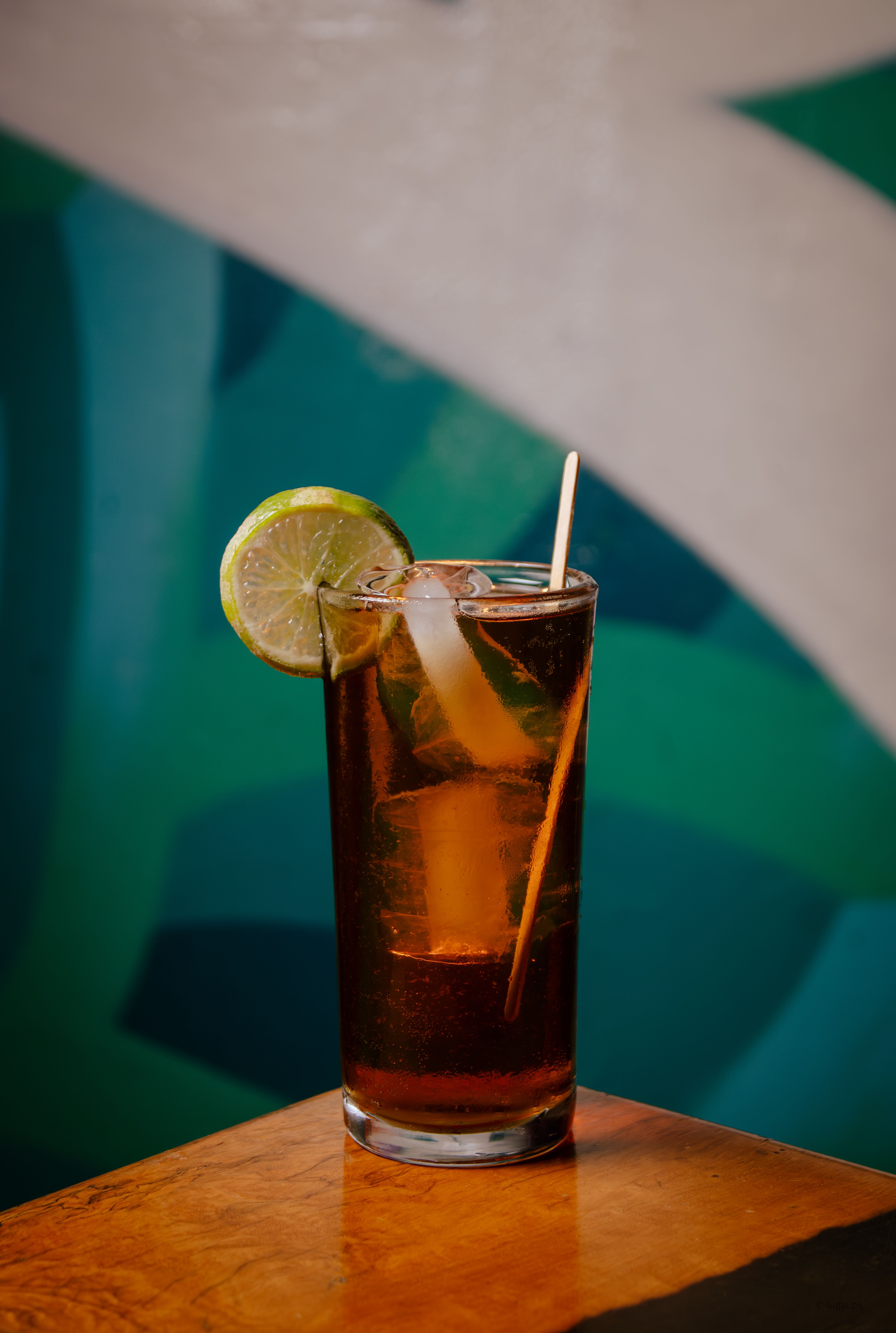
Lime in cola is not a radical idea. Many people already add a wedge to cut sweetness and sharpen the drink's finish. What Pepsi Lime does is formalize that habit in a more consistent, bottled form. The effect is immediate. The citrus lifts the nose and makes the first sip feel brisker than regular Pepsi.
The lime note is not sour in the way a lemon-lime soda can be. It is more aromatic than tart, with a zesty peel character that plays well against the caramel core of the cola. That matters because if the citrus were too acidic, it could flatten the depth that makes Pepsi recognizable. Instead, it adds edge without erasing the base.
The main tasting difference comes in the finish. Standard Pepsi can linger with a rounded sweetness, but Pepsi Lime exits cleaner and faster. That gives it a lighter impression even though it still has the same underlying cola structure. In blind comparisons, many people would likely describe it as more refreshing, especially when served over ice.
This flavor will appeal most to drinkers who find regular cola a little heavy or one-note. It is less dessert-like than the cherry-and-cream profile and less polarizing than richer novelty releases. In warm weather, with salty food, or as a mixer, Pepsi Lime makes a strong case for itself because it tastes practical, not just experimental.
Pepsi Peach: Juicy Aroma, Soft Fruit Sweetness, and a Divisive Finish
Peach is the boldest swing of the three because it pushes cola closer to a fruit-soda hybrid. The aroma does a lot of the work. Before the first sip, you get a distinctly peachy nose that suggests ripe fruit, gummy-candy sweetness, and a floral top note. That alone sets expectations far away from classic cola.
On the palate, the fruit lands softly rather than sharply. This is not the tart snap of a citrus soda or the dark intensity of cherry cola. Instead, peach brings a mellow, rounded sweetness that sits on top of the caramel base. For some drinkers, that softness feels smooth and summery. For others, it can come across as slightly perfumed.
The reason reactions are mixed is the finish. Peach tends to linger in a way that changes the aftertaste more dramatically than lime or cream does. You notice less of the traditional cola spice at the end and more of a candied stone-fruit echo. If you enjoy peach rings, peach tea, or fruit-forward sodas, that will likely sound appealing.
This is the most conversation-starting flavor of the lineup because it genuinely shifts the identity of the drink. It is not merely cola with a twist. It is closer to a flavored soda built on a Pepsi backbone. Fans of adventurous soda releases may love that. Traditionalists may admire the idea more than the full bottle.
How These Flavors Compare Side by Side in Sweetness, Aroma, and Drinkability
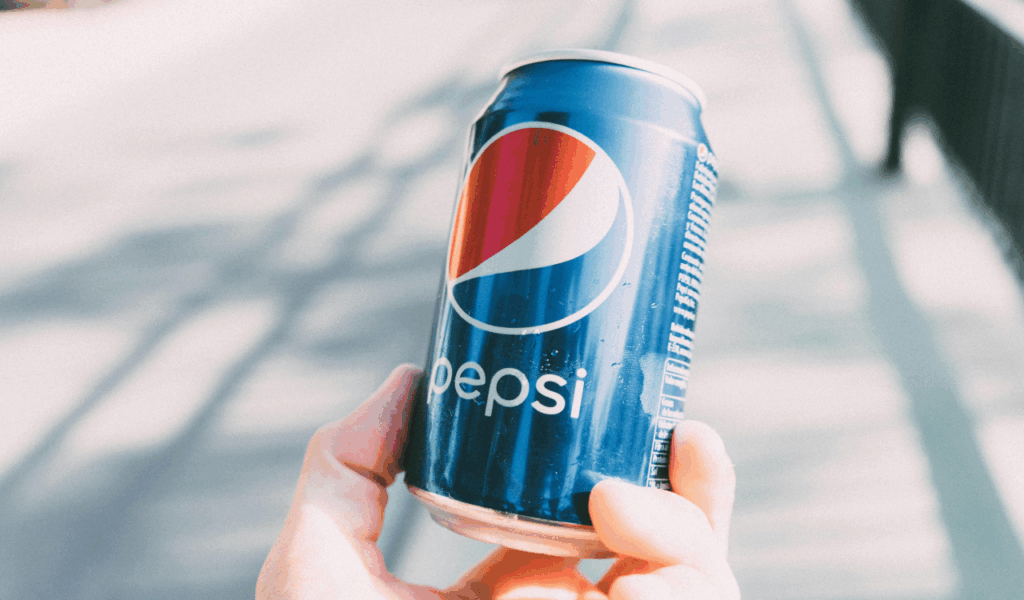
When tasted one after another, the differences become clearer than they seem on the label. Wild Cherry & Cream is the richest and most dessert-like, with the plushest mouthfeel of the group. Pepsi Lime is the cleanest and most refreshing, while Pepsi Peach is the most aromatic and the most likely to split opinion.
In sweetness perception, Peach and Wild Cherry & Cream feel fuller than Lime, even if the numbers on the nutrition panel may not be dramatically different. That is because fruit and cream notes shape how sweetness is experienced. Cream broadens it, peach prolongs it, and lime trims it. Sensory scientists often point out that aroma can make a drink seem sweeter or lighter without changing the formula dramatically.
For everyday drinkability, Lime probably has the widest utility. It works with meals, heat, and repeated sipping. Wild Cherry & Cream is more indulgent, making it ideal when you want a treat-like cola. Peach feels more like a mood purchase, something you buy because you want novelty and a fruit-heavy profile rather than a dependable daily option.
If the goal is broad appeal, Wild Cherry & Cream and Lime have the advantage. If the goal is pure curiosity, Peach wins. That distinction matters because successful limited-time flavors do not all need to become permanent. Some are designed to be beloved. Others are designed to be talked about. Pepsi appears to know the difference.
Are They Actually Worth Buying, and Which One Should You Try First?

The short answer is yes, if you enjoy soda as an experience and not just a caffeine delivery system. These releases are not random flavor stunts with no connection to cola. Each one builds on a recognizable Pepsi base and then pushes it in a specific direction. That makes them easier to evaluate and easier to recommend.
Start with Wild Cherry & Cream if you want the safest bet. It tastes finished, crowd-pleasing, and familiar enough that most cola fans will understand it immediately. Choose Pepsi Lime if you want the most refreshing version and the one most likely to pair well with food. Go for Pepsi Peach if you are specifically interested in the newest, most fruit-driven twist.
What makes these flavors successful is not that all three will please everyone. It is that each one offers a distinct lane. One is creamy and nostalgic, one is crisp and practical, and one is soft, juicy, and experimental. That level of separation keeps the lineup from feeling repetitive and gives consumers a real reason to compare them.
In the end, the flavor causing the biggest reaction may not be the one people buy most often. That is common in modern food launches. The loudest product is not always the most versatile. But in this case, Pepsi has done something useful: it gave shoppers three genuinely different tastes, not just three labels with minor tweaks.




Leave a Reply