
Grocery delivery looks convenient on the surface. The real savings only show up when you break down every fee, markup, and reward.
How the two services work in practice
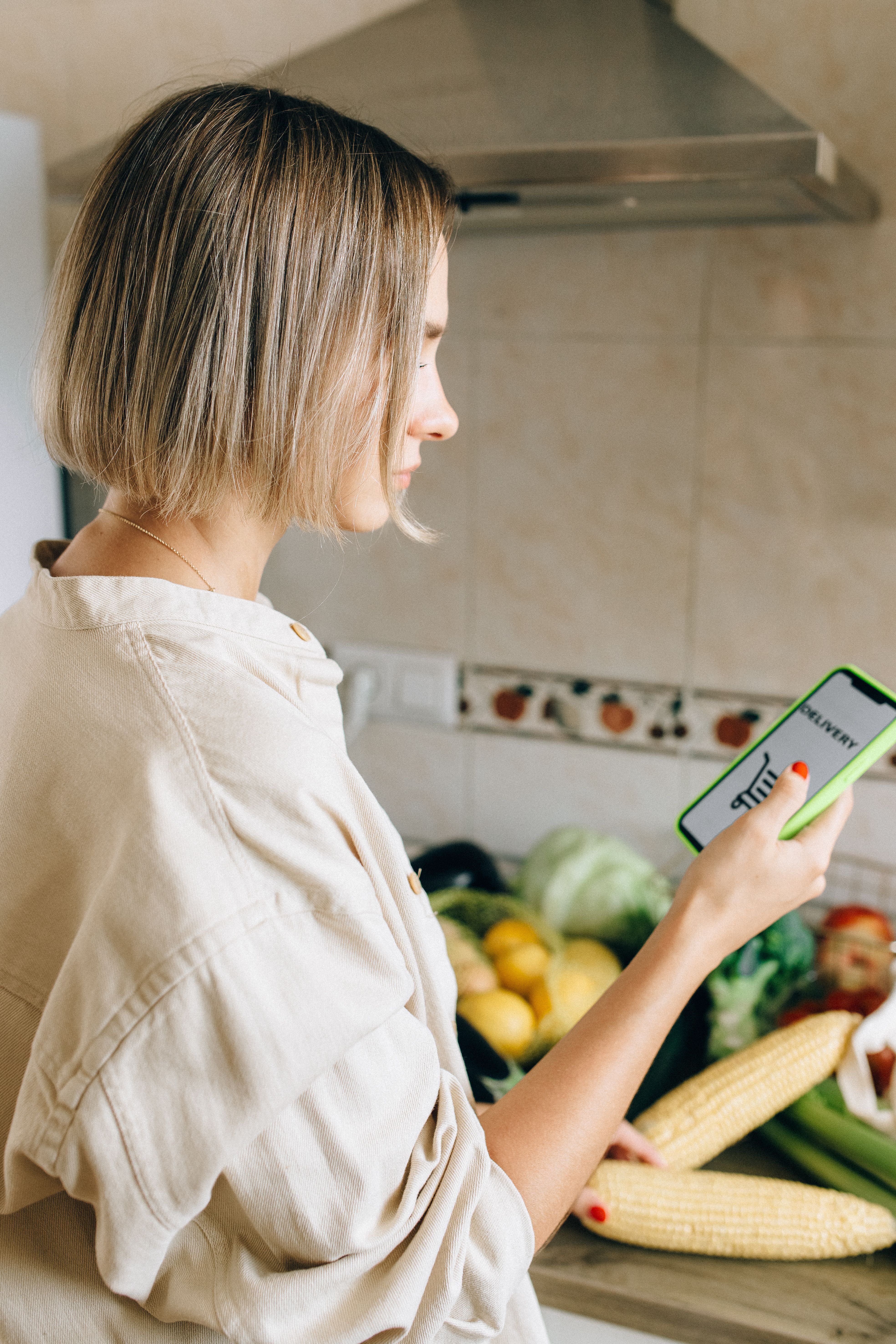
At a glance, PC Express and Instacart seem to solve the same problem. Both let Canadians order groceries online instead of walking the aisles. The difference is that PC Express is tied mainly to Loblaw-owned banners, while Instacart acts as a marketplace for multiple chains.
That distinction matters because store access shapes pricing. With PC Express, shoppers usually buy from Real Canadian Superstore, No Frills, Loblaws, Fortinos, Independent Grocer, or Zehrs, depending on region. Instacart may offer Costco, Walmart, Metro, Giant Tiger, and regional stores, but availability changes by postal code.
The fulfillment model also affects cost. PC Express often offers pickup and delivery, with pickup usually cheaper because there is no driver involved. Instacart is more delivery-centric, and while pickup exists in some areas, many users end up paying for speed and convenience by default.
Where grocery costs start to separate

Sticker price is where many shoppers assume the comparison ends. It does not. Instacart prices can be higher than in-store prices at some retailers, because certain partners use marked-up online pricing, while others keep prices aligned with the shelf.
PC Express pricing tends to track the host store more closely, especially for Loblaw banners where weekly flyer deals and in-store promotions are built into the ecosystem. Even then, not every in-store clearance or manager markdown appears online, so digital carts can still come out higher than a careful in-person trip.
Basket composition changes everything. If you buy mostly national brands, pantry staples, and advertised specials, PC Express often has a cost edge. If you use Instacart to compare several stores and choose the lowest sale price across them, the math can swing back in Instacart's favour.
Fees, tips, and memberships decide the winner

The quiet budget killer is not always the grocery bill. It is the layer of service fees added at checkout. PC Express pickup fees are often modest, and delivery charges vary by time slot, while Instacart commonly adds delivery fees, service fees, and a tip that most shoppers rightly consider standard.
Memberships can soften those charges. PC Express passes, where available, may reduce recurring pickup or delivery costs for frequent users. Instacart+ can lower per-order delivery fees for larger baskets, but the value only appears if you order often enough to justify the subscription.
Small orders are where Instacart usually becomes expensive. A 10-item top-up order can absorb fees badly, making the final total much higher than expected. Larger family shops spread those fixed costs out better, which is why heavy weekly orders narrow the gap substantially.
Loyalty points and promotions can tilt the math

One of PC Express's strongest advantages is its connection to PC Optimum. Canadians who already collect points at Shoppers Drug Mart, Esso, or Loblaw banners can stack grocery orders with targeted offers. Over time, that can translate into meaningful savings, especially for households disciplined enough to redeem strategically.
Instacart's promotional value is less about points and more about coupons, free-delivery trials, and partner-specific deals. New-user discounts can be generous, but they are often temporary. Once introductory offers disappear, shoppers need to examine the base cost much more carefully.
Promotions also behave differently by category. PC Express frequently shines on flyer items and points events like bonus offers on household essentials. Instacart can occasionally win when one retailer runs a sharp sale on produce or meat, but those wins tend to be less predictable week to week.
Real shopping scenarios for Canadian households

Consider a family in Ontario doing a $220 weekly stock-up at Real Canadian Superstore. If they use PC Express pickup, collect PC Optimum points, and buy flyer items, their final cost may stay close to the in-store total plus a modest service fee. In many cases, that is hard for Instacart delivery to beat.
Now picture a downtown couple ordering from Costco through Instacart every two weeks. Even with service fees and tips, bulk pricing on paper goods, snacks, and frozen items can offset the platform cost. For shoppers without a car, avoiding transit or taxi costs strengthens Instacart's value.
A senior making small, frequent orders sees a different result. Repeated delivery fees and tips can erode savings fast on Instacart. If that same shopper can use PC Express pickup through a family member, the household often comes out ahead over a month.
Which service is actually cheaper for most people

For most Canadians focused purely on lowering the grocery bill, PC Express usually wins on routine weekly shopping. The main reasons are lower pickup costs, stronger integration with flyer pricing, and the added value of PC Optimum rewards. It is especially competitive for families already loyal to Loblaw-affiliated stores.
Instacart becomes the better value in more specific situations. It works best when it unlocks access to lower-priced retailers, when basket sizes are large enough to dilute fees, or when convenience replaces another real cost such as fuel, parking, or transit.
The smartest conclusion is not that one platform is always cheaper. It is that PC Express is usually the lower-cost default, while Instacart can be the tactical choice for bulk buying, store comparison, or households that put a premium on delivery flexibility.




Leave a Reply