
The legal edible aisle in Canada is growing up. What began as a race to sell bright, sugary gummies is becoming a far more sophisticated market led by premium chocolate.
Gummies built the category, but they also exposed its limits
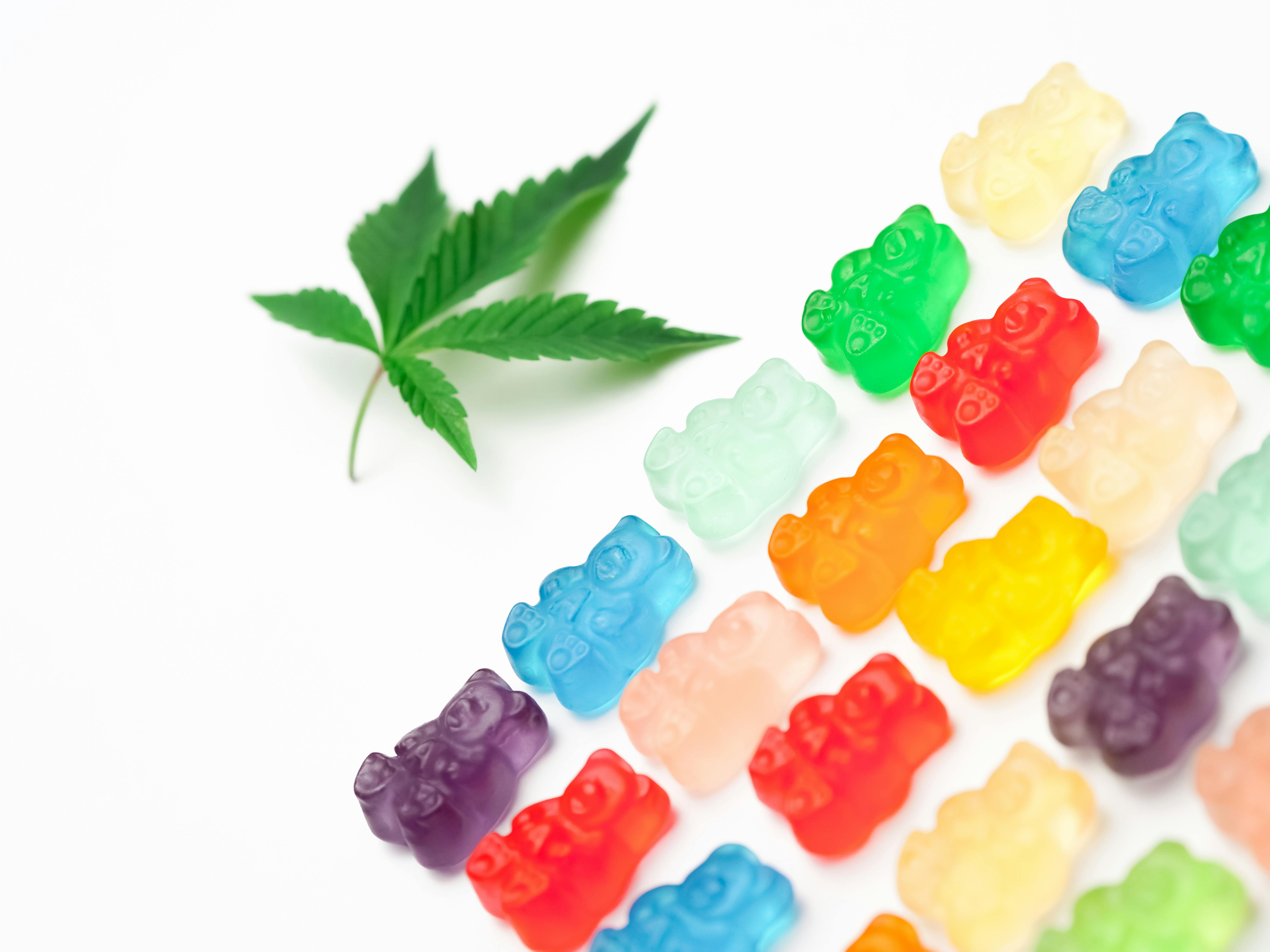
In the early years after legalization, gummies became the easiest edible to understand and the fastest to scale. They were familiar, inexpensive to produce, and simple for retailers to stock. For many new consumers, a fruit chew felt less intimidating than dried flower or vape cartridges.
But that convenience created a crowded field. Shelves filled with similar flavors, similar formats, and nearly identical 10 mg THC caps under federal rules. Once every producer had a soft chew in multiple fruit varieties, differentiation became weak and price competition intensified.
There was also a quality problem at the lower end. Some products felt closer to novelty candy than a thoughtfully made edible, with inconsistent texture, excessive sweetness, or underwhelming flavor. That helped create an opening for formats that could signal craftsmanship and justify a higher price.
Chocolate offers a premium story that consumers immediately understand

Chocolate carries built-in cues that gummies often do not. People already associate fine chocolate with origin, texture, tempering, cacao percentage, and gifting. In cannabis, those same signals translate naturally into a more elevated product that feels adult, intentional, and worth savoring.
Licensed producers have used that advantage to reposition edibles away from impulse snacking and toward controlled indulgence. A square of infused dark chocolate fits neatly into evening routines that resemble dessert or a glass of wine. That framing matters in a market where stigma still shapes buying behavior.
Premium chocolate also gives brands more room to tell stories. They can talk about ingredients, culinary partnerships, ethical sourcing, and flavor layering such as sea salt, espresso, orange, or hazelnut. Compared with generic gummies, that creates a stronger brand identity and a more defensible margin.
Regulation has quietly favored products that feel precise and trustworthy
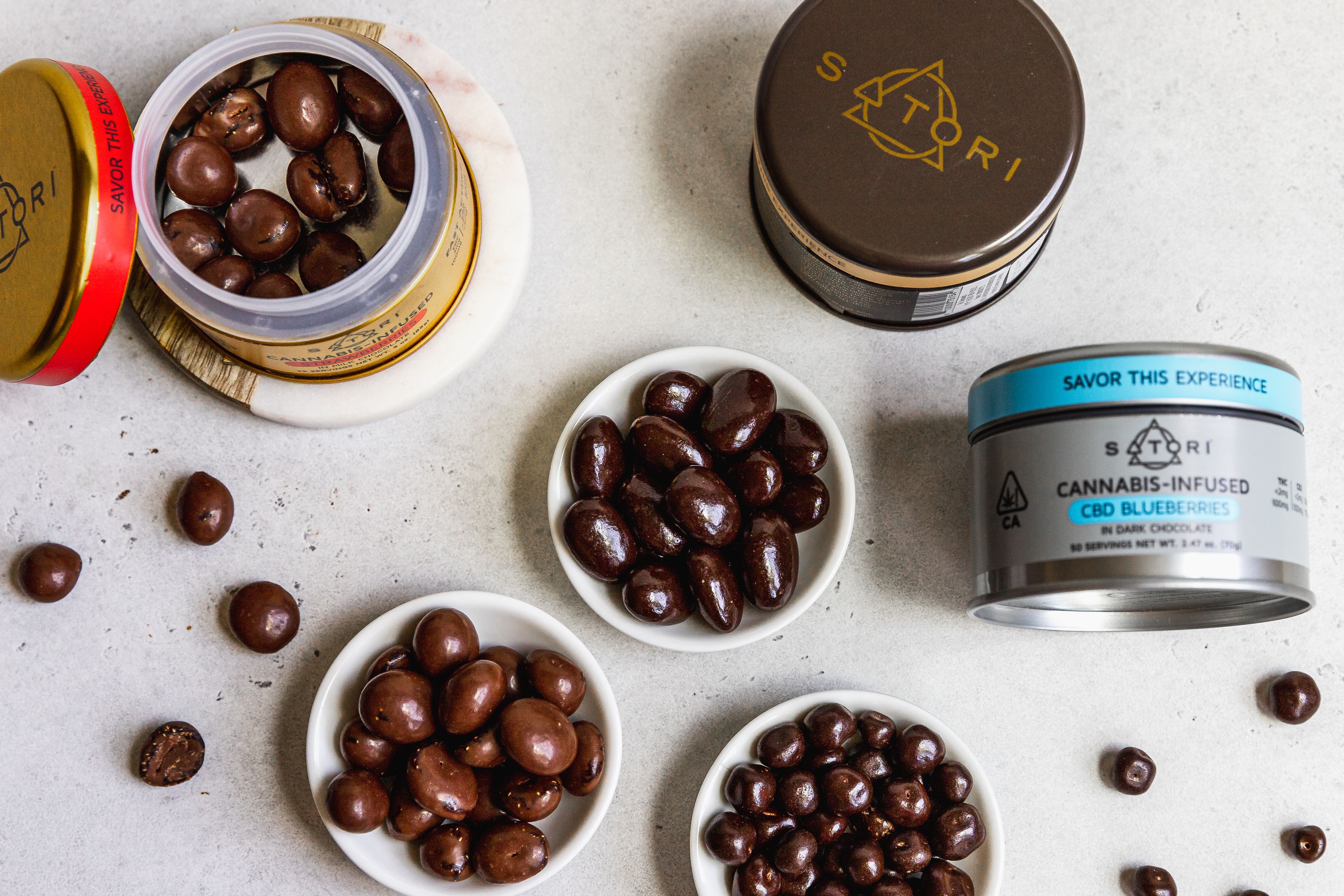
Canada's edible rules are strict, especially around dosage, packaging, and product safety. The national 10 mg THC limit per package has made it hard for legal companies to compete with illicit high-dose products on sheer potency. As a result, legal brands have had to win on consistency, quality, and consumer trust.
Chocolate performs well in that environment because it can be portioned cleanly into defined squares. For consumers who want 2.5 mg or 5 mg at a time, scored pieces make dosing intuitive. That matters especially for newer users, older adults, and wellness-oriented buyers who are cautious about overconsumption.
Packaging expectations also favor premium presentation. Child-resistant rules leave little room for playful branding, so companies benefit when the product itself can communicate sophistication. A refined chocolate bar can survive restrictive regulations better than a candy product that once relied on bright, impulse-driven appeal.
Retailers want products that raise basket size and attract broader shoppers
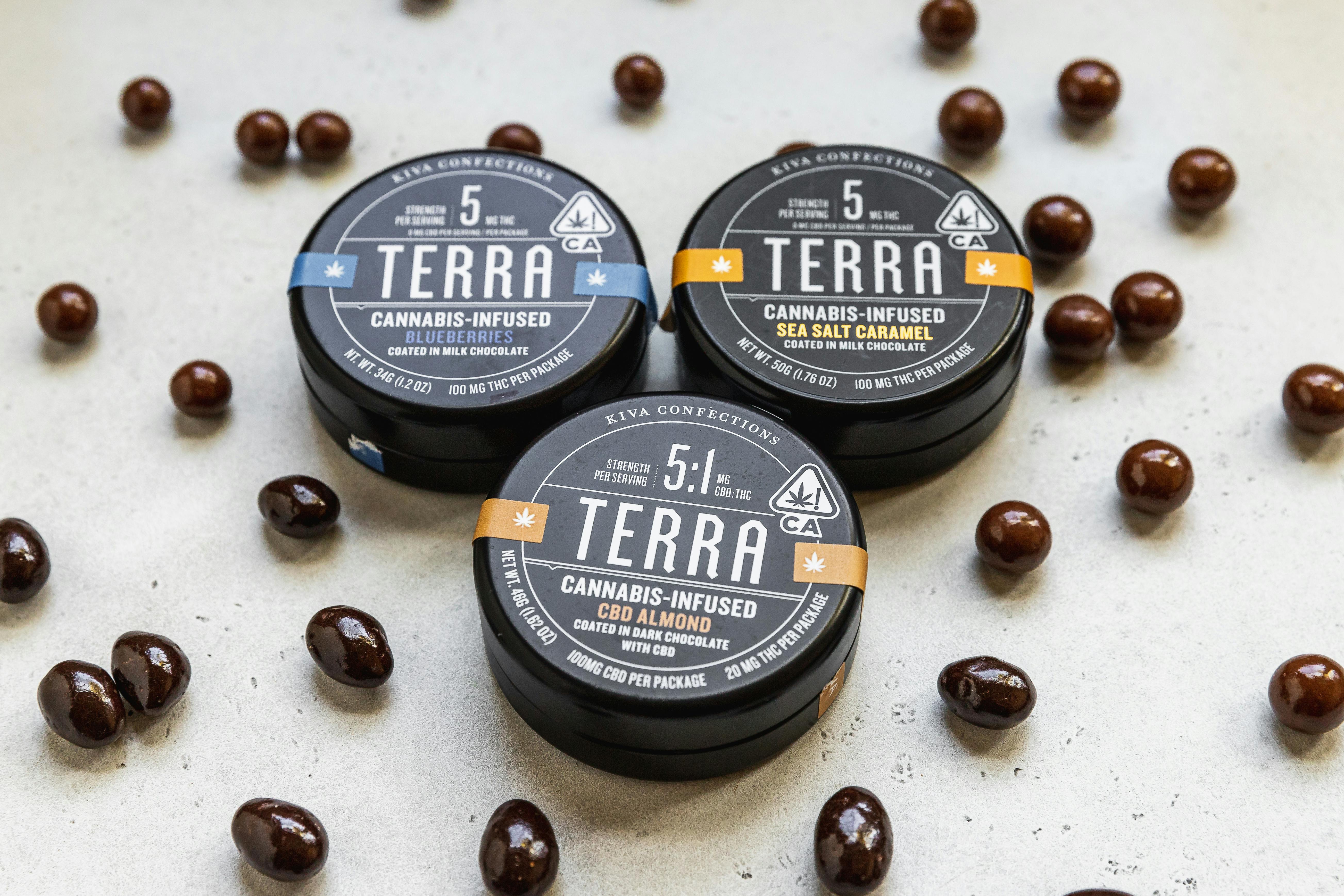
Provincial distributors and private retailers increasingly care about category economics, not just unit sales. Gummies can move volume, but they often compress margins because shoppers compare them mainly on price. Premium chocolate, by contrast, can lift average selling price without feeling unreasonable to the buyer.
That makes it attractive in a retail environment facing oversupply and discount pressure. Stores want products that trade consumers up, encourage repeat purchases, and fit cross-category shopping patterns with beverages, topicals, or low-dose wellness items. Chocolate is especially effective during holidays, gifting periods, and weekend entertaining occasions.
Retail staff also find premium edibles easier to recommend. A well-made chocolate product comes with a clearer use case and a more refined sensory pitch. Instead of simply asking whether a customer wants a gummy, budtenders can discuss flavor, dose, onset expectations, and the overall experience.
Consumer demographics are changing, and so are their expectations
The next phase of the market is being shaped by people who do not see cannabis as a novelty. Many are older millennials, Gen X buyers, and canna-curious adults who want discretion, predictability, and a polished product. They are often less interested in bright candy aesthetics and more interested in quality cues.
Women have been an important part of this shift, particularly in edible categories tied to low-dose use and evening relaxation. Market analysts in Canada have repeatedly noted that format, flavor, and trust strongly influence these shoppers. Chocolate aligns well because it feels familiar, measured, and less juvenile than many gummy offerings.
There is also a broader cultural change at work. Consumers now bring food-world expectations into cannabis, much as they did with coffee, craft beer, and non-alcoholic beverages. Once that happens, premiumization is hard to reverse because taste, ritual, and brand values start carrying as much weight as price.
Gourmet chocolate will not replace gummies, but it is redefining the market's future

Gummies are not disappearing. They remain a major entry point because they are approachable, affordable, and easy to understand. But the center of gravity in the category is moving toward products that feel more curated and more aligned with adult consumption habits.
That shift is likely to continue as legal operators search for profits in a difficult market. Premium chocolate gives them a stronger story, better merchandising opportunities, and a format that works within Canada's rules. It also helps distinguish legal products from illicit edibles that still compete heavily on dose alone.
In that sense, gourmet chocolate is more than a flavor trend. It represents the maturing of Canada's cannabis industry from basic novelty toward branded, experience-driven consumption. The move away from gas-station gummies is really a move toward trust, ritual, and a higher standard for what an edible should be.




Leave a Reply