
If you're looking for a reliable Oven Brisket Recipe, this one is tested to turn out tender, juicy, and full of flavor every time. It uses an easy two-stage temperature method to help the meat cook slowly and stay moist. Starting with a quick sear creates a flavorful bark and builds deep flavor right from the beginning.
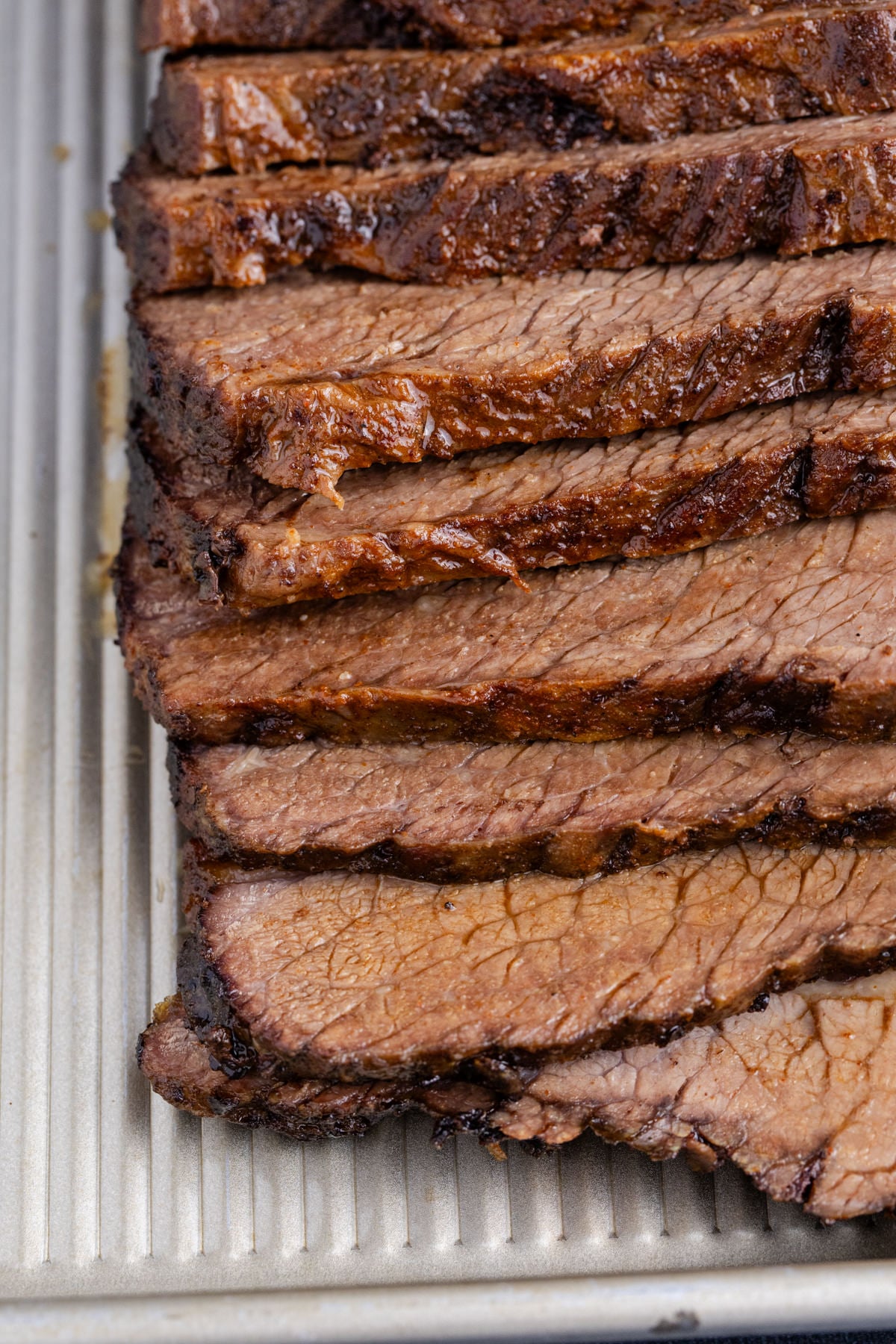
Oven Roasted Brisket Recipe Essentials
- 🍽️ Course: Main Course
- ⏱️ Cooking Time: About 7 hours of cook time
- 🍴 Servings: 6
- 🧄 Flavor Profile: Rich, smoky, and savory with tender, slow-roasted beef and a deep crust
- 🍚 Best Served With: Mashed potatoes, roasted vegetables, or sliced on sandwiches
- 🧊 Make Ahead?: Yes, can be cooked ahead and reheated, and benefits from resting and flavor development
Summarize and Save This Content On
Brisket has a reputation for being tough to get right, and since it's an expensive cut, I like having a method I can trust. When I can't barbecue year-round, this baked brisket lets me cook it low and slow right in my oven. It's simple to make and one of my favorite choices for a cozy Sunday family dinner.
Some other oven-roasted proteins that you should try are prime rib roast and pork rib roast.
Why You'll Love This Recipe
- It's cooked at 2 temps for maximum tenderness: You'll cook this brisket at 2 oven temperatures to get that delicious crust on the outside and perfectly juicy and tender meat on the inside.
- The probe test helps with proper cooking: A thermometer is great, but the probe method is a great way to tell if your brisket is done. The beef will be so soft that the probe of the thermometer slides into the center without any resistance.
- The rub was built for this: I crafted a homemade brisket rub to be perfectly balanced and to complement the meat beautifully.
Ingredients
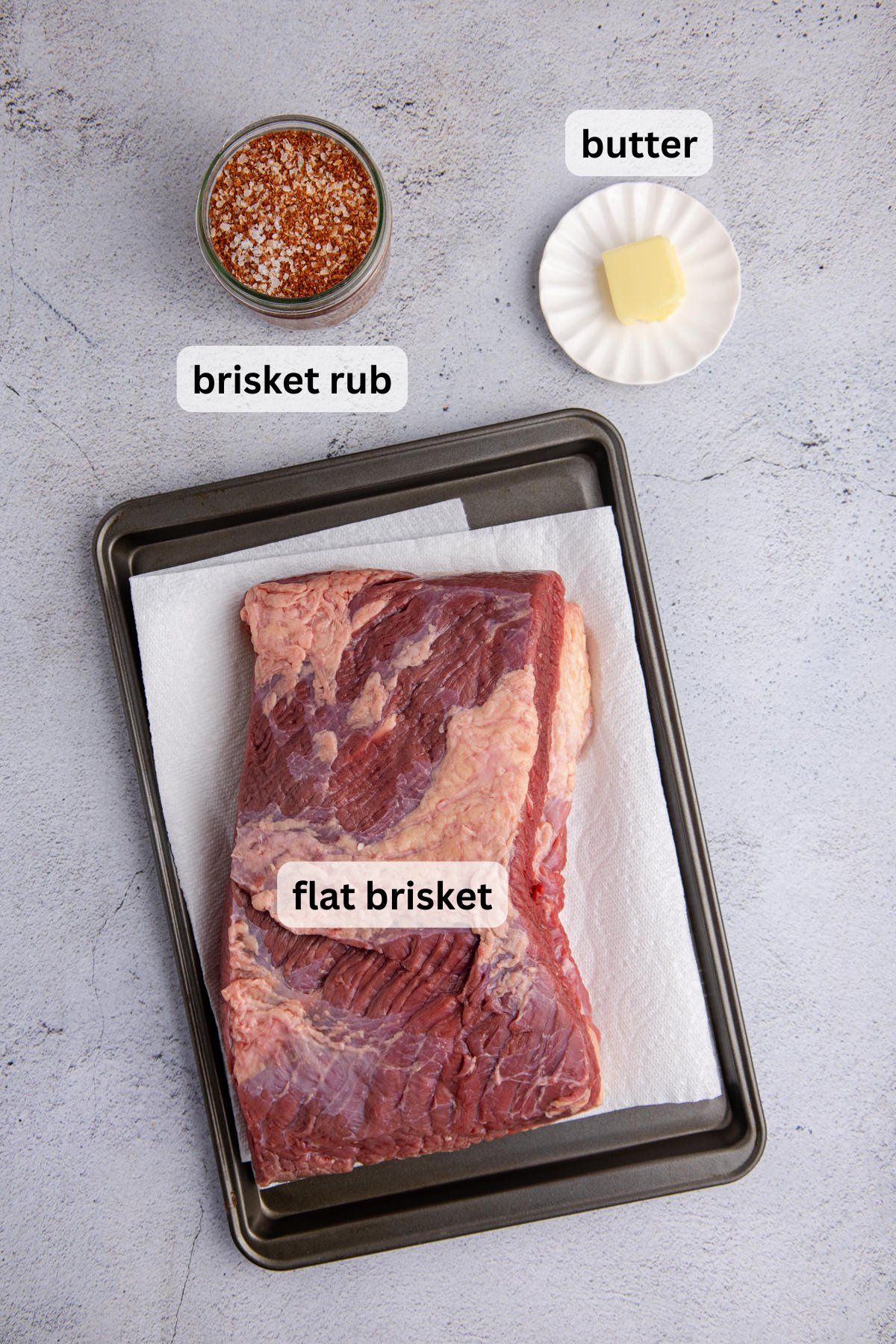
- Flat brisket: There's flat brisket, which tends to be leaner, while point brisket is marbled with fat. Since flat brisket has a more uniform thickness and cooks more evenly in the oven, it's the best choice for this oven brisket recipe.
- Brisket rub: A simple brisket rub made with brown sugar, smoked paprika, salt, pepper, and garlic powder is the perfect blend of savory, smoky, and sweet.
- Butter or oil: You may use butter or any high-smoke-point oil. I recommend avocado or vegetable oil if you don't want to use butter. If you do choose butter, it may be salted or unsalted, based on your preferred salt level.
See the recipe card below for exact ingredient amounts, nutritional information, and detailed instructions.
Try making some brisket sliders with the leftovers. So good, they'll blow your mind.
Variations
- Try another rub: The flavors used in this short rib rub also work with this oven brisket recipe. Your favorite store-bought spice blend would be great, too.
- Add a sauce: You may add broth or wine to the foil wrap with aromatics like onions and garlic to create a pan sauce. Try a BBQ sauce, too.
- Make it spicy: This homemade chipotle powder would add lovely smoky spice to the brisket. About ½ to 1 teaspoon will do great.
How to Make a Fall-Apart Brisket in the Oven
Line a baking sheet with foil and preheat your oven to 200°F for the first part of the cooking process. Below are additional steps that will teach you how to cook brisket in the oven.
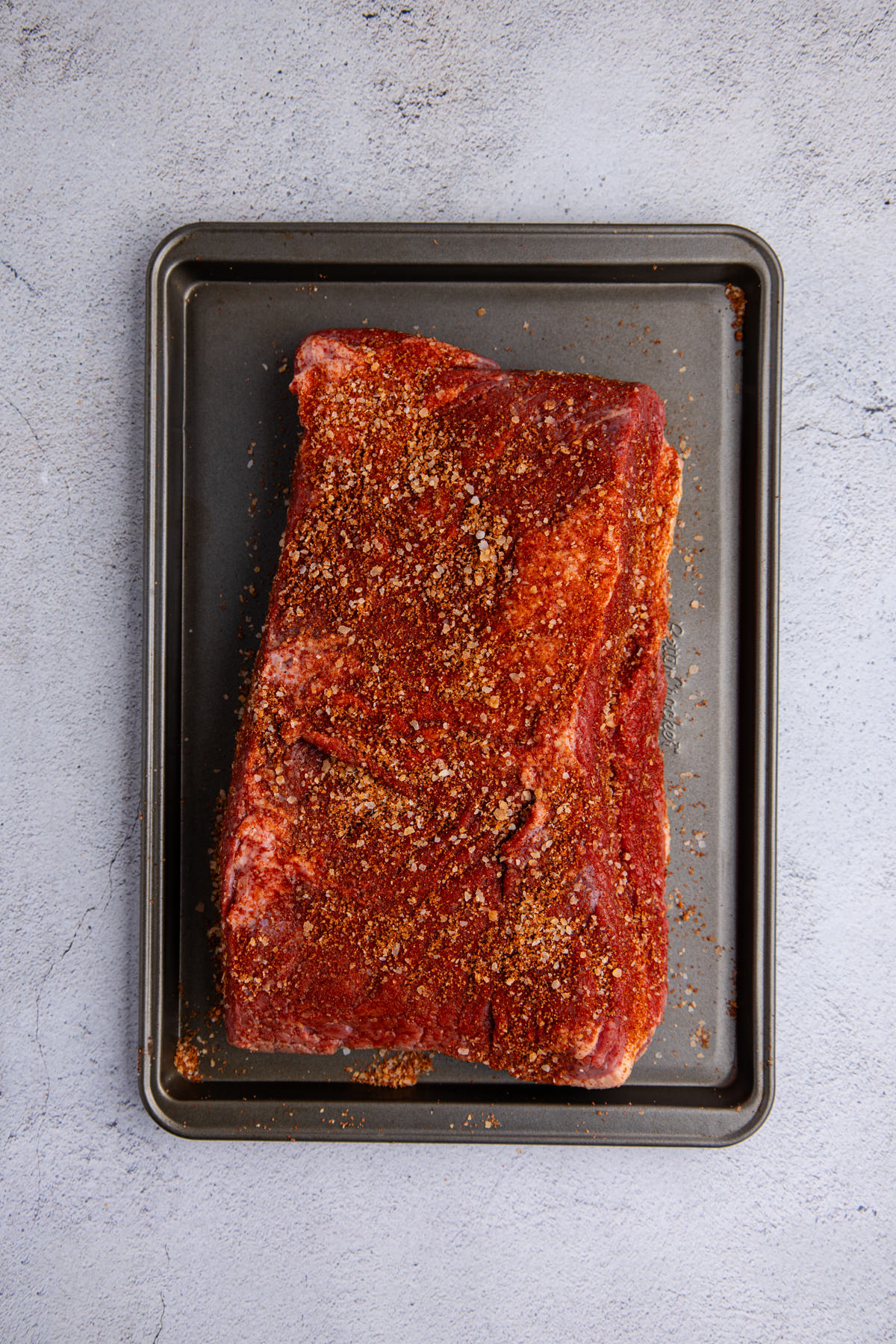
Step 1: Season. Generously rub the spice mix on all sides of the brisket.
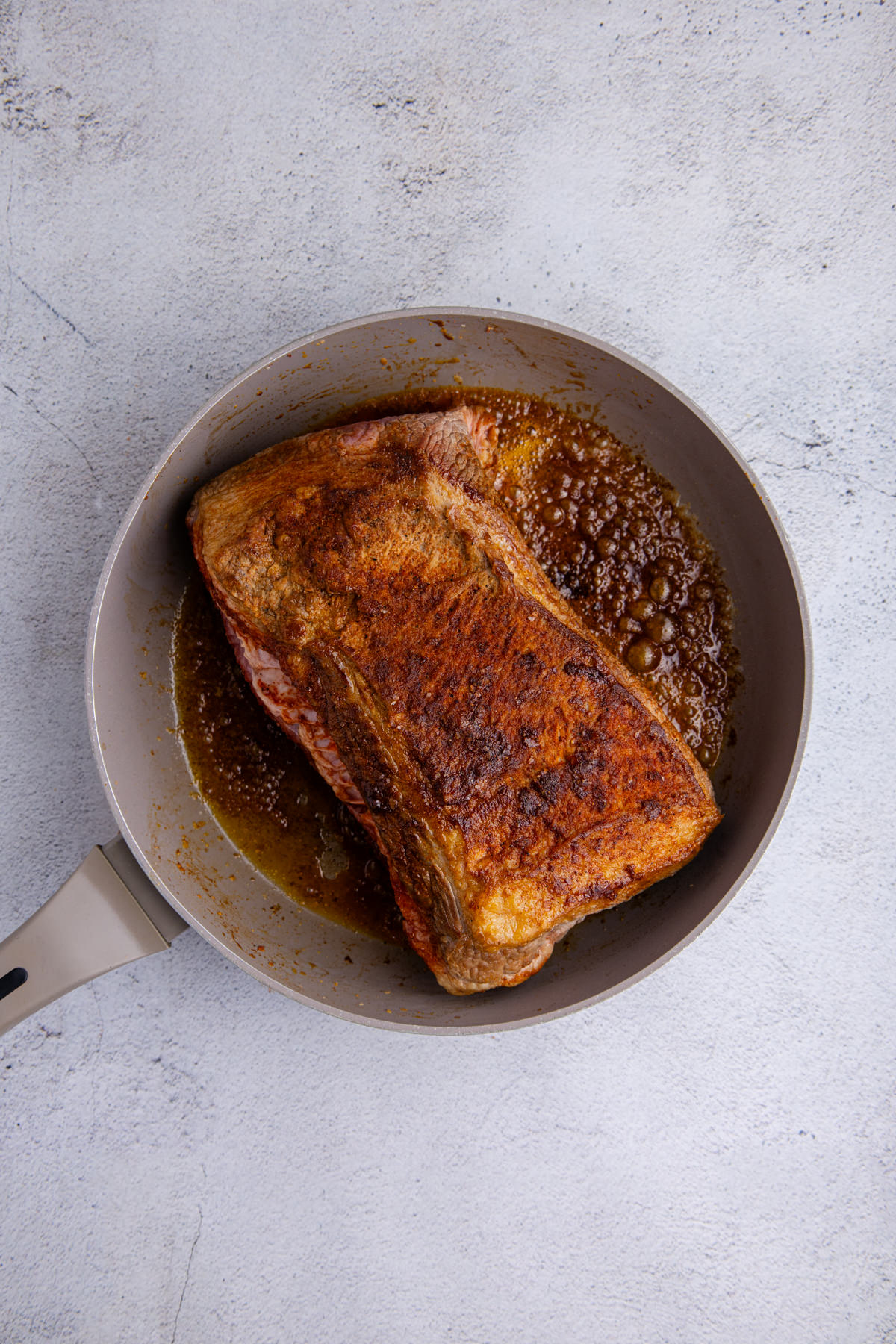
Step 2: Sear. Heat a skillet over medium-high heat with butter or oil. Then, sear the meat for a few minutes on each side to form a crust.
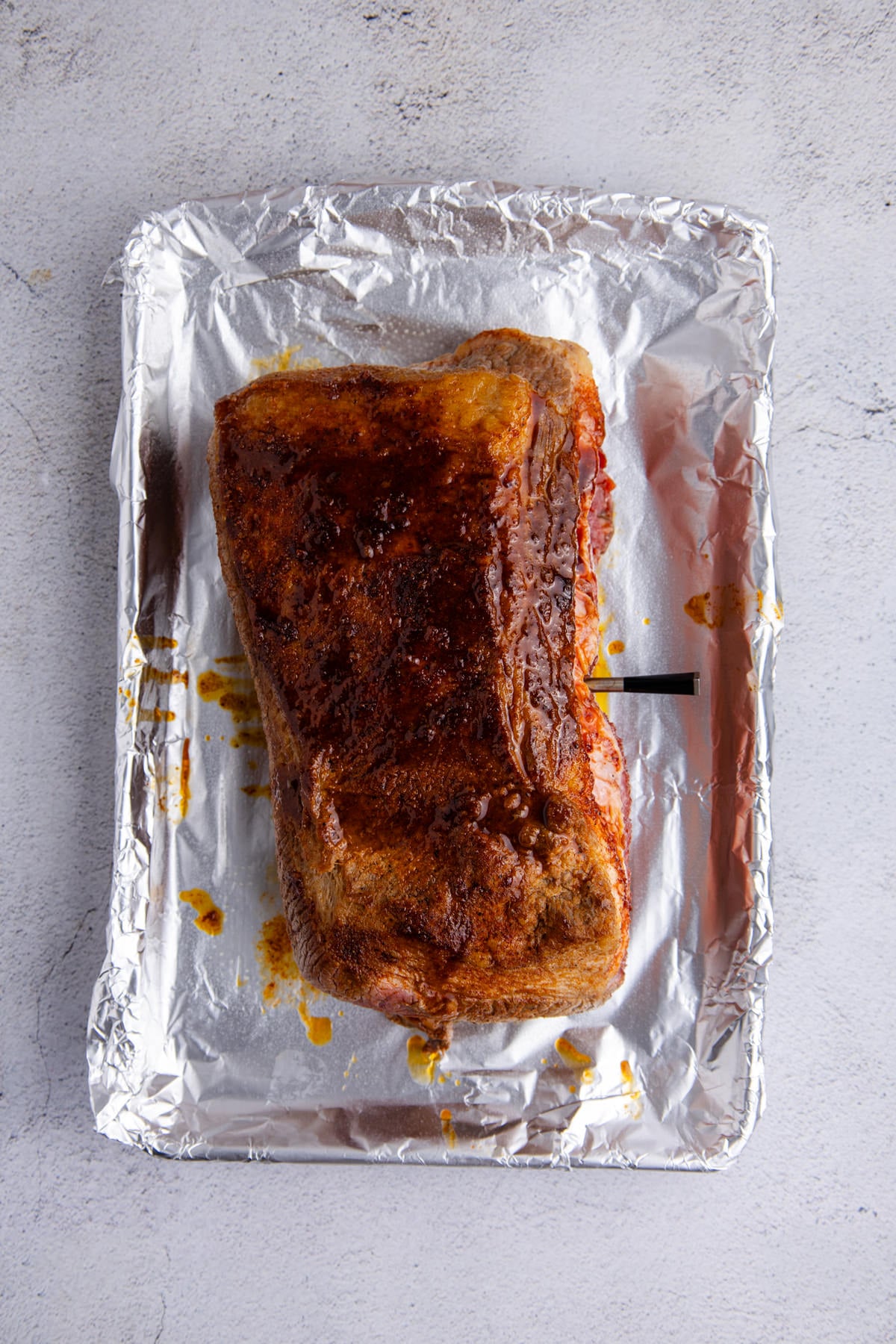
Step 3: Cook and wrap in foil. Transfer the brisket to the foil-lined baking sheet and cook for about 3 hours, or until the internal temperature reaches 160-170°F. The outside should have darkened as well. Now, you can wrap the brisket tightly in foil with the pan juice and bump the oven up to 275°F.
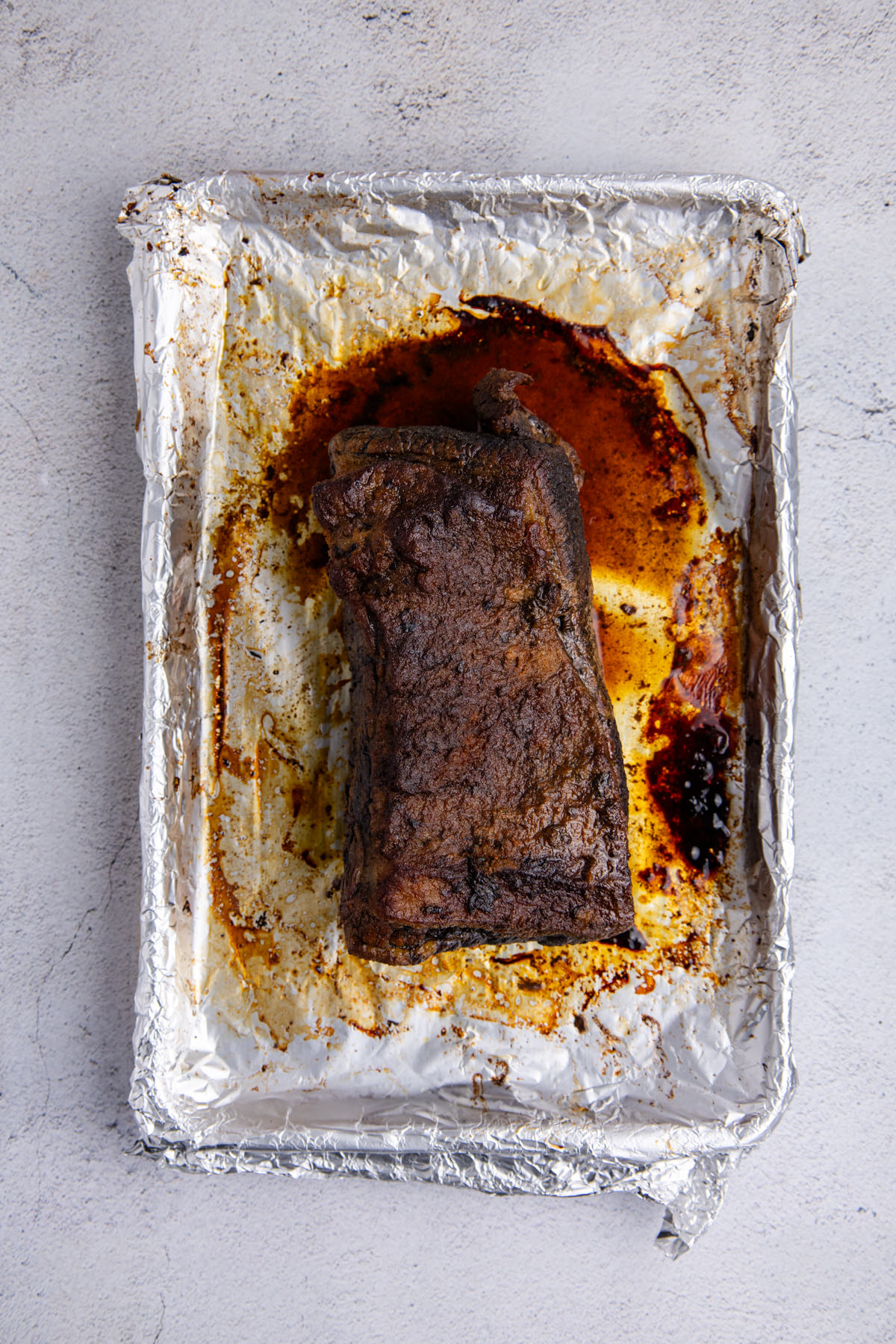
Step 4: Cook longer and rest. Then, continue cooking the brisket in the oven for about another 3 hours before you perform the probe test. Cook it in additional 30-minute increments until it's perfectly soft and tender. Rest it wrapped for about an hour before slicing and serving with broccoli cornbread with cheese.
Expert Tips
- Always bake with the fat side up: The fat cap on the brisket acts as a self-baster for the meat, providing extra moisture to the beef as it renders. If you cook the brisket in the oven with the fat side down, then this defeats the purpose, and you miss out on extra flavor.
- Searing is non-negotiable: A significant portion of the final flavor and texture relies on searing the brisket. I don't recommend skipping this step as it takes less than 10 minutes of work with a huge payoff.
- Wrap it tightly in foil: When you wrap the brisket in foil, ensure it is completely covered and tightly wrapped. This allows for braising while loose foil lets all the steam escape.
- Don't rush the resting step: Resting your brisket when it comes out of the oven ensures perfectly juicy slices. If you cut it too early, all the juice will run out on the cutting board.
If you're looking for more amazing brisket recipes to try, I recommend my old-fashioned brisket recipe. Don't forget to use this brisket rub recipe to enhance the flavor.
Serving Suggestions
- BBQ pairings: Enjoy a classic BBQ meal with tasty side dishes like bacon mac and cheese and your favorite classic baked beans.
- Light side dishes: Keep it light with garden or Caesar salad. I also recommend old-fashioned coleslaw as another refreshing and crunchy option.
- Repurposing leftovers: I love using leftover brisket for sandwiches. It's also a great addition to this garlic grilled cheese.
Give my balsamic pot roast (easy slow cooker) a try if you enjoy a tasty beef dinner like this one.
Oven Roasted Brisket Recipe FAQs
Knowing when brisket is done can feel tricky, but the best way to tell is by how it feels, not just by the temperature. While an internal temp of about 195°-205°F is helpful, it isn't the final answer because brisket becomes tender when the collagen fully breaks down. I insert a thermometer probe into the thickest part of the meat. When it's ready, it should slide in and out very easily, with little to no resistance.
Almost always, it's undercooked. Brisket often stalls, and the internal temperature seems to stop rising; many home cooks pull it too early. If the probe still meets resistance, it simply needs more time. How long to cook the brisket in the oven will be determined by its size and the time it takes to tenderize.
Yes, you can, but I usually recommend this slow cooker brisket recipe for the best results. Just keep in mind that the oven method creates a flavorful exterior that you won't really get in a slow cooker.
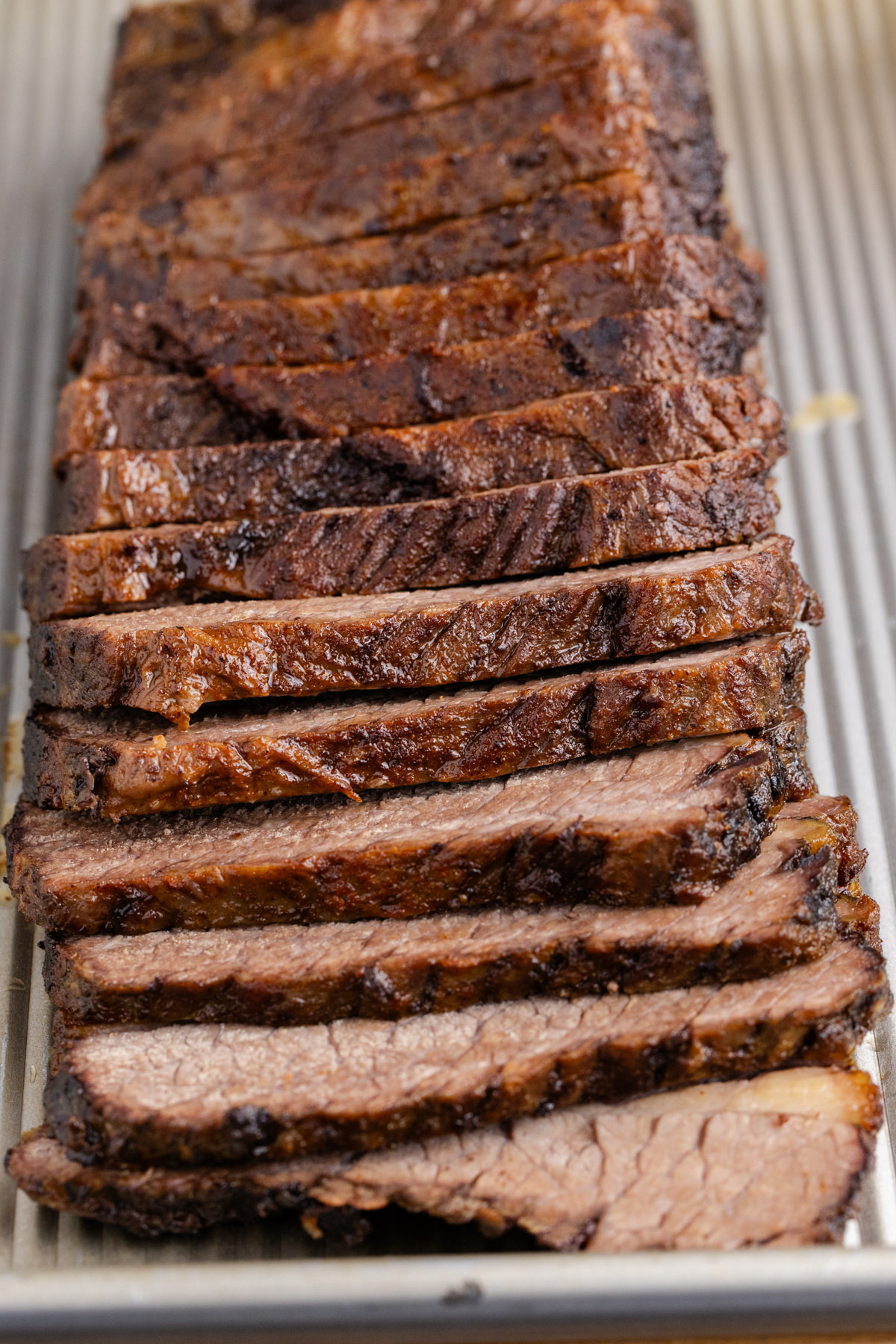
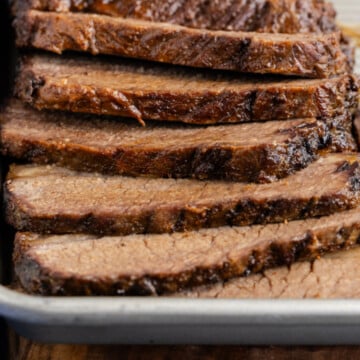
Always slice brisket against the grain. I look for the direction the muscle fibers run on the flat cut, then slice perpendicular to those lines so the meat turns out tender and easy to chew. I aim for ¼ inch slices.
Keep it in an airtight container in the refrigerator with some of its pan juices for up to 4 days. You may freeze the slices in a freezer-safe bag or container with some of the juices for up to 3 months.


Oven Roasted Brisket
Ingredients
- brisket rub see recipe
- 2 tablespoons butter or high smoke point oil
- 1 4 ½ pound Flat Brisket or larger
Instructions
- Allow brisket to sit out for about 30 minutes prior and preheat oven to 200F while you prepare the brisket with the rub.
- Rub generously all over the brisket, covering all sides.
- In a skillet over medium-high heat, melt butter (or use oil) sear the brisket for a few minutes on each side to get a nice crust.
- Meanwhile, prepare a baking sheet in foil then transfer the brisket to it, fat side up, and pour any pan juices on top.
- Cook for about 3 hours, or until the internal temperature reaches 165-170F and the exterior is dark and set. Wrap tightly in foil (pouring all pan juices back inside, place back in the oven on the baking sheet and increase the temperature to 275F.
- Continue cooking until the tenderness is achieved. If you can insert an instant thermometer probe with ease in a few places, making sure you are mid-way between the bottom up to the start of the fat, not the top of the brisket, that is your center, there should be no resistance at all. You can start checking when you are about another 3 hours into the cook; about 6 hours in total.
- Every brisket cooks a little differently, so pay attention to how it feels rather than focusing only on time or temperature. If the probe meets resistance in any area, keep cooking in 30-minute increments until it slides in smoothly.
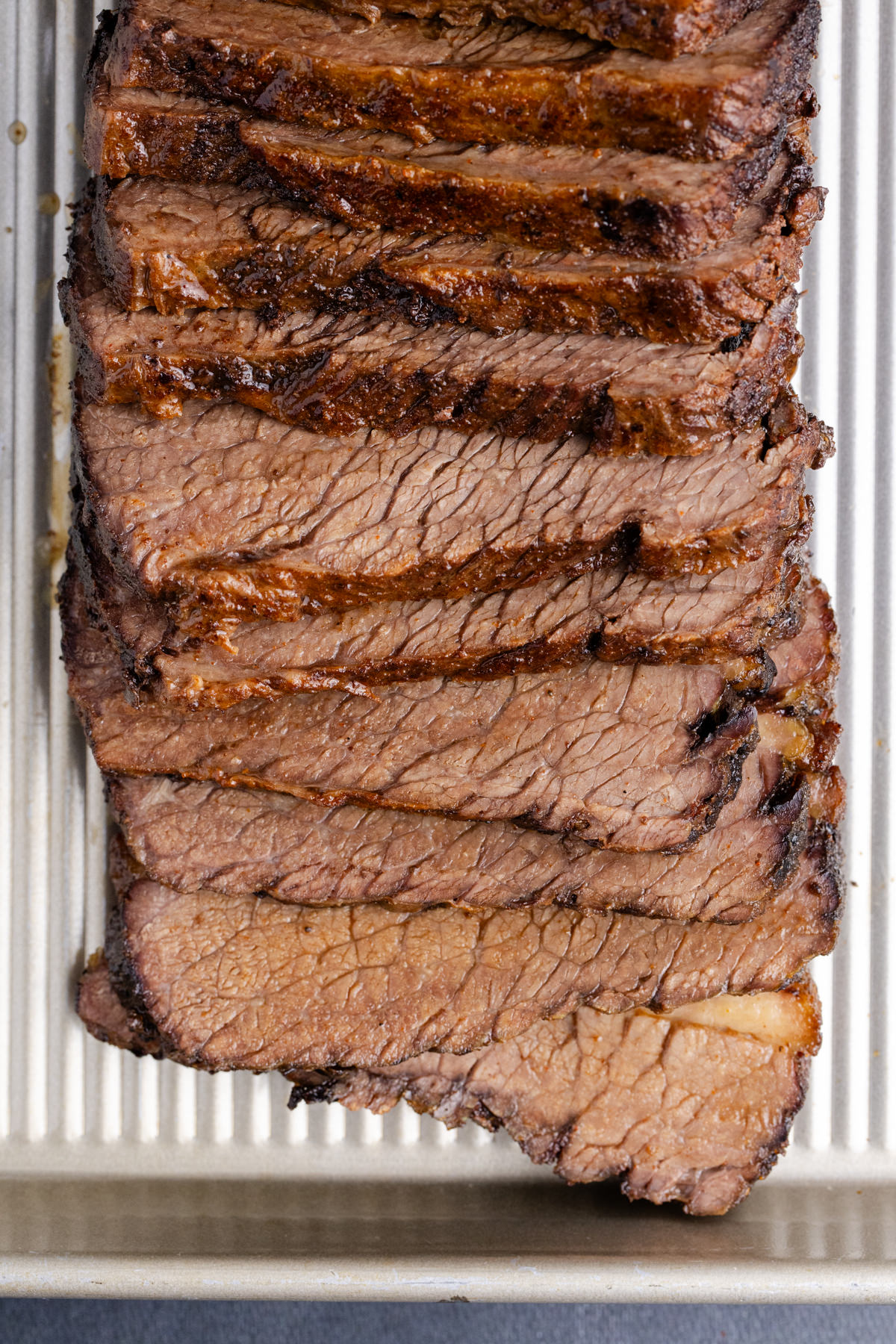
- Remove from the oven, leave wrapped and rest for at least 60 minutes, then slice across the grain.
Notes
- Always cook your brisket fat side up because the fat cap helps baste the brisket as it cooks, adding moisture and flavor as it slowly renders. If you place the brisket in the oven fat side down, you lose that benefit and miss out on some of that richness.
- When you wrap the brisket in foil, make sure it's fully covered and sealed tightly. This helps it braise properly, while loose foil lets steam escape and can dry it out.
- Most of the time, if the brisket is tough, it's simply undercooked. It hits a stall where the internal temperature seems to stop rising, and many home cooks take it out too soon. If the probe still meets resistance, it just needs more time.



Leave a Reply