
A technical rule change rarely grabs attention. But this one could reshape how meat moves across Canada.
Why the August 26 deadline matters

At the center of the issue is a federal consultation launched by Ottawa on a proposal tied to interprovincial trade in meat products. The August 26 deadline is the cutoff for provinces, processors, farm groups, retailers, and consumers to weigh in before the government decides whether to move ahead.
The policy goal is straightforward: reduce one of the most persistent barriers inside Canada's own economy. Under the current system, meat processed in a provincially licensed plant usually cannot be sold across provincial borders unless it meets federal inspection requirements, a hurdle that has long limited smaller operators.
That matters because Canada has spent years talking about internal trade reform without fully dismantling the rules that fragment its domestic market. According to repeated calls from business groups and provincial governments, food is one of the clearest examples where regulatory duplication can keep local products from reaching nearby customers simply because a border line intervenes.
What Ottawa appears to be trying to change
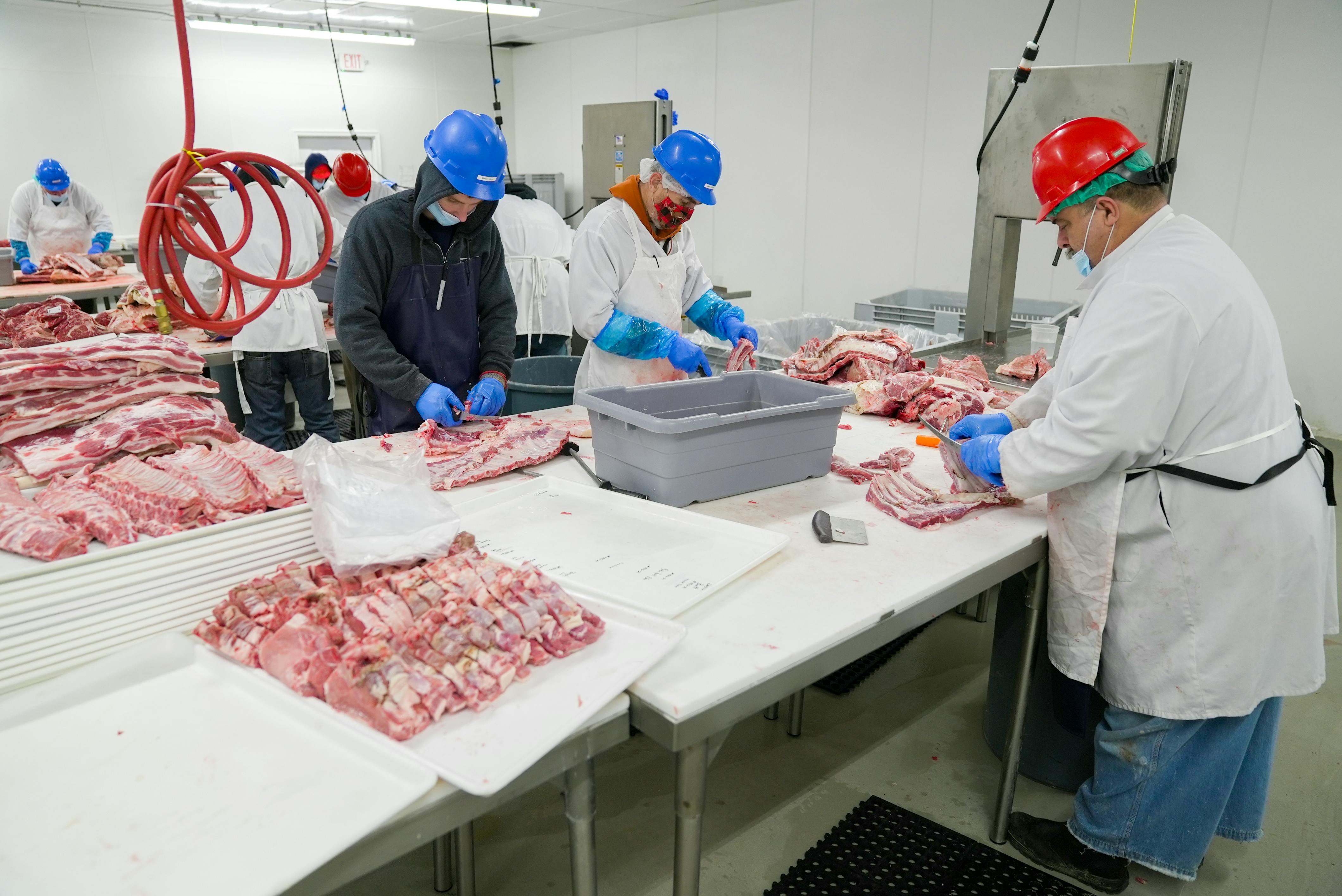
This proposal is not about weakening food rules so much as changing how equivalency is recognized. In practical terms, Ottawa is examining whether meat produced under certain provincial inspection systems could circulate more freely if those systems are deemed to deliver comparable safety outcomes.
That distinction is crucial. Federal inspection under the Canadian Food Inspection Agency has historically been the ticket to national distribution, while provincial regimes are designed mainly for sales within a province. The debate now is whether a product that is safe for consumers in one province should be blocked from sale in the next province over.
For small and medium-sized processors, the answer has obvious economic implications. Many lack the scale to upgrade immediately to a federally registered facility, even if demand exists just across a provincial boundary. A more flexible framework could give those firms access to new wholesale buyers, independent grocers, restaurants, and institutional customers.
Why small processors and farmers are watching closely
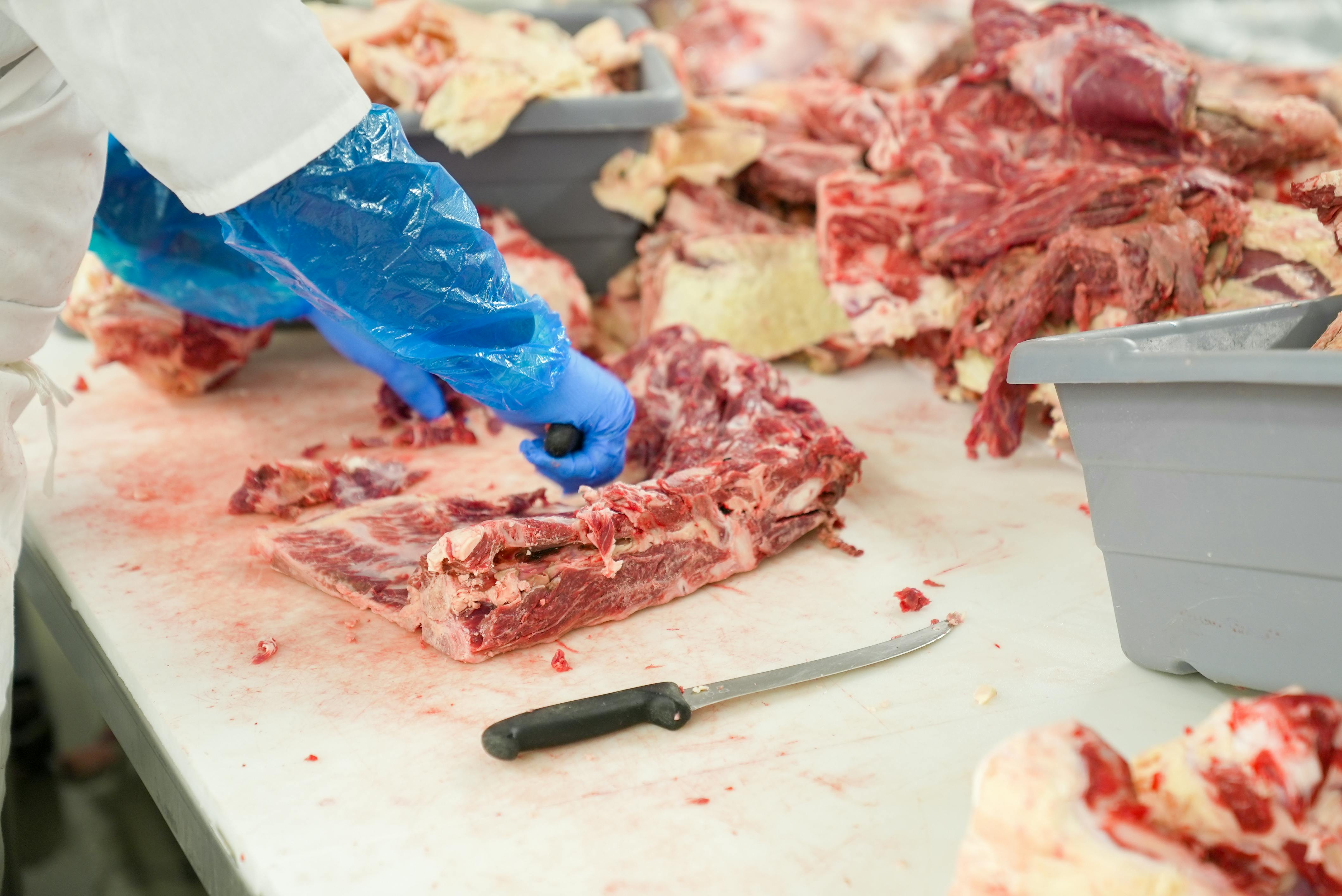
For rural Canada, the proposal is about more than paperwork. It touches local slaughter capacity, farm incomes, and whether livestock producers have enough nearby processing options to avoid shipping animals long distances, which adds both cost and stress.
In many regions, processors operate on thin margins and serve a loyal but geographically limited customer base. If interprovincial sales become easier, some plants may be able to justify investments in equipment, staff training, traceability systems, and cold-chain logistics that were previously out of reach because their market was too small.
Farmers have pushed for this kind of flexibility for years, especially after supply chain disruptions exposed the risk of overreliance on a handful of large plants. A broader network of viable regional processors could improve resilience, particularly when weather events, labour shortages, or disease outbreaks interrupt normal production and transport patterns.
The food safety question will decide the outcome
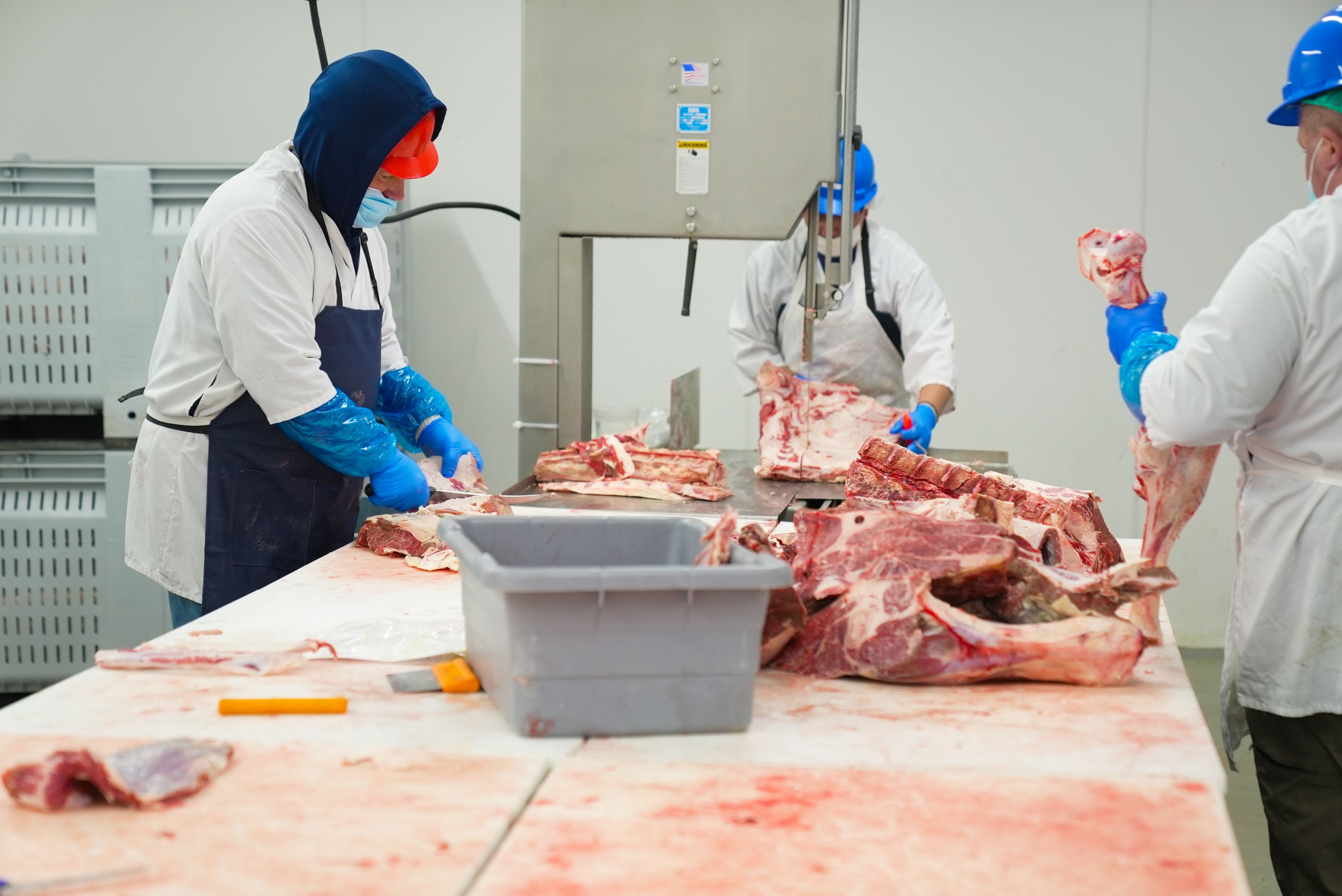
The biggest test for the proposal is public confidence. Any rule that changes meat oversight immediately raises concerns about inspection consistency, recall procedures, labelling accuracy, and whether provinces apply standards with the same intensity and verification tools.
Supporters argue that equivalency does not mean lower standards. It means different systems can be measured against common outcomes such as pathogen control, sanitation, humane handling, recordkeeping, and enforcement. That approach is widely used in trade policy, but applying it inside Canada can still be politically sensitive because food safety failures carry heavy consequences.
Critics, however, are likely to ask who bears responsibility if something goes wrong after meat crosses into another province. Clear answers on audits, data sharing, traceability, and recall coordination will matter more than slogans. Without those details, even a sensible reform could face resistance from retailers and consumers.
What this could mean for prices and competition

Consumers may wonder whether easier interprovincial trade will lower grocery bills. The honest answer is that any price effect will probably be uneven. Meat prices are driven by feed costs, transport, labour, energy, and broader inflation, so one regulatory change will not suddenly transform supermarket pricing.
Still, the rule could improve competition at the margins. If more regional processors can sell into neighboring provinces, buyers may gain alternatives to dominant suppliers in certain categories, particularly specialty cuts, local brands, and culturally specific products that do not always fit large national distribution models.
There is also a strategic angle for provincial economies. A plant near a border could potentially serve nearby communities in another province more efficiently than a distant federally inspected facility. In that sense, the proposal is as much about practical geography as it is about regulation.
What happens after the consultation closes

Once the August 26 consultation window ends, Ottawa will review submissions and decide whether to refine, delay, or advance the rule. Industry associations, provincial ministries, food safety experts, and consumer advocates are expected to focus on the operational details that determine whether the reform is workable in practice.
The government will need to show that reduced trade friction and strong oversight can coexist. If it succeeds, the result could become a model for tackling other internal barriers that have frustrated businesses for decades. If it fails, the proposal may join a long list of well-intentioned reforms that stalled when implementation proved harder than the headline promise.
Either way, this is not a niche policy debate. It sits at the intersection of food affordability, regional economic development, federal-provincial coordination, and consumer trust. That is why a seemingly dry deadline on August 26 deserves much closer attention than it might first appear to warrant.




Leave a Reply