
Rice is one of the most trusted foods on the dinner table. That is exactly why the latest research is getting so much attention.
Why researchers are focusing on rice
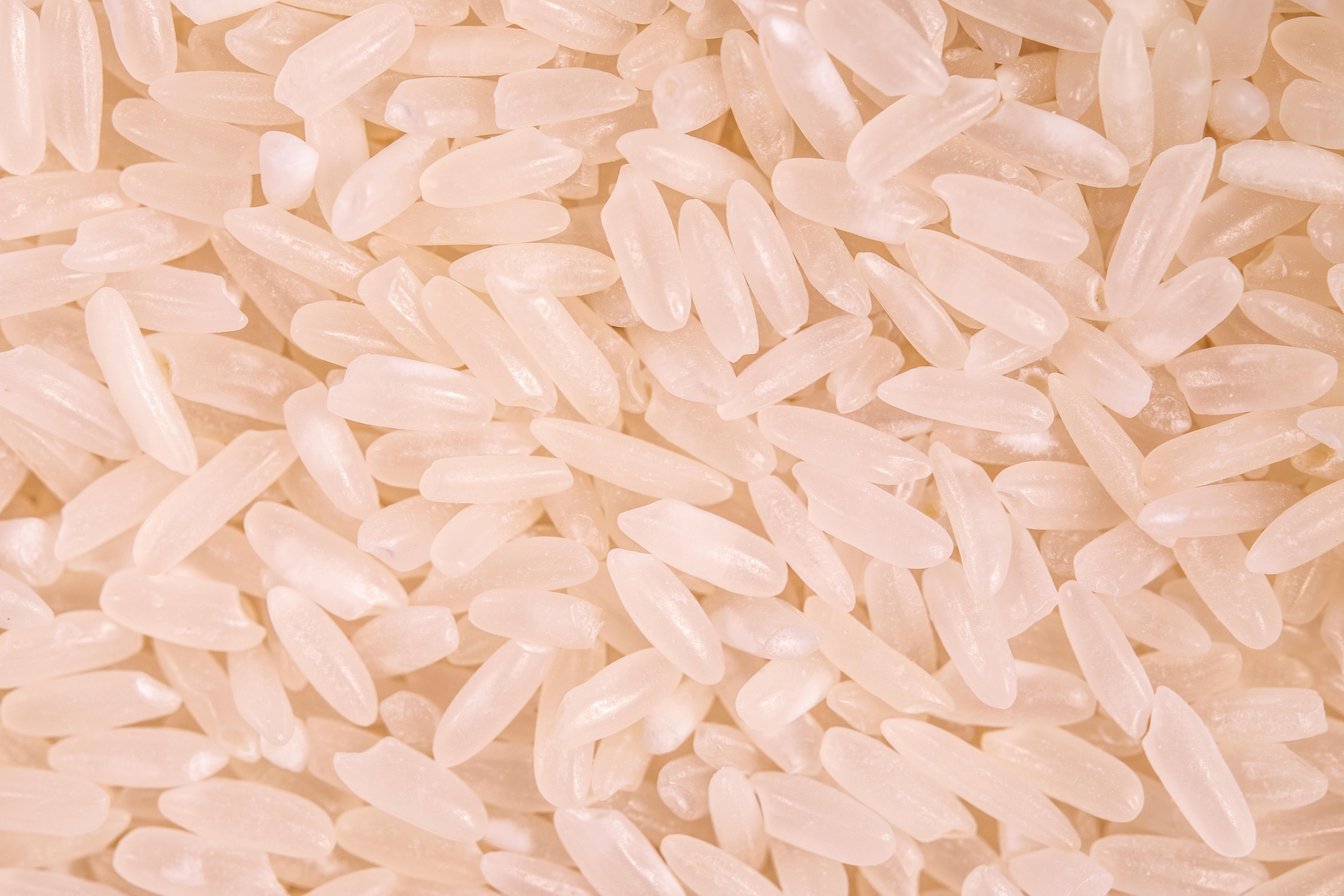
What makes this story important is that rice is not a niche product. It feeds billions of people every day and appears in everything from side dishes to baby snacks. Because it is eaten so often, even low-level contamination can matter over time.
Recent studies from university and public health researchers have examined arsenic, cadmium, lead, and mercury in rice sold in major markets. Arsenic has received the most scrutiny because rice absorbs it more readily than many other crops. That happens partly because it is often grown in flooded fields, where arsenic in soil and water becomes easier for the plant to take up.
Scientists have long known about this issue, but newer work is sharpening the picture. Some reports have found that brown rice can contain more arsenic than white rice because the outer layers of the grain remain intact. Those layers hold valuable nutrients, yet they can also retain more contaminants.
What the new findings actually show

The key detail is that not every rice product tests the same. Newer surveys have found wide variation based on where the rice was grown, how it was processed, and whether it was turned into products such as cereal, crackers, or infant foods. That means risk depends heavily on the product in question.
Several analyses published in recent years found inorganic arsenic, the more harmful form, in both plain rice and rice-based processed foods. Consumer safety groups have also flagged products marketed to young children, including teething biscuits and puffed snacks. Babies and toddlers are a major concern because they eat less food overall, so contaminants make up a larger share of their intake.
The broader message from experts is not that a single serving is toxic. Instead, concern centers on repeated exposure over months and years. Long-term intake of arsenic has been linked to higher risks of certain cancers, cardiovascular disease, developmental effects, and problems involving the nervous system.
Why hidden toxins end up in an everyday food

The story starts in the ground. Arsenic occurs naturally in some soils, but industrial activity, mining, and the past use of arsenic-based pesticides have also added to environmental levels in some farming regions. Once present in irrigation water or sediment, it can enter the rice plant during growth.
Rice is especially vulnerable because of the way it is cultivated. Flooded conditions help suppress weeds, yet they also alter soil chemistry in ways that release arsenic into forms roots can absorb more easily. Other grains such as wheat and barley are generally grown differently, which is one reason they often contain less arsenic.
Processing can also shape exposure. Brown rice keeps the bran layer, which boosts fiber and micronutrients but may also increase arsenic content. Rice flour, syrups, and concentrated snack products can further complicate the picture because they may use rice ingredients in forms people do not immediately notice.
Who may face the greatest risk

Young children are at the front of the line when experts discuss vulnerability. Their smaller bodies, developing organs, and limited diets make them more sensitive to contaminants. That is why pediatricians and food safety specialists often advise variety rather than relying heavily on rice cereal or rice-based snacks.
Pregnant women are another group worth noting. Exposure to toxic metals during pregnancy is closely watched because of possible effects on fetal development. Families who eat rice multiple times a day, whether for cultural, economic, or dietary reasons, may also face higher cumulative exposure than occasional consumers.
People following gluten-free diets can be especially affected because rice often becomes the default substitute in breads, pasta, crackers, and desserts. In that setting, exposure may come not just from a bowl of rice, but from several rice-based foods consumed throughout the day without much awareness.
What consumers can do right now
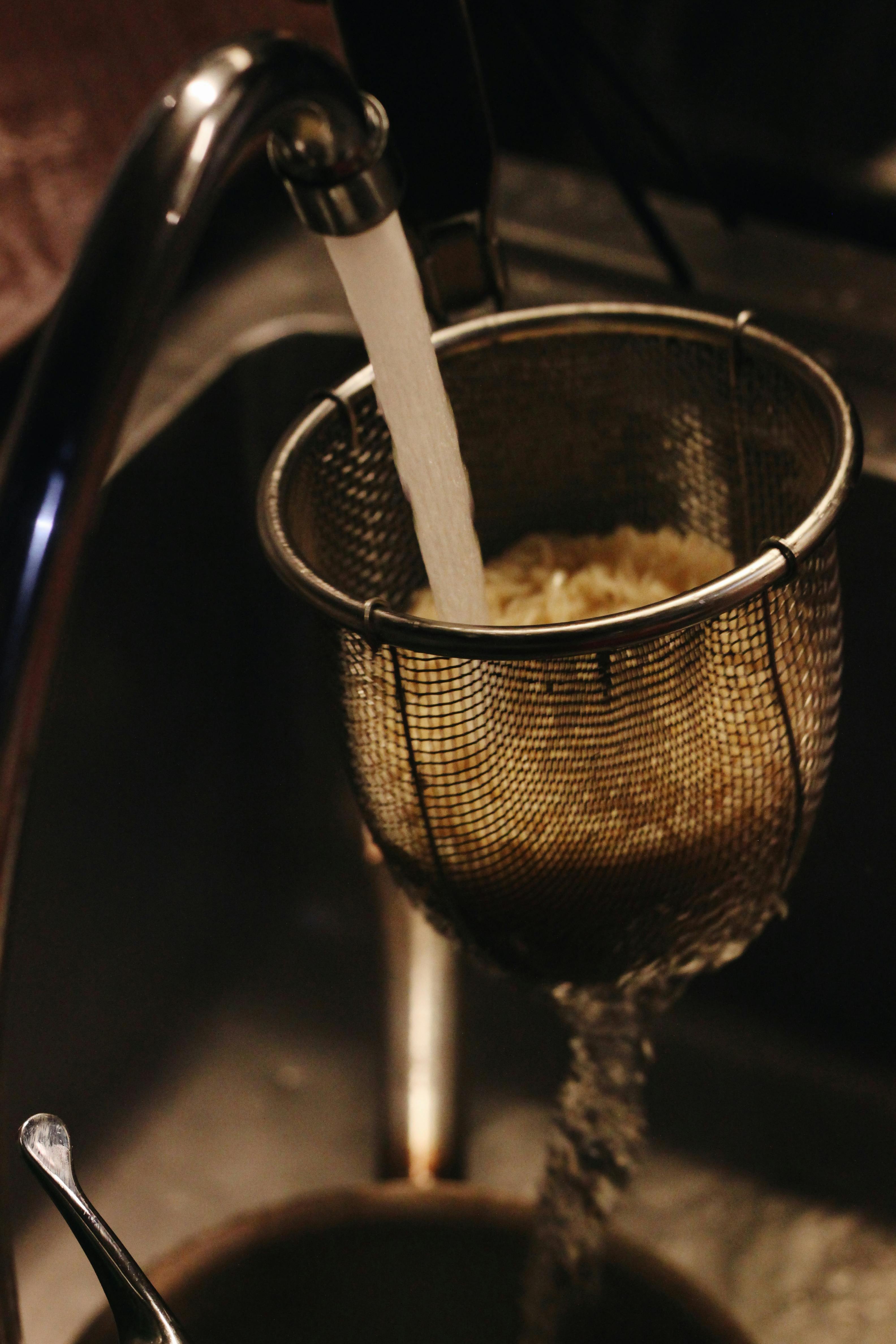
The reassuring news is that practical steps can reduce exposure. One of the simplest is dietary variety. Swapping in grains such as quinoa, barley, farro, bulgur, or oats can lower repeated intake from a single source while adding nutritional diversity.
Cooking methods matter too. Research has shown that rinsing rice and cooking it in extra water, then draining the excess, can lower arsenic levels, though the amount removed varies. Choosing white rice over brown rice may reduce arsenic in some cases, even if brown rice offers other nutritional benefits.
It also helps to pay attention to rice-based foods for children. Health agencies have encouraged parents to vary infant grains and snacks rather than leaning too heavily on rice products alone. Reading labels carefully can reveal how often rice ingredients appear in foods that otherwise seem unrelated.
What this means for food safety going forward

The larger issue is not consumer panic but better oversight. Researchers and advocacy groups have pushed for stricter limits on arsenic and heavy metals in rice and rice-based foods, especially products intended for infants and toddlers. Some regulatory agencies have already issued guidance, but critics say standards remain uneven and too narrow.
Farm-level solutions are also part of the conversation. Scientists are studying irrigation changes, soil management, and rice varieties that absorb less arsenic. These efforts matter because the safest long-term answer is reducing contamination before grain ever reaches store shelves.
For shoppers, the takeaway is balanced and clear. Rice remains an important food, but the new findings are a reminder that even familiar staples deserve scrutiny. Smarter farming, stronger regulation, and more informed eating habits can all help reduce the hidden toxin problem without removing rice from the menu.




Leave a Reply