
Few fast-food items are as recognizable as the Big Mac. That is exactly why criticism of it tends to grab attention.
The claim that put the Big Mac in the spotlight

When former McDonald's corporate chef Mike Haracz commented on menu choices, his warning about the Big Mac stood out because it challenged one of the chain's most iconic products. He did not suggest that the burger was unsafe or somehow off-limits. His argument was much simpler and, to many diners, more surprising.
Haracz's point was that the Big Mac is often not the best-tasting burger on the menu. In his view, the sandwich's structure can throw off the balance between beef, bread, sauce, and toppings. That matters because people often order it out of habit, branding, or nostalgia rather than because it delivers the strongest overall bite.
His comments resonated because they came from someone who understood McDonald's operations from the inside. A former corporate chef knows how sandwiches are designed, assembled, and tested. That gives weight to a criticism that might otherwise sound like ordinary internet opinion.
Why the burger's design is part of the problem
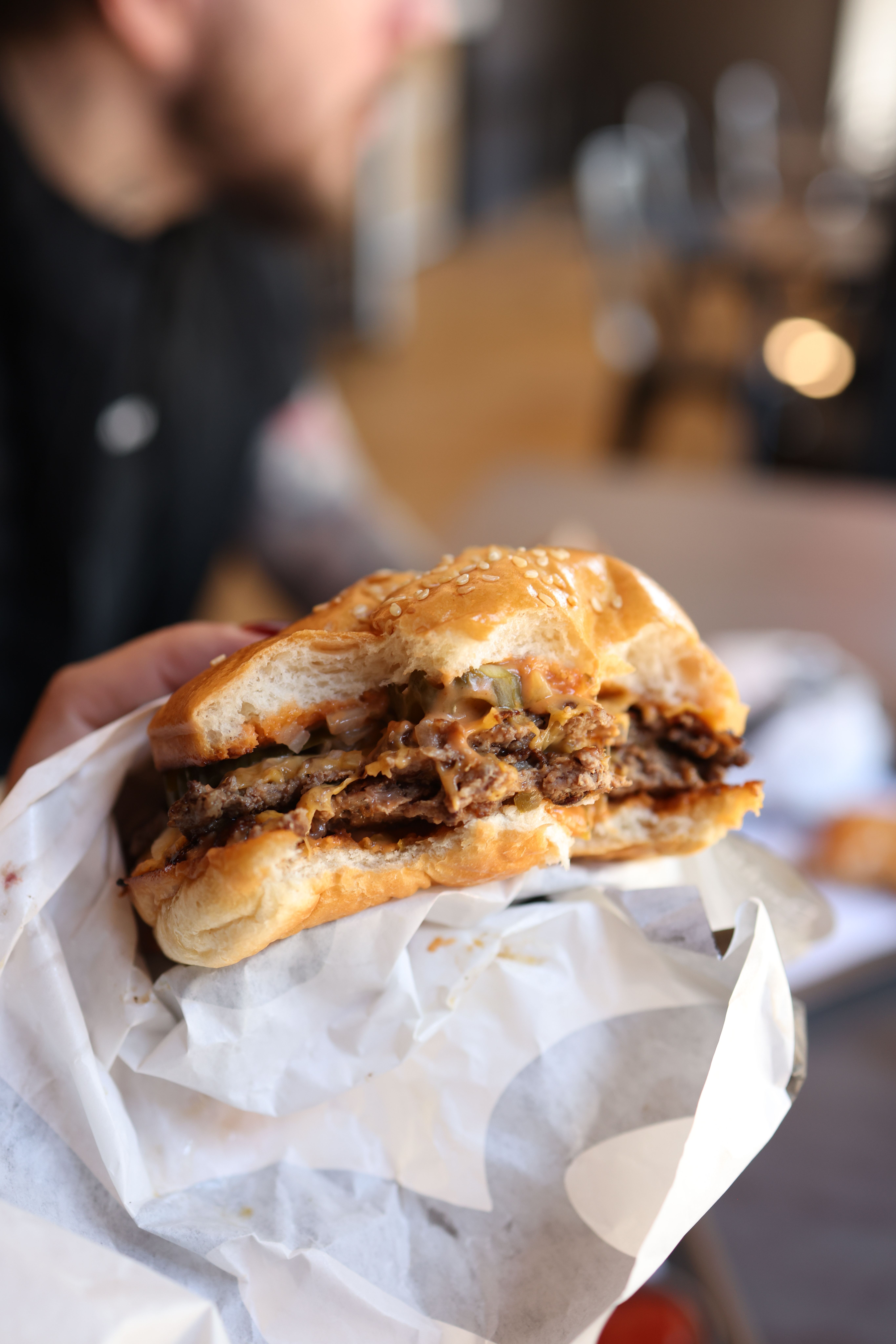
At first glance, the Big Mac seems generous: two beef patties, lettuce, pickles, onions, cheese, special sauce, and the signature three-piece bun. But that middle bun, often called the club layer, is exactly where some critics believe the sandwich loses momentum. It adds extra bread without adding much flavor.
The beef patties themselves are relatively thin, which means the burger can feel more like a bread-and-sauce sandwich than a beef-forward one. For diners expecting a hearty burger, that can be a letdown. The ratio is especially noticeable compared with quarter-pound options that deliver a thicker, juicier bite.
Texture also plays a major role. The shredded lettuce and extra sauce can make the sandwich messy and sometimes soggy if it sits even briefly before eating. In fast food, where speed and consistency matter, a burger that declines quickly after assembly is at a disadvantage.
Freshness and assembly can affect the experience
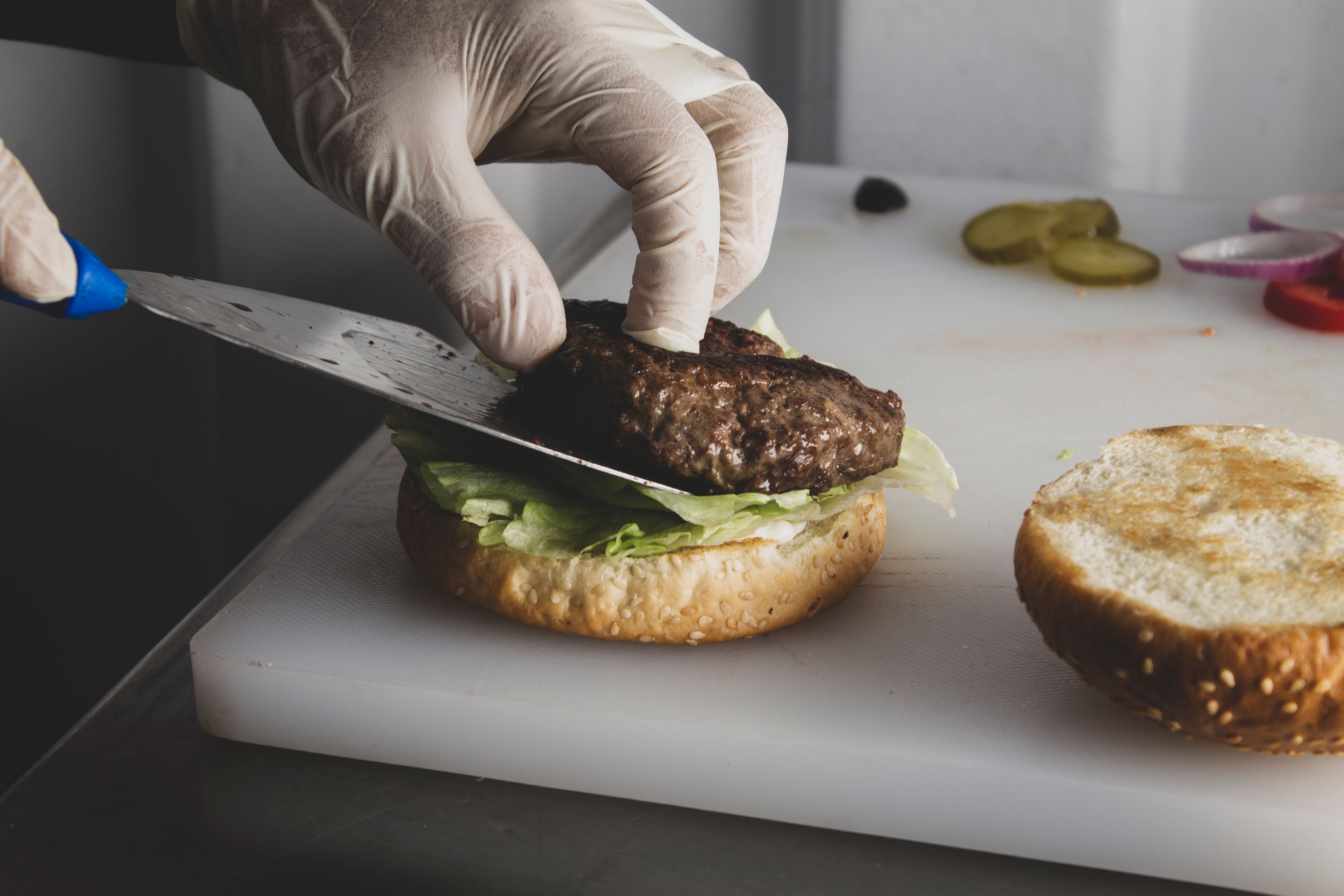
One practical issue with the Big Mac is that it depends heavily on careful assembly. Because it has more layers than a standard cheeseburger, there are more chances for ingredients to slide, clump, or distribute unevenly. A poorly built Big Mac can taste very different from a well-made one.
Sauce placement is another factor. Too much sauce can overwhelm the patties and soften the bun, while too little removes the flavor many customers associate with the sandwich. That narrow margin makes consistency difficult, especially during busy meal rushes when speed takes priority.
Former employees and fast-food analysts have often noted that simpler menu items tend to hold up better. A plain cheeseburger or a Quarter Pounder is harder to assemble incorrectly and easier to serve hot. In that sense, the Big Mac's complexity may work against it.
The better-value argument behind skipping it
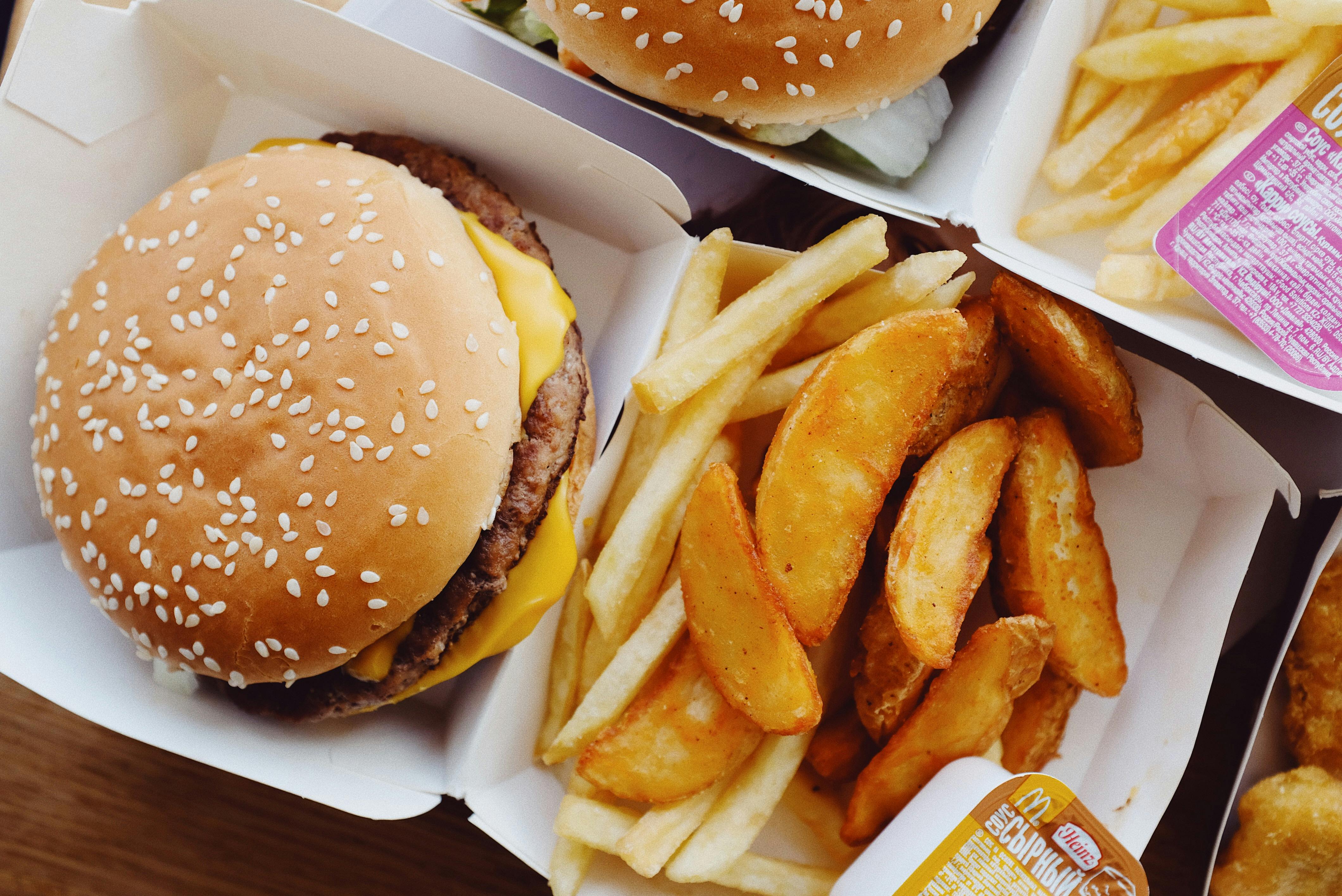
Price is another reason some insiders steer customers away from the Big Mac. In many markets, it costs noticeably more than smaller burgers while still using the chain's regular thin patties. Customers may be paying a premium for branding and signature sauce rather than for more satisfying meat or cheese.
That value question becomes sharper when comparing it with a Double Cheeseburger or a Quarter Pounder with Cheese. Those alternatives often provide a more direct, beefier flavor and can be easier to customize. Many regular customers believe they offer better satiety per dollar.
Menu strategy matters too. Flagship products are often designed to represent the brand, not necessarily to be the smartest buy. The Big Mac's fame gives it enormous marketing power, but popularity and value are not always the same thing.
Why many people still order it anyway
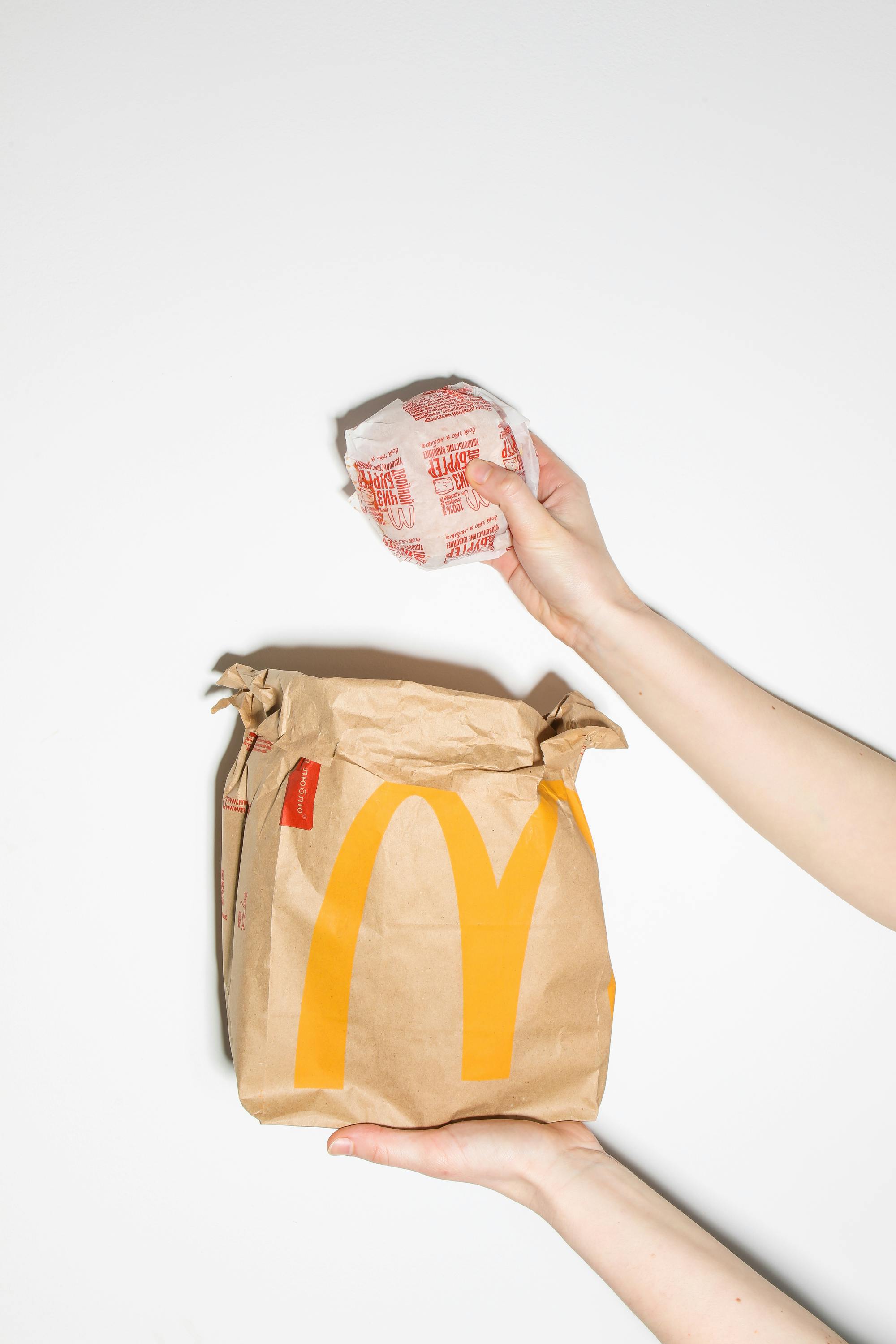
Despite the criticism, the Big Mac continues to sell because it carries an identity few sandwiches can match. For many people, ordering one is about ritual as much as flavor. It is the burger they grew up seeing in commercials, on road trips, and in pop culture.
That familiarity has real commercial power. McDonald's has spent decades making the Big Mac a symbol of the brand, and symbols are hard to dislodge. Even people who prefer other burgers may still return to it because it feels like the classic McDonald's experience.
There is also the sauce factor. Some customers genuinely love the tangy, creamy taste of the special sauce and see it as the burger's main draw. For those diners, the Big Mac is less about perfect meat-to-bun ratio and more about getting that specific flavor combination.
What to order instead, according to the logic behind the advice

If the goal is stronger flavor, better texture, and more dependable value, the alternatives are fairly clear. A Quarter Pounder with Cheese is often the first recommendation because its thicker patty creates a more balanced burger. The beef stands out, and the sandwich generally feels less bready.
A Double Cheeseburger is another smart option for budget-conscious diners. It delivers two patties, melted cheese, and a simpler build that tends to travel and hold heat better. Because there are fewer layers, each bite is usually more consistent from start to finish.
In the end, the advice to skip the Big Mac is not a warning about danger. It is a critique of design, balance, and value from someone who knows how fast-food menus are built. For many customers, that may be reason enough to look past the icon and choose a better burger.




Leave a Reply