
The pressure is building across rural Ontario. Farmers say the issue is not one rule or one tax bill, but a system that keeps adding costs while offering little flexibility.
Why farmers say regulation has crossed the line

For many Ontario producers, the complaint starts with duplication. A farm selling meat, eggs, produce, or dairy may face federal standards, provincial inspections, commodity board rules, municipal bylaws, and buyer-driven audits all at once. Farmers say the goal of food safety is not in dispute, but the repeated paperwork, record-keeping, and inspection demands often cover the same ground.
That overlap matters because compliance takes time away from production. Small abattoirs, farm-gate processors, and local food businesses often need dedicated staff just to manage logs, labels, sanitation plans, and traceability forms. Larger operations can spread those costs across more sales, but smaller farms say every new layer lands directly on already narrow margins.
Farm groups have argued for years that a risk-based system would work better. In their view, a low-volume local processor should not face the same administrative burden as a massive industrial supplier if the public health risk is different. They say overregulation does not just raise costs. It can also discourage new entrants and reduce local food options.
Food safety rules are costly even when farms agree with them

The strongest criticism from farmers is not that food safety is unnecessary. Most producers readily say inspections, sanitation protocols, and disease controls are essential to public trust and to export credibility. The dispute is about how rules are designed, how often they change, and who pays for the upgrades needed to comply.
Consider what compliance can mean in practice. A processor may need new stainless equipment, separate wash stations, upgraded drainage, temperature-monitoring systems, pest-control contracts, and detailed employee training. If one standard changes, the business may have to reinvest before earlier upgrades have been paid off.
Farmers also point to private certification programs required by major retailers. These can mirror public regulations while adding separate audit fees and documentation demands. From the farmer's perspective, the result is a stacked compliance model where public and private systems both require proof, both cost money, and neither necessarily replaces the other.
The tax complaint centers on land-rich, cash-tight businesses
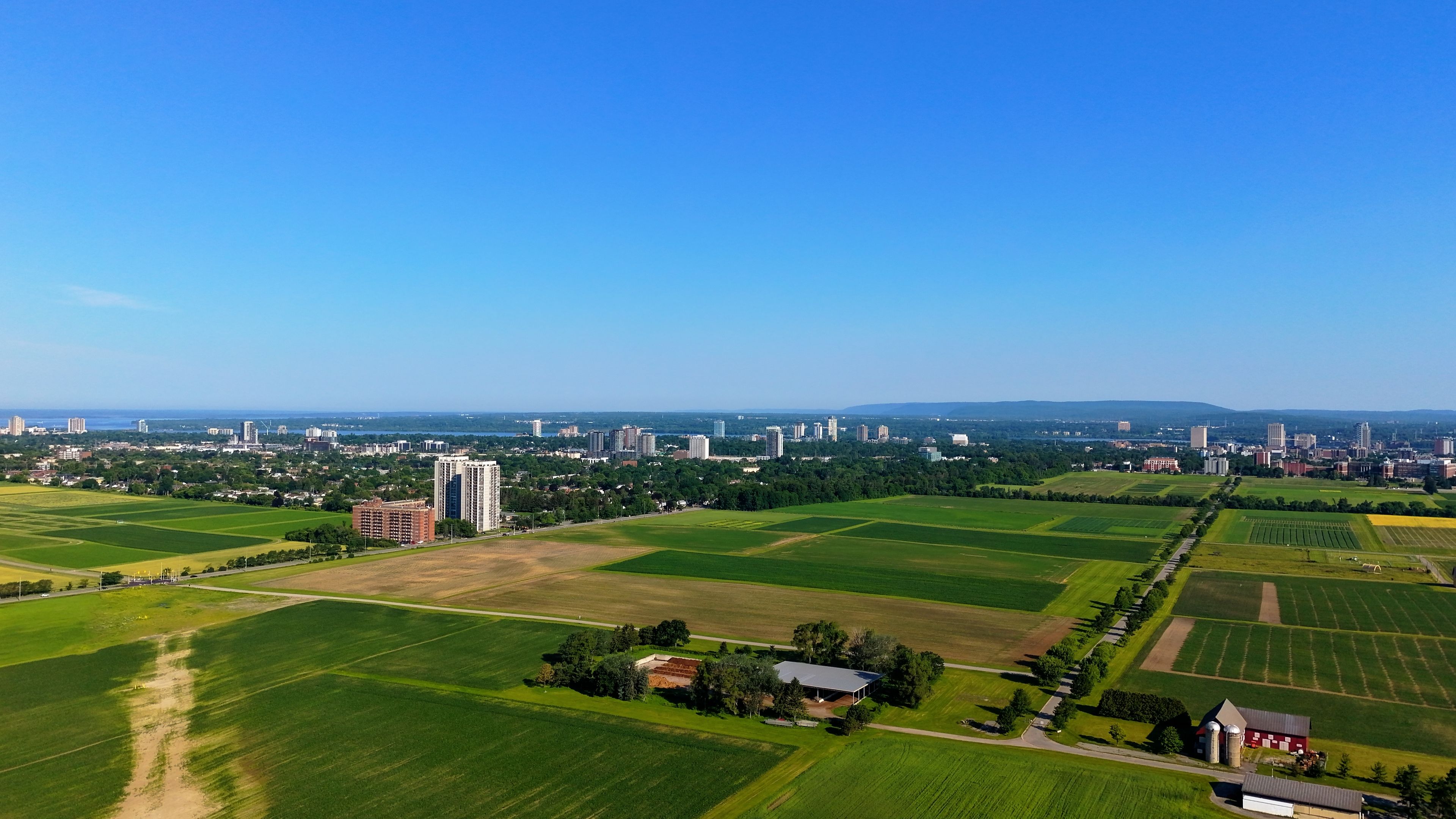
Taxes are the second half of the grievance, and the language from farmers is blunt. Many describe property taxes as astronomical because farmland values have risen sharply while farm income has not kept pace. A family may appear asset-rich on paper because land prices climbed, yet remain cash-tight after equipment payments, feed bills, fuel, labour, and interest costs.
In Ontario, farmers often argue that the tax system does not fully reflect the volatility of agriculture. Weather shocks, disease outbreaks, and commodity price swings can erase expected income in a single season. Unlike some other businesses, farms cannot simply move production, shrink floor space, or pause major costs when markets turn against them.
The concern grows near expanding suburbs, where development pressure can push up assessed values. Farmers in those regions say they are taxed in an environment shaped by urban land demand, even though their operating returns come from agriculture. That gap, they argue, creates a serious fairness problem for long-term farm viability.
Smaller farms say the burden hits them hardest
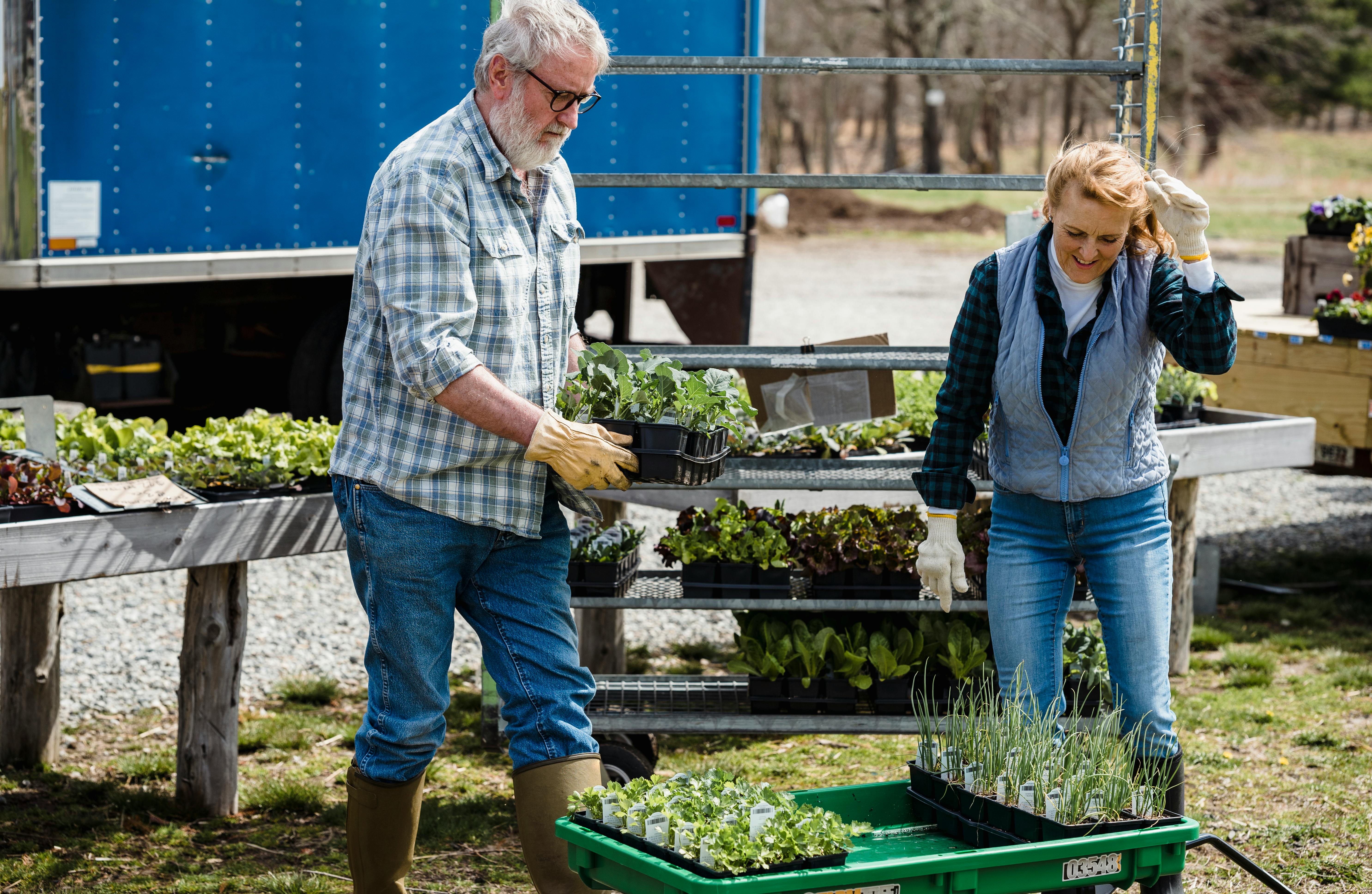
The sharpest effects are often felt by smaller and medium-sized farms serving local markets. These businesses may sell through farmers' markets, independent grocers, community programs, or direct farm-gate channels. Consumers often praise that model, but farmers say policy frameworks still tend to favour scale, standardization, and large-volume distribution.
A large operator may employ compliance managers, accountants, and human resources staff. A smaller farm owner is more likely to juggle those duties personally after a full day in the barn, greenhouse, or field. That means the hidden cost of regulation is not just money. It is also exhaustion, delayed expansion, and less time spent on crop and livestock care.
This pressure can reshape rural economies. When small processors close or decide not to expand, farmers may have to transport animals or products farther for approved handling. That increases fuel costs, reduces local resilience, and can leave consumers with fewer Ontario-grown options despite strong demand for nearby food.
Governments face a difficult balancing act
There is an obvious counterargument, and it carries real weight. Food safety failures can devastate public confidence, harm consumers, and destroy farm businesses overnight. Governments therefore tend to build robust systems with multiple checks, especially after outbreaks or recalls that reveal weaknesses in oversight.
Public officials also note that taxes fund rural roads, drainage systems, emergency services, and inspection capacity that agriculture depends on. From that standpoint, loosening rules or reducing tax pressure is not as simple as eliminating irritation. The challenge is to preserve safeguards while removing needless duplication and recognizing how farm economics actually work.
That is why many farm advocates are calling for smarter regulation, not a regulatory vacuum. They want harmonized standards, one-window reporting, proportional rules for small processors, and tax policies that better reflect farm income rather than land speculation. In policy terms, their argument is about calibration, not abandonment.
What farmers want changed now

Ontario farmers are generally asking for practical reforms rather than sweeping deregulation. They want overlapping inspection regimes aligned, digital reporting simplified, and timelines for facility upgrades made more realistic. They also want governments to consult producers earlier, before rules are finalized around assumptions that fit large industrial models better than diversified family farms.
On taxation, common demands include stronger farm property tax protections, more predictable assessments, and relief in high-pressure development corridors. Some also support targeted credits for food safety investments, especially for small processors and local supply chain businesses. The logic is straightforward: if governments require costly upgrades, they should help keep those businesses viable.
The broader message from farmers is that resilience cannot be built on goodwill alone. Ontario consumers want safe food and thriving local agriculture, and producers say those goals are compatible. But if regulation keeps multiplying and tax bills keep climbing, farmers warn that the province may slowly regulate and tax away the very food system it says it wants to protect.




Leave a Reply