
Canadian snack culture in the 1970s mixed homegrown favourites with products that became part of everyday life from coast to coast. Some were made in Canada, some were sold widely across the country, and all of them left a mark on lunch boxes, after school routines and family grocery trips.
Hostess potato chips
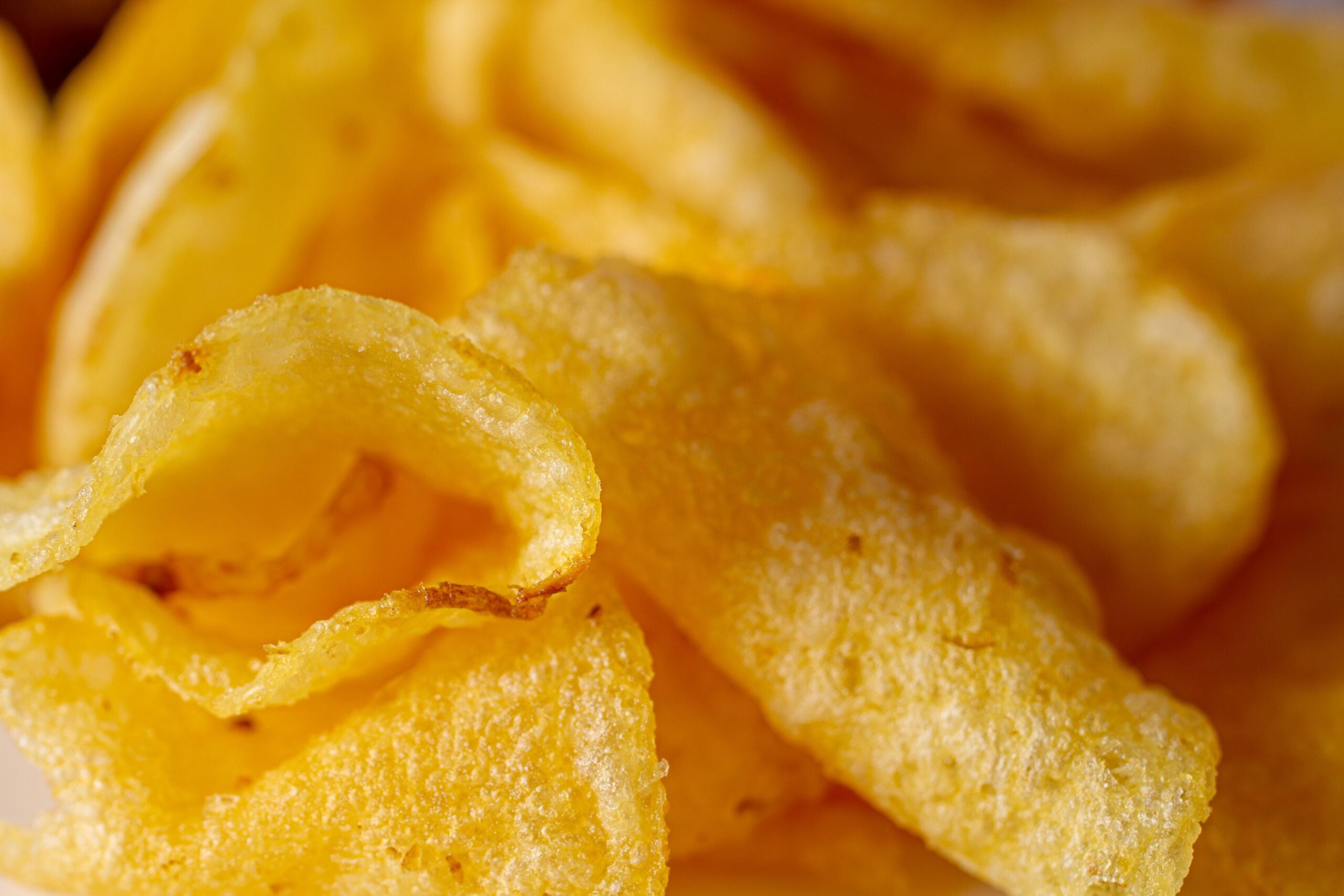
Few snack brands were woven into Canadian life in the 1970s quite like Hostess potato chips. With their bright bags and the well known mascot the Hostess Munchie, they became a staple at parties, hockey nights and school lunches across the country.
Hostess was a Canadian brand, and that mattered. Its chips were marketed directly to Canadian families at a time when national advertising was helping shape a shared pop culture. The company pushed simple flavours such as regular, salt and vinegar, barbecue and ketchup, the last of which became especially tied to Canadian taste.
The brand's popularity was also helped by how widely it appeared. In many communities, a trip to the corner store meant seeing Hostess chips stacked beside chocolate bars and pop in a display that looked much the same from province to province.
Hickory Sticks
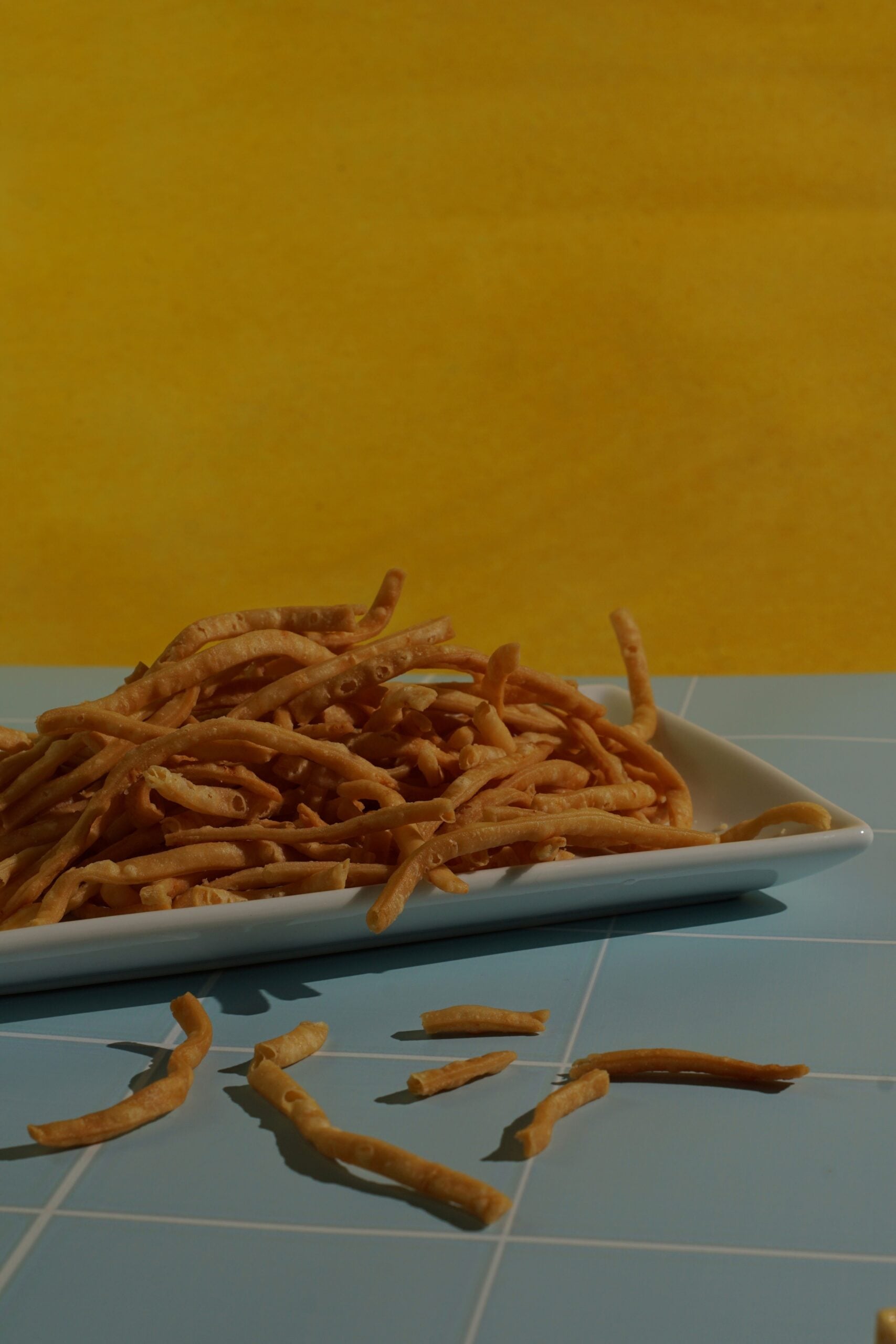
Hickory Sticks stood out because they did not look like ordinary chips at all. Instead of flat potato slices, they came as thin fried potato sticks with a smoky seasoning that made them easy to snack on by the handful.
Made by Hostess in Canada, Hickory Sticks were already a familiar product by the 1970s and fit the decade perfectly. Their shape made them feel a little novel, but their flavour was straightforward and crowd pleasing, which helped them last while many trend driven snacks faded.
They also had a practical advantage. A small bag was easy to tuck into a lunch, and the crisp texture held up well. For many Canadians, the memory is not only the taste but also the sound of the narrow sticks shifting around inside the bag.
Hawkins Cheezies
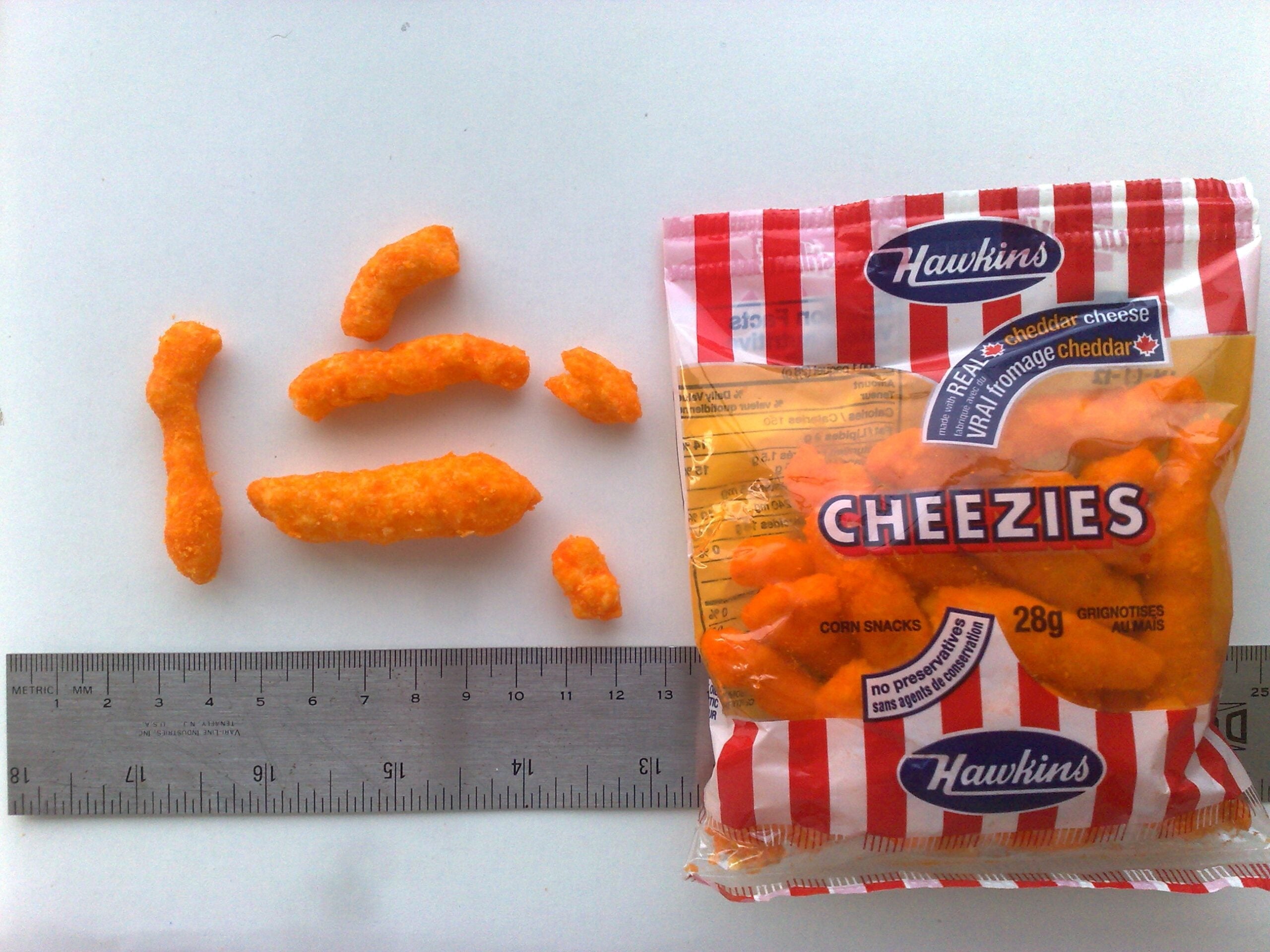
Cheezies had a strong claim to being one of the most distinctively Canadian snacks of the era. Produced by Hawkins, a Belleville, Ontario company founded in 1949, they were made in Canada and sold as a crunchy corn snack with a dense texture that set them apart from softer cheese puffs.
By the 1970s, Hawkins Cheezies were a fixture in stores across much of the country. Their shape was irregular, their orange colour unmistakable, and their seasoning had a sharper cheese taste than many competing snacks. That combination made them instantly recognizable.
Another reason they endure in Canadian memory is continuity. Hawkins has long emphasized that the product is still made in Belleville using a simple process, which gives the brand an old school credibility that lines up neatly with the snack memories many Canadians have from the 1970s.
Jos Louis
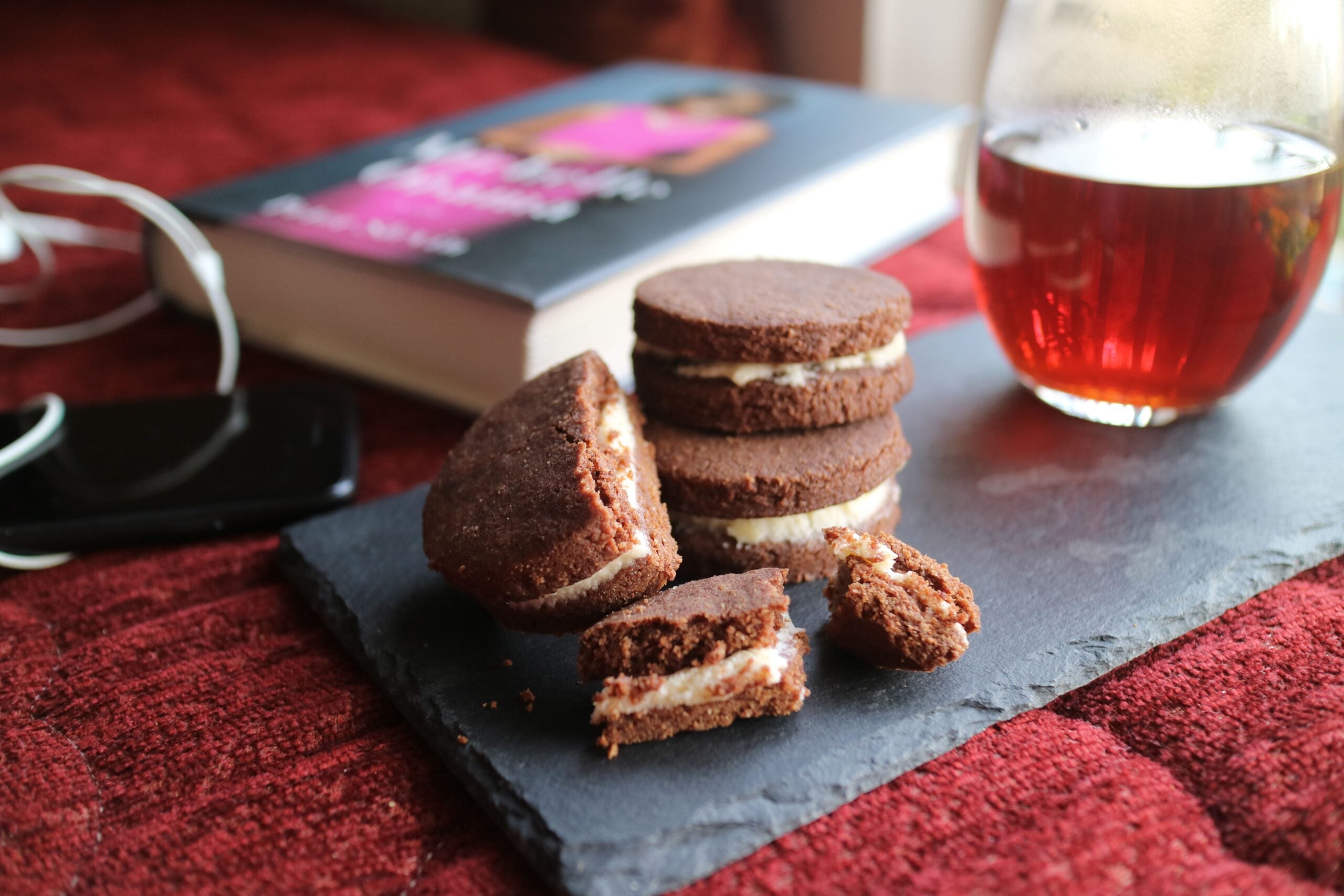
Jos Louis brought cake style snacking into the Canadian mainstream in a big way. Made by Vachon, the chocolate coated snack cake with cream filling and a round shape became one of the company's signature products and a standard lunch box treat in Quebec and far beyond.
Vachon dates back to 1923, and by the 1970s its packaged cakes were deeply established in Canadian households. Jos Louis stood out because it felt more substantial than a simple cookie or wafer bar. It was rich, sweet and easy to recognize even without seeing the wrapper.
Its staying power also says something about regional brands in Canada. Vachon built fierce loyalty, especially in French speaking communities, but products like Jos Louis crossed those lines and became familiar nationwide. In that way, the snack reflects both Canadian regional identity and shared consumer culture.
May West
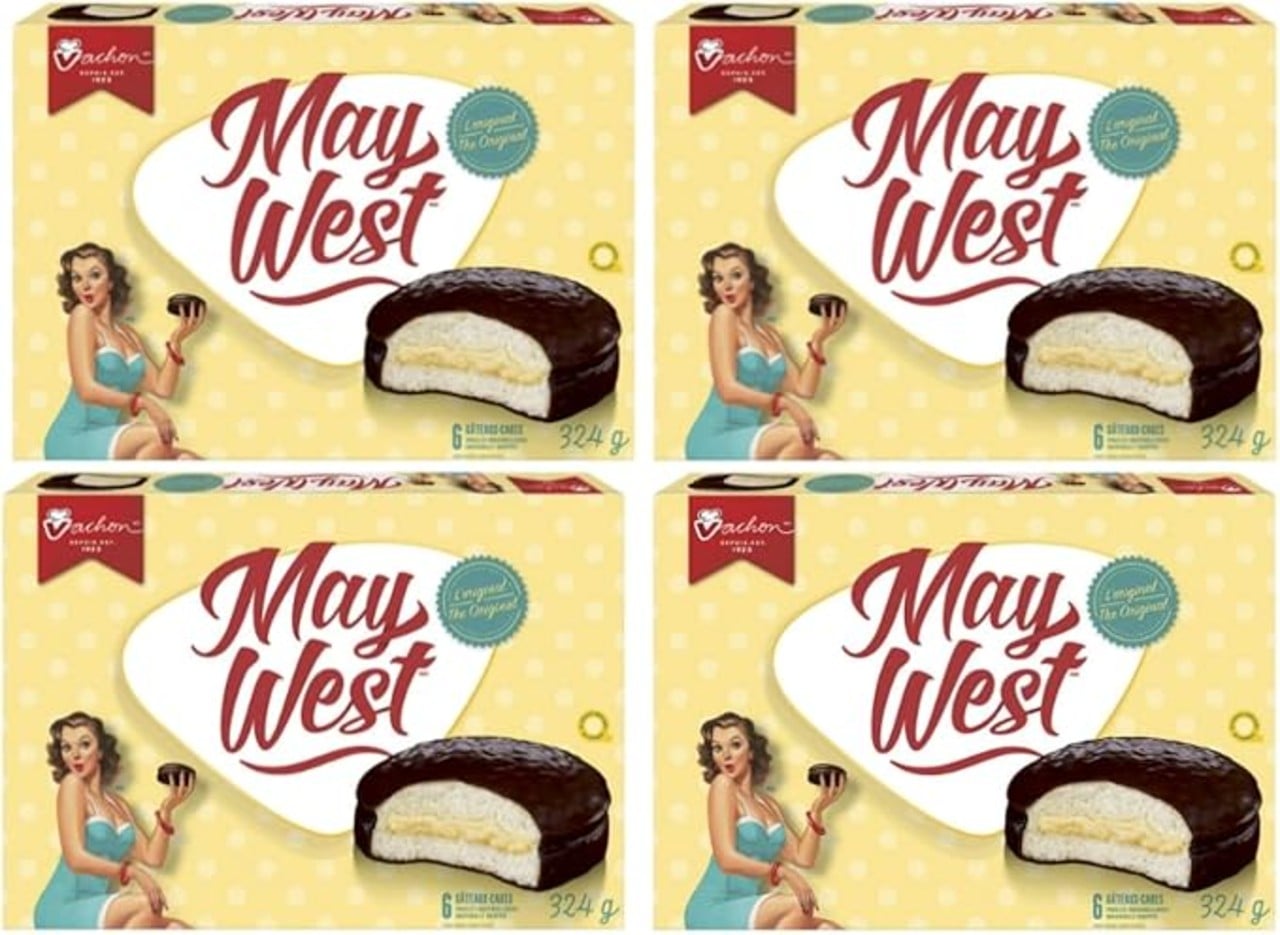
May West was another Vachon product that many Canadians of the 1970s would spot instantly. Unlike the chocolate coated Jos Louis, this snack cake was built around soft golden sponge cake with a cream filling, giving it a lighter look and a very different feel.
The cake had been around for decades before the 1970s, but that decade helped cement its status as a familiar supermarket purchase. It fit perfectly into an era when individually wrapped cakes were becoming common lunch and pantry items for busy families.
What makes May West such a strong memory piece is the way it reflects changing food habits. It sat at the meeting point of bakery tradition and convenience packaging, which was a major story in North American food retail during the postwar decades and into the 1970s.
Coffee Crisp
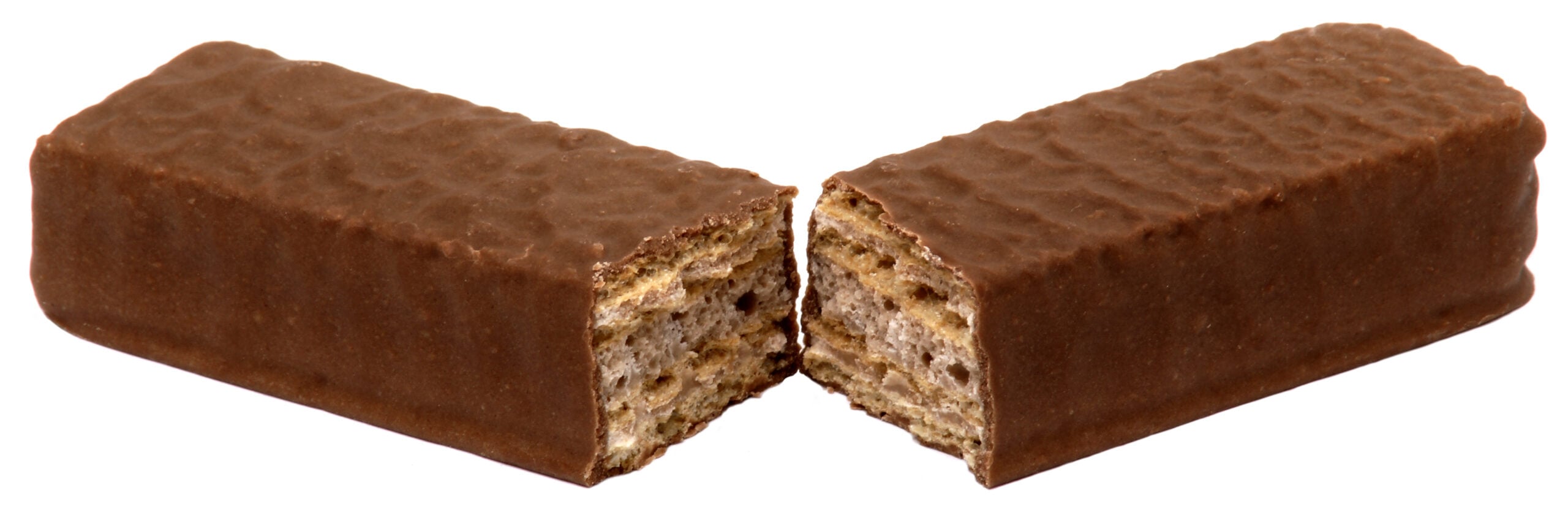
Coffee Crisp captured a flavour combination that felt a little more grown up than many candy bars aimed at kids. Made by Rowntree and later associated in Canada with Nestlé, it paired wafer layers with a coffee flavoured filling and chocolate coating.
The bar had been introduced in Canada well before the 1970s, but it was firmly established by then as a convenience store regular. Its appeal came partly from balance. The coffee note was noticeable but not overpowering, so the bar still worked as a sweet everyday treat.
It also became one of those products that Canadians often identify as especially their own. While not unknown elsewhere, Coffee Crisp developed a distinctly Canadian profile, and that national attachment has helped turn it from a simple candy bar into a marker of snack nostalgia.
Caramilk
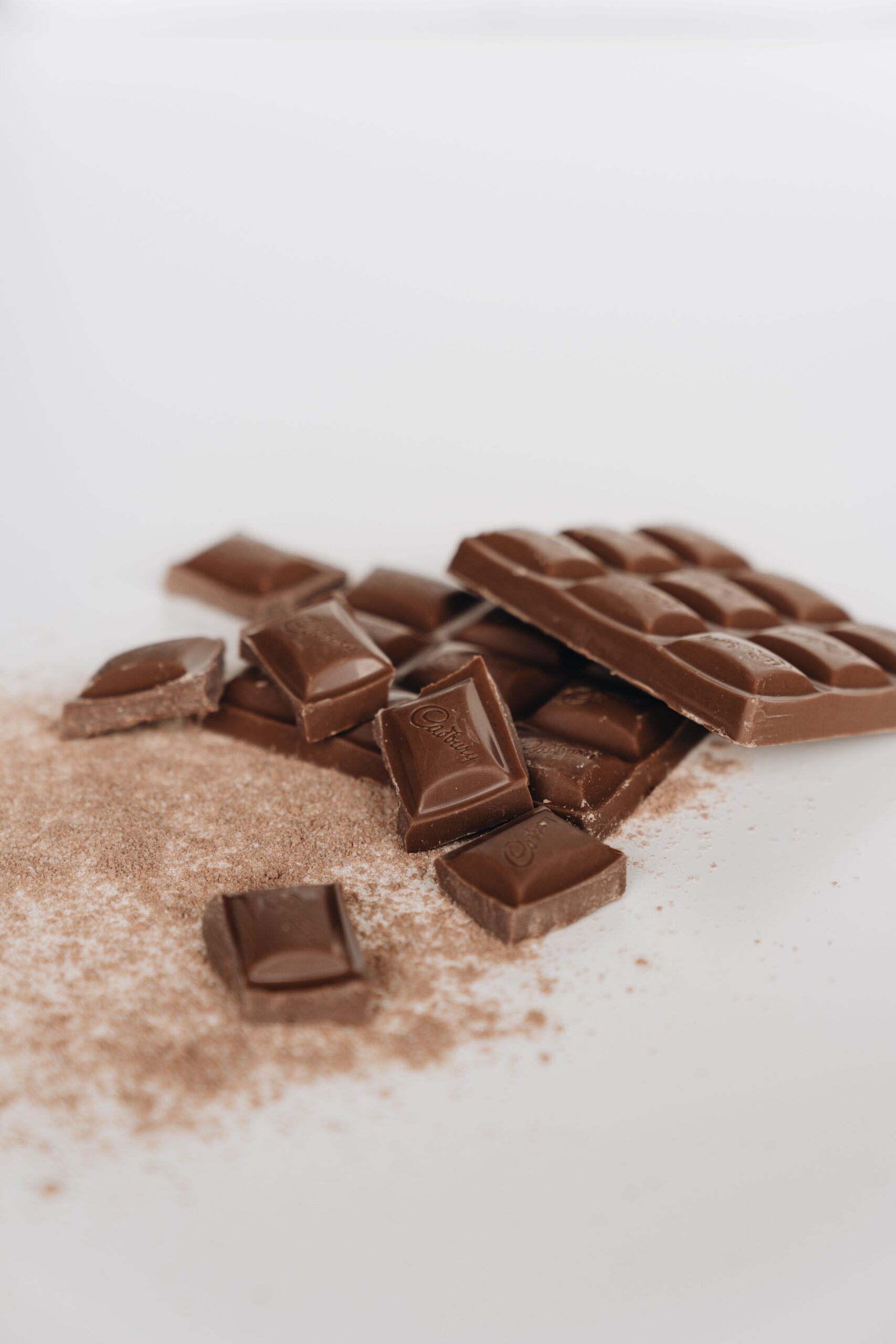
Caramilk was the kind of chocolate bar that people remembered not only for taste but also for the way it broke apart. Its square segments held soft caramel, making it a neat, shareable treat that also felt slightly messy once the filling started to ooze.
Sold in Canada for decades and strongly linked with Cadbury, Caramilk was widely available in the 1970s, when chocolate bars were a routine small indulgence at drugstores, gas stations and neighbourhood shops. The caramel centre gave it a richer profile than a plain milk chocolate bar.
The product also benefited from memorable advertising in later years, but its roots in Canadian snack culture run deeper than commercials alone. For many people who grew up in the 1970s, it was simply one of the bars that was always there, reliable and easy to spot.
Mackintosh's Toffee
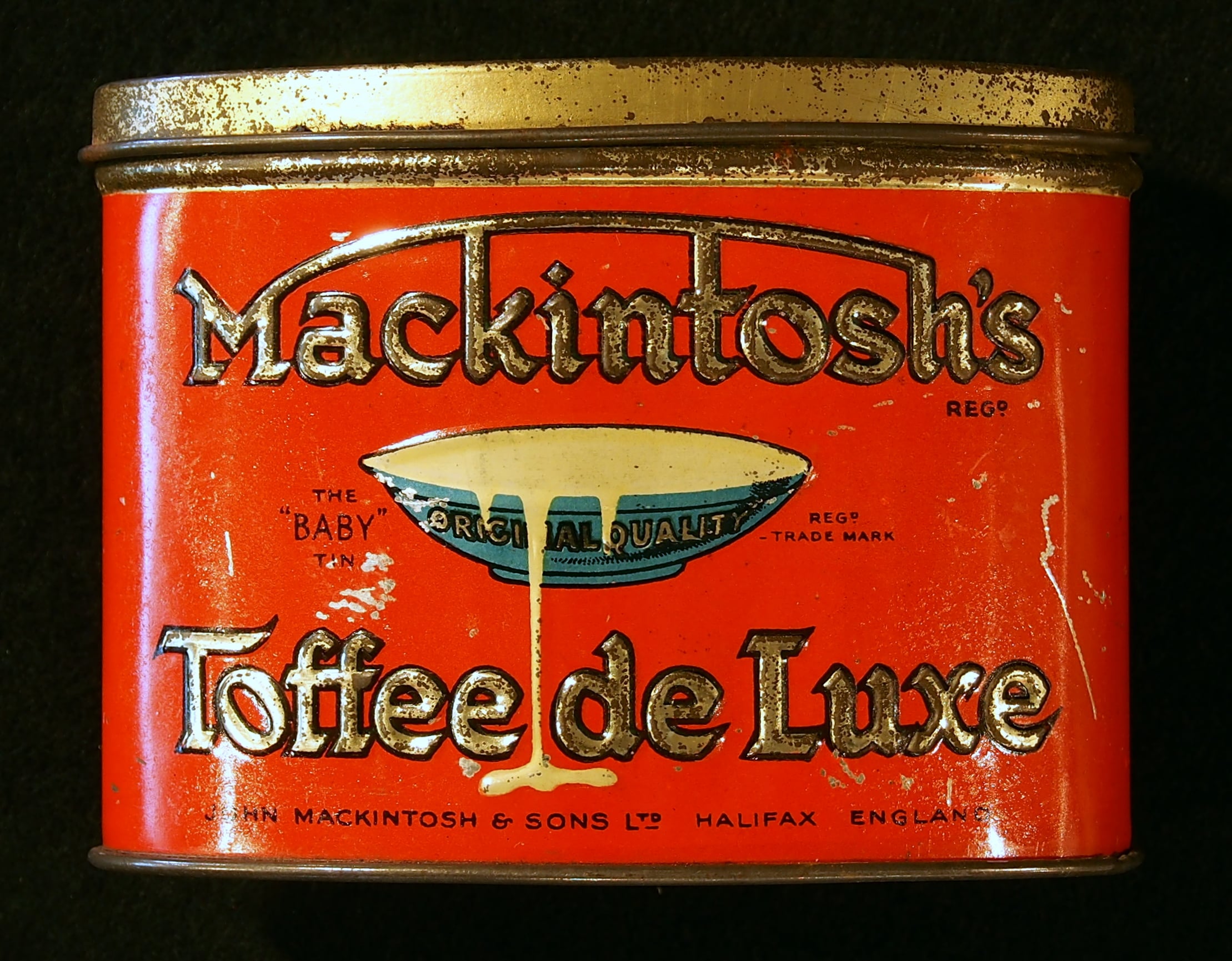
Mackintosh's Toffee represented an older style of sweet that still had real staying power in the 1970s. Sold as a chocolate covered English toffee bar, it had a firmer, chewier bite than many lighter wafer or nougat based chocolate bars.
That texture was part of the point. It was a candy that asked you to slow down, and that made it memorable in a market increasingly crowded with quick, airy and heavily promoted treats. For some Canadians, it felt almost traditional compared with flashier newcomers.
Its long history also helped. Mackintosh products had been known in Canada for generations, so by the 1970s the brand carried a sense of familiarity that newer snacks could not match. That blend of heritage and sweetness kept it in the national snack conversation.
Fudgee-O
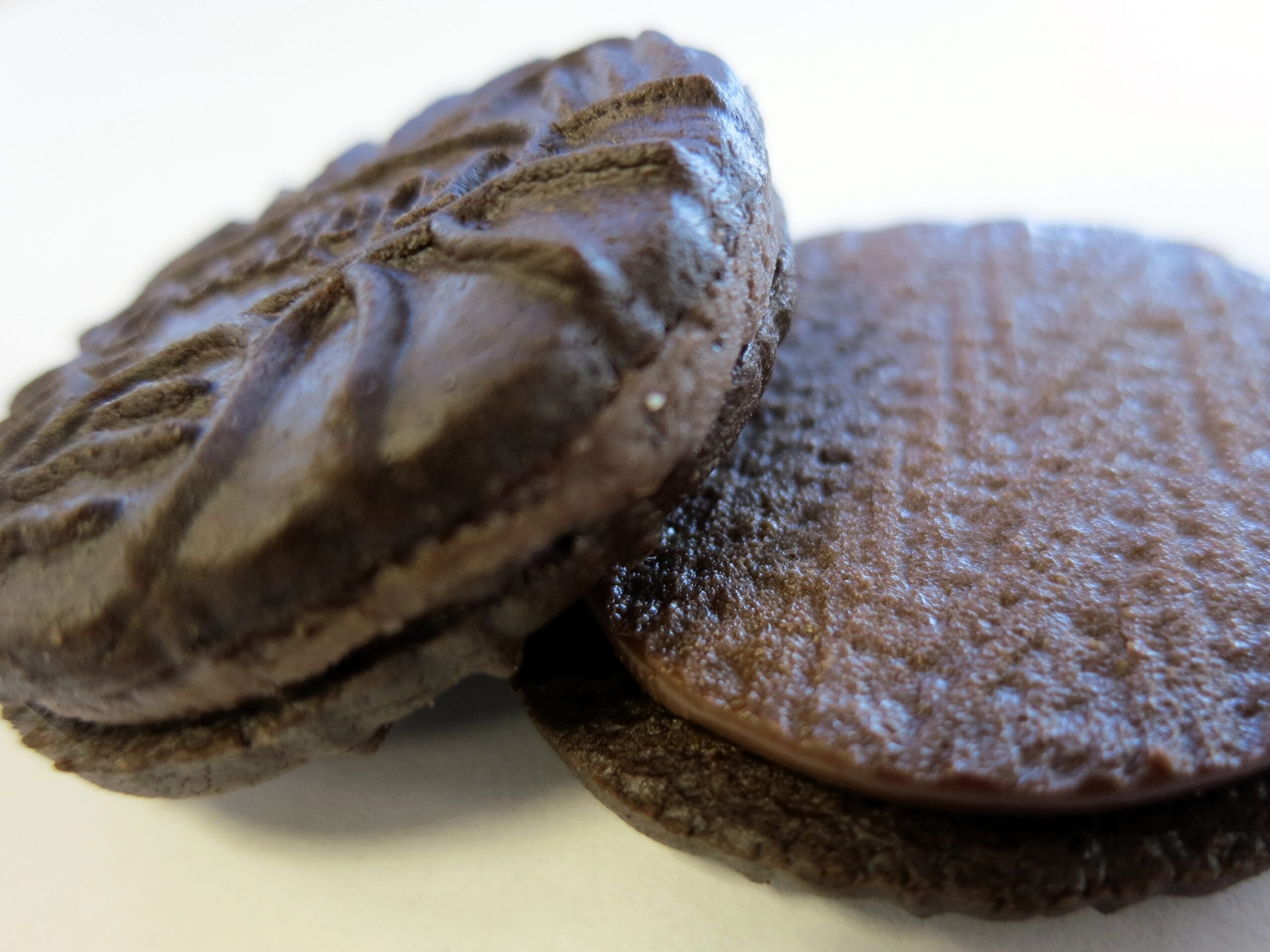
Fudgee-O had a simple formula, but that was part of the appeal. The cookie sandwich combined two crisp chocolate biscuits with a chocolate fudge filling, creating a pantry staple that worked equally well in lunch bags, on plates after supper or straight from the package.
Made by Christie, one of the biggest names in Canadian biscuits, Fudgee-O was already well established by the 1970s. It fit neatly into a decade when packaged cookies were becoming a standard household purchase and brand loyalty often started in childhood.
The product also carried a familiar Canadian grocery store identity. Christie products were deeply rooted in the market, and Fudgee-O became one of those cookies many Canadians remember as ordinary in the best possible sense, always around and always likely to disappear quickly.
Swiss Chalet sauce with fries
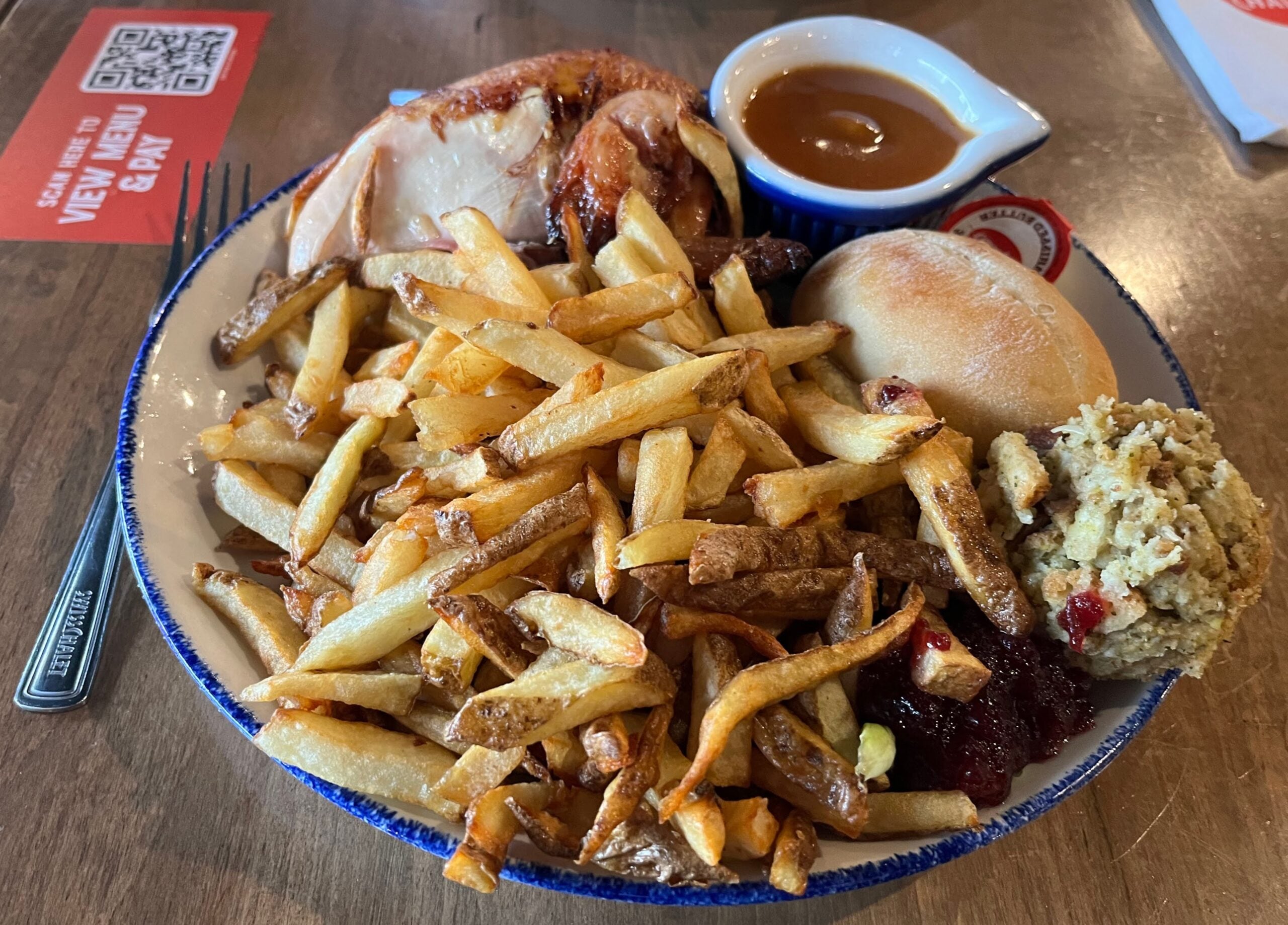
Not every unforgettable snack from the 1970s came in a bag or wrapper. Swiss Chalet, the Canadian restaurant chain founded in 1954, became famous for rotisserie chicken, but for many people its chalet dipping sauce with fries was a snack in its own right.
By the 1970s, Swiss Chalet had expanded well beyond its Toronto beginnings and become a recognizable dining stop in Canada. The sauce, savoury and distinctive, built such a following that it became central to the brand's identity. Paired with fries, it was casual, comforting and easy to crave.
It closes this list well because it shows how broad snack memory can be. For Canadians of the era, snacks were not only packaged foods from a store shelf. They also included restaurant treats that became rituals, repeated so often they felt just as familiar as any lunch box favourite.
Leave a Reply