
Great scrambled eggs are less about fancy ingredients and more about control. Ask enough chefs, and the same advice comes up again and again: turn the heat down.
The small change that makes the biggest difference
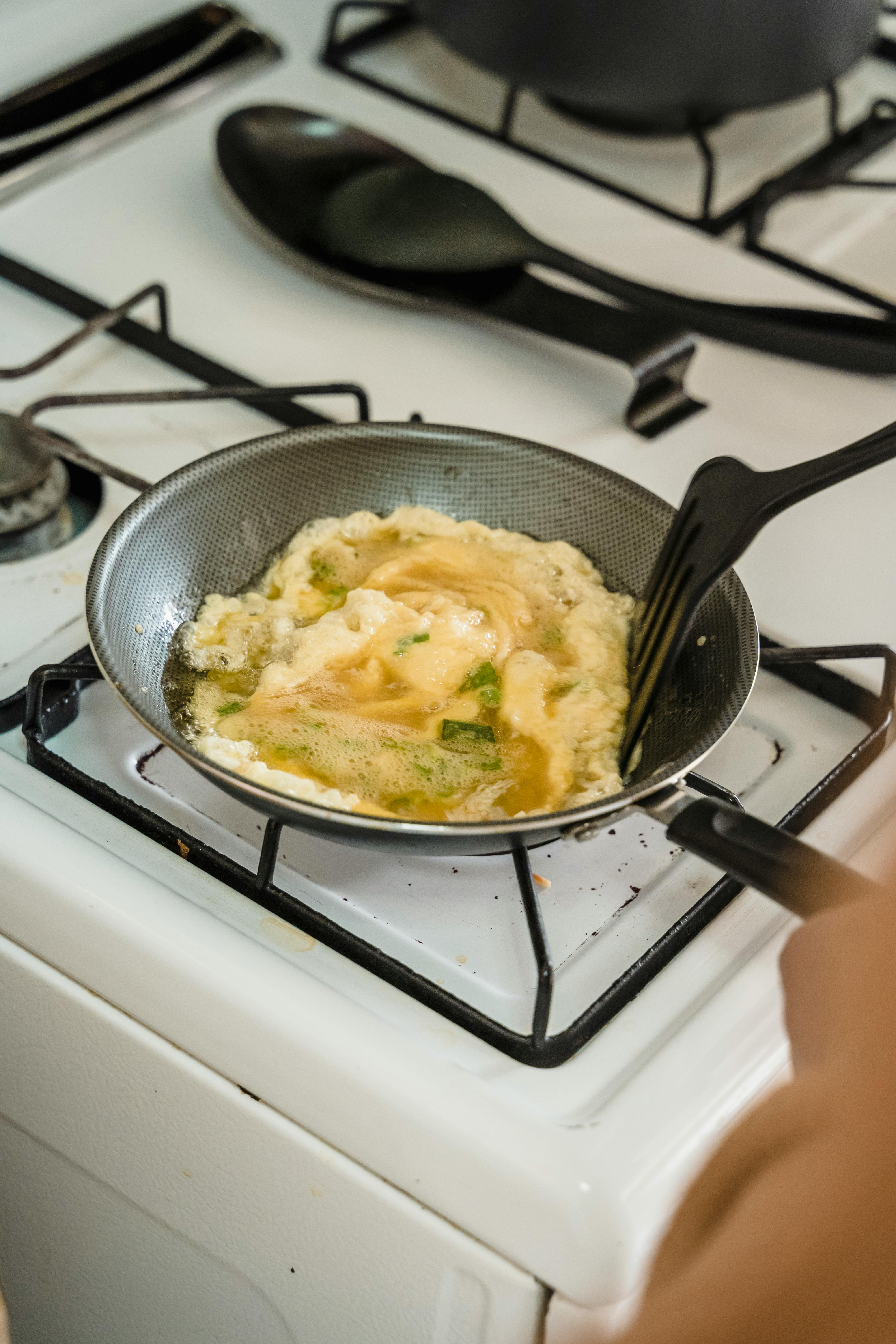
The single most important change for creamier scrambled eggs is cooking them over low heat instead of medium or high. That sounds almost too simple, but it changes everything about how the eggs set. High heat tightens egg proteins quickly, squeezing out moisture and turning soft curds dry or rubbery in minutes. Low heat slows that reaction and gives you a custardy texture instead of a chalky one.
Professional cooks rely on this because eggs are mostly water and protein, and both react fast to temperature. Once the proteins bond too tightly, there is no way to reverse that dryness. Gentle heat keeps those bonds looser, which helps the eggs stay tender and glossy. This is why restaurant eggs often feel richer even when they contain no extra cream at all.
The science supports the practice. Eggs begin thickening at relatively low temperatures, and they continue cooking from residual heat after leaving the pan. That means a pan that seems only a little too hot can push them past the ideal point very quickly. Chefs know the best scrambled eggs are usually pulled from the stove just before they look fully done.
Another reason low heat works is that it creates better control over curd size. Instead of large, dry chunks forming all at once, you get smaller, softer folds. That texture holds moisture more evenly across the pan. For home cooks, this one change is often more effective than adding milk, cream, or butter in larger amounts.
Why higher heat ruins the texture so fast
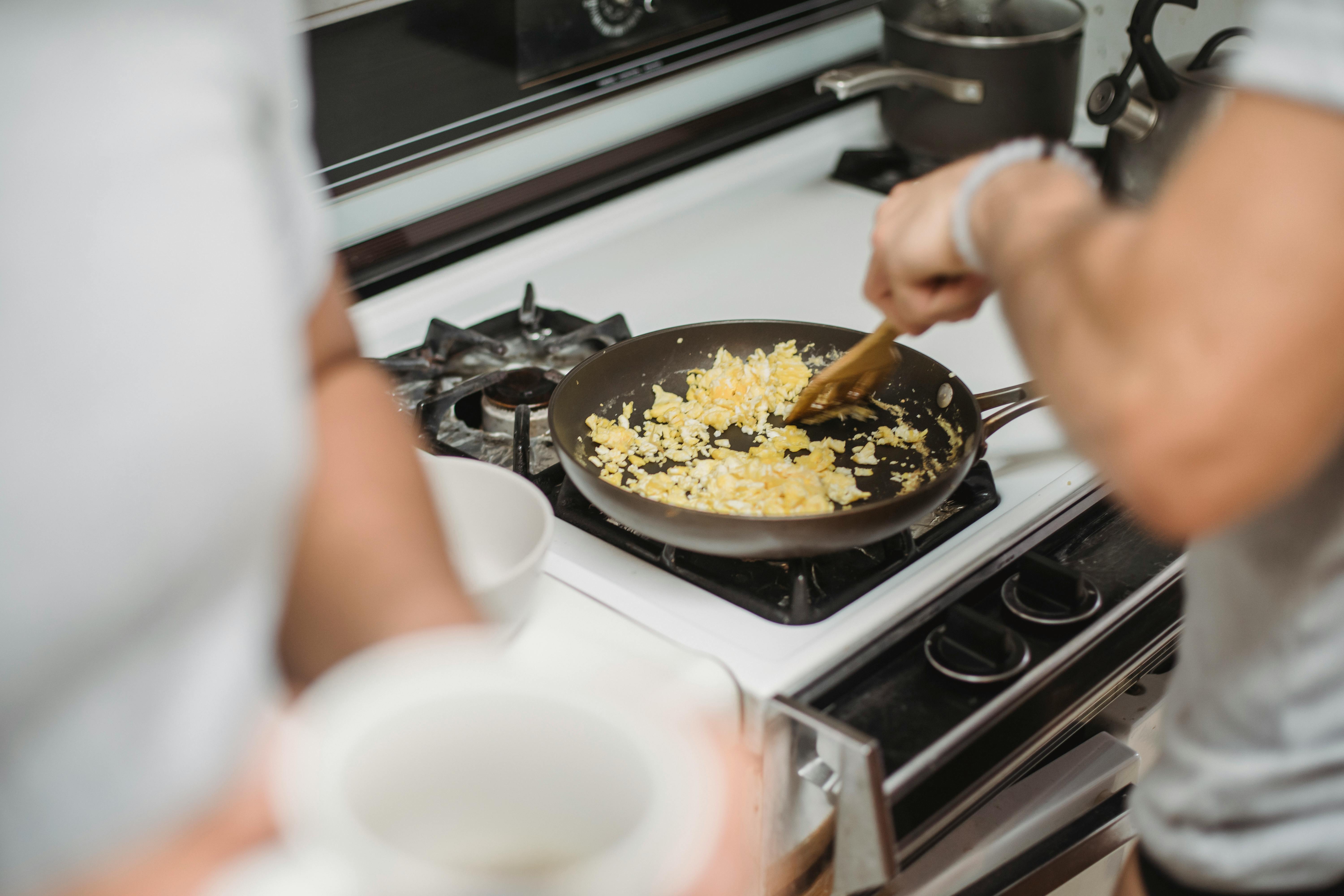
Fast cooking feels efficient, but eggs punish impatience more than most foods. On a hot skillet, the bottom layer sets almost immediately while the top is still liquid. That temperature gap forces you to stir harder and faster, which often breaks the curds into dry bits rather than soft folds. The result can look done before it is actually creamy.
Egg proteins are delicate, but they are not forgiving. When exposed to aggressive heat, they coagulate quickly and expel water, a process that leads to weeping or a grainy finish. This is why overcooked scrambled eggs sometimes release liquid on the plate. It is not because they were undercooked. It is because the proteins tightened too much and pushed moisture out.
Chefs often compare eggs to custard for a reason. Both depend on gradual thickening, not sudden seizing. A lower burner setting gives the eggs time to form a smooth network instead of a dense one. That network traps moisture and fat more effectively, so the eggs taste richer even when the ingredient list stays basic.
Pan choice also matters here. Thin pans create hot spots that intensify overcooking, while heavier nonstick or well-seasoned pans spread heat more evenly. Even then, the flame should stay modest. If you hear loud sizzling when the eggs hit the pan, the heat is almost certainly too high for the creamy texture most chefs aim for.
What chefs do before the eggs even hit the pan

Creamier scrambled eggs start with preparation, not just stove settings. Most chefs beat the eggs thoroughly before cooking so the whites and yolks fully combine. That matters because streaky eggs cook unevenly, creating firm patches and loose patches in the same pan. A smooth mixture produces a more consistent texture from the first stir to the last.
Seasoning timing is another detail that cooks debate, but many professionals salt the eggs a few minutes before cooking. Food scientists and test kitchens have noted that salt can help loosen the protein structure slightly, leading to more tender curds. It does not need to be a long rest. Even 10 to 15 minutes can make a subtle but noticeable difference in texture.
Butter helps too, but not in the way many people assume. It is not there to rescue overcooked eggs. Instead, it coats the pan, adds flavor, and contributes a bit of richness while the eggs cook gently. Some chefs add a few small cubes of cold butter directly into the beaten eggs, which slows cooking slightly and adds sheen.
Dairy is optional, not essential. Milk can dilute flavor if overused, and cream can make eggs feel heavy rather than truly creamy. Many chefs skip both and focus on heat management instead. If the eggs are cooked slowly and stirred thoughtfully, the natural richness of the yolks usually does all the work.
The right technique once the eggs start to set
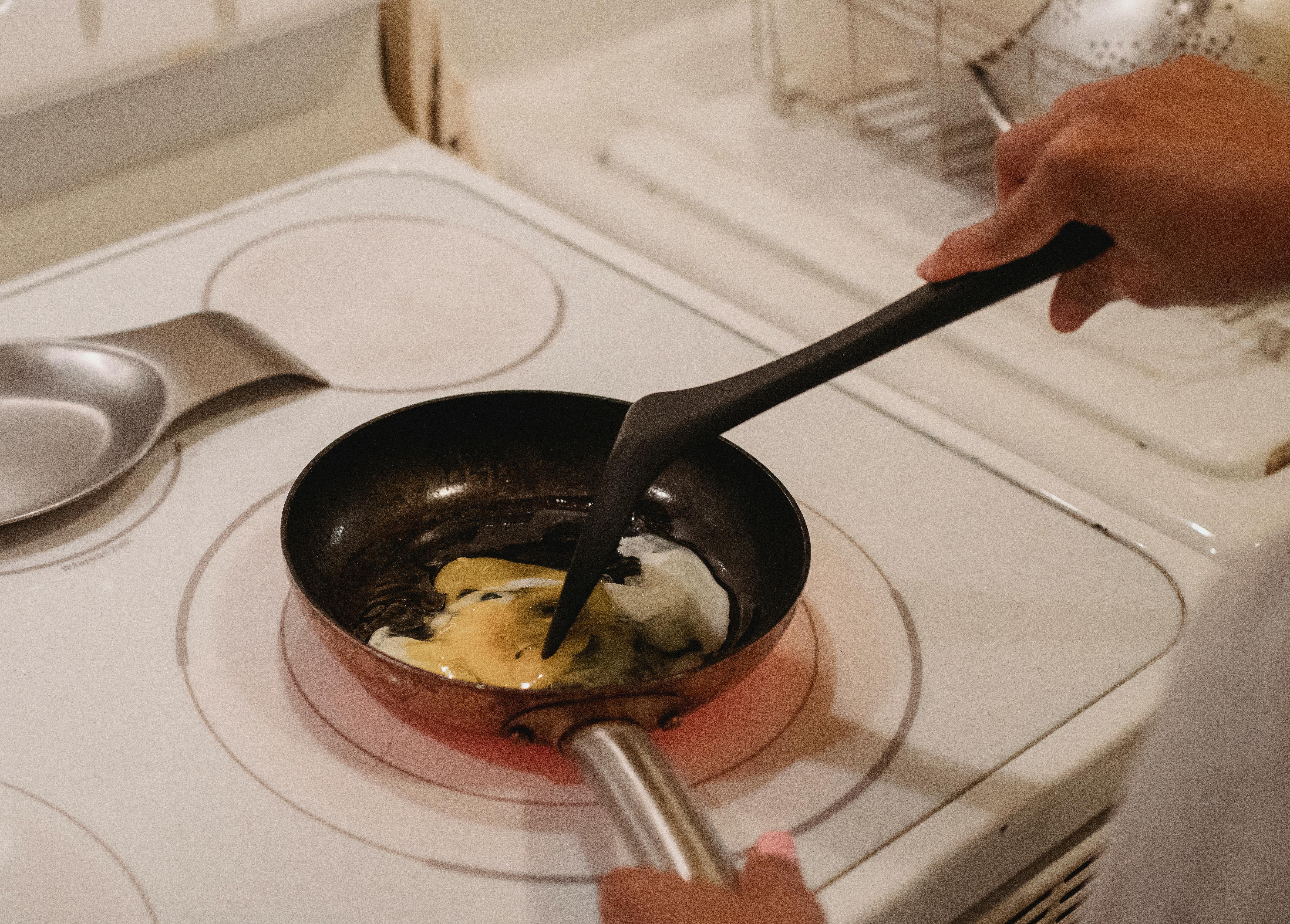
The moment the eggs enter the pan, your job is to guide them, not constantly scramble them into tiny pieces. Chefs usually use a silicone spatula and push the eggs slowly from the edges toward the center. This allows uncooked egg to flow into open spaces and form soft layers. The movement should be steady and gentle, not frantic.
There are two classic styles: small curds and large curds. For creamier eggs, many chefs lean toward larger, softer folds because they retain moisture better. Constant rapid stirring creates finer curds, which can still be delicious, but they often firm up faster. If your goal is a plush, spoonable texture, fewer strokes and more patience usually get you there.
Taking the pan on and off the heat is another restaurant trick. If the eggs are thickening too fast, remove the pan for a few seconds while continuing to stir. This keeps carryover cooking in check and prevents hot spots from setting the eggs unevenly. French-style scrambled eggs often use this method to stay especially soft and glossy.
Stop before the eggs look finished. This is one of the hardest lessons for home cooks because the pan keeps cooking them after the burner is off. When the eggs still look slightly loose and shiny, they are usually ready. By the time they reach the plate, they settle into the creamy consistency chefs are after.
Common mistakes that cancel out the creamy effect

One of the biggest mistakes is overcrowding the pan. Too many eggs lower control because different parts cook at different speeds, making it difficult to pull everything at the right moment. Cooking 2 to 4 eggs at a time is far easier than trying to manage a large batch. In professional kitchens, eggs for a crowd are often cooked in repeated small rounds for this reason.
Another common error is adding eggs to a pan that is either cold or blazing hot. A lightly warmed pan with melted butter is ideal because it starts the cooking gently and evenly. If the butter browns immediately, the pan is too hot. Brown butter tastes great in many dishes, but it signals the wrong environment for soft scrambled eggs.
Overmixing is also a problem. Whisking thoroughly before cooking is helpful, but beating in too much air can make the eggs foam and cook up dry. The goal is a uniform mixture, not a frothy one. During cooking, too much stirring can have the same drying effect by breaking curds repeatedly and exposing more surface area to heat.
Finally, serving delays can undo careful work. Scrambled eggs continue to set as they sit, especially on hot plates. Chefs often warm the plate slightly, then serve immediately so the eggs arrive at their best texture. Creamy eggs are a short window dish, which is why timing matters almost as much as technique.
How to get restaurant-style results in your own kitchen

To put this into practice, start with 3 eggs, a pinch of salt, and 1 to 2 teaspoon butter in a nonstick skillet. Beat the eggs until fully blended, let them sit briefly after salting, and warm the pan over low heat. Add the butter, then the eggs, and wait just a few seconds before using a spatula to push the mixture into soft folds. Keep the movement calm and deliberate.
As the curds form, watch for texture rather than color. The eggs should look glossy, softly mounded, and barely set. If they begin firming too quickly, lift the pan off the burner and continue folding. This simple heat adjustment is what many chefs do instinctively, and it is often the difference between breakfast-counter eggs and something that feels restaurant-made.
You can finish with chives, black pepper, or a small extra knob of butter, but those are supporting details. The core trick remains the same: low heat, patient stirring, and removing the eggs before they seem fully done. Once you learn that rhythm, creamier scrambled eggs stop being a matter of luck.
That is why chefs swear by this small change. It costs nothing, requires no special tool, and works with almost any recipe style. More than extra cream or expensive eggs, controlled heat is what gives scrambled eggs their softest, richest texture.

Leave a Reply