
Sometimes the snacks that sound the strangest are the ones people reach for first. Old Dutch appears to have tapped directly into that instinct, and Canadian shoppers are responding in a big way.
Why this launch felt so unexpected
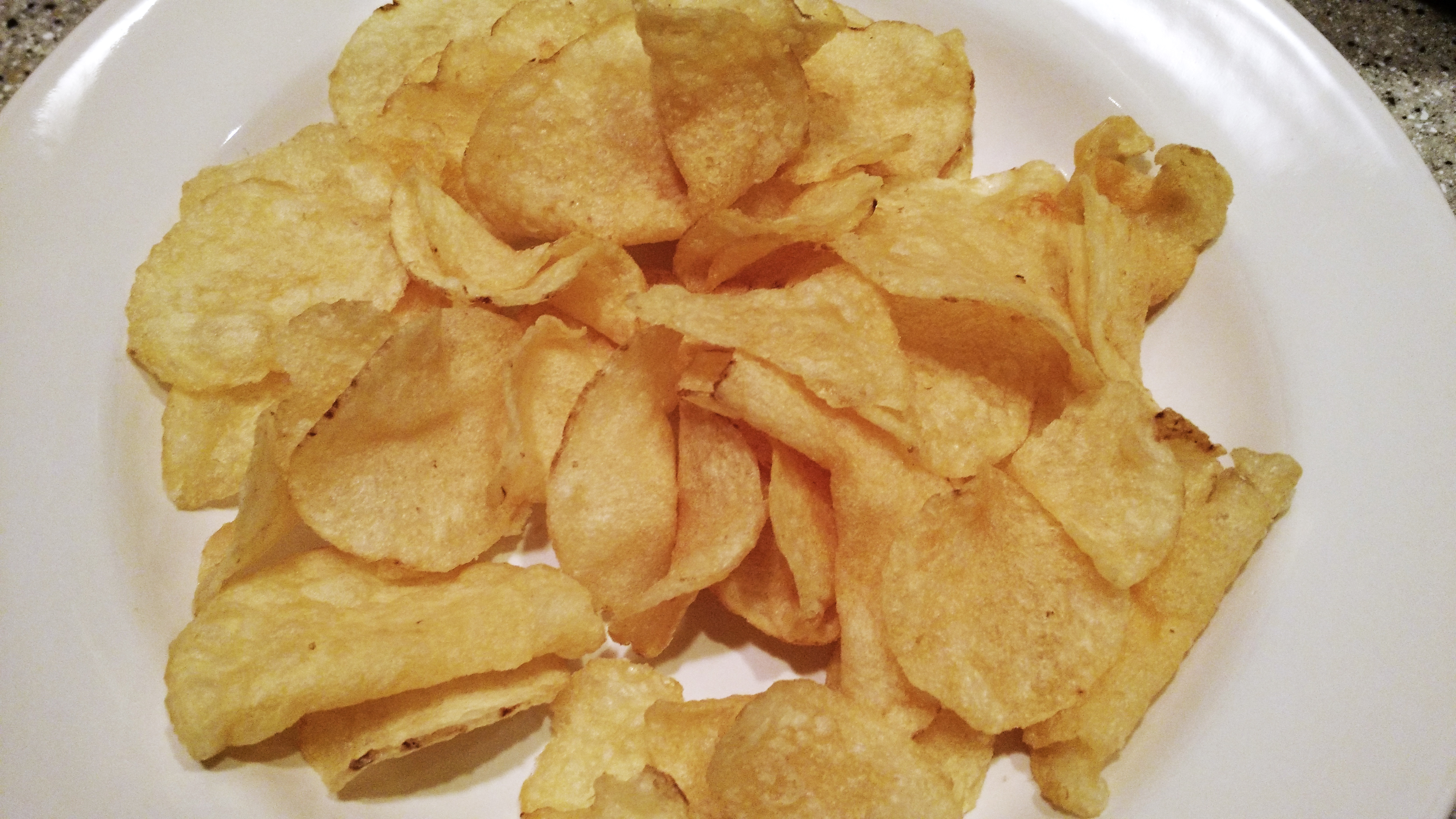
At first glance, the appeal of an unusual Old Dutch release seems hard to explain. The company has long been associated with dependable, familiar snack flavors rather than headline-grabbing experiments. Its reputation in Canada rests on products that feel rooted in routine, from lunchbox chips to party bowls set out during hockey games and long weekends. That is why this launch landed with a jolt. It did not fit the neat image many shoppers had of the brand.
Food companies usually test unusual ideas carefully, especially in categories where customers are loyal to what they already know. In salty snacks, the biggest sellers tend to be simple and recognizable, with barbecue, sour cream and onion, ketchup, and all-dressed dominating the conversation. That makes any offbeat release feel riskier than it might in beverages or candy. Old Dutch, however, seems to have gambled on something a little stranger and trusted curiosity to do the rest.
That strategy is not as reckless as it sounds. Across packaged food, novelty has become a powerful sales tool, particularly when inflation has made shoppers more selective about where they spend. People may hesitate over major purchases, but a single bag of chips still feels like a low-cost way to try something new. Industry analysts have repeatedly noted that impulse-priced experimentation remains resilient, especially when the product carries a familiar brand name.
There is also the social factor. A weird new snack no longer lives only on a grocery shelf. It gets photographed in a cart, posted in a group chat, reviewed in a short video, and debated in a comment thread. The product becomes entertainment before it becomes a staple. For Old Dutch, that kind of attention can transform an otherwise odd launch into a self-sustaining retail event.
The Canadian snack market was ready for a surprise
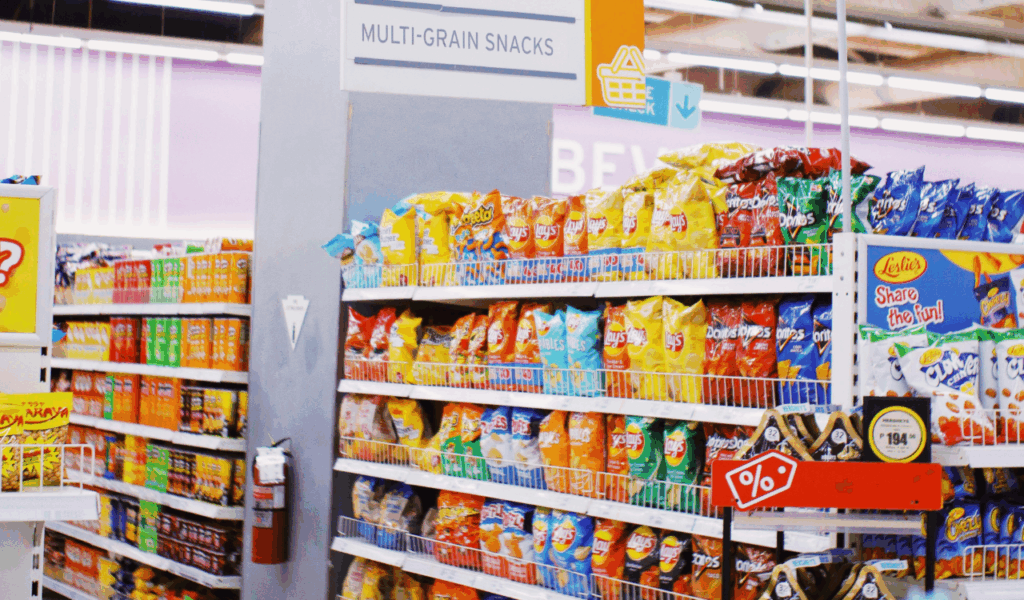
The larger market helps explain why this product is moving. Canadian snack buyers have shown growing interest in flavors that mix comfort with novelty. Retail assortments now regularly include regional tastes, limited-time mashups, and products designed to trigger reaction as much as repeat purchase. Shoppers are no longer choosing only between classic and spicy. They are choosing between familiar brands offering increasingly unconventional takes on what a chip can be.
According to category trend reporting from major food and beverage analysts in recent years, limited-time and conversation-driven products can punch above their weight if they arrive with the right balance of familiarity and oddity. That is exactly the sweet spot Old Dutch seems to have found. The brand is known, trusted, and deeply Canadian in the minds of many consumers. The surprise comes from the product idea, not the company behind it, which lowers the barrier to trial.
Regional loyalty also matters. Old Dutch has a particularly strong identity in Western Canada and a long-standing connection to Canadian households that grew up seeing the logo at family gatherings and community events. Nostalgia can be a quiet but powerful sales engine. When a brand with that kind of heritage launches something eccentric, consumers often interpret it as playful rather than desperate. That tone makes a difference.
Retailers understand this dynamic well. Grocery chains and convenience stores increasingly reward products that create immediate shelf interest, because they attract attention in a crowded category where packaging often blends together. A product that prompts a second look can win placement, and placement often drives sales. In that environment, a so-called nobody-asked-for snack can become exactly the kind of item stores want.
Curiosity is doing a lot of the selling
One of the clearest reasons Canadians cannot stop buying the new release is simple curiosity. The gap between "I would never ask for this" and "I need to try this once" is much smaller than brands understand. Snack foods thrive in that gap. A shopper may not be looking for a bold experiment, but if a familiar logo appears next to an unusual flavor concept, the cost of giving in is low and the payoff is immediate.
This behavior has become more visible in the age of social sharing. Taste testing is now a form of casual content, and people enjoy having opinions about products that seem slightly absurd. The first purchase is often driven by novelty, but that does not mean the product lacks real appeal. In many successful launches, consumers discover that the joke item is actually well designed. When that happens, trial converts into repeat buying.
Old Dutch also benefits from a broad emotional lane in Canada. Its products are tied to routine moments like movie nights, road trips, school lunches, and game-day spreads. When a brand already occupies those familiar spaces, consumers are more willing to let it surprise them. In a sense, the company has earned permission to be weird without losing trust.
There is another practical reason curiosity works so well here. Chips are deeply shareable. A single bag can move through an entire office break room, cottage weekend, or family kitchen in minutes. Every new buyer becomes a mini-sampler for several other people. That kind of built-in word of mouth is especially valuable for products that need only one taste to prove they are better than they sound.
Old Dutch knows how to turn heritage into momentum
A surprising release only works if the company understands its own brand position. Old Dutch does. Unlike trend-chasing startups that rely on constant reinvention, Old Dutch has the advantage of long familiarity. It does not need to convince Canadians that it belongs in the pantry. It only needs to give them a reason to notice something new. That distinction matters because trust reduces hesitation at the point of sale.
The company's strength has always been balance. It lives in a part of the snack market where broad appeal matters more than culinary extremity, yet it still has enough personality to experiment. That makes it well suited to launches that are unusual but not alienating. Consumers may raise an eyebrow at the concept, but they do not assume the product will be bad. They assume it will be interesting, and that is often enough.
Packaging and product naming likely play an outsized role here as well. In crowded snack aisles, brands have only seconds to communicate tone, flavor, and confidence. If the packaging signals that the company is in on the joke without making the product feel disposable, shoppers respond. The best novelty food launches always walk that line carefully. They make the item feel playful, but still worth eating.
This is where established brands often outperform smaller challengers. A startup can create buzz online, but legacy brands can convert that buzz into nationwide availability. If consumers hear about a strange new Old Dutch item and then actually see it at their regular store, momentum builds quickly. Availability turns chatter into sales, and sales turn curiosity into a measurable hit.
What Canadians are really buying is the experience

There is a tendency to treat these launches as if people are buying only flavor. In reality, they are buying a small experience. The product offers surprise, conversation, a little risk, and a quick reward. That combination is powerful in a market where people are still watching household budgets but remain open to affordable indulgences. A bag of chips can function as a tiny event, especially when it promises something worth talking about.
This helps explain why unusual snack products can perform well even when many consumers claim they prefer classics. Survey answers often reflect ideal behavior, while store purchases reveal real behavior. People say they want dependable favorites, and they do buy those favorites. But they also make room for one strange item that breaks the routine. Old Dutch seems to have captured that secondary impulse very effectively.
There is also a distinctly Canadian layer to this response. Canadian snack culture has long embraced flavors and combinations that can puzzle outsiders, from ketchup chips to all-dressed and dill pickle. The market is more open to quirky savory profiles than many consumers realize. What looks absurd in theory may feel perfectly normal once it enters the chip aisle in Canada. That cultural openness gives companies like Old Dutch extra room to experiment.
Importantly, not every novelty hit becomes a permanent best seller. Some are seasonal sparks that disappear after a strong run. But even temporary success matters. Limited-time products can boost store traffic, refresh a brand's image, and remind younger consumers that an older company still has energy. In that sense, the real purchase is not just the snack. It is participation in a moment.
Whether it lasts or not, the lesson is clear

The biggest takeaway from this Old Dutch success is not that every strange food idea will work. It is that familiar brands can still surprise consumers if they understand the emotional logic of impulse buying. The winning formula is not randomness. It is controlled weirdness anchored by trust, accessibility, and broad distribution. Old Dutch appears to have recognized that Canadians will take a chance on something odd if the brand itself feels dependable.
For the wider food industry, this is a useful case study. Brands facing slow category growth often assume they need either premium positioning or aggressive discounting to stand out. But there is a third route: culturally aware novelty. A product can succeed by creating discussion, drawing trial, and then delivering a flavor experience good enough to avoid feeling like a stunt. That balance is difficult, but when it works, it works fast.
Consumers, meanwhile, are sending a familiar message. They do not always know what they want until they see it. Nobody may have been asking Old Dutch for this exact item, at least not loudly, but that is beside the point. In snack aisles, demand is often discovered rather than declared. The product that sounds unnecessary on Monday can be sold out by Saturday.
If that pattern continues, Old Dutch will have done more than launch a quirky snack. It will have shown that in Canada's crowded food landscape, surprise still sells, and sometimes the most improbable product is the one people cannot resist putting in their cart.




Leave a Reply