
Some food disappears from the menu, and people shrug. Other items vanish and leave behind a very real sense of loss.
That reaction is easy to dismiss, but it reveals something important about how modern food marketing reaches far beyond hunger.
Scarcity turns a meal into a relationship

At first glance, a limited-time menu item looks like a simple sales tactic. Restaurants use seasonal launches, celebrity tie-ins, and short runs to create urgency, drive traffic, and keep social media buzzing. Major chains have relied on this strategy for years because it works. According to industry reporting from outlets such as Restaurant Business and Nation's Restaurant News, temporary offerings often lift visits, increase impulse purchases, and encourage people to add sides or drinks they otherwise would have skipped.
The emotional cost starts with the psychology of scarcity. Behavioral economists have long shown that people assign more value to things that seem rare or fleeting. A sandwich available every day can be postponed. A sandwich "here for a limited time" becomes a deadline. The food itself may be identical in quality to a permanent menu item, but the frame around it changes the consumer's emotional experience.
That frame creates attachment quickly. Repeated exposure, anticipation, and the knowledge that time is running out can make a person invest in a menu item in a way that feels surprisingly personal. They plan errands around it, text friends about it, or build a weekly routine around getting it before it disappears. What began as a promotion starts behaving like a relationship.
When the item leaves, the loss is not irrational. It is a predictable response to a system designed to speed up desire and compress attachment into a short window. The same mechanism that boosts sales also magnifies disappointment. In emotional terms, scarcity does not just sell food. It teaches people to bond under pressure.
Routine is more fragile than restaurants admit

One overlooked truth about eating habits is that they are deeply tied to stability. People do not just choose food based on taste. They choose it because it fits a commute, a lunch break, a parenting schedule, a budget, or an emotional need at the end of a hard day. A temporary menu item can become part of that structure faster than many brands realize, especially if it fills a specific gap that the standard menu never did.
This is why the disappearance of a favorite item can feel disruptive rather than mildly annoying. If someone with a tight work schedule finally finds a breakfast wrap that is portable, affordable, and satisfying, its removal creates more than disappointment. It forces decisions again. That means more time, more mental effort, and sometimes less pleasure in a part of the day that had briefly become easy.
Consumer behavior researchers often describe this as the burden of choice returning after a period of relief. Habits reduce cognitive load. Once people lock in a preferred option, they conserve attention for more important tasks. When restaurants remove that option, they reintroduce friction. In practical terms, a customer may now spend several visits comparing alternatives that still do not deliver the same satisfaction.
For some people, especially those managing stress, neurodivergence, or restrictive diets, this kind of change lands even harder. Predictability can be emotionally regulating. When a dependable favorite vanishes without warning, the result can be outsized frustration because the item was doing more work than the restaurant ever measured.
Nostalgia and identity get wrapped up in food

Food has always carried emotional meaning, but limited-time items intensify that connection by tying flavor to a moment. A holiday drink, a summer dessert, or a returning regional sandwich does not merely taste good. It becomes linked to weather, family rituals, school breaks, road trips, or a specific stage of life. Researchers in psychology and sensory science have repeatedly found that taste and smell are unusually powerful triggers of autobiographical memory, which helps explain why certain foods feel loaded with emotion.
Restaurants often know this and market accordingly. They bring back pumpkin drinks in early fall, peppermint items in winter, and barbecue specials in summer because seasonal cues activate anticipation before the first bite. The item becomes a ritual marker. Its arrival tells people that a season, mood, or tradition has begun. Its disappearance can therefore feel like more than the end of a promotion. It can feel like the closing of a chapter.
Identity also enters the picture. People use food to express taste, belonging, and even humor. Think of the customer who proudly announces they wait all year for a certain shake, or the friend known for ordering the same spicy limited burger every time it returns. The choice becomes part of self-presentation. It says something about who they are and what they love.
When the item is gone, the emotional reaction is partly about the food and partly about the self attached to it. That is why the loss can feel oddly personal. The menu changed, but the customer experiences it as a small erasure of memory, ritual, and identity.
Social media makes the disappointment sharper
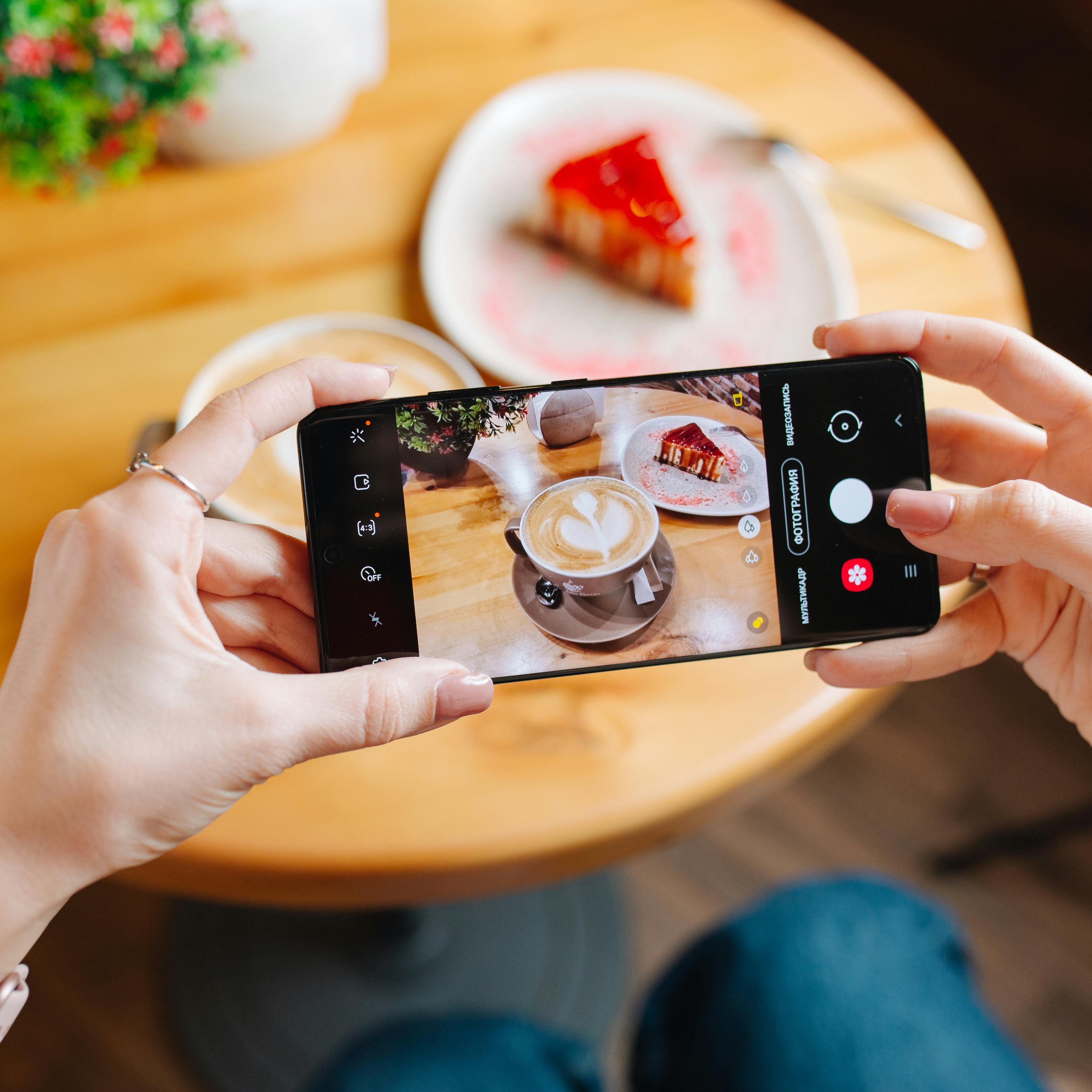
In earlier decades, a discontinued menu item might have faded quietly. Today, it lives on through photos, countdown posts, ranking videos, and rumor cycles that keep desire active even after availability ends. Platforms like TikTok, Instagram, and Reddit have transformed food launches into cultural events. A limited-time item is no longer just something you eat. It is something you witness, discuss, chase, review, and compare in public.
That shift raises the emotional stakes. The fear of missing out becomes visible and contagious when feeds are full of people posting the exact item you have not tried yet or cannot get anymore. Marketing researchers have noted that digital scarcity often increases urgency because social proof confirms that the product is not only rare but socially meaningful. If everyone seems excited, your chance to miss it feels more consequential.
The afterlife of these items can be especially frustrating. Fans organize petitions, speculate about return dates, and swap copycat recipes when brands refuse to make a popular product permanent. McDonald's McRib is one of the clearest examples. Its periodic return has generated years of media coverage, tracking websites, and intense consumer anticipation precisely because absence became part of the brand story.
Social media also turns personal disappointment into group emotion. That can be validating, but it can also prolong the letdown. Instead of simply moving on, customers are invited to relive the loss repeatedly through posts, reactions, and nostalgia threads. The item disappears from the menu, yet remains emotionally available enough to keep hurting.
For some customers, this is not trivial at all

It is tempting to frame all of this as harmless overreaction, but that misses who is most affected by menu instability. For people with food sensitivities, selective eating patterns, or chronic decision fatigue, a temporary menu item may solve a real problem. It might be the only offering with a preferred texture, a manageable spice level, or ingredients that do not trigger discomfort. When that item disappears, the issue is not sentimentality. It is access.
This matters for autistic consumers, people with ADHD, and others who rely on sameness to make eating easier and less stressful. Clinical experts and patient advocates have increasingly emphasized that predictable foods can support regulation and routine. In that context, menu churn is not just disappointing. It can narrow safe options in a setting that already feels overwhelming because of noise, crowds, or rushed ordering.
There is also a financial angle. Limited-time items are often promoted aggressively with combo deals, app rewards, and launch pricing. Customers build spending habits around those offers, only to find that the replacement is more expensive or less satisfying. What looked like a fun indulgence can create a cycle of heightened craving followed by a weaker substitute at a higher cost.
The emotional damage, then, is not equally distributed. Some people lose a novelty. Others lose convenience, predictability, or one of the few restaurant foods they genuinely trusted. Treating all disappointment as silly ignores how differently consumers experience the same disappearing menu board.
Restaurants could create excitement without causing whiplash

Scarcity is not going away because it is too effective as a business tool. Limited-time items generate headlines, test new flavors, and give chains a low-risk way to study customer demand before making permanent additions. From an operations standpoint, temporary products can also simplify forecasting by concentrating sales into a known promotional window. The strategy is rational, and in many cases profitable.
But rational for the brand does not always mean healthy for the customer relationship. When companies repeatedly spark attachment and then remove what people love, they train consumers to expect disappointment alongside excitement. Over time, that can produce fatigue rather than loyalty. Many customers begin to feel manipulated, especially when a clearly popular item returns only as a scarcity event instead of joining the regular menu.
There are better ways to manage this. Restaurants can give clearer end dates, communicate return plans honestly, and create archives or rotating calendars that reduce uncertainty. They can also promote customer feedback more transparently, explaining why some items stay seasonal while others become permanent. That kind of candor respects the emotional investment people place in food.
The deeper point is simple. Food is never just fuel, and restaurants know that better than anyone. When brands treat attachment as a lever, they should not act surprised when people feel hurt by the pull. Limited-time only may sound playful, but for many customers, the loss it creates is real enough to remember.



Leave a Reply