
Some chili recipes win because they are hotter. The great ones win because every spoonful tastes complete.
The ingredient nobody saw coming
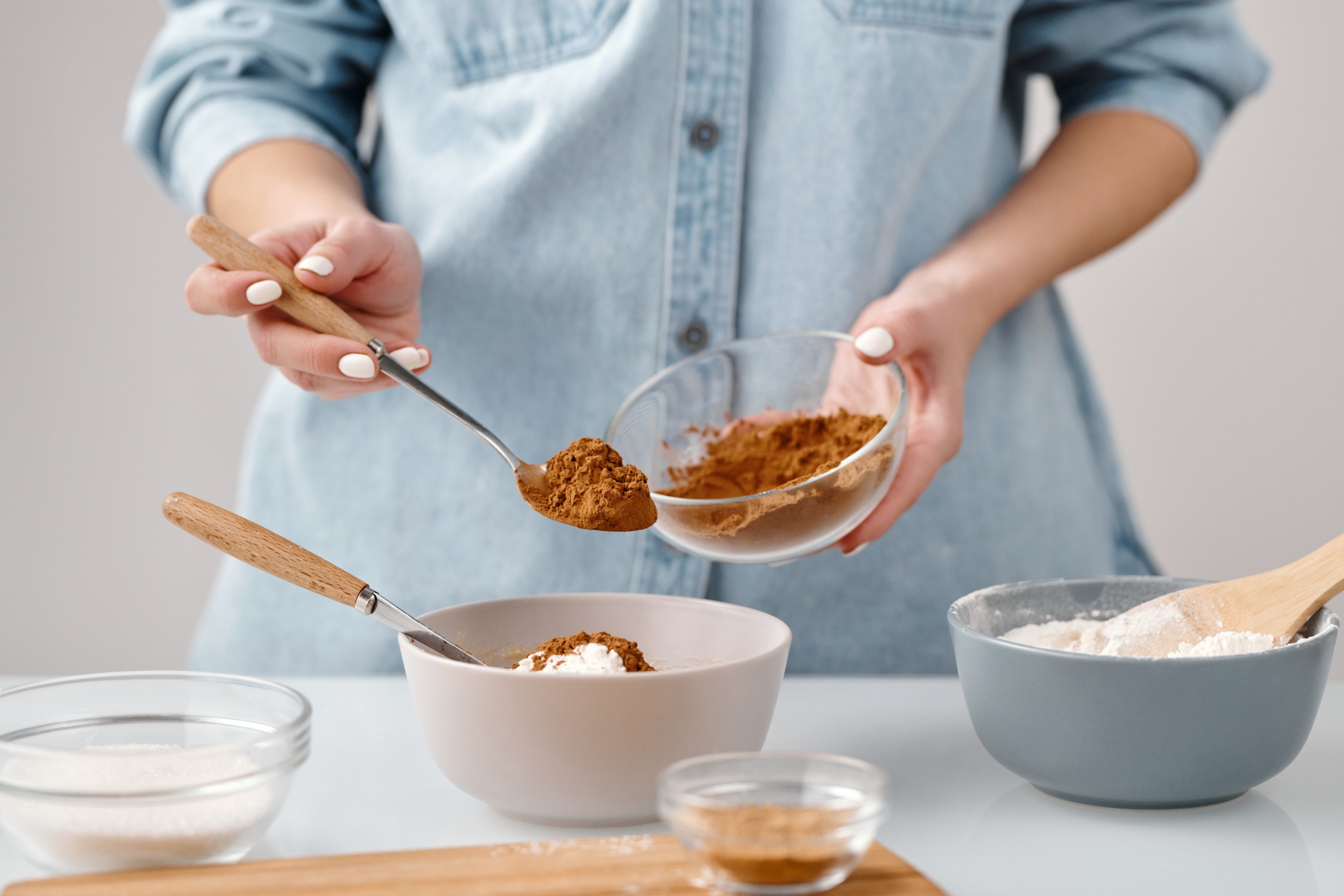
My grandfather's surprise ingredient was unsweetened cocoa powder, added in a modest amount near the middle of cooking. To people who have never tried it, that sounds like dessert invading dinner. In reality, cocoa behaves more like a spice than a sweetener when used carefully.
Its value comes from bitterness, roasted depth, and aroma. Those qualities reinforce browned beef, toasted chiles, garlic, and cumin without making the pot taste like chocolate. Professional chili cooks and seasoned home chefs have used similar techniques for years because a tiny amount can make familiar ingredients taste broader and more connected.
At cook-offs, judges usually want intensity, but they also reward balance. A chili that is only hot can feel one-dimensional after two bites. My grandfather understood that cocoa created contrast, and contrast made the heat, smoke, and savory richness stand out more clearly.
Why cocoa works so well in chili
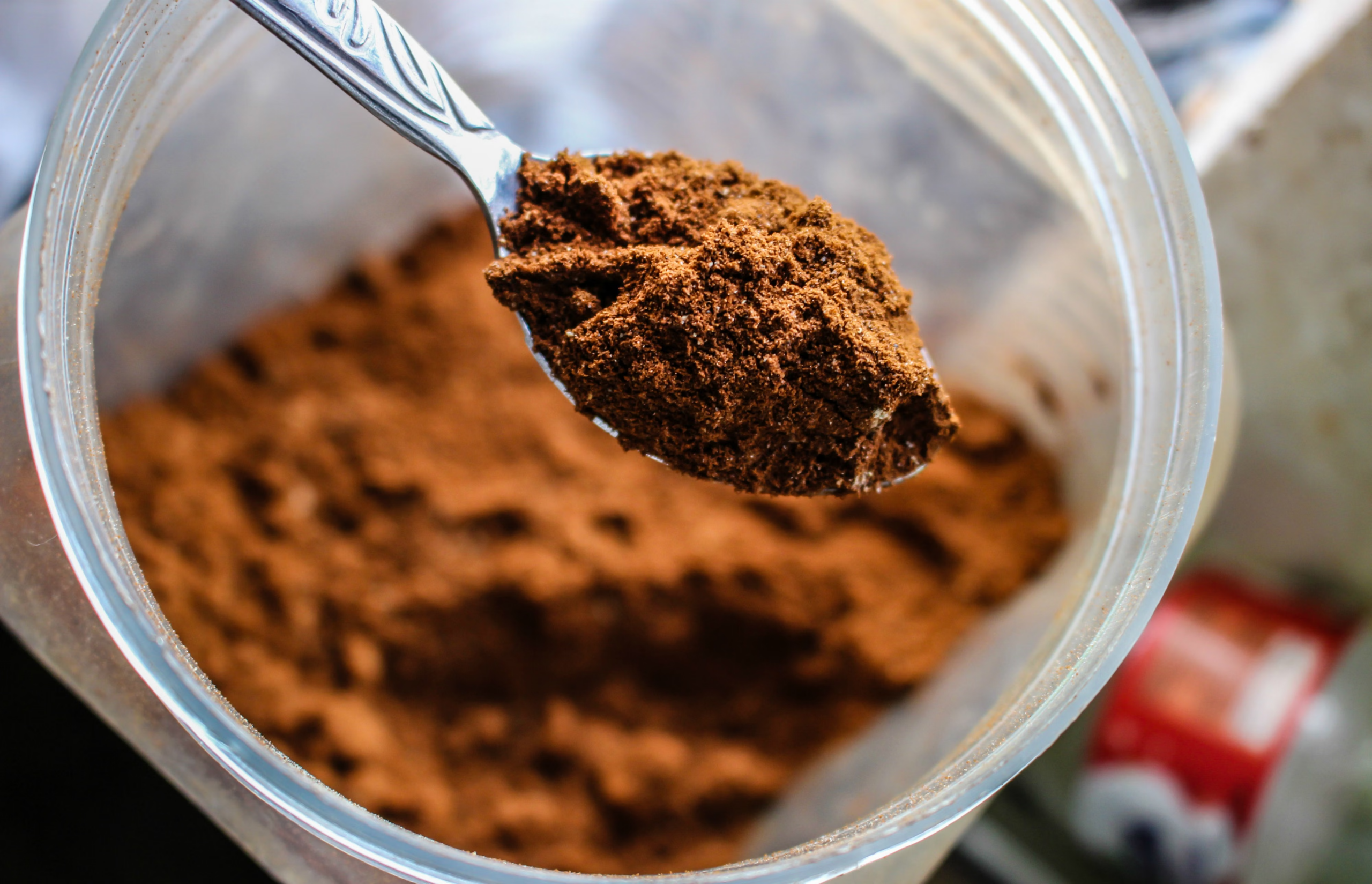
Here is the culinary logic behind it: many of chili's best flavors come from Maillard browning, toasted spices, dried peppers, and slow-simmered meat. Cocoa shares overlapping roasted and earthy notes with all of them. That makes it a natural bridge ingredient rather than an odd addition.
Cocoa also contributes structure to flavor. Bitterness, when controlled, keeps tomatoes from tasting too sharp and keeps the natural sweetness of onions from becoming too obvious. Instead of masking ingredients, it tightens them into a more deliberate profile, which is exactly what competition food often needs.
Food scientists have long noted that flavor perception depends on balance among salt, acid, sweetness, bitterness, and aroma. In chili, where several strong elements compete, a small amount of cocoa can improve harmony. That harmony is often what separates a memorable bowl from one that tastes merely aggressive.
How my grandfather actually used it
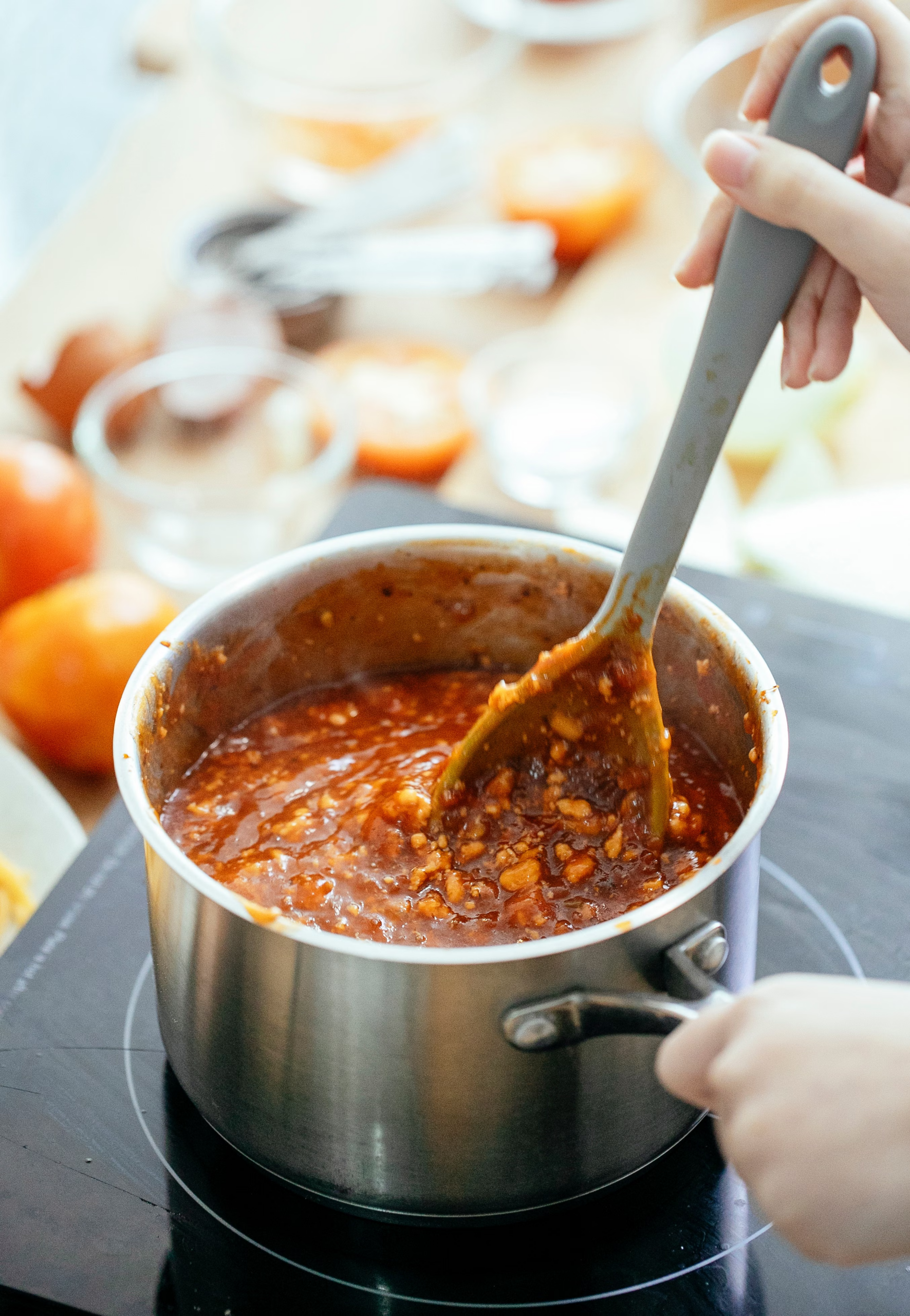
He never dumped it in at the end, and that mattered. He would brown the beef thoroughly, cook down onions until soft, bloom the spices in fat, then add tomatoes, stock, and chiles. Only after the chili had simmered long enough for the base to develop would he stir in 1-2 tablespoons of unsweetened cocoa powder.
That timing let the cocoa dissolve into the liquid and mingle with the fat-soluble spice compounds. If added too late, it can taste dusty or disconnected. If added too early in a hard boil, its subtle aromatic benefits can flatten before serving.
He also adjusted the rest of the pot around it. Salt went in gradually, acidity was checked with tomatoes or a splash of vinegar, and heat was layered from chili powder and dried peppers rather than relying on raw burn. The cocoa was never the star. It was the quiet force making everything else taste smarter.
What judges likely responded to
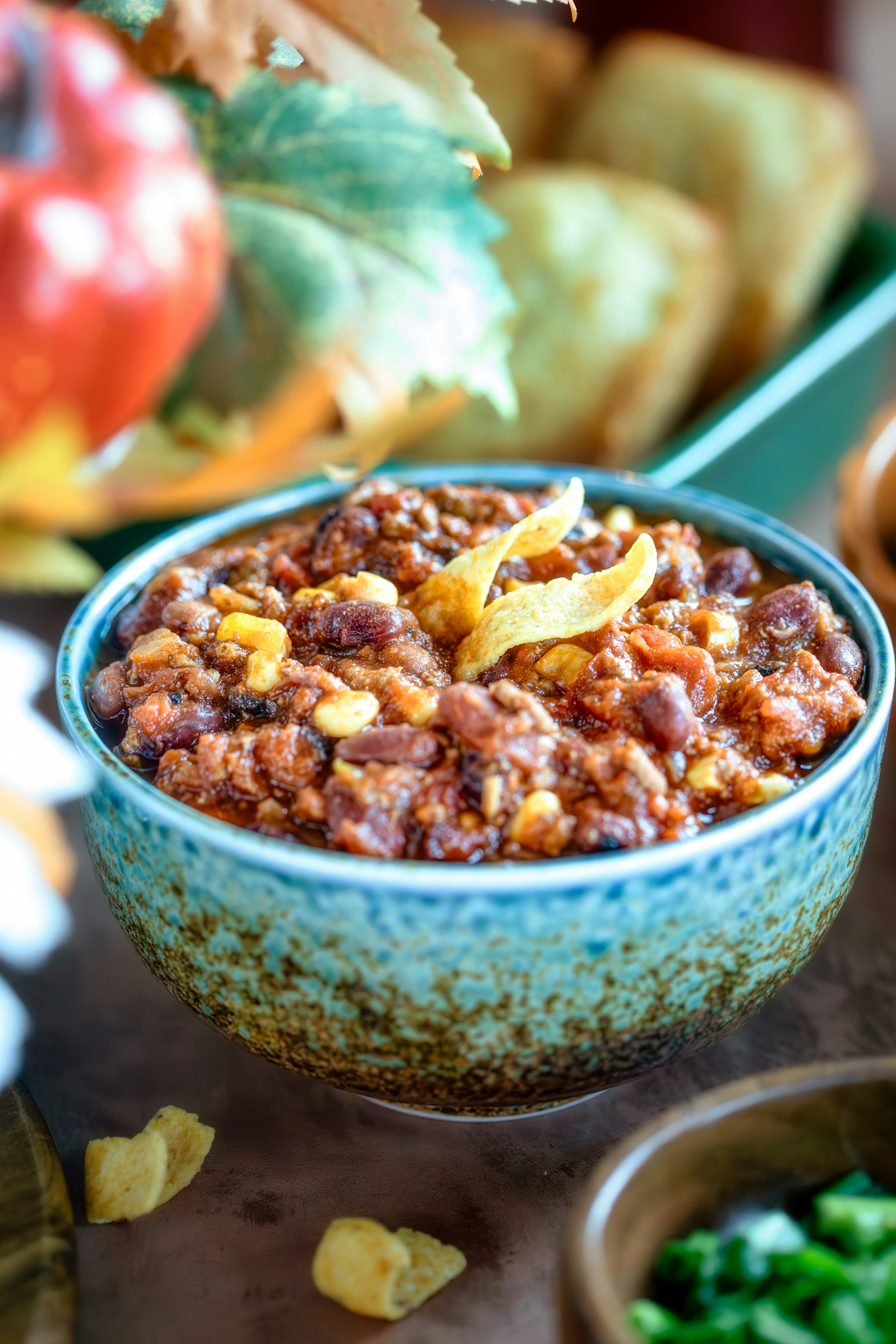
Competition judging often rewards immediate impact, but repeat winners usually offer more than shock value. My grandfather's chili had a darker, fuller finish than most others on the table. That lingering depth made tasters pause, take another bite, and notice something satisfying they could not immediately name.
The unexpected ingredient probably helped with texture perception too. Cocoa does not thicken a chili dramatically in small amounts, but it can contribute a faint sense of body when combined with collagen, tomato solids, and reduced stock. A richer mouthfeel often reads as more luxurious and more complete.
Another advantage was restraint. Many competitors chase novelty with sugar, beer, excessive smoke, or overwhelming heat. My grandfather used an ingredient that changed the background rather than the headline. Judges often remember food that feels polished, and polish usually comes from disciplined choices, not loud ones.
How to use the trick at home
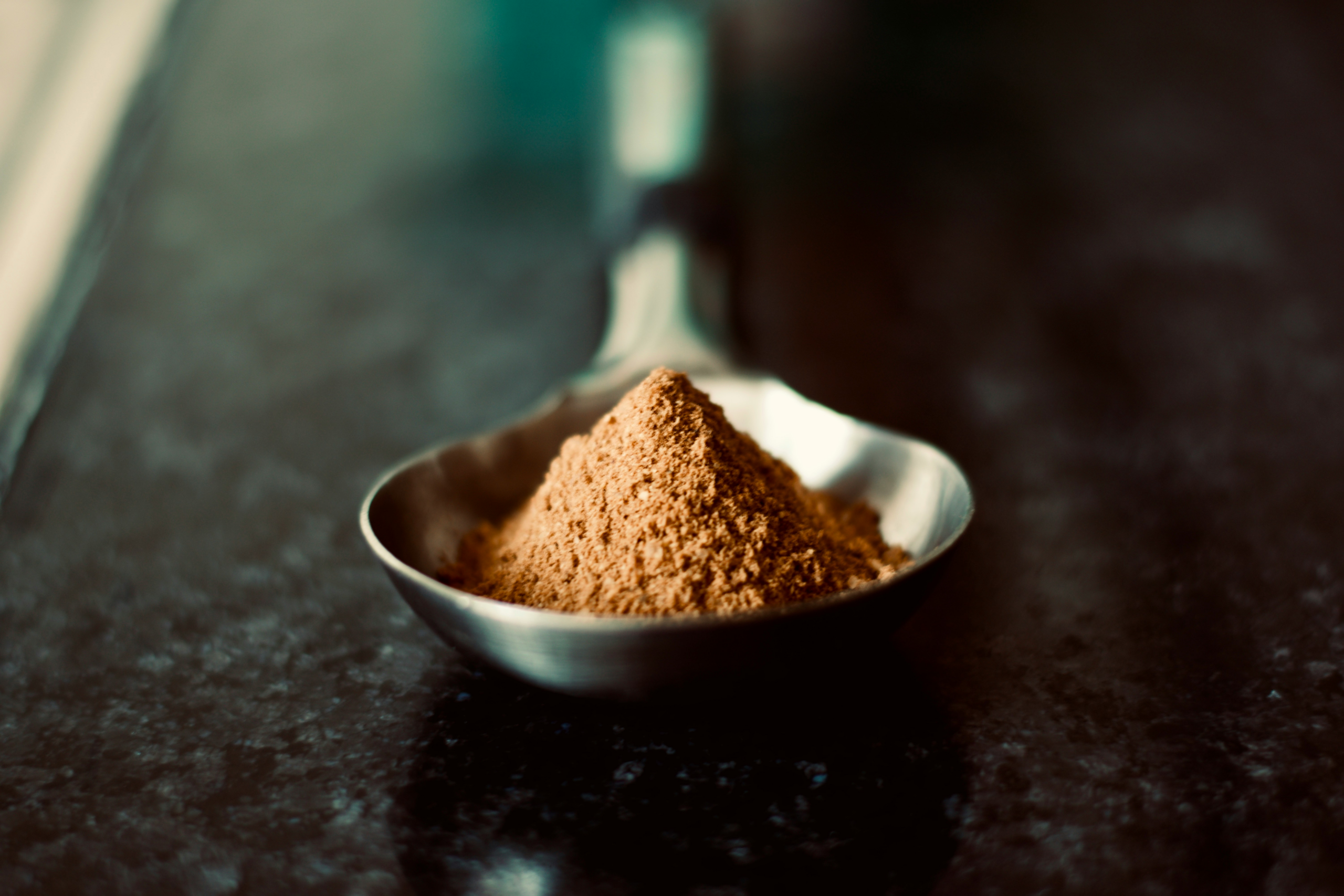
If you want to try this method, start small. For a large pot, use 1 tablespoon of unsweetened cocoa powder, taste after 15-20 minutes, and only then consider a second tablespoon. Dutch-processed or natural cocoa can both work, though each brings slightly different acidity and intensity.
Choose chili ingredients that can support added depth. Beef, ancho or guajillo chiles, onion, garlic, cumin, oregano, tomatoes, and beans if you use them all pair naturally with cocoa's earthy profile. What you should avoid is sweetened cocoa mix, which introduces sugar and dairy notes that muddy the final taste.
The goal is not to make the cocoa noticeable. If guests can instantly identify chocolate, you have likely gone too far. Done properly, they will simply say the chili tastes richer, rounder, and somehow more finished than expected.
The bigger lesson behind three blue ribbons
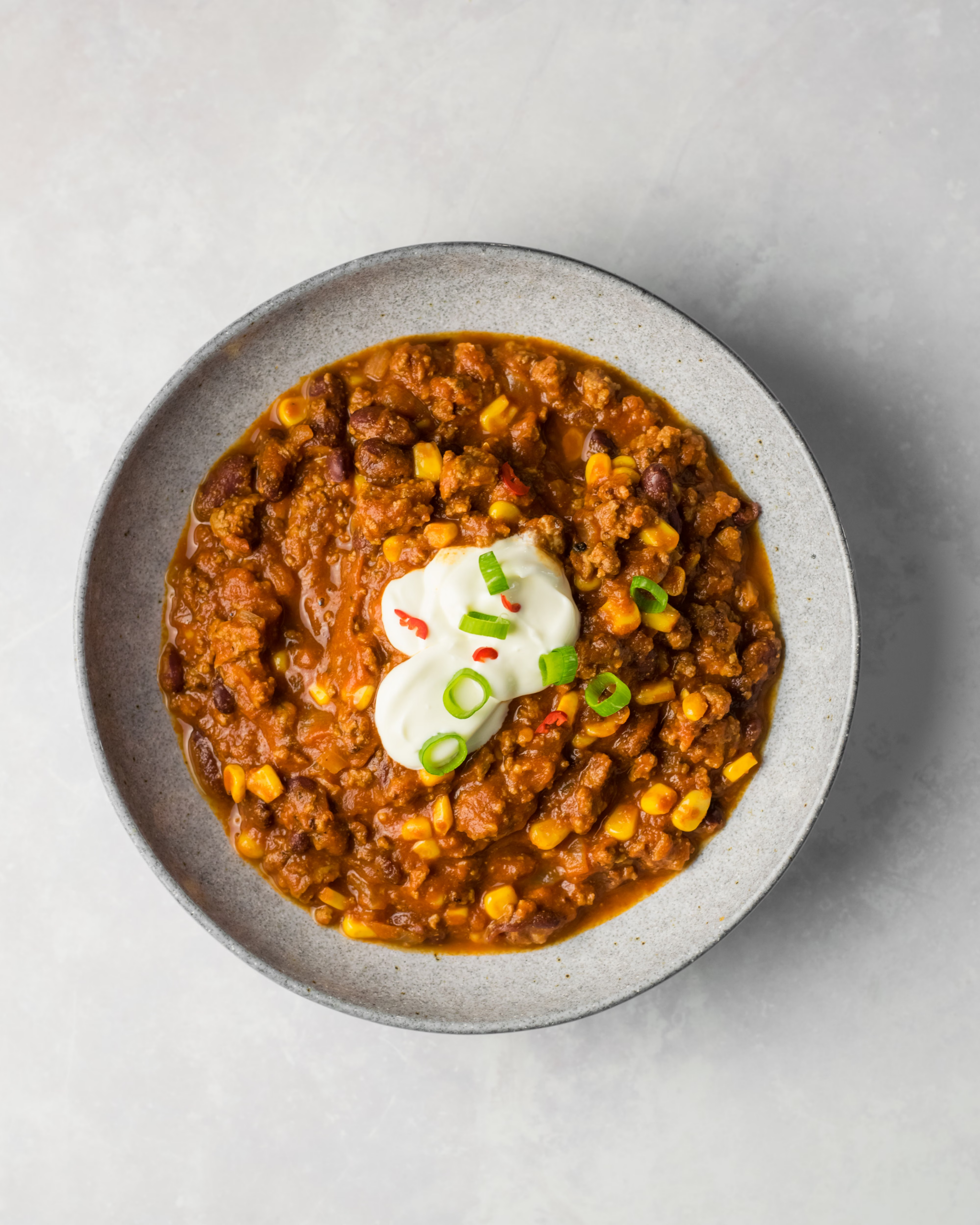
What made my grandfather successful was not only a secret ingredient. It was his understanding that great cooking often comes from small, strategic additions rather than dramatic reinvention. He knew that one thoughtful adjustment could improve aroma, balance, and aftertaste all at once.
That lesson applies well beyond chili. Coffee deepens stews, fish sauce sharpens meat sauces, and a little vinegar can wake up braises that seem heavy. Skilled cooks build complexity by using ingredients for function, not for surprise alone.
So yes, cocoa powder helped him win three cook-offs. But the real secret was judgment: knowing how much to use, when to add it, and what problem it solved. That is the difference between a trick and a technique, and it is why his chili kept beating the competition.




Leave a Reply