
Mushrooms are a quiet staple, until supply starts to wobble. The recent wave of job cuts at farms and packing facilities across North America is turning a low-profile crop into a grocery story Canadians can feel.
Why mushroom farms are cutting jobs now
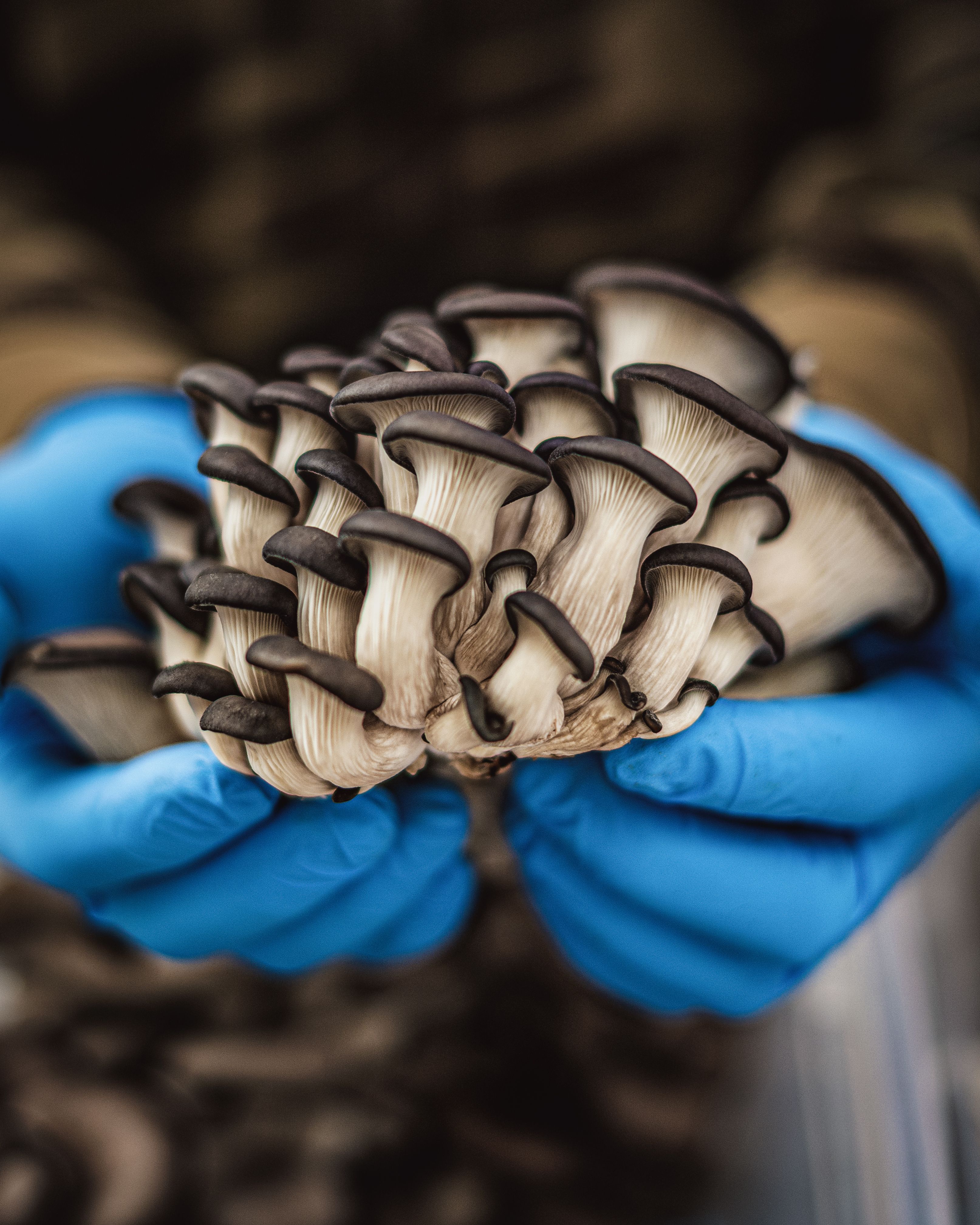
The mushroom business depends on thin margins, steady energy, and reliable labor. That formula has become much harder to maintain over the past two years.
Producers in Canada and the United States have been squeezed by higher wages, pricier compost ingredients, packaging inflation, and elevated electricity and natural gas bills. Indoor growing rooms need strict climate control, so power costs hit mushroom farms harder than many field-crop operations.
Demand has also become less predictable. During the height of home cooking, retail mushroom sales were strong, but the market later normalized. At the same time, foodservice recovery has been uneven, leaving some growers with production plans built for demand that never fully returned.
The pressure points inside a modern mushroom operation

A mushroom farm may look simple from the grocery shelf, but it is a labor-intensive manufacturing system. Workers prepare substrate, manage growing rooms, harvest delicate caps by hand, sort quality grades, and pack product quickly for short distribution windows.
When managers cut jobs, they are often responding to multiple cost centers at once. Labor is usually the largest controllable expense, especially in harvesting and packing, where automation still has limits because mushrooms bruise easily and shelf appeal matters.
There is also the capital problem. Farms that want to modernize need expensive ventilation systems, refrigeration, conveyors, and data-driven climate controls. Larger companies may absorb those investments, but smaller regional growers can struggle, making layoffs one of the few immediate ways to preserve cash.
What Canadian grocery shelves could look like

For shoppers, the first change may not be empty shelves but a subtler reshaping of the assortment. Stores may continue stocking white button mushrooms consistently while carrying fewer specialty varieties such as oyster, shiitake, or cremini in larger pack formats.
Price is the next likely pressure point. If domestic production slows or packing capacity tightens, retailers may need to source from farther away, increasing freight and cold-chain costs. That can push up the sticker price on a category consumers often expect to remain affordable.
Quality can also become less uniform. Mushrooms are highly perishable, and any disruption in harvest timing, packing labor, or transport can shorten shelf life. Canadian consumers may notice more variable freshness, faster browning, or smaller inventories late in the week.
Canada's supply chain is more connected than it seems
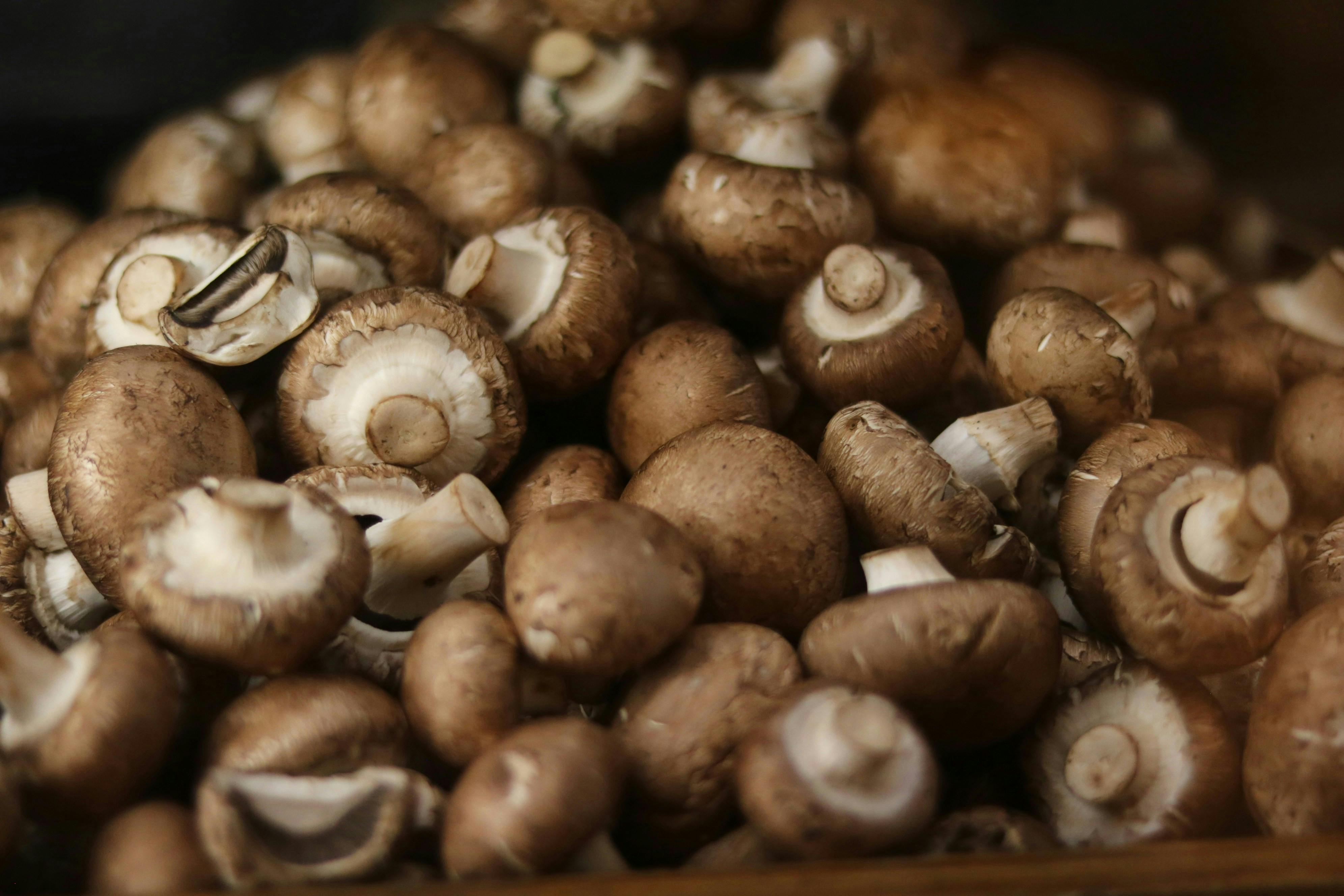
Canada produces mushrooms domestically, especially in Ontario and parts of British Columbia, but the market is deeply integrated with the United States. Cross-border flows help balance seasonal gaps, regional demand swings, and promotional volumes for major supermarket chains.
That integration is useful when the system is stable. It becomes more fragile when growers in several regions cut staff at the same time, because fewer workers can mean fewer harvested pounds, slower packing, and less flexibility to respond when one market suddenly needs extra product.
Distribution concentration adds another layer. Large retailers often rely on a relatively small group of major suppliers and logistics partners. If one large operation reduces output, the impact can spread quickly through wholesale markets, private-label programs, and fresh-cut mushroom lines sold nationwide.
Which products and shoppers may feel it most

Not every mushroom category faces the same risk. Basic white mushrooms usually get priority because they move the fastest and anchor retailer promotions. Specialty mushrooms, value-added sliced packs, and foodservice-heavy formats are more exposed when farms need to simplify operations.
Independent grocers and smaller communities may feel changes sooner than big urban chains. Large retailers can use scale and contracting power to secure supply, while smaller buyers may face delayed deliveries, less negotiating leverage, or narrower product selections.
Restaurants are part of the picture too. If foodservice buyers pay more or struggle to source certain varieties, menu prices can rise, portions can shrink, or chefs can substitute ingredients. Those shifts eventually feed back into retail demand as consumers change what they cook at home.
What to watch in the months ahead
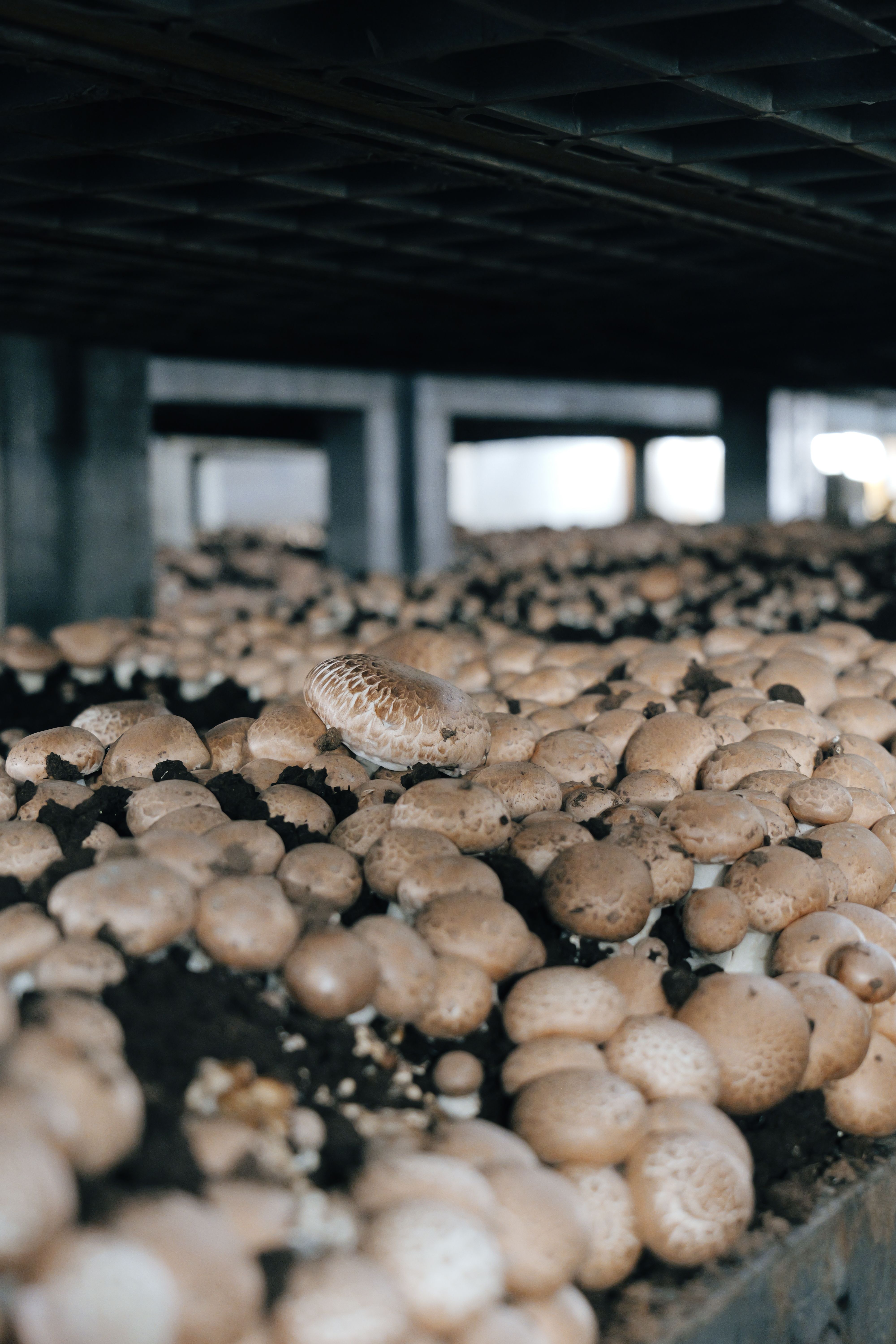
The key question is whether job cuts are a short-term correction or a sign of deeper restructuring. If energy prices ease and demand steadies, some farms may stabilize. If costs remain stubbornly high, consolidation across the mushroom sector could accelerate.
Canadian shoppers should watch for three signals: rising shelf prices, fewer specialty options, and more frequent sourcing changes on package labels. Those clues often reveal stress in the supply chain before a visible shortage appears in the produce department.
Governments and industry groups also matter here. Investments in energy efficiency, greenhouse-style technology, workforce retention, and domestic food processing can help protect supply. Mushrooms may seem like a small grocery item, but they are a clear example of how labor and cost pressures reshape everyday food access.




Leave a Reply