
It did not take long for this chip launch to become a talking point. What started as a limited-edition release has quickly turned into a full-blown rush at store shelves.
Why This Miss Vickie's launch is getting so much attention
Snack launches rarely create genuine urgency, but limited-edition products are a different category altogether. In this case, Miss Vickie's has paired a well-established premium kettle-cooked brand with a Canada-themed flavour profile, which immediately gives the release a built-in audience. For many shoppers, this is not just another bag of chips. It is a collectible food moment tied to identity, nostalgia, and curiosity.
The company already occupies a strong position in the premium chip space, especially among consumers who associate the brand with bold flavours and a crunchier texture than standard potato chips. That reputation matters because shoppers are more willing to try unusual flavours from a brand they already trust. When a familiar label announces something available for only a short time, hesitation drops and impulse buying rises.
There is also a timing factor. Limited seasonal foods tend to perform best when they tap into a cultural mood, and Canadian-themed products often benefit from a burst of patriotic excitement around holidays, summer gatherings, and major national events. Retail experts have long noted that scarcity plus relevance is one of the strongest combinations in packaged food marketing.
Social media has amplified all of this. Once shoppers begin posting empty shelves, haul photos, and taste-test reactions, the product starts to feel even rarer than it may actually be. That perceived shortage can be enough to shift behavior from casual interest to immediate purchase, which is exactly how panic buying begins in the grocery aisle.
The power of limited-edition food in Canada
There is a reason companies keep returning to the limited-edition formula. Food brands know that short-run products create a sense of urgency that traditional launches often cannot match. Consumers may postpone buying a regular item, but they are far less likely to delay when they believe a product could disappear within weeks.
In Canada, this approach works especially well when the flavour leans into something locally recognizable. Products tied to maple, barbecue traditions, regional comfort foods, or iconic Canadian culinary references tend to outperform generic novelty flavours. The emotional connection is stronger because the product feels familiar even when it is new. That blend of comfort and surprise is highly effective in snack marketing.
Retailers benefit too. A sought-after limited release drives store traffic and can encourage shoppers to make additional purchases once they are in the aisle. According to broader grocery industry trends, highly visible exclusive or seasonal food items often serve as traffic drivers in otherwise routine shopping periods. A bag of chips may be low-cost, but the marketing value can be enormous.
Miss Vickie's is operating in a category where flavour experimentation has become standard, but not every launch breaks through. What makes this one notable is that it appears to hit three consumer triggers at once: exclusivity, recognizability, and shareability. That combination is difficult to manufacture, yet when it lands, it can move product very quickly.
What panic buying actually looks like in the snack aisle
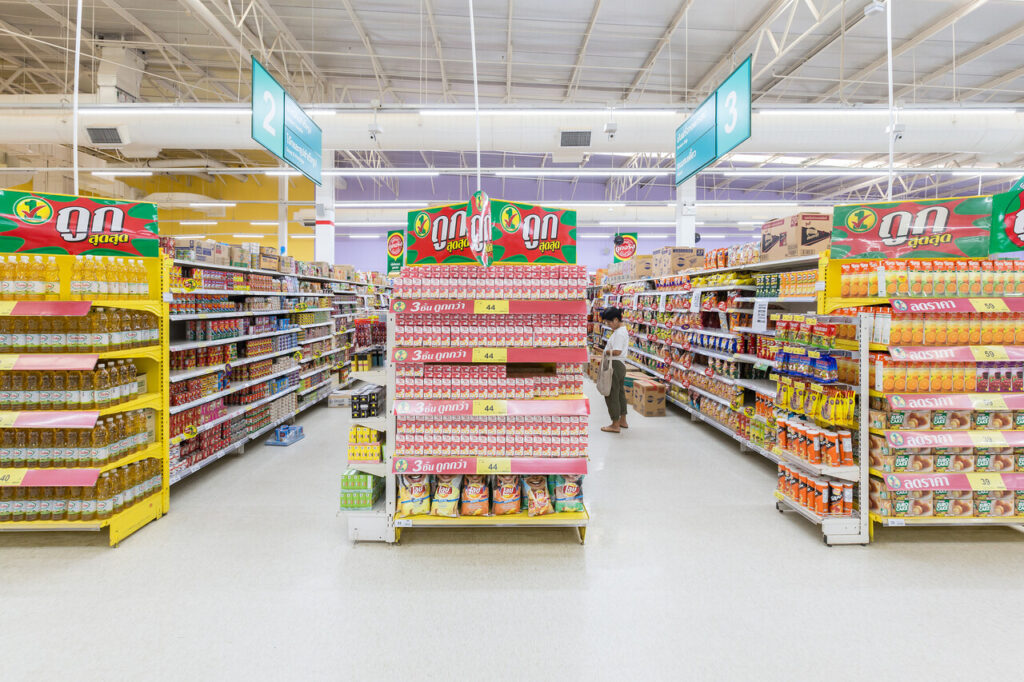
Panic buying does not always mean dramatic scenes or empty carts piled high with one item. In food retail, it often appears in smaller but still revealing patterns. Shoppers buy two or three extra bags because they are unsure when they will see the product again. Another customer notices the shelf thinning out and decides to grab more than planned. That chain reaction can accelerate over a single day.
This pattern is driven less by necessity and more by fear of missing out. Behavioral economists have repeatedly found that perceived scarcity changes the way consumers value products. An item that seemed mildly interesting at noon can feel essential by evening if other people appear to be buying it faster. The same logic drives viral runs on seasonal drinks, collectible candies, and fast-food collaborations.
Snack foods are especially vulnerable to this cycle because they are inexpensive enough to justify an impulsive stock-up. A consumer may not splurge recklessly on a costly luxury good, but buying several bags of a favorite limited chip flavour feels harmless in the moment. That low barrier to purchase is a major reason frenzy buying can spread so quickly.
For retailers, this creates a balancing act. Fast sell-through is good news, but empty shelves can frustrate customers and make restocking difficult if supply was planned conservatively. In many cases, brands intentionally keep limited runs tight to preserve novelty, but when demand outruns expectations, the shortage itself becomes part of the story.
Why Canadian-themed flavours connect so strongly with shoppers
A food product does not need to be a full meal to tap into national identity. In Canada, flavour has long been used as a shorthand for place, memory, and tradition. Whether the inspiration comes from smoky cookout foods, poutine-adjacent seasoning profiles, maple-forward notes, or regional savoury tastes, the appeal goes beyond taste alone. People want snacks that feel like they belong to a shared cultural experience.
That matters for Miss Vickie's because the brand has spent years cultivating an image that combines everyday accessibility with slightly elevated flavour design. A Canadian-themed release allows the company to frame the product as both familiar and special. It can feel local without being niche, which is exactly the sweet spot for a national launch.
There is also a conversation element. Shoppers are more likely to bring a themed product to a barbecue, cottage weekend, office lunchroom, or family gathering if they think it will get people talking. Limited-edition chips can become social objects, not just snacks. People compare notes, debate whether the flavour works, and buy repeat bags simply to share them with others.
That social utility helps explain why these releases can move so quickly. Consumers are not always buying for private consumption. They are also buying for occasions, reactions, and participation in a larger moment. In that environment, a limited Canadian flavour becomes more than a product. It becomes a tiny event.
The business strategy behind the buzz
From a business perspective, launches like this are highly efficient brand-building tools. They create attention without requiring a complete product line overhaul, and they give companies a way to test flavour interest in real time. If sales are strong, the brand gains valuable data on regional demand, repeat purchases, and the strength of consumer response across channels.
There is also a halo effect on the rest of the shelf. A buzzworthy launch can increase visibility for the brand's standard flavours because shoppers who come looking for the limited edition often leave with additional products. This is one reason packaged food companies continue investing in short-run experiments. Even if the limited item eventually disappears, the broader brand can still benefit from the surge in attention.
For Miss Vickie's, the premium positioning is important here. Consumers expect stronger flavour concepts and a more distinctive texture from kettle-cooked chips, so the brand has permission to push harder on uniqueness. A mainstream bargain brand attempting the same release might attract curiosity, but not necessarily the same level of trust or urgency.
The panic-buying narrative, while informal, can also be commercially powerful. Once people hear that others are struggling to find a product, demand can increase further. It becomes self-reinforcing. In modern food marketing, scarcity is not just a supply condition. It is often a form of consumer storytelling.
Will the flavour stay limited or become a permanent hit?
The biggest question after any successful limited release is whether it will return or even join the permanent lineup. Brands are often cautious here because part of the appeal comes from rarity. If a once-exclusive flavour becomes permanent too quickly, it can lose some of the excitement that made it successful in the first place.
Still, strong consumer response can change that calculation. Companies routinely monitor sell-through rates, retailer feedback, regional demand spikes, and social sentiment when deciding what to do next. If a limited-edition flavour consistently outperforms expectations, a comeback is very possible. In some cases, brands reintroduce the product as a seasonal favorite before deciding whether it deserves a year-round spot.
For shoppers, that uncertainty is exactly why stock-ups happen. People know that a bag on the shelf today might be gone by next week, and there is no guarantee of a second run. That uncertainty turns a simple grocery decision into a now-or-never purchase.
Whether this Miss Vickie's Canadian flavour becomes a one-time sensation or a future staple, the early reaction already says a lot about today's snack market. Consumers want novelty, but they also want meaning. When a limited release manages to deliver both, the shelves do not stay full for long.



Leave a Reply