
Celebrity diets usually flare up and fade out. This one has lasted because the science behind it is far stronger than the star power attached to it.
Why Michael Bublé's Diet Talk Is Resonating Now
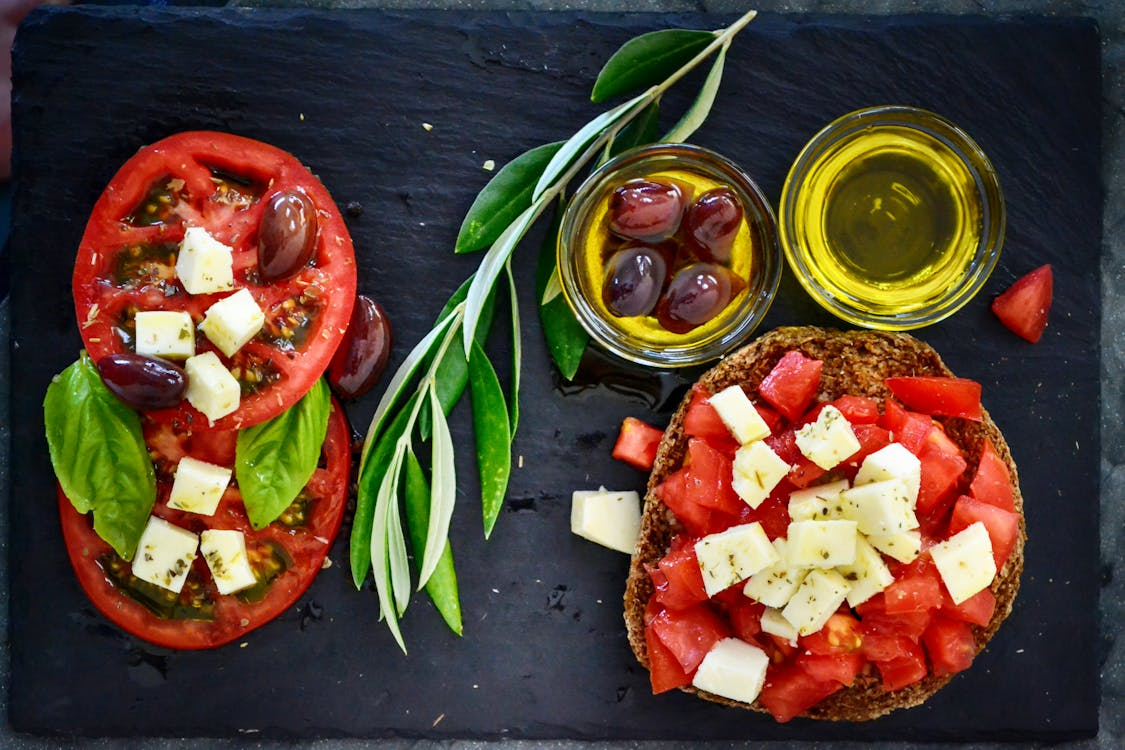
What has caught people's attention is not a radical cleanse or a punishing meal plan. Michael Bublé has spoken about favoring a Mediterranean-style way of eating, an approach that already has decades of support from doctors, dietitians, and public health researchers. That matters in a culture flooded with fast fixes and confusing food advice. When a familiar public figure praises something grounded in common foods rather than extremes, people listen differently.
The timing also makes sense. Interest in metabolic health, inflammation, and sustainable weight management has surged, especially as more people look for plans they can follow for years instead of weeks. The Mediterranean diet keeps showing up in those conversations because it is built on vegetables, legumes, fish, olive oil, whole grains, fruit, nuts, and moderate portions. It does not depend on cutting out entire food groups or obsessing over complicated tracking.
There is also a trust factor. Bublé's image has long been tied to comfort, warmth, and balance, not biohacking or fitness culture. That makes his endorsement feel relatable rather than aspirational in an unreachable way. For many readers, the appeal is simple: if a widely admired entertainer can maintain this approach amid travel, work, and family life, it may be practical for ordinary people too.
What the Mediterranean Diet Actually Looks Like
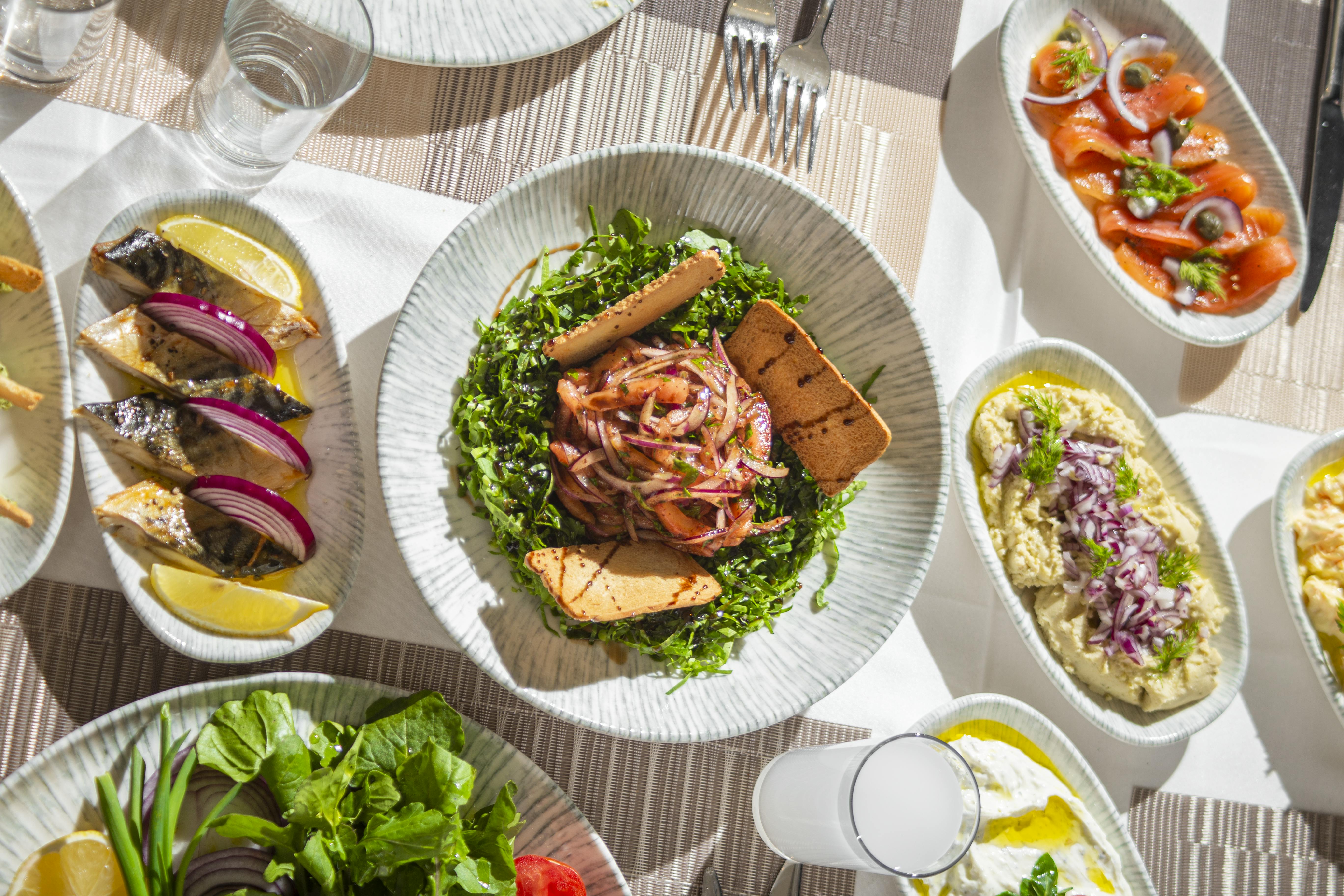
At its core, the Mediterranean diet is a pattern, not a rigid prescription. Meals tend to revolve around plants first, with vegetables, beans, lentils, herbs, fruit, whole grains, and olive oil doing much of the heavy lifting. Fish and seafood appear regularly, while poultry, eggs, yogurt, and cheese are eaten in moderate amounts. Red meat and heavily processed foods are generally less frequent, not necessarily forbidden.
That distinction is one reason experts keep recommending it. According to the American Heart Association and many major hospital systems, the Mediterranean pattern is linked to better cardiovascular outcomes because it prioritizes unsaturated fats, fiber, and nutrient-dense foods. Olive oil replaces butter more often. Nuts replace packaged snacks. Beans may take the place of processed meats in soups, salads, or grain bowls. The framework is simple enough to adapt to many budgets and cuisines.
A realistic day might include Greek yogurt with berries and walnuts at breakfast, a lentil salad with olive oil and chopped vegetables at lunch, and salmon with roasted vegetables and farro at dinner. Snacks could be fruit, hummus, or a handful of almonds. This is not glamorous diet food. That is exactly why it has staying power.
Why Experts Have Backed It for Years

The Mediterranean diet is one of the most studied eating patterns in the world. Its reputation comes not from anecdotes but from a large body of evidence tying it to lower risks of heart disease, stroke, and type 2 diabetes. One of the most cited trials, the PREDIMED study from Spain, found that people following a Mediterranean diet enriched with extra-virgin olive oil or nuts had significantly lower rates of major cardiovascular events than those assigned to a lower-fat comparison diet.
Researchers have also looked beyond heart health. Reviews published in major journals have linked stronger adherence to the Mediterranean diet with better cognitive aging, reduced markers of inflammation, and improved overall diet quality. Some studies even suggest benefits for mood, likely because stable blood sugar, healthy fats, and micronutrient-rich foods all affect brain health. No eating plan can guarantee protection from disease, but the consistency of the findings is hard to ignore.
Dietitians often praise the plan for another reason: compliance. Strict diets fail when people cannot live with them. The Mediterranean diet gives people structure without turning every meal into a test of willpower. That flexibility is not a weakness. It is one of the main reasons the model works in the real world.
The Real Health Benefits People Notice First

Many people adopt the Mediterranean diet for long-term prevention but stay with it because of short-term changes they can actually feel. The first noticeable shift is often steadier energy. Meals built around fiber, protein, and healthy fats digest more slowly than ultra-processed foods high in refined starch and sugar. That can mean fewer afternoon crashes, less mindless snacking, and a more stable appetite throughout the day.
Digestive comfort is another common improvement. When people increase their intake of beans, vegetables, whole grains, and fruit, they usually get more fiber than they were eating before. That supports gut health and regularity, though experts note that fiber should be increased gradually and paired with enough water. People who replace fried foods and highly processed meals with simpler, home-cooked dishes often report less heaviness and bloating as well.
Weight changes can happen too, though usually in a slower and more sustainable way than with crash diets. Because the diet emphasizes satiety, many people naturally eat fewer empty calories without feeling deprived. That slower pace may be less exciting on social media, but in clinical practice it is often a better sign for long-term success.
Where People Get It Wrong

One of the biggest misconceptions is that anything labeled Mediterranean is automatically healthy. In reality, the benefits come from the overall pattern, not from a pasta dish drenched in cream or a restaurant salad buried under fried toppings. Olive oil is nutritious, but pouring it onto every meal without paying attention to portions can still push calories higher than intended. The quality of the diet matters more than the branding.
Another mistake is treating it as a license to ignore protein or structure. While the Mediterranean diet is plant-forward, it is not nutritionally vague. Balanced meals still matter. A plate with vegetables, a source of protein such as fish, beans, or yogurt, and a high-fiber carbohydrate such as barley or chickpeas will usually be more satisfying than a meal built mostly around bread and cheese.
People also underestimate the role of lifestyle. Traditionally, Mediterranean eating is connected to slower meals, shared tables, physical activity, and lower reliance on packaged food. Those habits support the diet's benefits. If someone keeps a highly sedentary routine and simply adds olive oil to an otherwise poor diet, the expected results may never show up.
How to Follow It in a Practical, Modern Way

The smartest way to start is by changing the foundation of your meals rather than chasing perfect recipes. Build lunches and dinners around vegetables, beans, whole grains, potatoes, fish, eggs, or chicken, then use olive oil, herbs, lemon, garlic, and yogurt-based sauces for flavor. Keep nuts, fruit, canned beans, tinned fish, and frozen vegetables on hand so the plan works on busy weekdays. Convenience matters because consistency depends on it.
For shopping, focus on what fills the cart most often. Good staples include extra-virgin olive oil, oats, brown rice, lentils, chickpeas, tomatoes, leafy greens, onions, berries, plain yogurt, and salmon or sardines. If budget is a concern, canned and frozen options are completely workable. In many households, the most effective shift is simply replacing processed snacks, sugary drinks, and frequent takeout with basic whole foods eaten more regularly.
Bublé's influence may have sparked fresh curiosity, but the attention is deserved because the core message is sound. This diet is not exciting in the way trends are exciting. It is better than that. It is proven, flexible, and realistic enough to follow long after the headlines move on.




Leave a Reply