
Some flavours come and go. Caramel has stayed firmly in the Canadian conversation for years.
Why caramel feels bigger than a single flavour
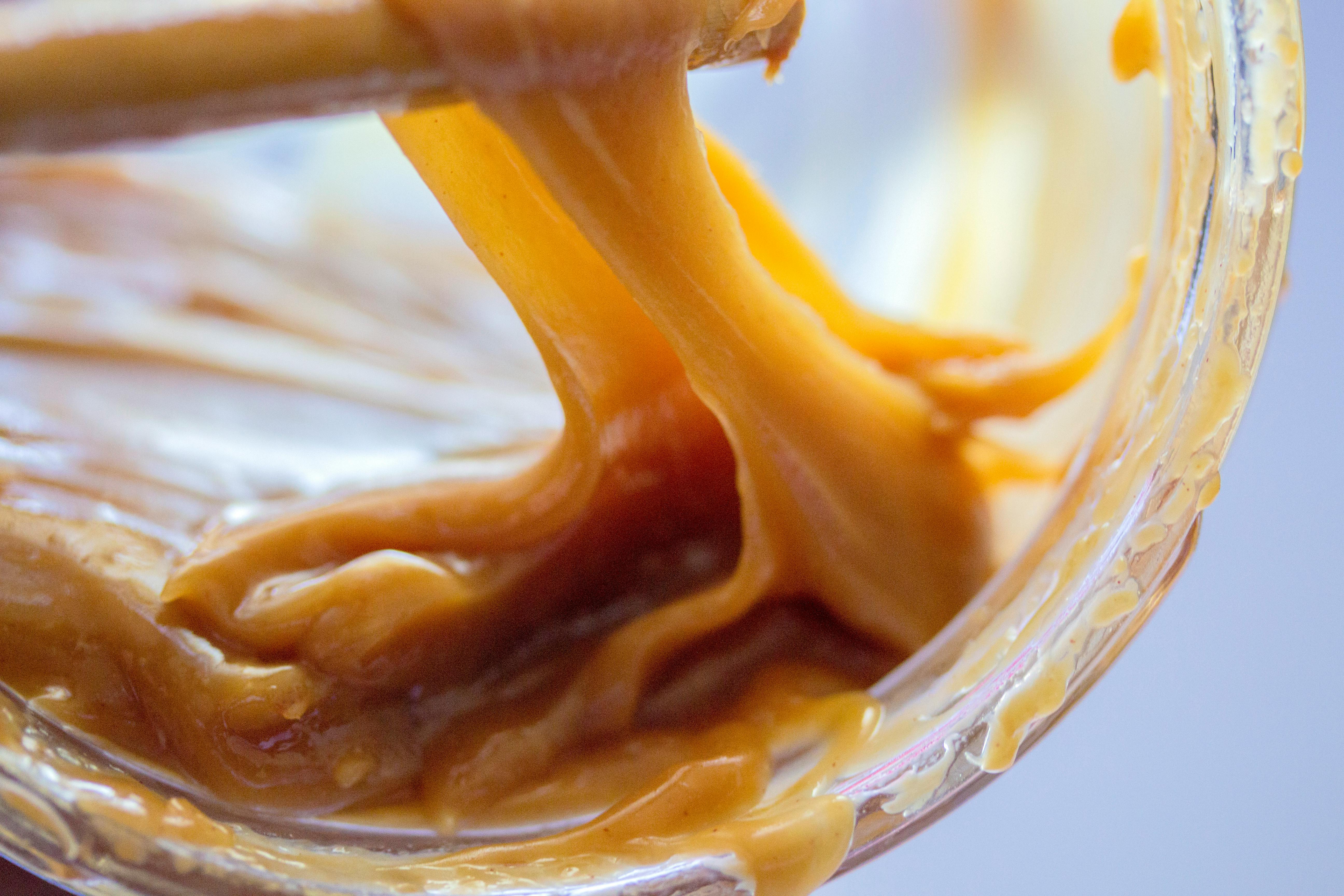
At first glance, caramel seems less like a standalone flavour and more like a mood. It signals warmth, richness, and familiarity, which helps explain why it performs so well across categories. In Canada, that matters because the foods people return to most often are usually tied to comfort, seasonality, and small everyday indulgences rather than novelty alone.
One reason caramel appears so dominant is its range. It works in chocolate bars, coffee drinks, cookies, dairy desserts, breakfast spreads, and baked goods without feeling out of place. Vanilla is versatile too, but caramel carries more sensory identity because it adds toasted sugar notes, slight bitterness, and a buttery finish that consumers recognize instantly.
Market patterns in packaged food and quick-service menus have reinforced that visibility. Grocery shelves regularly feature salted caramel, caramel swirl, caramel macchiato, caramel popcorn, and caramel-filled chocolates. When one flavour can move fluidly between premium treats and mainstream snacks, it starts to feel like a national favourite even before hard rankings prove it.
That said, popularity and ubiquity are not exactly the same thing. Canadians also buy enormous amounts of chocolate, vanilla, maple, and berry-flavoured products. The stronger question is not whether caramel is everywhere, but whether it consistently wins when shoppers are given real choices in stores, cafés, and dessert counters.
The Canadian taste for comfort and sweetness
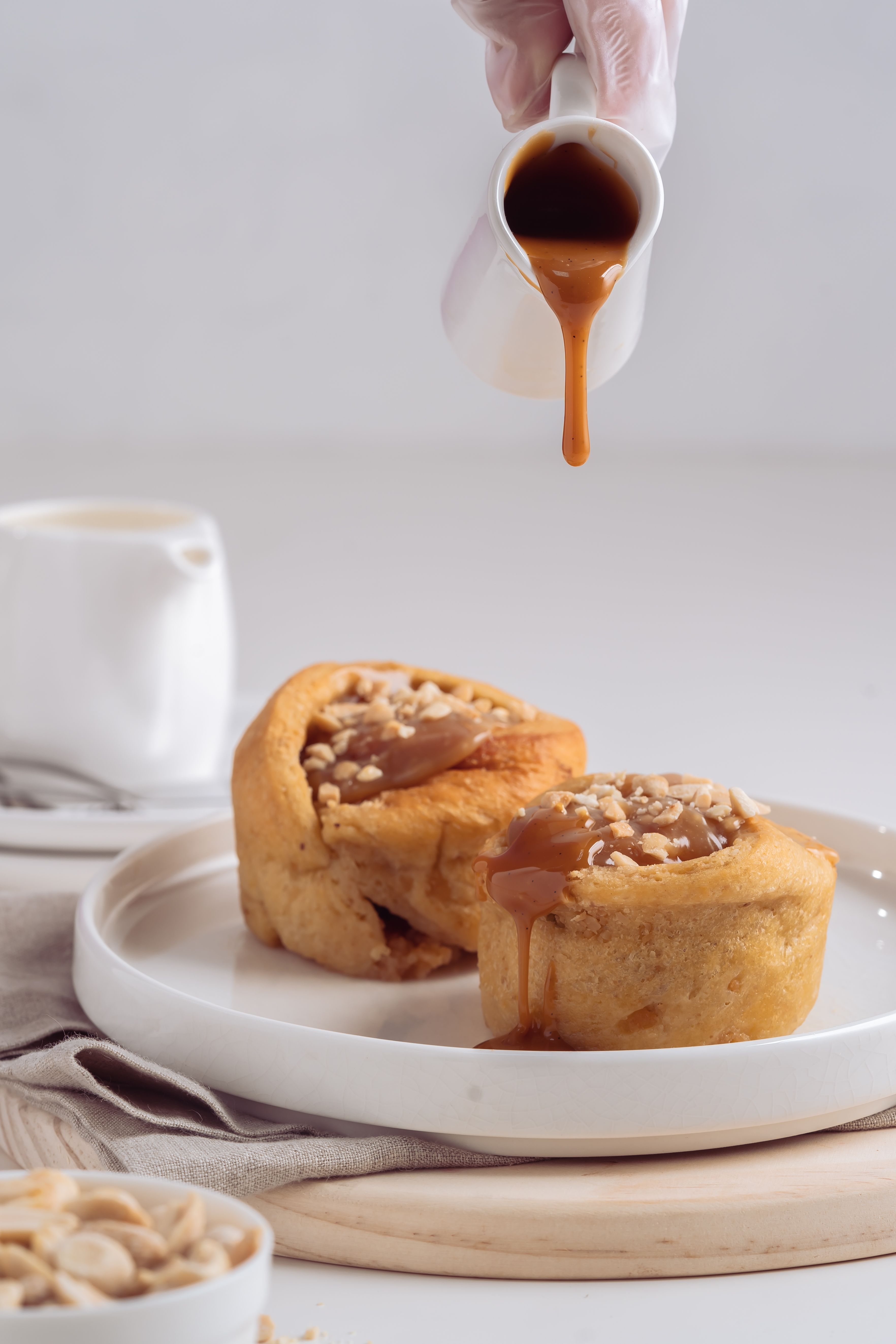
A useful way to judge caramel's strength is to look at the broader Canadian palate. Consumer food trends in Canada often lean toward balanced sweetness, nostalgic flavours, and products that feel familiar but still slightly elevated. Caramel fits that preference unusually well because it tastes indulgent without seeming extreme or overly artificial.
In colder climates, richer flavour profiles tend to gain traction during long autumn and winter seasons. Caramel benefits from that pattern because it pairs naturally with coffee, apples, cinnamon, chocolate, and cream. It slips easily into holiday baking, café menus, and seasonal grocery promotions, then often remains in rotation long after limited-time flavours disappear.
There is also a cultural angle. Canada has a strong snack and confectionery market shaped by both North American mass brands and local artisanal makers. Caramel bridges those worlds. A convenience-store chocolate bar with caramel can sit comfortably beside handcrafted sea-salt caramel truffles from a boutique chocolatier, and both appeal to the same desire for sweetness with depth.
Still, preference is fragmented by region, age, and product type. Younger consumers may chase trendy fruit and candy-inspired profiles, while older buyers may gravitate toward caramel, coffee, and toffee notes. So caramel's national appeal is real, but it may be strongest as a cross-generational comfort flavour rather than a runaway number one in every category.
Where caramel shows up most in everyday Canadian life
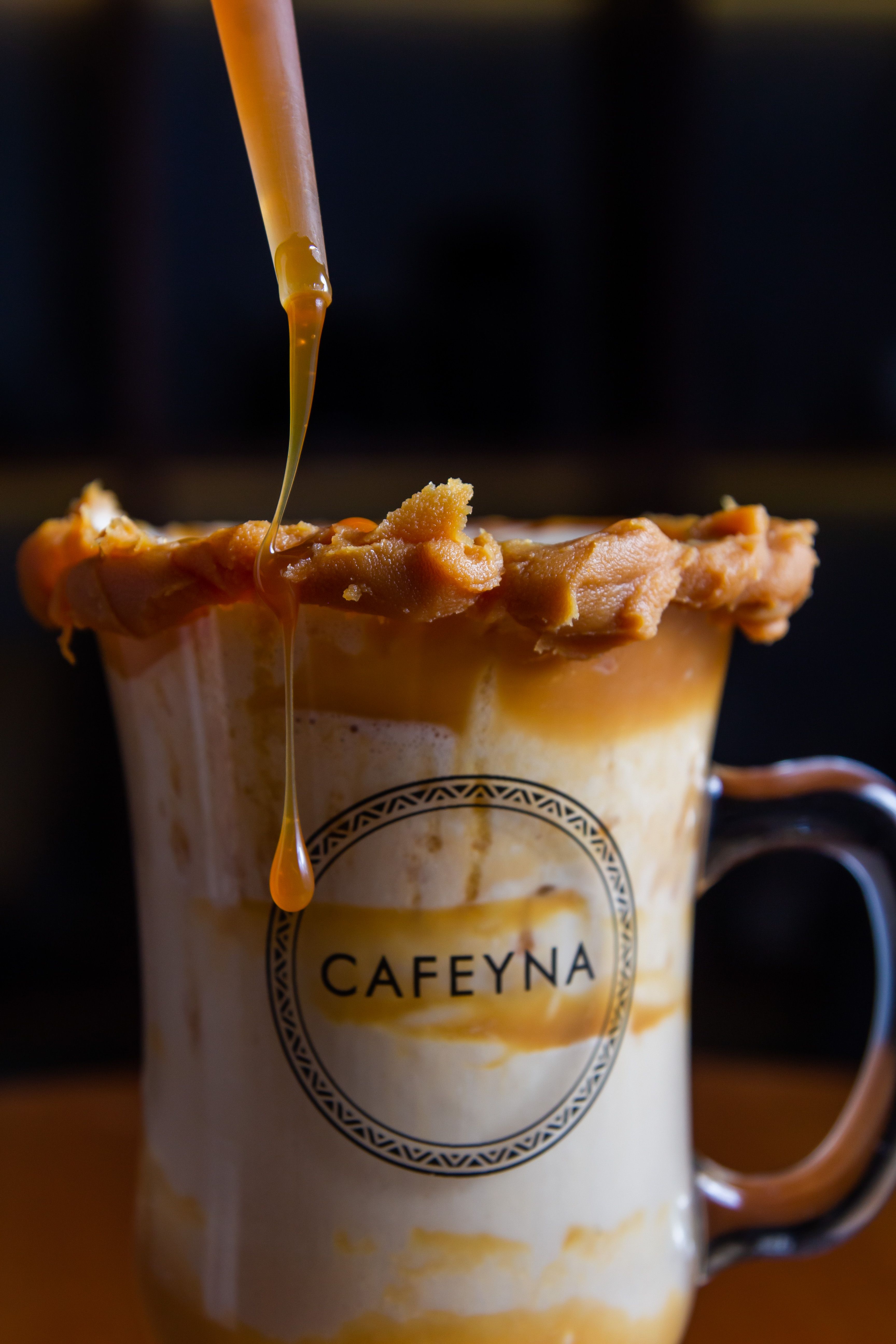
The clearest case for caramel comes from frequency of exposure. Canadians encounter it constantly in coffee culture, where caramel syrups, drizzles, flavoured creamers, and blended drinks remain menu staples. Major chains and independent cafés alike rely on caramel because it is easy to pair with espresso and milk, making it one of the safest flavour choices for repeat sales.
The grocery aisle tells a similar story. Caramel appears in ice cream pints, frozen novelties, popcorn, puddings, cheesecake, yogurts, cereal bars, and sandwich cookies. Salted caramel in particular has had remarkable staying power. What began as a premium flavour cue expanded into mainstream packaged foods, suggesting that consumers did not just tolerate it, they kept buying it.
Confectionery may be caramel's strongest territory. Canada has long embraced chewy caramels, caramel-filled chocolate bars, and toffee-adjacent sweets. In these categories, caramel is not a supporting flavour but a central one. Its texture also matters because consumers often respond to chewiness and gooey fillings as much as taste, giving caramel an advantage over simpler flavour profiles.
Even in home kitchens, caramel has influence. Canadians use caramel sauces in coffee, baking, and holiday desserts, while caramelized sugar notes appear in butter tarts, flans, and bakery items. That kind of culinary spread gives caramel a reach that extends far beyond a single shelf in the supermarket.
The rivals caramel has to beat
No flavour can claim national supremacy without serious competition. Chocolate remains the biggest obstacle by far because it dominates desserts, candy, baked goods, and ice cream across Canada. If Canadians are asked for a favourite treat flavour in the broadest possible sense, chocolate likely leads simply because it has unmatched category strength and year-round demand.
Vanilla is another underestimated rival. It may sound plain, but it drives enormous sales in ice cream, yogurt, cakes, and bakery products. Maple also deserves attention because of its symbolic place in Canadian food identity. While maple may not appear in as many daily purchases as caramel, it carries a uniquely Canadian cultural weight that caramel cannot fully match.
Fruit flavours complicate the picture further. Strawberry, apple, and mixed berry profiles remain powerful in yogurt, jams, candies, pastries, and beverages. In summer especially, lighter fruit flavours often outperform richer ones. That seasonal swing matters because a true favourite should ideally sustain high appeal across climates, occasions, and demographic groups.
What caramel does better than many rivals is versatility with sophistication. It feels more indulgent than vanilla, more nuanced than plain sugar, and more adaptable than maple. But if the question is whether caramel is Canada's undisputed favourite flavour overall, the evidence suggests a top-tier contender rather than an unchallenged champion.
What sales trends and product launches suggest

A practical way to assess flavour leadership is to watch what manufacturers keep launching and what retailers keep stocking. Over the past decade, salted caramel has been one of the most persistent flavour descriptors in North American food retail, including Canada. Flavours usually disappear when they stop selling, yet caramel has remained visible in premium and mass-market products alike.
This staying power signals commercial confidence. Brands use caramel when they want broad appeal with a hint of indulgence, which is why it appears so often in limited editions that later become permanent. In ice cream, specialty coffee, chocolate, and bakery items, caramel frequently serves as the bridge between comfort and premiumization, a combination that modern shoppers respond to strongly.
Consumer research across food sectors has repeatedly shown that familiar flavours often outperform adventurous ones when real purchasing decisions are involved. Caramel benefits from that tendency because it feels recognizable but not boring. It can also support price premiums, especially when framed as sea salt caramel, burnt caramel, caramel crunch, or caramel latte, all of which imply added texture or craft.
Even so, broad retail presence does not automatically equal first-place preference. It may instead show that caramel is one of the safest bets in Canadian food marketing. That distinction matters. A safe bet can generate large, stable sales without necessarily being the single most loved flavour in the country.
So, is caramel Canada's favourite flavour?
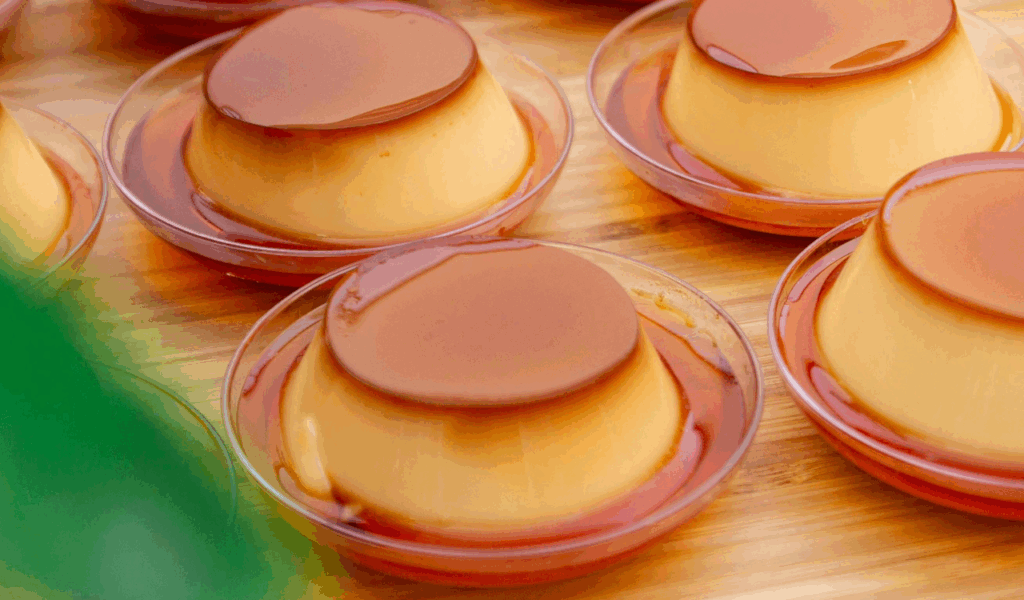
The honest answer is that caramel is probably one of Canada's favourite flavours, but declaring it the favourite goes a step too far. It has exceptional reach, strong emotional appeal, and unusual flexibility across beverages, desserts, snacks, and confectionery. Few flavours move as easily between upscale treats and everyday comfort foods.
Its strength lies in consistency. Caramel rarely feels divisive, and it works in every season even if it peaks in cooler months. It also benefits from sensory complexity. The mix of sweetness, toastiness, butteriness, and slight bitterness gives it more depth than many standard sweet flavours, which helps explain its lasting popularity with a broad audience.
But national favourites are hard to crown because flavour loyalty changes by category. Chocolate likely leads in candy and many desserts, vanilla remains foundational in dairy, and maple holds symbolic power that no imported trend can replace. Canada is not choosing one flavour so much as returning repeatedly to a small group of trusted classics.
So if the question is whether caramel has earned elite status in Canada's flavour hierarchy, the answer is yes. If the question is whether it stands alone at the top, the evidence is less certain. Caramel is not merely a trend in Canada. It is a durable, deeply embedded favourite with serious staying power.




Leave a Reply