
Lemongrass has long been essential in Southeast Asian cooking, but its appeal now reaches far beyond a single cuisine. These six slides show how chefs use its fresh citrus aroma, gentle ginger note, and sturdy stalks to build flavor in dishes that look as good as they taste.
The stalk itself
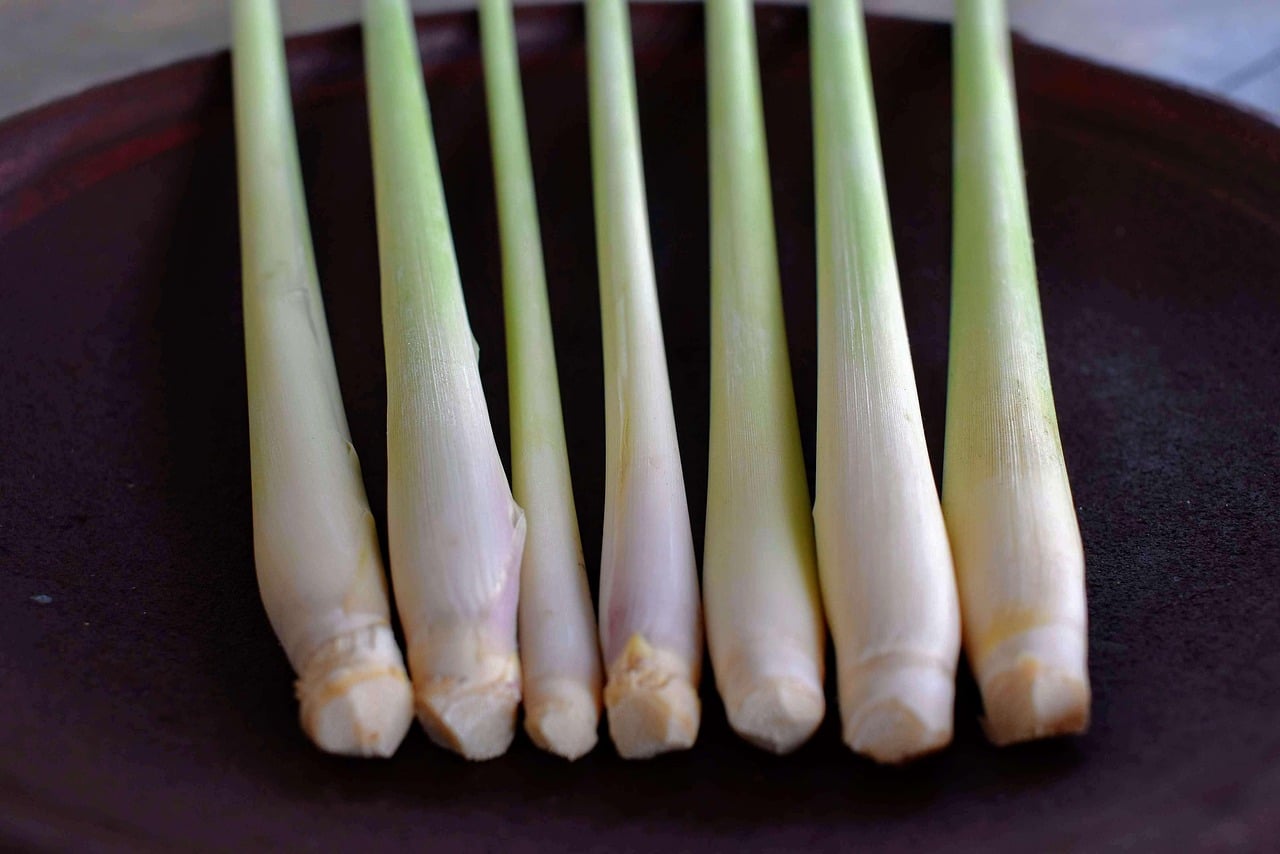
At first glance, lemongrass looks more practical than glamorous, with pale green stalks and tough outer layers. Its value is in the aroma packed inside. When trimmed, bruised, or finely sliced, it releases a fragrance that suggests lemon zest, herbs, and a little peppery warmth.
Cooks usually peel away the fibrous outer leaves and use the tender center. Whole pieces can perfume broths and sauces, much like a bay leaf, then be removed before serving. Finely minced lemongrass can also be eaten, especially when blended into pastes or marinades.
That flexibility helps explain its growing reach in restaurant kitchens. It can be subtle or assertive, depending on how it is prepared, and it brings brightness without the sharp acidity of lemon juice.
A backbone of curry pastes
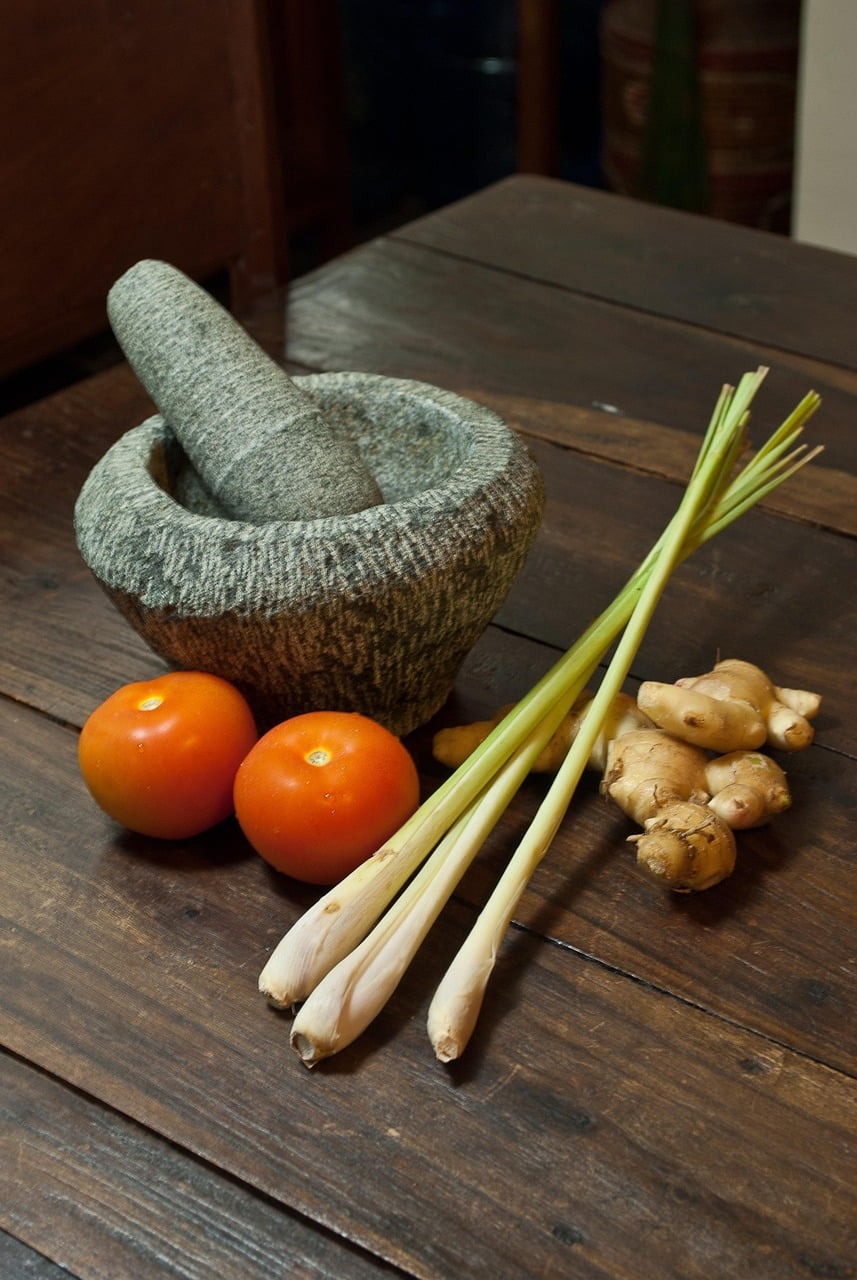
In many curries, lemongrass works behind the scenes, but its role is central. It is commonly pounded with ingredients such as chilies, garlic, shallots, and galangal to form a fragrant paste, creating a base that smells fresh even before it hits the pan.
Its citrus note cuts through rich ingredients like coconut milk and helps keep long-simmered dishes from tasting heavy. That balance is one reason it appears so often in Thai and Cambodian curry traditions, where layered spice matters as much as heat.
For a photo gallery, curry paste is also one of the clearest ways to show lemongrass in action. The chopped stalks, mortar and pestle, and vivid colors of the finished paste make the herb's contribution visible, not just flavorful.
The secret in grilled meats

Lemongrass shows a different side over fire. In marinades for chicken, pork, or beef, it adds perfume first, then a savory depth as the meat cooks, especially when mixed with garlic, fish sauce, sugar, and oil.
Because the herb is fibrous, chefs often mince it very finely or grind it into a paste before rubbing it on meat. That helps flavor spread more evenly and prevents tough bits from clinging to the finished dish. The result is fragrant rather than harsh.
In parts of Vietnam and Thailand, lemongrass-marinated grilled meats are a familiar sight. They come to the table with charred edges, fresh herbs, and dipping sauces, proving that the plant is just as effective on a grill as it is in a soup.
A natural match for seafood
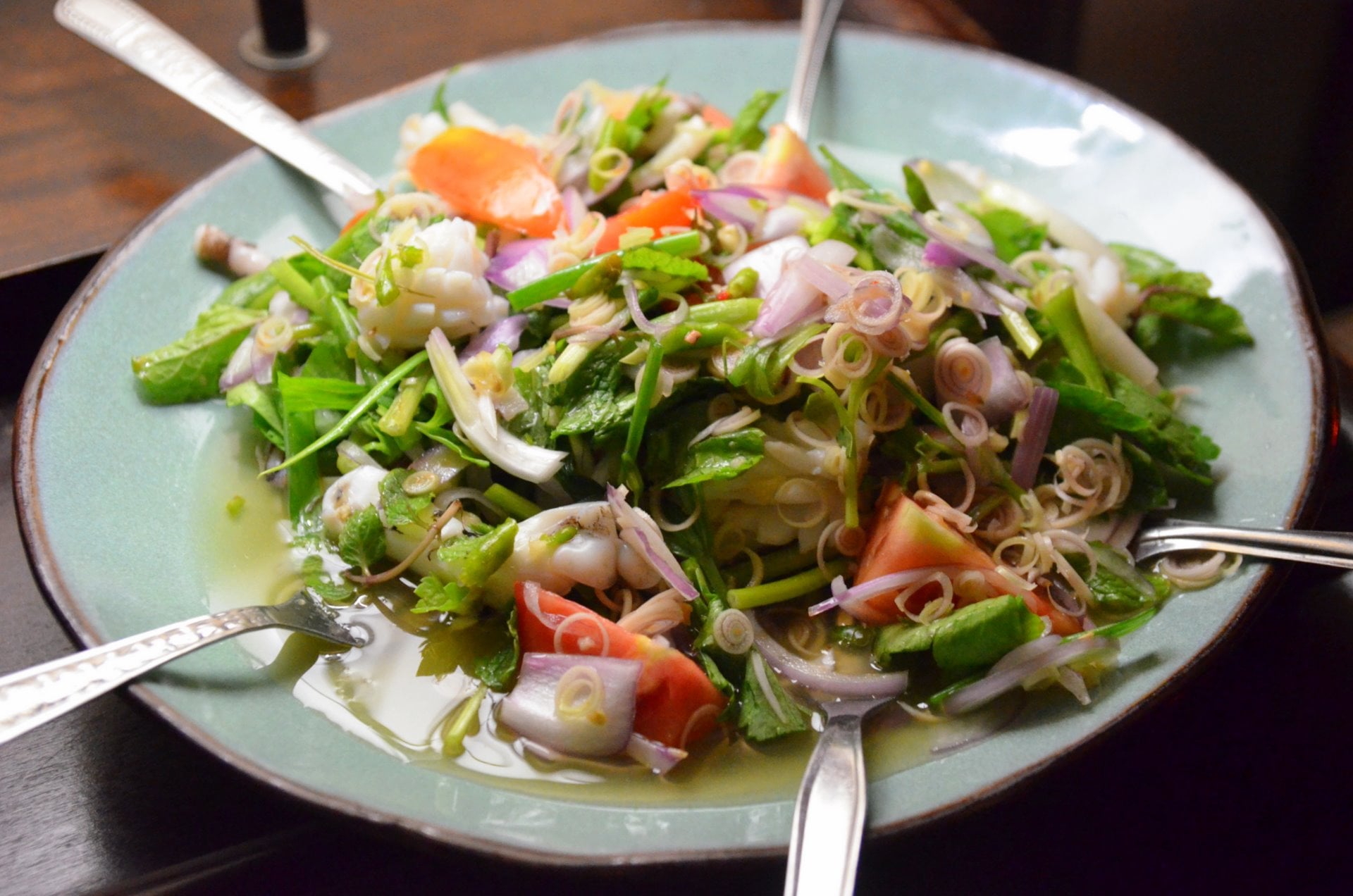
Seafood and lemongrass often meet on common ground: both taste best when treated with restraint. A stalk bruised and simmered in broth can gently scent shrimp, mussels, or fish without covering their natural sweetness.
That makes it especially useful in poached dishes, steamed preparations, and coconut-based sauces. Many chefs pair it with lime leaves, ginger, or chilies, building an aromatic profile that feels layered but still clean.
Visually, this is one of the herb's most elegant uses. A bowl of mussels in a lemongrass broth or a fillet steamed with herbs tells the story instantly, because the ingredient supports the dish while letting the main subject remain clear.
Beyond savory cooking

Lemongrass is not limited to soups and curries. Pastry chefs and bartenders use it for its fragrance, often infusing it into syrups, custards, teas, and cream, where it brings a citrus effect without the sourness that lemon juice would add.
That matters in desserts that need aroma more than acid. A lemongrass panna cotta, sorbet, or ice cream can taste bright and refreshing while staying smooth and balanced. In drinks, it pairs well with ginger, cucumber, coconut, and gin.
This broader use helps explain why the herb keeps appearing in modern kitchens. It is recognizable enough to feel inviting, but distinctive enough to give a familiar dessert or cocktail a fresh point of view.
Why chefs keep returning to it

Some ingredients become popular because they are bold. Lemongrass succeeds for almost the opposite reason. It is vivid but disciplined, adding lift, scent, and structure without overwhelming the foods around it.
Chefs value ingredients that can move across courses, and lemongrass does exactly that. It can flavor broth, perfume a grill marinade, steep into cream, or infuse a drink. Few herbs handle that many jobs while keeping such a clear identity.
That range is the real story behind its rise. Lemongrass is not a fleeting menu trend. It is a practical, expressive ingredient that gives cooks a reliable way to make food taste fresher, lighter, and more defined.




Leave a Reply