
Fine dining can be memorable, but a high price does not always mean a better meal. These five dishes come up again and again when chefs, critics, and hospitality experts talk about menu items that often disappoint once the bill arrives.
Truffle pasta
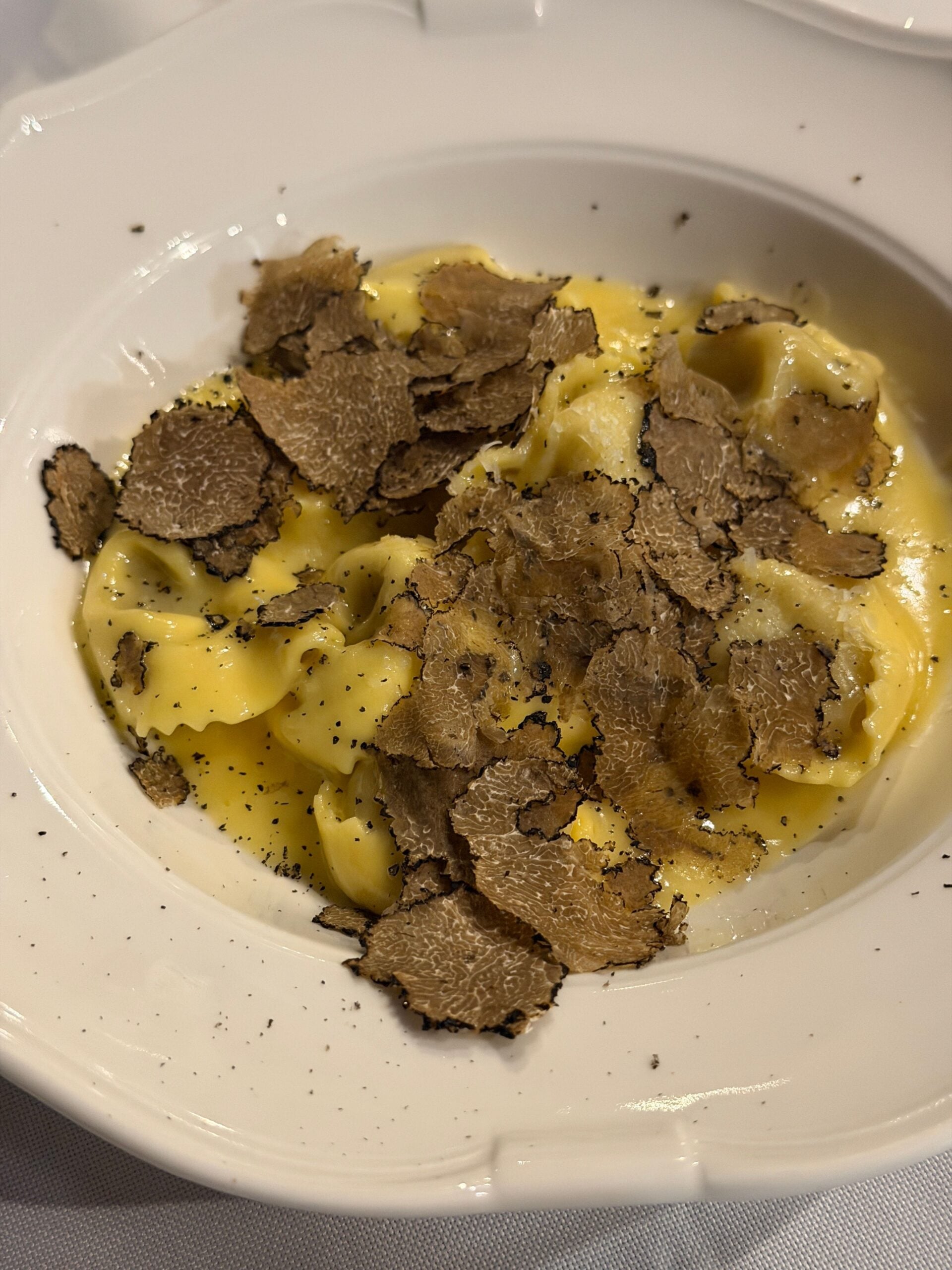
Few ingredients signal luxury as quickly as truffles, which is exactly why truffle pasta can feel like a safe upsell on fine dining menus.
Chefs often point out that many so-called truffle dishes rely less on fresh truffle and more on truffle oil. According to food writers and restaurant professionals, truffle oil is commonly made with synthetic flavor compounds that create a strong aroma but not the depth people expect from real truffles.
That matters because pasta itself is usually inexpensive to make, even in a high-end kitchen. When a simple butter or cream sauce gets a luxury markup based mostly on scent, diners may be paying for the idea of indulgence rather than a genuinely rare ingredient.
Caviar service
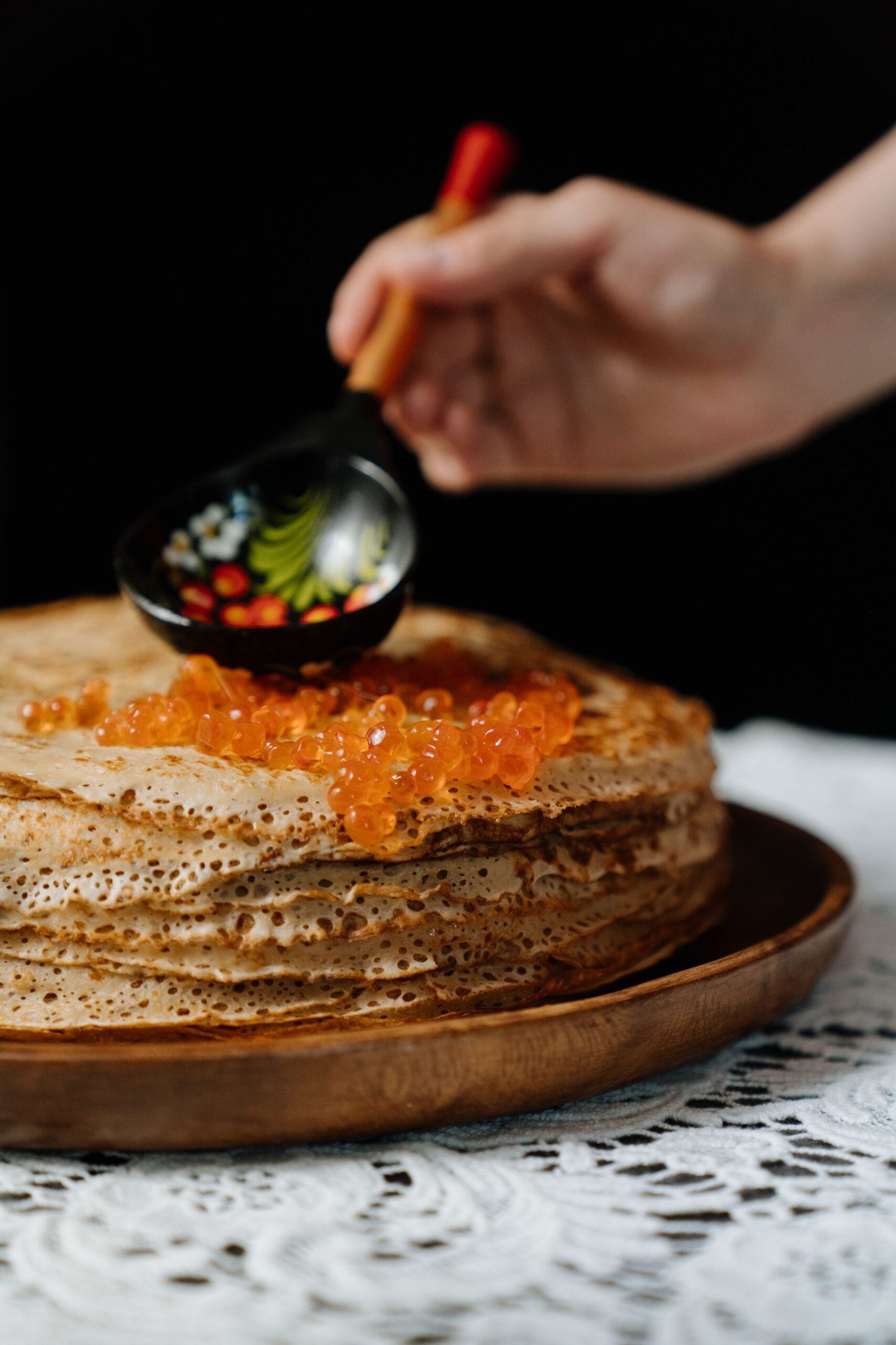
Caviar has history, ceremony, and a reputation for exclusivity, but experts often note that the experience can feel more impressive than filling.
Traditional caviar service usually arrives with blini, toast points, crème fraîche, chopped egg, or other mild accompaniments. The setup is elegant, yet the portion of roe is often quite small, and the price can climb fast depending on the species and origin.
Food professionals who critique value on tasting menus often say caviar makes the strongest case as a special splurge when quality is exceptional. When it is added more for prestige than flavor impact, though, diners may end up remembering the price more than the bite.
Wagyu with heavy add-ons
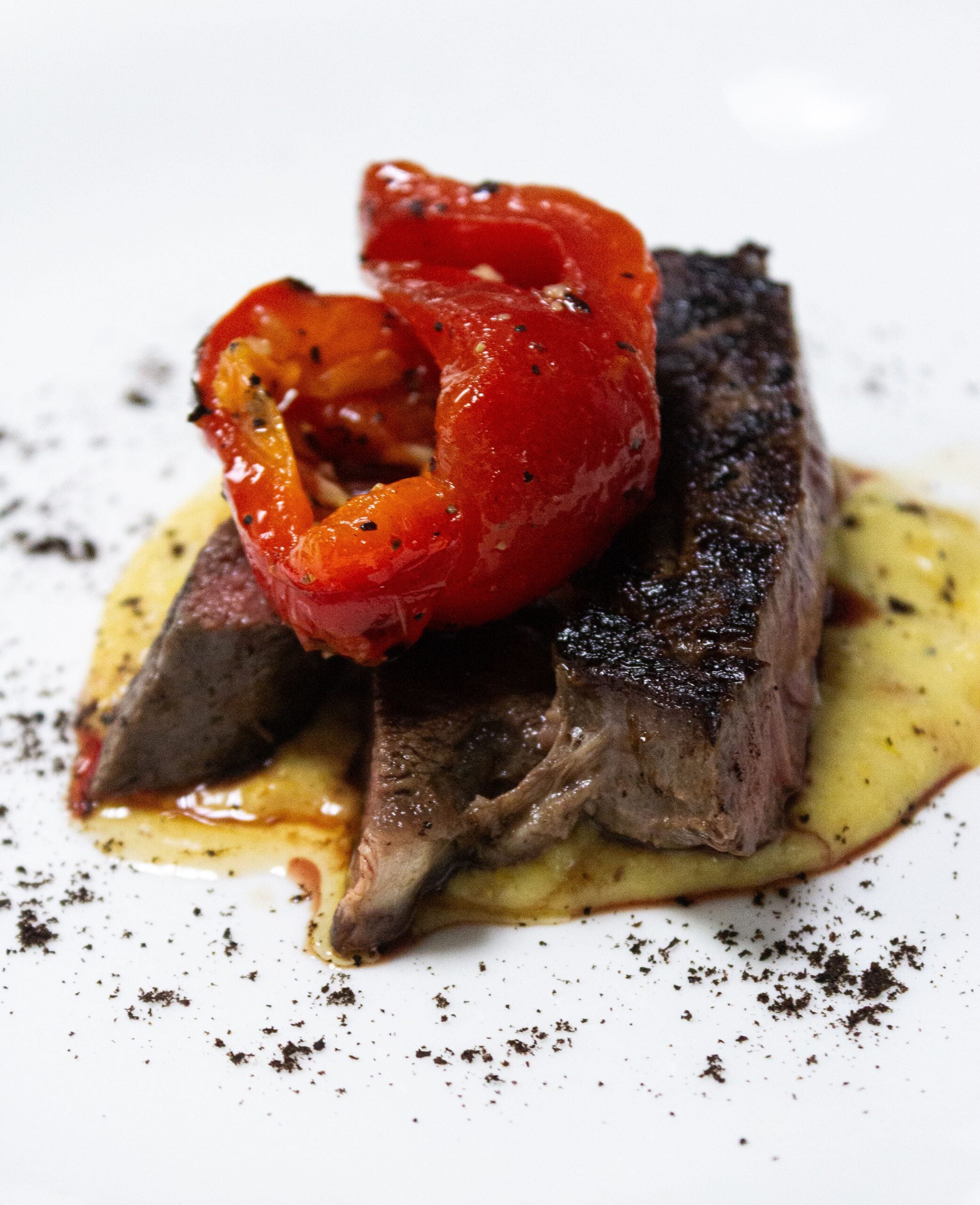
Real Japanese Wagyu is famous for intense marbling and richness, but that richness is exactly why some experts think it is best in small amounts.
Restaurant reviewers and chefs frequently warn that large Wagyu portions, or Wagyu covered in sauces, butter, or elaborate garnishes, can miss the point. A heavily dressed plate can blur the qualities that make the beef expensive in the first place.
There is also the labeling issue. In the United States, menus may use "Wagyu" broadly, even when the beef is domestic crossbred rather than imported Japanese Wagyu. That does not make it bad, but it can make the premium price feel harder to justify if diners think they are getting something rarer than they are.
Gold leaf desserts

Edible gold turns almost any dessert into a social media moment, which is one reason pastry experts often view it with skepticism.
Gold leaf is visually striking, but it is prized for appearance, not taste. It adds no flavor, no aroma, and no texture most people would notice, yet it can push a dessert into a much higher price bracket simply because it looks extravagant in photos.
Critics of flashy luxury dining often use gold-covered cakes, sundaes, and chocolates as examples of price inflation by presentation. If the pastry underneath is excellent, the dessert can still satisfy. But the gold itself usually contributes status, not a better eating experience.
Deconstructed classics
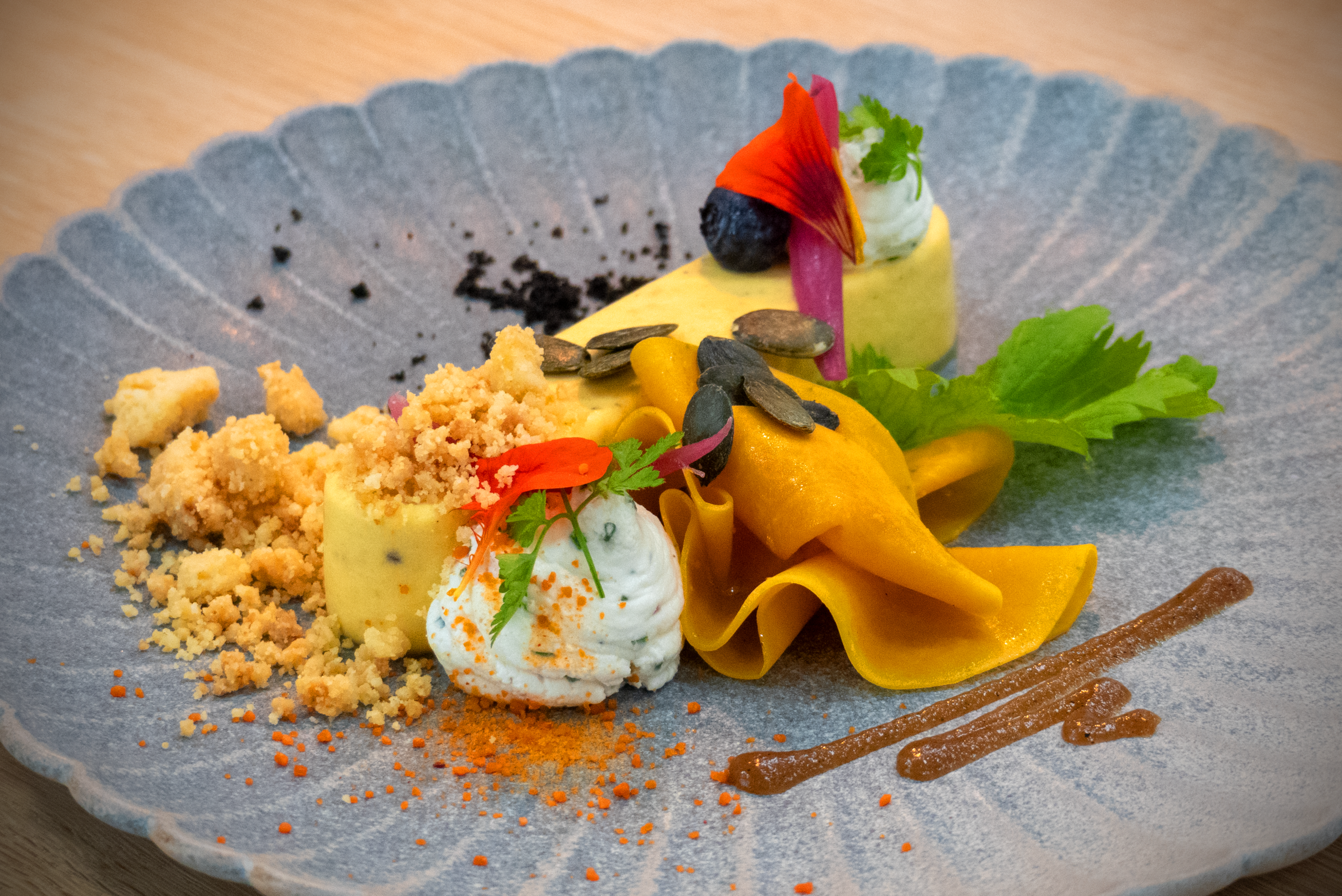
Deconstructed dishes promise creativity, but they are also one of the easiest ways for a restaurant to turn a familiar favorite into something less satisfying.
When chefs deconstruct a tiramisu, Caesar salad, or beef Wellington, the result can separate elements that were meant to work together in each bite. Hospitality experts often say diners are then asked to admire technique instead of enjoying the balance that made the original dish popular.
At their best, these plates offer a fresh perspective. At their worst, they look clever but eat awkwardly, with portions, temperatures, or textures that no longer make sense. That is why many experts see deconstruction as a riskier bet than a straightforward, well-executed classic.

Leave a Reply