
Some New York restaurants are famous because the food is excellent. Others are famous because they have become part of the city's mythology. This gallery looks at six of the names visitors hear most often, focusing on what each place is known for and whether the full experience feels worth the money and wait.
Katz's Delicatessen
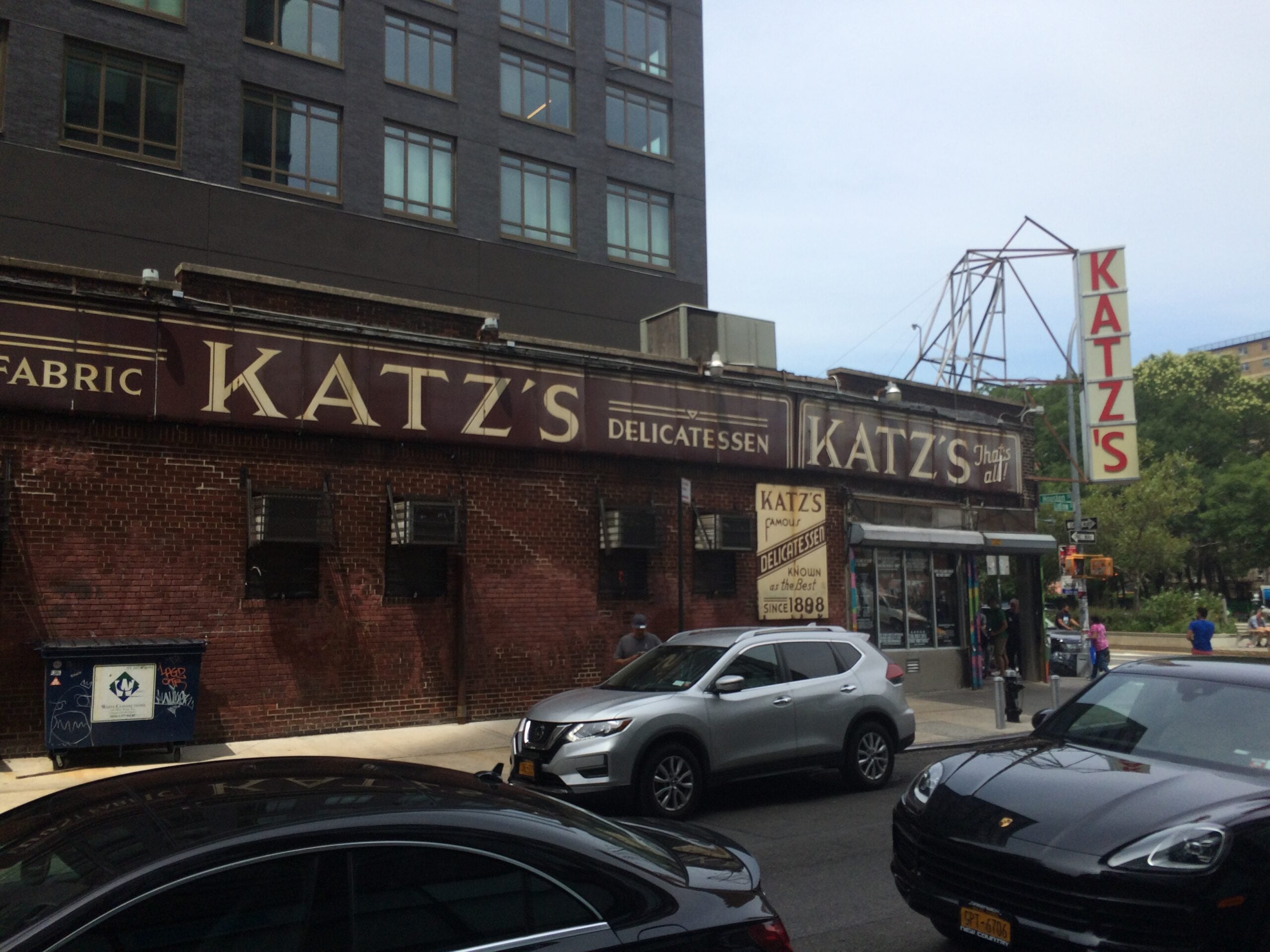
Few restaurants in New York sell one item as convincingly as Katz's sells pastrami. The Lower East Side deli has been serving customers since 1888, and its hand carved pastrami sandwich remains the reason most people come. The room is loud, crowded, and unapologetically old school, which is part of the appeal.
The practical downside is price. A pastrami sandwich costs $30.95, and the line can stretch well beyond the door at peak times. Still, the meat is deeply seasoned, sliced to order, and piled high enough to feel like a full event rather than a quick lunch.
Verdict: worth it. Katz's is expensive, but the sandwich is genuinely distinctive, and the atmosphere gives you something a copycat deli cannot.
Peter Luger Steak House
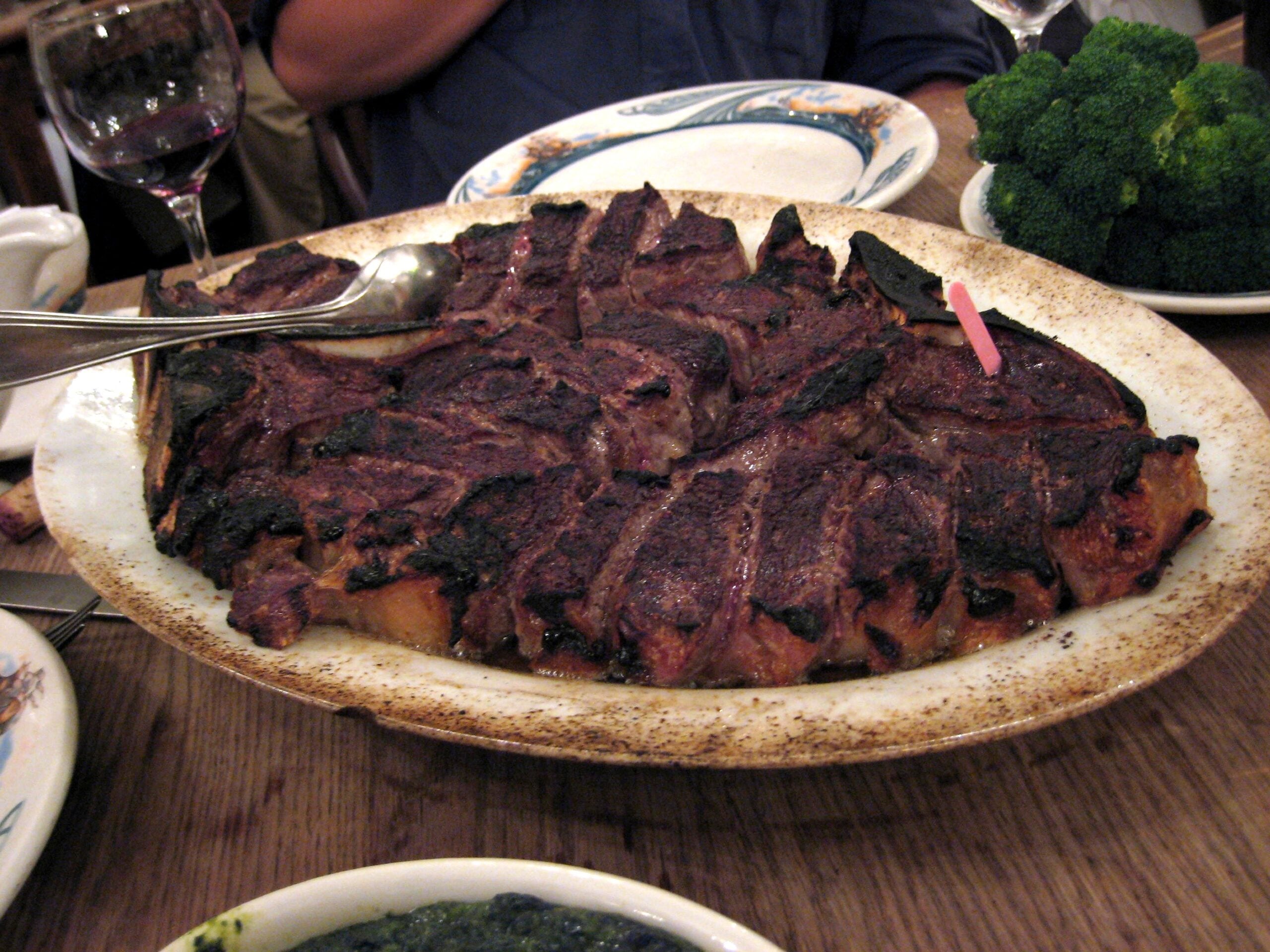
Peter Luger built its reputation on a single clear promise, a great steak in an old Brooklyn institution. The Williamsburg restaurant opened in 1887 and has held onto a style that feels almost frozen in time, from the no nonsense service to the famous thick cut bacon and porterhouse for two.
It is also one of the toughest reservations in town, and it is not cheap. The porterhouse steak for two is listed at market price, so the cost can vary, and the final bill rises quickly once sides and dessert are added. That unpredictability is part of what gives some visitors pause.
Verdict: worth it, with conditions. If your goal is classic New York steakhouse theater, Peter Luger still delivers. If you mainly care about value or a more polished service experience, it can feel overrated.
Joe's Pizza
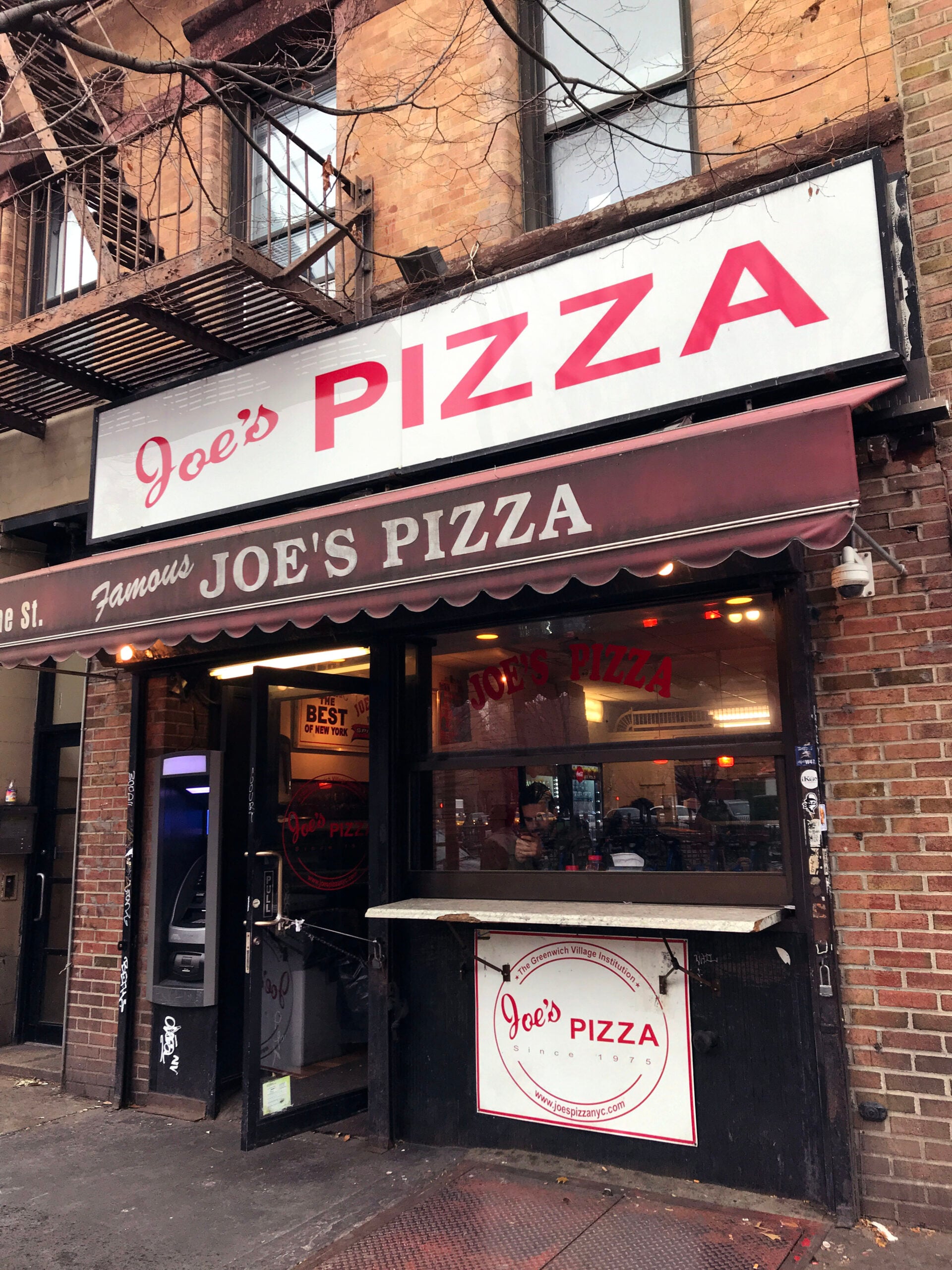
Sometimes the most famous place really is the simplest one. Joe's Pizza has been serving New York style slices in Greenwich Village since 1975, and its plain cheese slice remains the benchmark many visitors picture when they imagine a classic city pizza stop.
The formula is straightforward, a thin crust, balanced sauce, and enough mozzarella to stay rich without turning heavy. A regular cheese slice is affordable compared with the city's headline grabbing tasting menus, which matters in a town where popularity often inflates prices quickly.
Verdict: worth it. Joe's does not promise reinvention, and that honesty helps it win. It is busy, fast, and satisfying, which is exactly what a famous slice shop should be.
Russ & Daughters Cafe
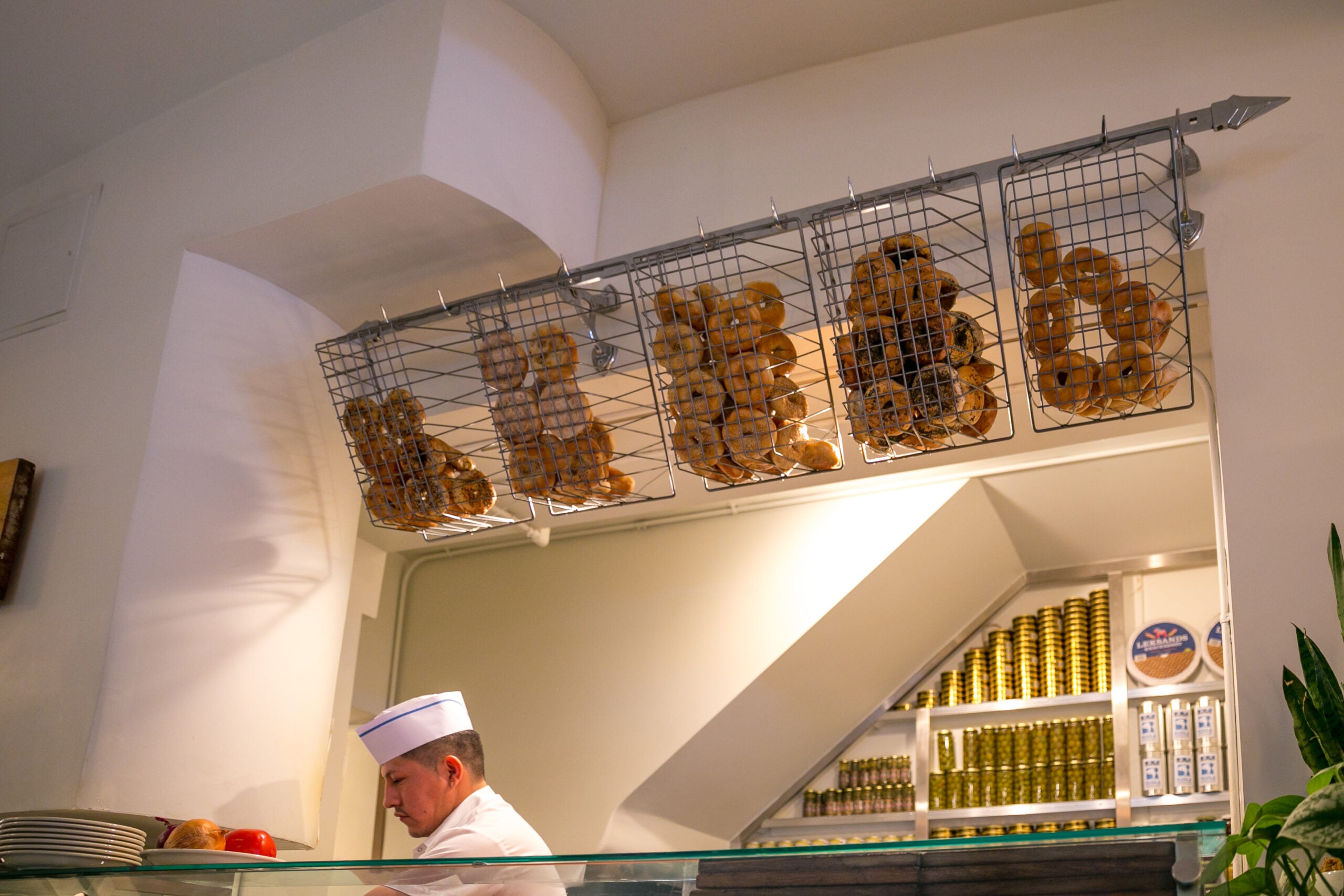
Russ & Daughters started in 1914 as an appetizing store, a New York term for a shop specializing in smoked fish, bagels, and traditional Jewish foods. The cafe, which opened on Orchard Street in 2014, translated that legacy into a full sit down experience with dishes like smoked salmon platters, herring, and egg creams.
This is not a bargain breakfast, especially if you order a full fish board with add ons. But the quality is easy to notice, from silky gaspe nova smoked salmon to carefully sourced bagels and bialys. It feels studied without becoming stiff.
Verdict: worth it. For visitors trying to understand a classic New York food tradition beyond a quick bagel counter stop, Russ & Daughters Cafe earns its reputation.
Sylvia's Restaurant
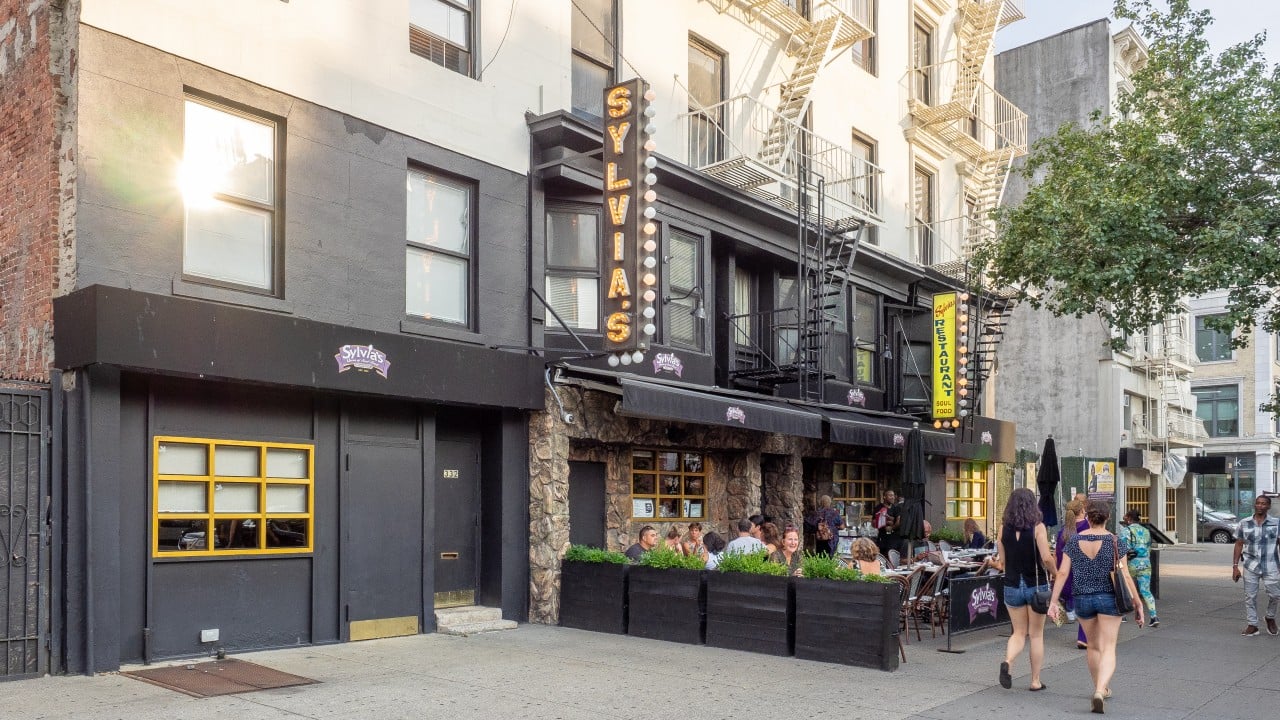
Some famous restaurants become landmarks because they represent a neighborhood as much as a menu. Sylvia's in Harlem opened in 1962, and it is still closely associated with Southern comfort food in New York, especially dishes like fried chicken, barbecue ribs, macaroni and cheese, and cornbread.
The room has a celebratory feel, and that matters here. A meal at Sylvia's is not only about comparing plate prices or chasing a trend. It is about eating in a place tied to Harlem's cultural identity and a family business that has lasted for decades.
Verdict: worth it. Even if other restaurants offer more modern takes on soul food, Sylvia's still feels like a place where the story and the meal strengthen each other.
Le Bernardin
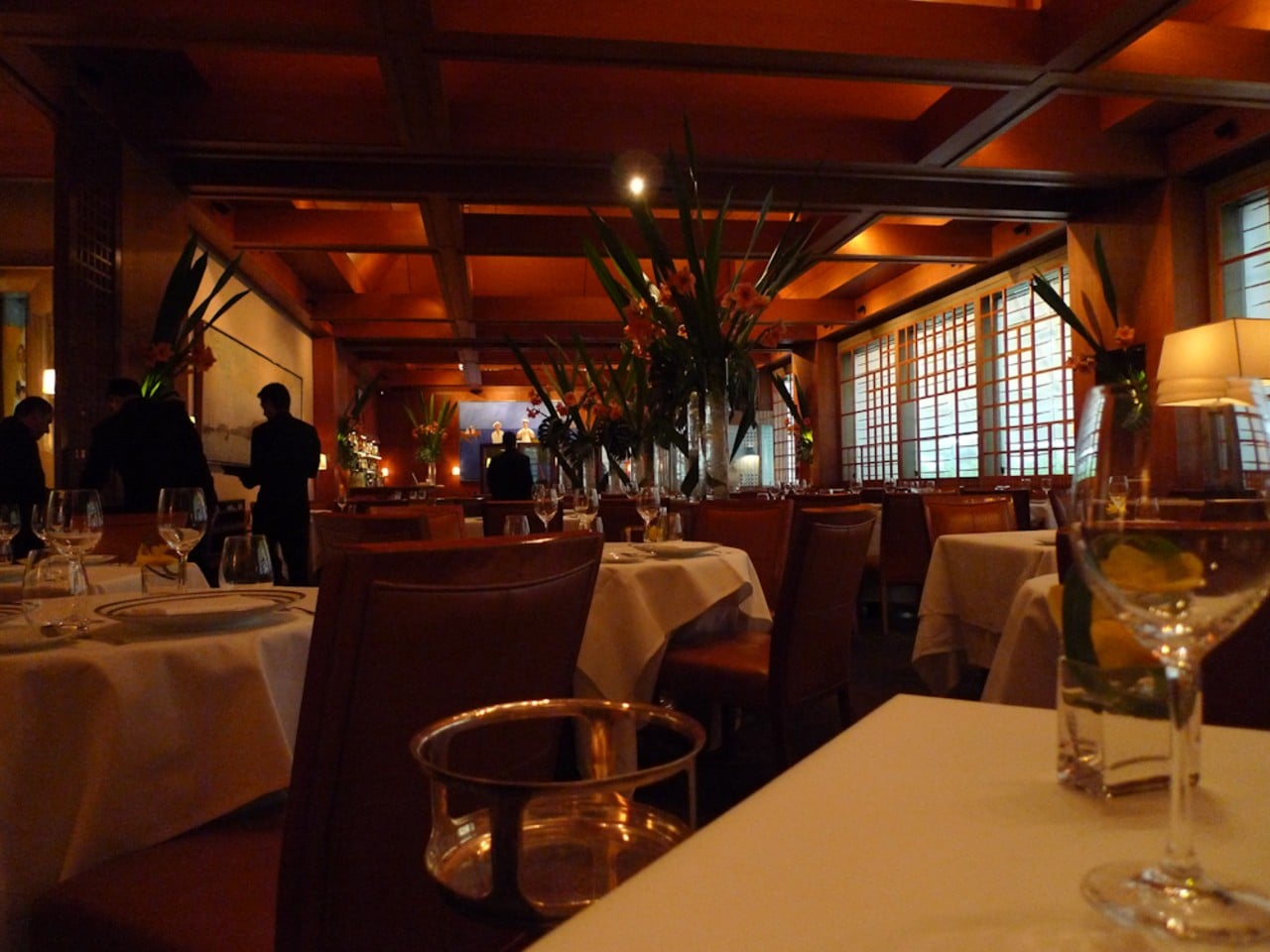
At the opposite end of the spectrum sits Le Bernardin, the Midtown seafood restaurant led by Eric Ripert. It has held three Michelin stars for years and is known for a dining room where nearly every detail, from pacing to plating, is tightly controlled.
This is the restaurant on the list where the bill is the experience as much as the food. The dinner tasting menu is priced accordingly, and nobody stumbles in by accident. Yet that precision is exactly what many diners are paying for, along with seafood handled at a very high level.
Verdict: worth it, if you want formal fine dining. Le Bernardin is not casual, cheap, or spontaneous, but it delivers the kind of polished meal its reputation promises.

Leave a Reply