
Dining out in Canada has become noticeably more expensive, and operators say that feeling is grounded in hard numbers. A new industry survey shows just how widespread the increases have become, while also revealing why higher prices are not solving every restaurant's problems.
Menu boards are changing fast
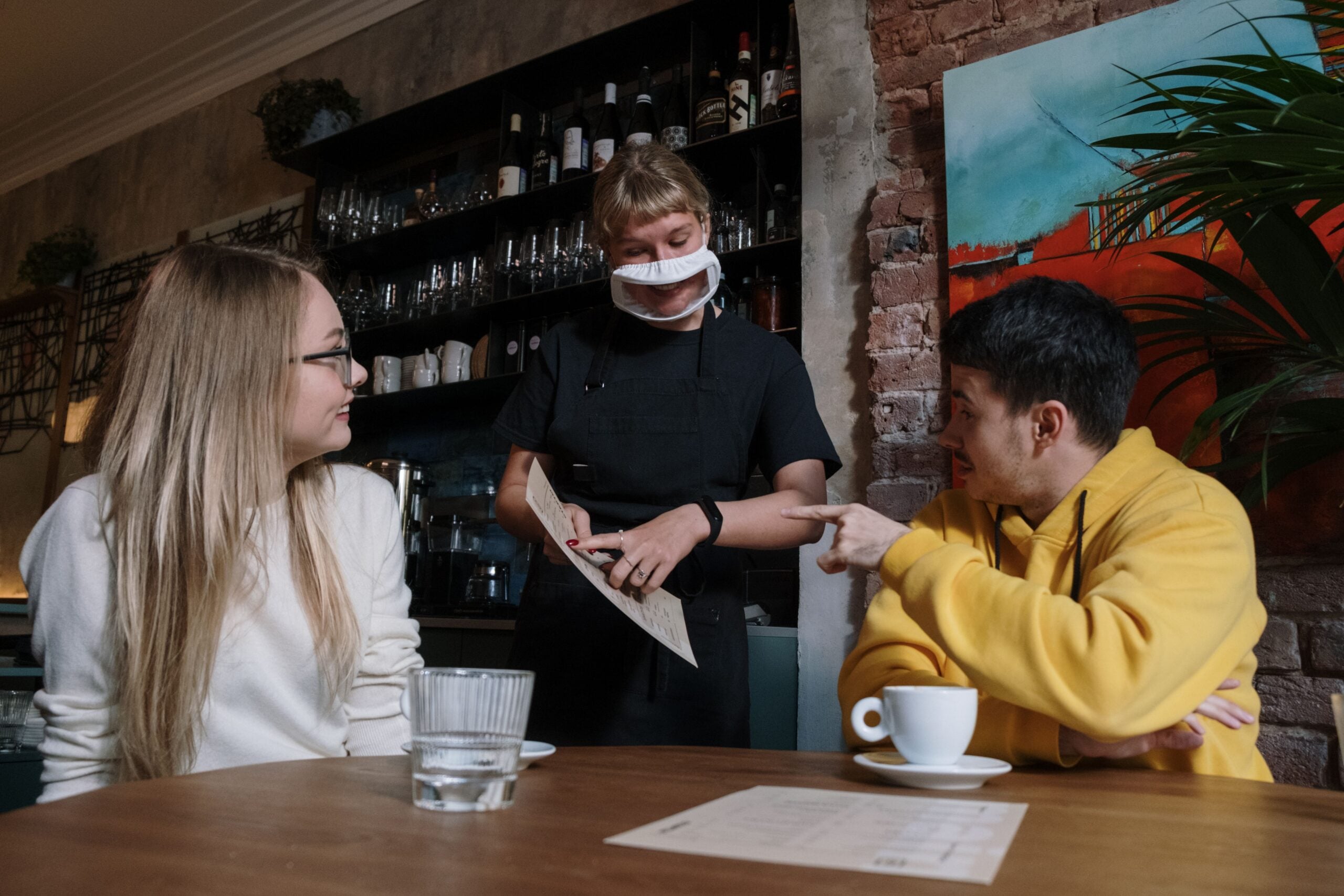
The biggest headline from the inaugural Hospitality Operator Report is simple: 80 per cent of Canadian foodservice and hospitality operators said they increased menu prices in the past 12 months. The report was completed by EconoLease in conjunction with Leger and surveyed 250 Canadian operators about the cost of opening and running a business today.
That helps explain why a routine restaurant visit can feel different now, even before the bill arrives. Diners may see higher prices on familiar burgers, coffees, cocktails, or lunch specials, and the change is broad rather than limited to one niche or city.
The frustration for customers is easy to understand. When prices rise across everyday meals, eating out starts to feel less like a casual habit and more like a planned expense.
Food and drink costs are leading the squeeze

For many operators, the strongest pressure starts with ingredients and beverages. In the report, 64 per cent said food and beverage costs were the area that increased most significantly, making it the top source of strain among the options measured.
That means restaurants are often paying more before a cook even turns on the stove. Meat, produce, cooking oil, dairy, wine, beer, and non alcoholic drinks all feed into the final menu price, and even modest increases can spread through an entire menu.
From a diner's point of view, this can show up in ways that feel subtle but cumulative. A side dish may cost more, a combo may jump by a few dollars, and a once affordable dinner can suddenly feel hard to justify.
Labour is another major pressure point
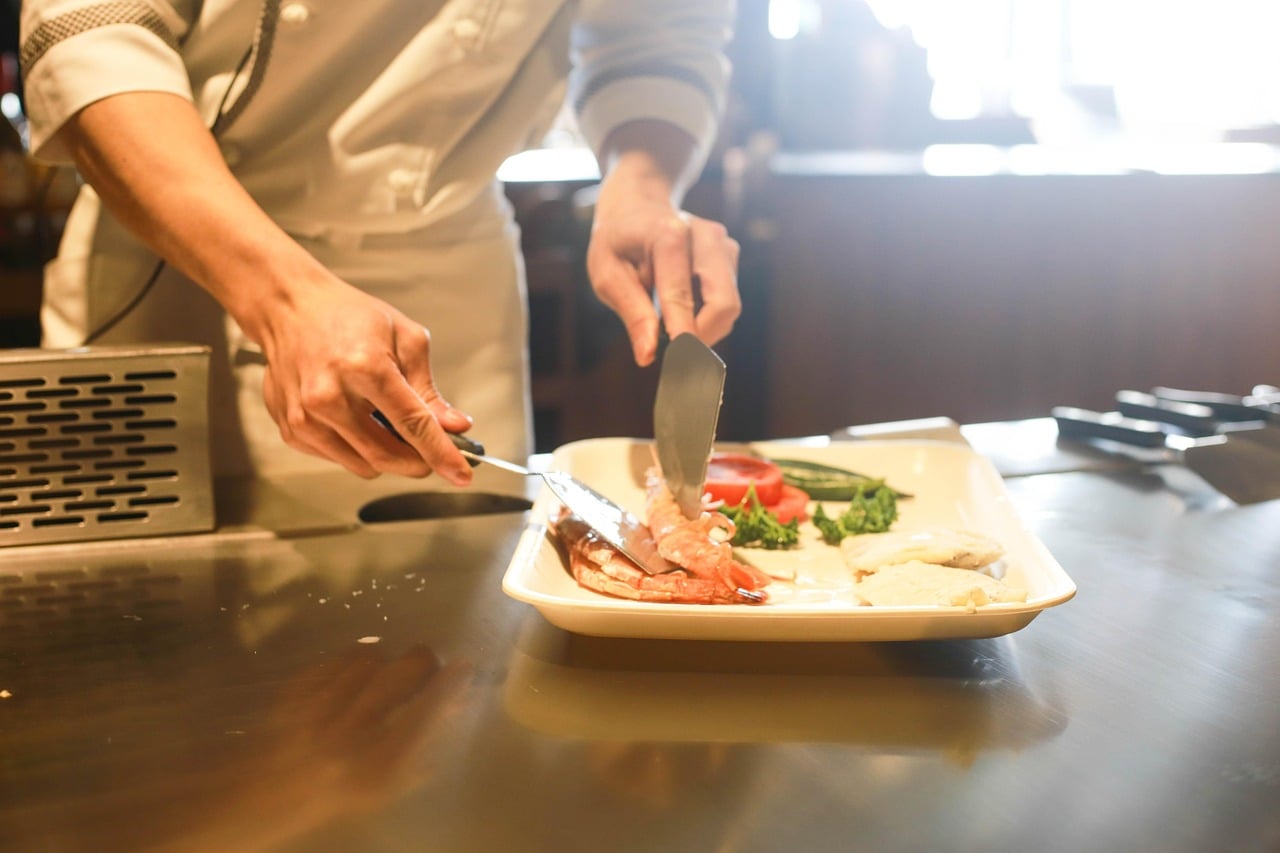
The second biggest cost pressure in the survey was labour and wages, cited by 55 per cent of respondents. Restaurants rely on cooks, servers, bartenders, dishwashers, hosts, and managers, so rising payroll costs can affect nearly every hour a business is open.
The report also found labour pressure was higher in Canada than in the United States. Canadian respondents cited labour pressure at 55 per cent, compared with 35 per cent in the U.S., showing that staffing costs are weighing especially heavily north of the border.
For diners, that creates a complicated picture. People want restaurant workers paid fairly, but they also feel the hit when menu prices climb, especially at places that used to be dependable for affordable family meals.
The price hikes are not evenly spread

The survey suggests regional patterns matter. Operators in Western Canada, defined in the report as British Columbia, Alberta, Manitoba, and Saskatchewan, were more likely to have raised prices in the past 12 months.
Ontario stood out for a different reason. According to the report, operators there were less likely to say they had already raised prices, but more likely to say they are planning to do so in the next 12 months.
That means some diners may feel as if the steepest increases have already arrived, while others may still be in the earlier stages. It also helps explain why complaints about restaurant value can sound different depending on where people live.
Higher prices are not guaranteeing better margins

One of the most revealing findings is that raising prices has not automatically repaired restaurant finances. Just 42 per cent of operators reported an improvement in profit margins over the past 12 months.
Even within that group, most respondents, 33 per cent, said the improvement was only slight. Another 24 per cent said margins stayed the same, while 27 per cent reported that their margins actually declined.
That gap matters because it shows why diners and operators can both feel squeezed at the same time. Customers see a pricier bill, but many businesses still do not feel meaningfully more secure.
More increases may still be coming

Restaurants are not necessarily done adjusting prices. Half of respondents, 49 per cent, said they plan to raise menu prices again in the next 12 months, pointing to more pressure ahead for Canadians who already feel worn down by inflation.
The report also found that two fifths of operators estimated their overall costs rose by 5 to 10 per cent, while 38 per cent said costs increased by 11 per cent to 20 per cent over the past year. Fast casual operators were especially likely to cite rising food and beverage costs as a threat, while full service casual dining operators were more likely to point to labour shortages, rising wages, and declining consumer spending.
Taken together, those numbers explain why people are unhappy. The restaurant bill is climbing, and the industry still sees few signs that relief is close.



Leave a Reply