
Dining out in Canada is gaining momentum again. Reservation data cited by OpenTable shows seated dining in the country rose 13 per cent year over year, a sign that more people are returning to restaurants for everyday meals, special occasions, and group gatherings.
A stronger year for restaurant tables
The clearest takeaway is the scale of the increase. OpenTable said dining in Canada rose 13 per cent year over year based on reservation data, giving the industry a concrete signal that demand has improved from the same period a year earlier.
That matters because reservation trends capture actual dining behavior, not just consumer intention. When more people are booking tables and showing up, restaurants gain a better view of staffing needs, supply planning, and service patterns. It also suggests that eating out remains a priority purchase for many Canadians, even as households continue to watch overall spending.
Reservations show real consumer follow through
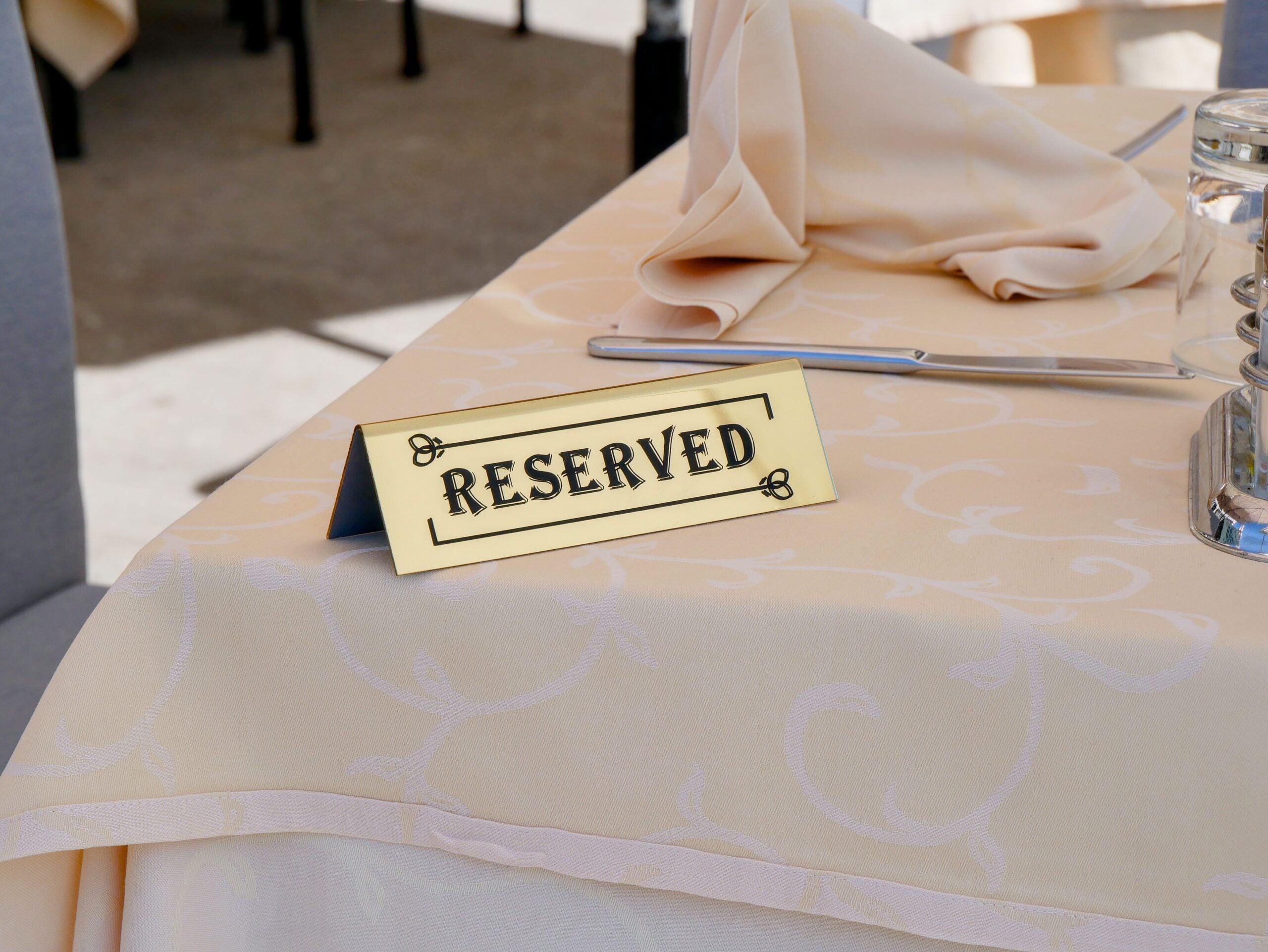
Reservation data offers a useful window into the market because it reflects completed dining occasions. In practical terms, it shows that interest is turning into action, with guests making plans and restaurants seeing more occupied tables.
This kind of year over year growth can be especially meaningful for operators. A higher volume of reservations can help smooth out slower periods, support more predictable scheduling, and improve inventory management. For diners, it may also mean busier rooms, more energy in restaurants, and stronger competition for sought-after time slots during weekends and holidays.
Cities and neighborhoods likely feel the lift first

One of the most visible places this trend shows up is in busy urban dining districts. Areas with a high concentration of restaurants, office workers, event venues, and tourists often feel reservation growth early because they benefit from several demand streams at once.
Neighborhood restaurants can also gain from the same momentum. As more consumers get comfortable booking meals out, traffic can spread beyond downtown cores into residential areas where people want convenience and familiarity. That creates opportunities for independent restaurants as well as larger groups, especially in places where local dining scenes are already well established.
Group meals and occasions help drive demand
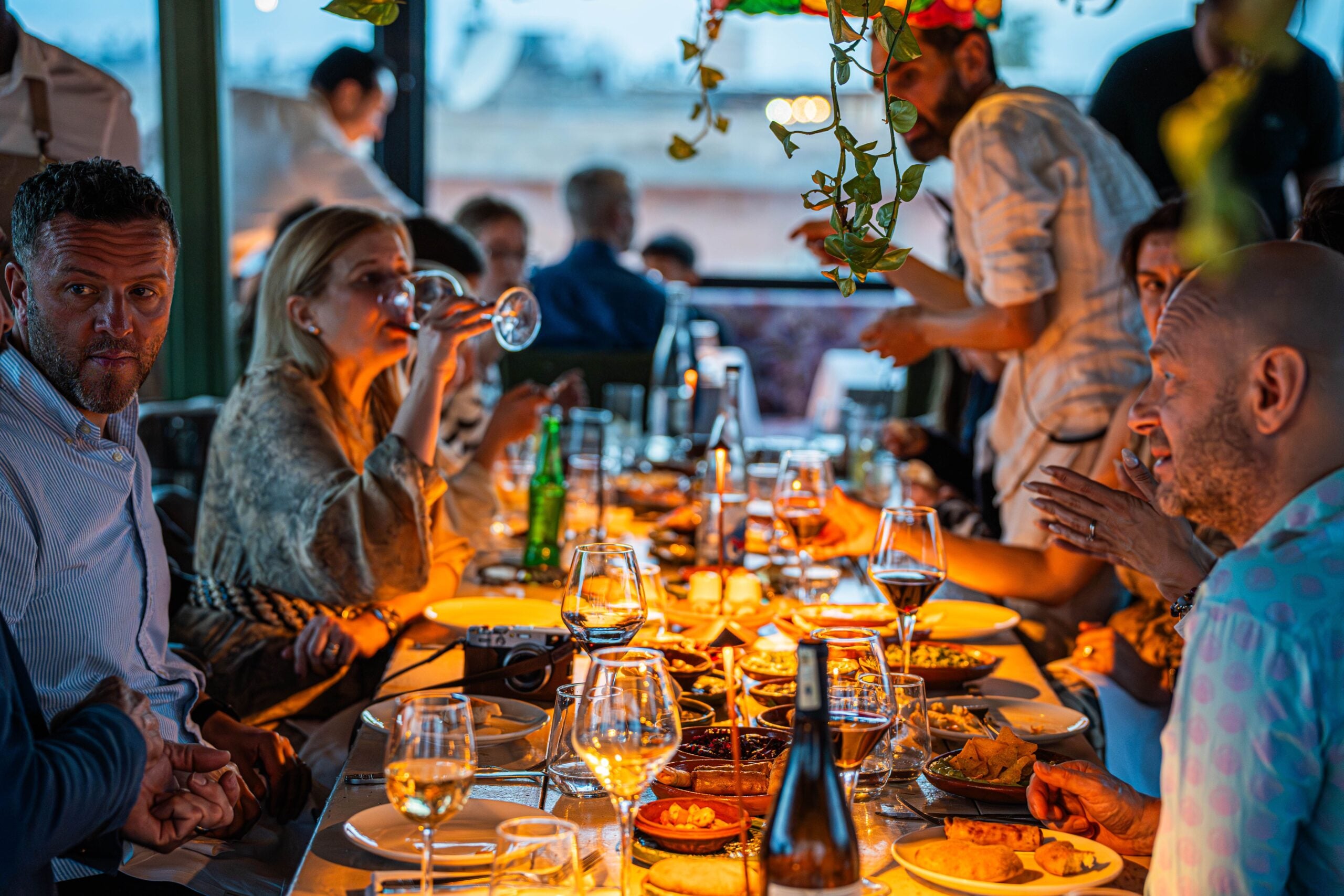
Dining out is not only about grabbing dinner. Reservation gains often reflect birthdays, work meals, date nights, family get-togethers, and other shared occasions that are easier to organize at a restaurant than at home.
That social dimension matters for the industry. Larger parties typically reserve in advance, which makes the growth visible in booking data. It also gives restaurants a chance to build business around celebratory meals, tasting menus, brunch service, or private dining spaces. In other words, a rise in reservations can point to stronger social spending, not just routine weekday traffic.
Restaurants still face a more complex operating picture

Higher demand is positive, but it does not automatically mean operations are simple. Restaurants still have to balance labor, food costs, rent, and guest expectations while delivering a consistent experience to a growing number of diners.
A 13 per cent increase in dining activity can create upside, yet it can also put pressure on teams during peak service. More bookings may require tighter table management, stronger front-of-house coordination, and more careful pacing from the kitchen. For guests, that can translate into the need to book earlier for prime times, especially at popular spots.
What the increase says about Canadian dining now

The broader message is that restaurants continue to play an important role in how Canadians spend their time and money. A 13 per cent year over year increase suggests people are still seeking out the convenience, atmosphere, and social value that dining rooms offer.
It is also a reminder that the restaurant business is shaped by confidence and habit as much as price. When consumers keep reserving tables, they signal that eating out remains built into modern life. For restaurant owners and workers, that makes the latest OpenTable data more than a headline, it is evidence of sustained engagement at the table.



Leave a Reply