
The easiest meals are often the ones that ask the least from the cook and the most from the season. When produce is ripe, herbs are fragrant, and dairy or seafood is fresh, a dish can feel complete with just a few steps and a little restraint.
Tomato and basil salad
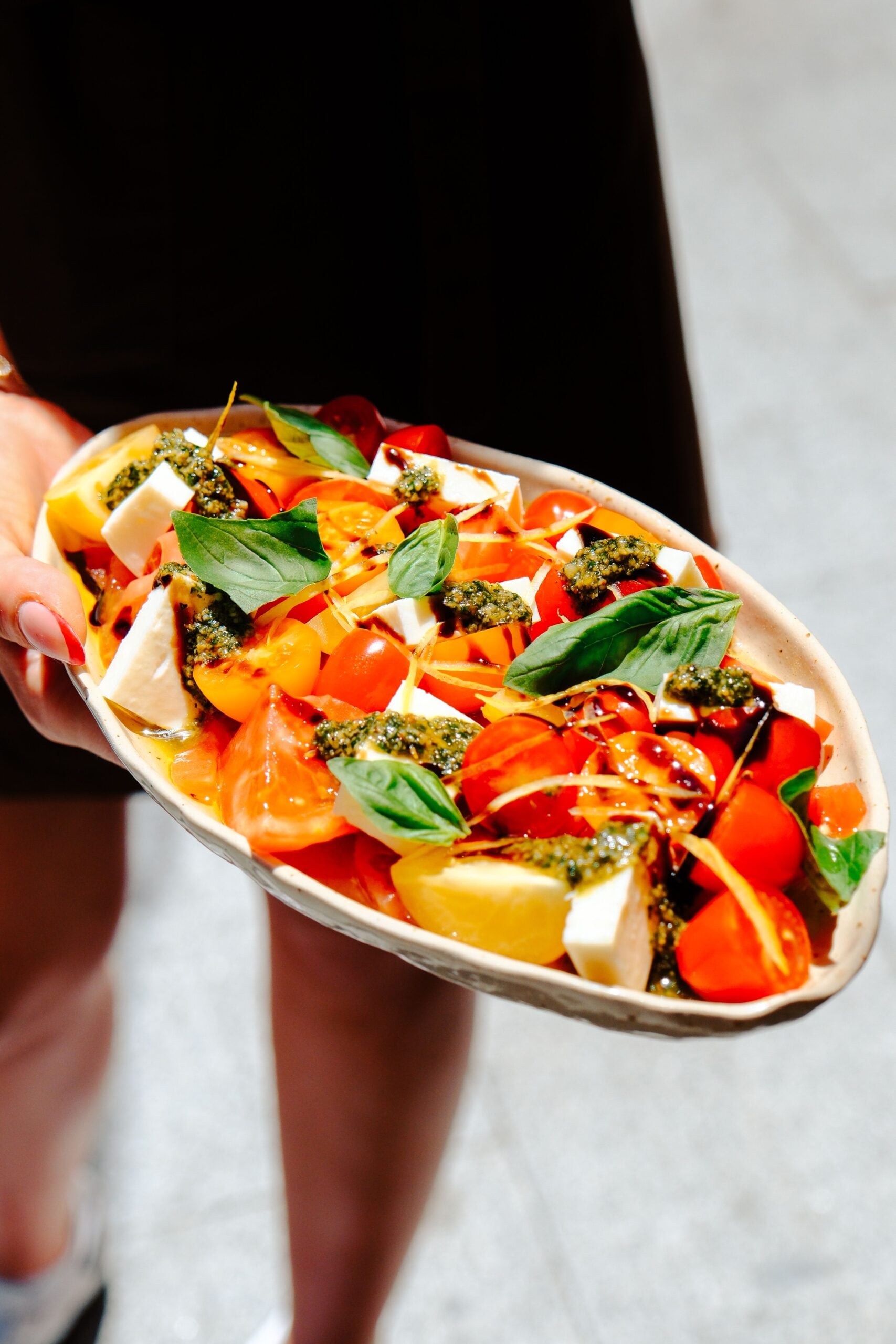
A peak summer tomato does not need much help. Its sweetness, acidity, and juice create most of the dish on their own, which is why tomato and basil salad has stayed a warm weather staple across home kitchens for generations.
The key is using fully ripe tomatoes, not chilled ones. Cold temperatures can dull flavor and change texture, so room temperature tomatoes tend to taste fuller and smell more fragrant. Basil adds a peppery, slightly sweet note that matches the fruitiness of the tomato without covering it.
A little olive oil and salt are usually enough. Some cooks add fresh mozzarella, but the simplest version keeps the focus on the produce. Good tomatoes release juices as they sit, and those juices mix with oil and salt to become the dressing.
For a photo, this dish works best when it looks abundant and unfussy. Thick slices, torn basil, visible crystals of salt, and a shallow pool of tomato juices tell the whole story in a single frame.
Asparagus with lemon and shaved Parmesan
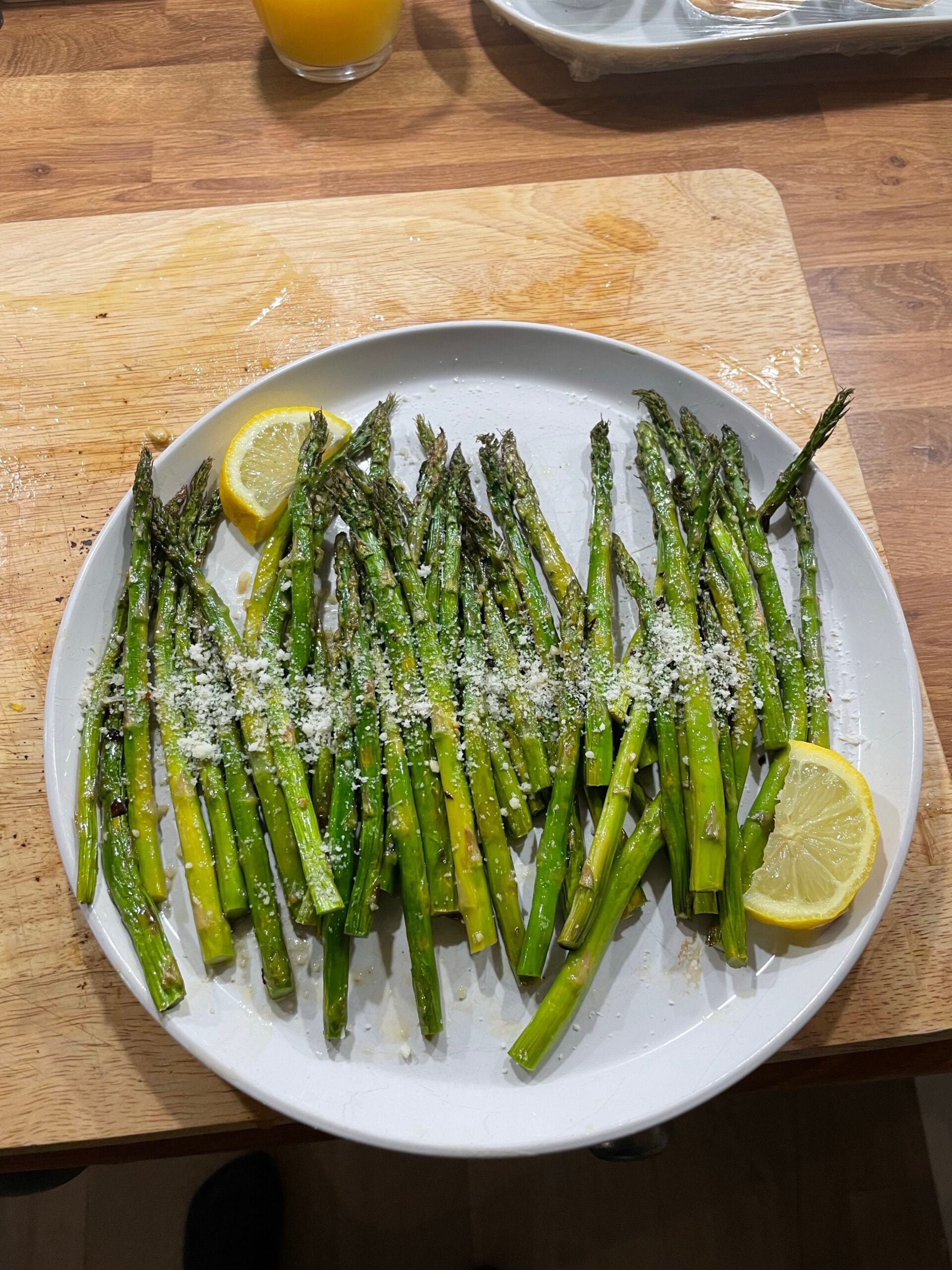
Spring asparagus has a short season, and that is part of its appeal. The stalks are sweetest and most tender when they are freshly harvested, which means a quick preparation often serves them better than any complicated sauce.
Roasting or blanching keeps the vegetable bright and focused. Lemon adds acidity that cuts through the asparagus' earthy notes, while shaved Parmesan brings salt and depth. The cheese also softens slightly from the heat, which helps it cling to the stalks without weighing them down.
Thickness matters less than freshness, but timing matters a lot. Thin spears cook fast, while thicker ones benefit from a little extra time to become tender without turning limp. Either way, the goal is snap, not softness.
In a gallery, this is a clean, elegant plate. The image should show vivid green spears, curls of pale cheese, and a little gloss from olive oil or butter, with lemon close by to signal the dish's simplicity.
Strawberry shortcake
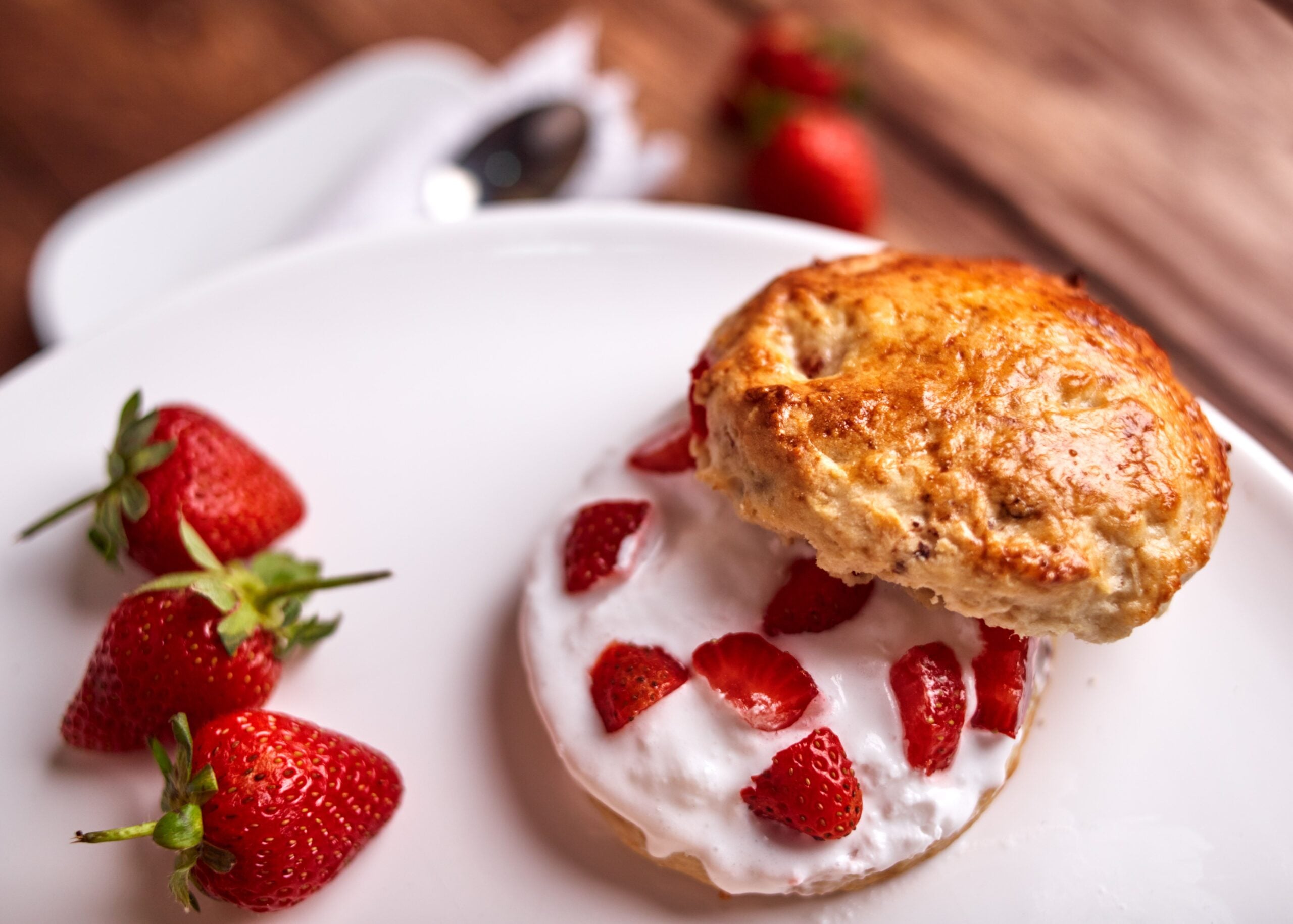
Strawberry shortcake works because ripe berries create their own sauce. Once sliced and lightly sugared, they begin to release juice, and that syrup becomes one of the dessert's best parts without requiring any stove time.
In the United States, shortcake usually means a tender biscuit or lightly sweetened cake split and layered with berries and cream. The contrast is what makes it memorable: cool fruit, soft cream, and a crumb that can soak up the juices without falling apart immediately.
This dessert changes with the fruit. Out of season strawberries can taste watery or flat, but ripe local berries often bring floral aroma and balanced sweetness. That is why shortcake feels so closely tied to late spring and early summer.
Visually, it is generous and a little messy in the best way. A spoonful of macerated berries running into whipped cream gives the image movement and signals that the fruit, not decoration, is doing the heavy lifting.
Chilled cucumber yogurt soup
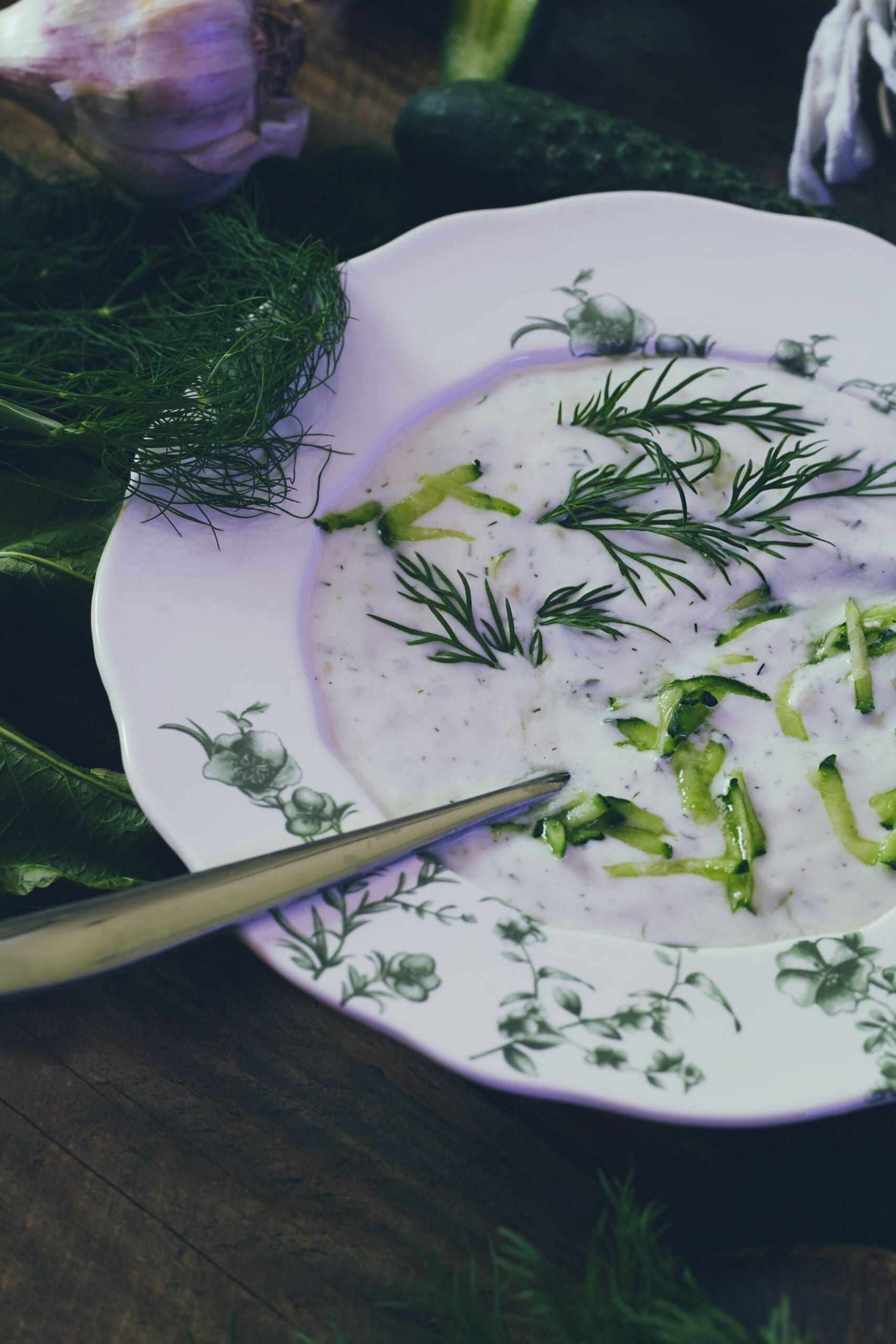
Some dishes are built for hot weather, and chilled cucumber yogurt soup is one of them. It relies on ingredients that feel cooling by nature, so the recipe can stay simple while still delivering a lot of relief and flavor.
Cucumber brings water, crunch, and a fresh green taste. Yogurt adds body and tang, turning the mixture into something more substantial than a drink but lighter than a cream soup. Garlic, dill, mint, or olive oil can sharpen the profile, but none of them should overpower the base.
This style of soup appears in different forms across several food traditions, especially in places where summers are hot and dairy and cucumbers are common. The broad idea stays the same: use fresh ingredients, keep the temperature low, and do very little cooking.
A good photo captures that coolness immediately. Pale green soup, a swirl of yogurt, chopped herbs, and condensation on the bowl or glass can make the dish feel refreshing before the first spoonful.
Corn chowder
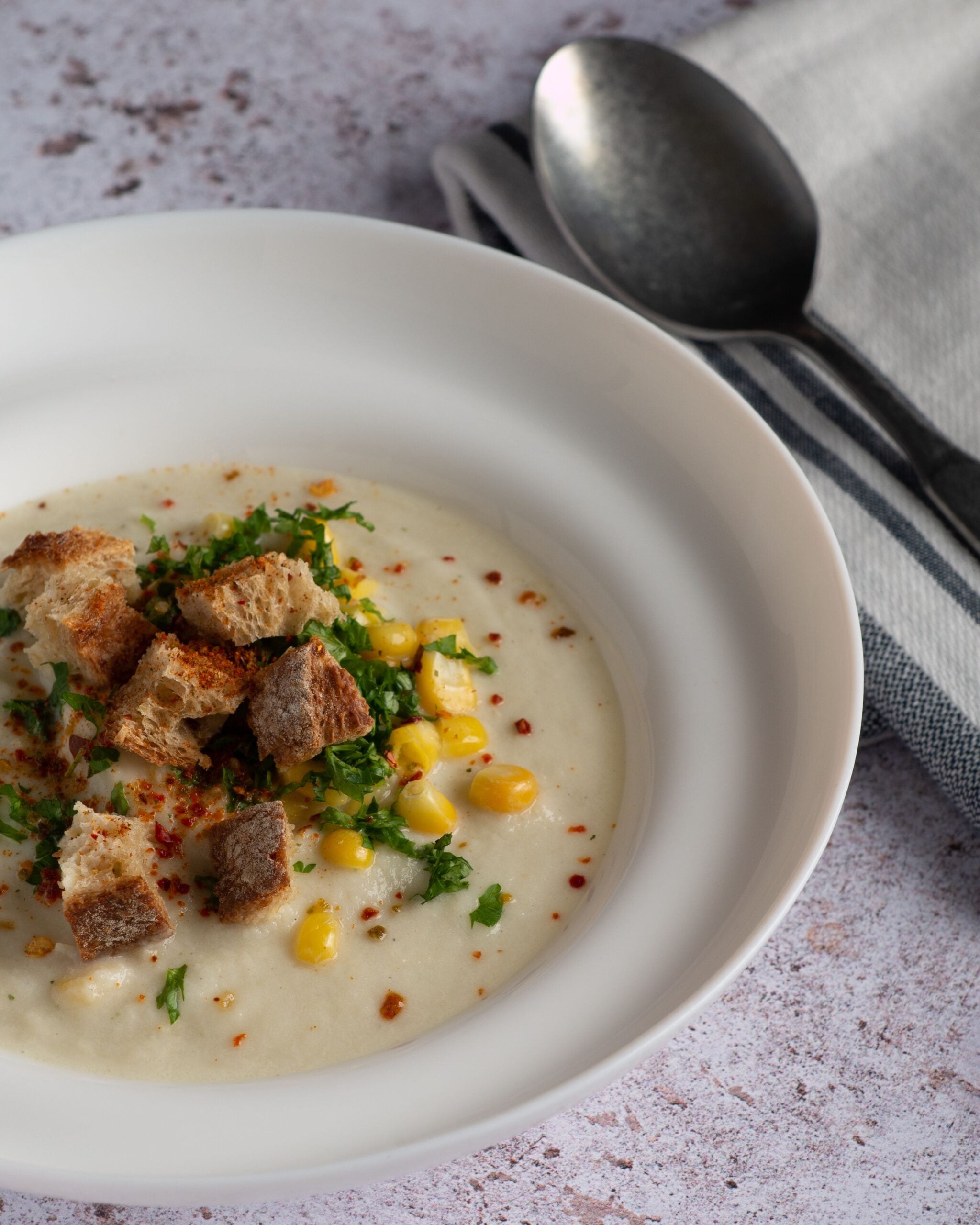
Sweet corn is one of the clearest examples of an ingredient that tastes best close to harvest. Its sugars gradually convert to starch after picking, which is why fresh ears often make chowder taste rounder and sweeter without extra effort.
A simple chowder can be built from corn, onion, potatoes, broth, and cream or milk. The corn cobs themselves are useful too, since simmering them in liquid adds flavor. That small step gets more from the ingredient instead of reaching for more seasonings.
Texture is part of the appeal. Some kernels stay whole for bite, while others are blended into the soup to thicken it naturally. The result is hearty, but it still feels tied to summer rather than heavy winter fare.
In photos, corn chowder has a warm, golden look that reads immediately. Kernels on top, steam from the bowl, and a few green herbs or chives help break up the creaminess and keep the image lively.
Zucchini fritters
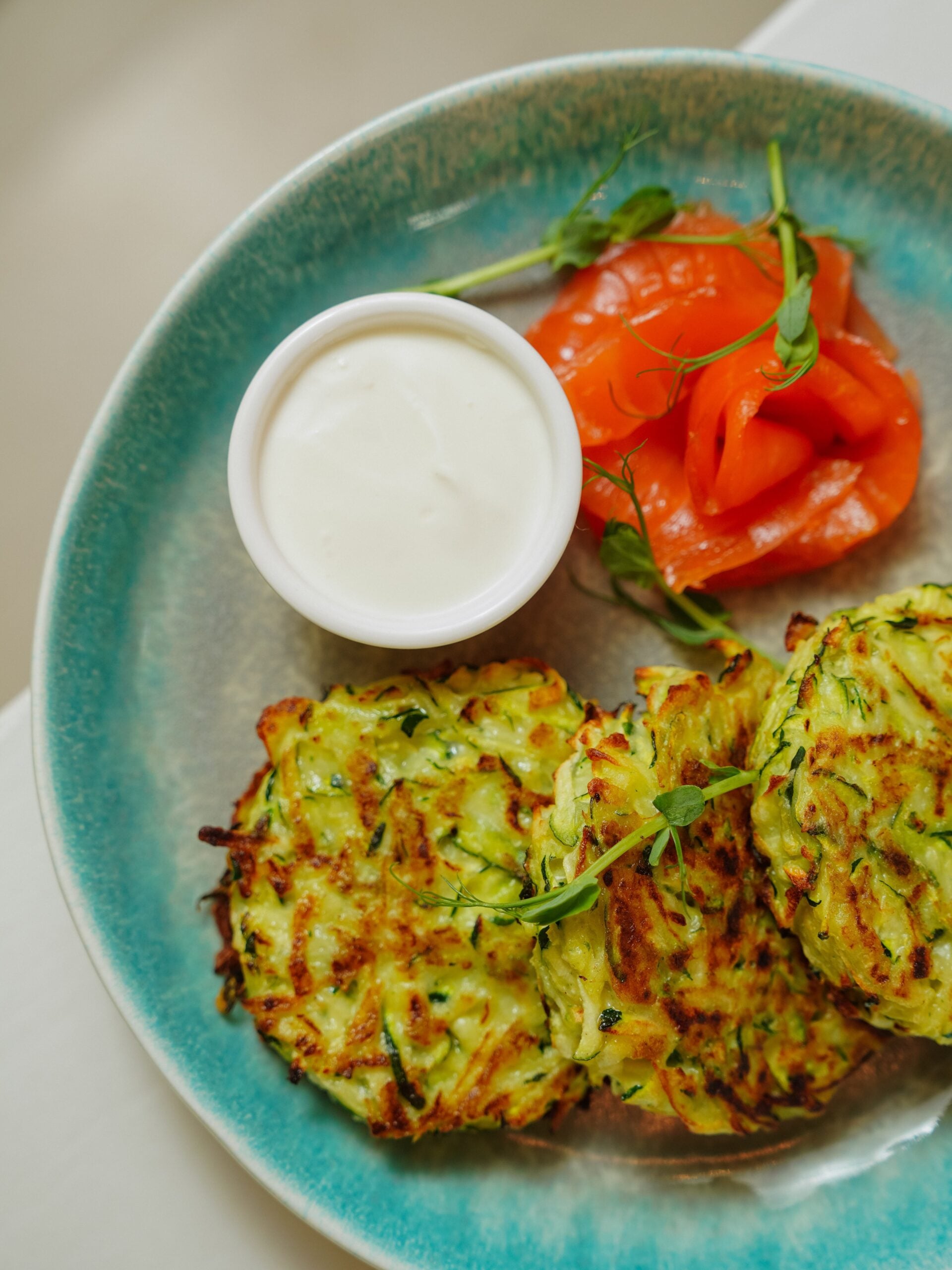
Zucchini fritters solve a common seasonal problem: too much zucchini at once. When gardens and markets are full of it, grating and pan frying the squash turns a mild vegetable into something crisp, savory, and much more concentrated.
Because zucchini holds a lot of water, preparation matters. Salting and squeezing the shreds helps remove moisture, which improves browning and keeps the fritters from steaming in the pan. Eggs and a little flour bind the mixture, but the vegetable should still be the main event.
Herbs, scallions, or feta can add character, yet the best versions remain balanced. A fritter should taste distinctly of zucchini, with a tender center and edges that are deeply golden. A spoonful of yogurt or sour cream alongside adds contrast without much work.
For imagery, this slide needs texture. Stacked fritters with crisp edges, flecks of green, and a cooling sauce on the side show exactly how an overflowing summer crop can become dinner.
Peach burrata toast
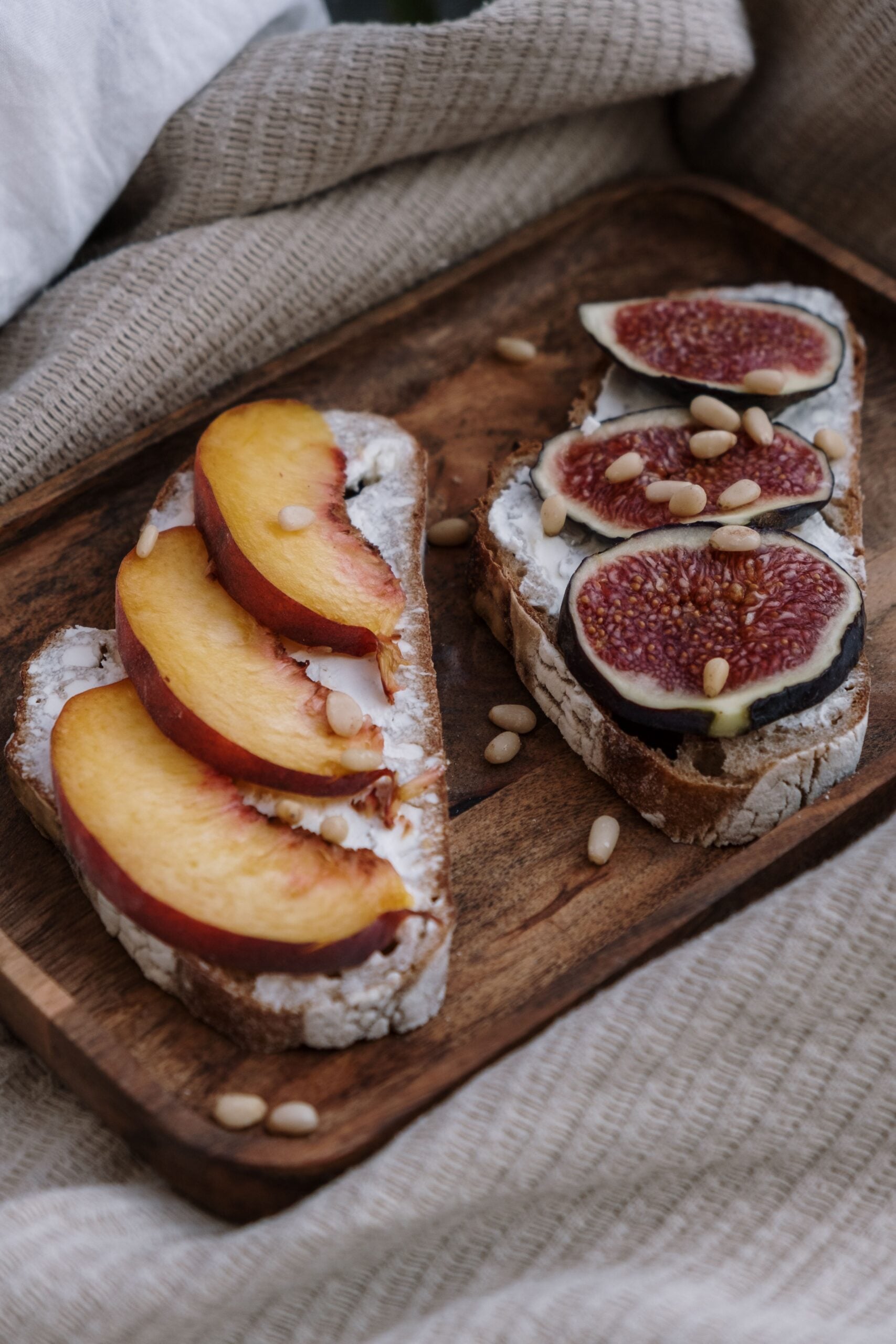
When peaches are ripe, they bring both perfume and sweetness, which is why they pair so well with creamy cheese. Peach burrata toast turns that contrast into a dish that feels special while still being almost effortless.
Burrata is a fresh Italian cheese with a mozzarella shell and a soft, rich center. Spread or torn over toasted bread, it creates a cool, milky base for sliced peaches. A little olive oil, basil, or black pepper can sharpen the combination, and some cooks add honey if the fruit needs help.
The bread matters more than it may seem. A sturdy slice with a crisp surface supports the soft cheese and juicy fruit, keeping the toast from going soggy too quickly. Good peaches should provide enough flavor that extra toppings stay minimal.
Photographically, this dish offers contrast and color. Orange-gold fruit, white cheese, green basil, and rustic bread create a layered image that looks abundant but still simple enough to fit the gallery's theme.
Ratatouille
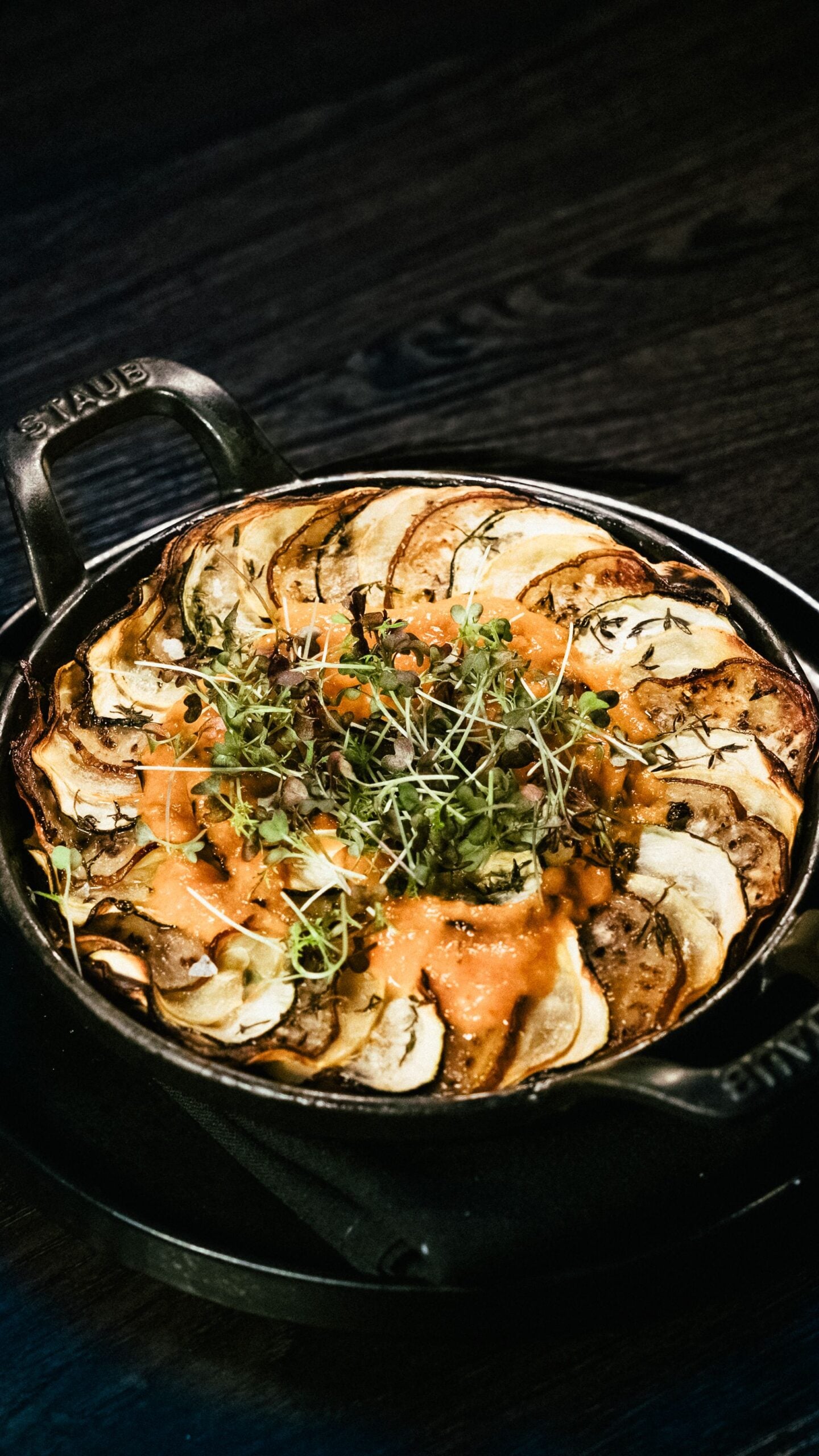
Ratatouille is a reminder that a vegetable-heavy dish can feel deeply satisfying. Built from summer produce such as eggplant, zucchini, peppers, onions, and tomatoes, it depends less on technique than on the natural sweetness that develops when those vegetables are in season.
The dish is associated with Provence in France, but its appeal is broader than place. Slow cooking lets the vegetables soften and mingle, while olive oil and herbs support them rather than dominate them. Each ingredient keeps some identity, yet the finished stew tastes unified.
There are many valid styles, from rustic spoonable versions to neatly layered bakes. What matters most is that the vegetables are ripe enough to bring their own flavor. With bland produce, ratatouille can feel flat. With good produce, it tastes full and generous.
A strong image can go either direction: a colorful pan of glossy vegetables or a composed baked version with visible rounds. In both cases, the produce should look like the star, not the garnish.
Green bean almondine
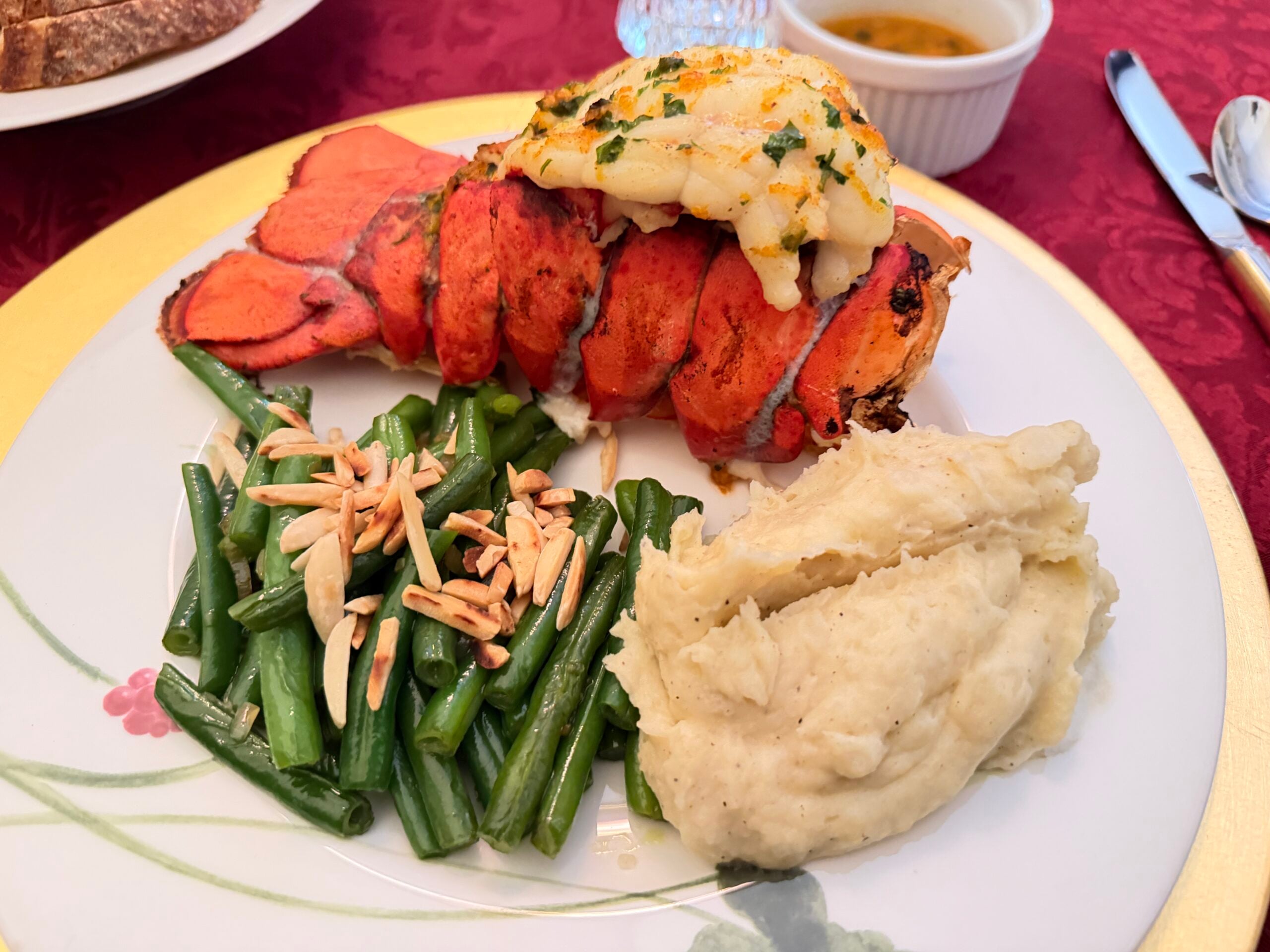
Green bean almondine proves that a side dish can still steal attention. The combination is simple: green beans, butter, and almonds, often with lemon. But when beans are fresh and cooked just until tender, that formula feels complete.
The name refers to almonds, usually sliced or slivered and toasted until fragrant. Their crunch changes the whole eating experience, giving the beans contrast without burying their grassy, slightly sweet flavor. Butter adds richness, and lemon keeps the dish from feeling too heavy.
Fresh green beans benefit from brief cooking. Overdone beans lose color and texture, which is exactly what this dish tries to celebrate. A vivid green, lightly crisp bean tells you right away that the ingredient has been respected.
In a gallery, this plate should look polished but approachable. Toasted almonds scattered over bright beans, with a little shine from butter, create a clean image that reads as both seasonal and easy.
Cherry clafoutis
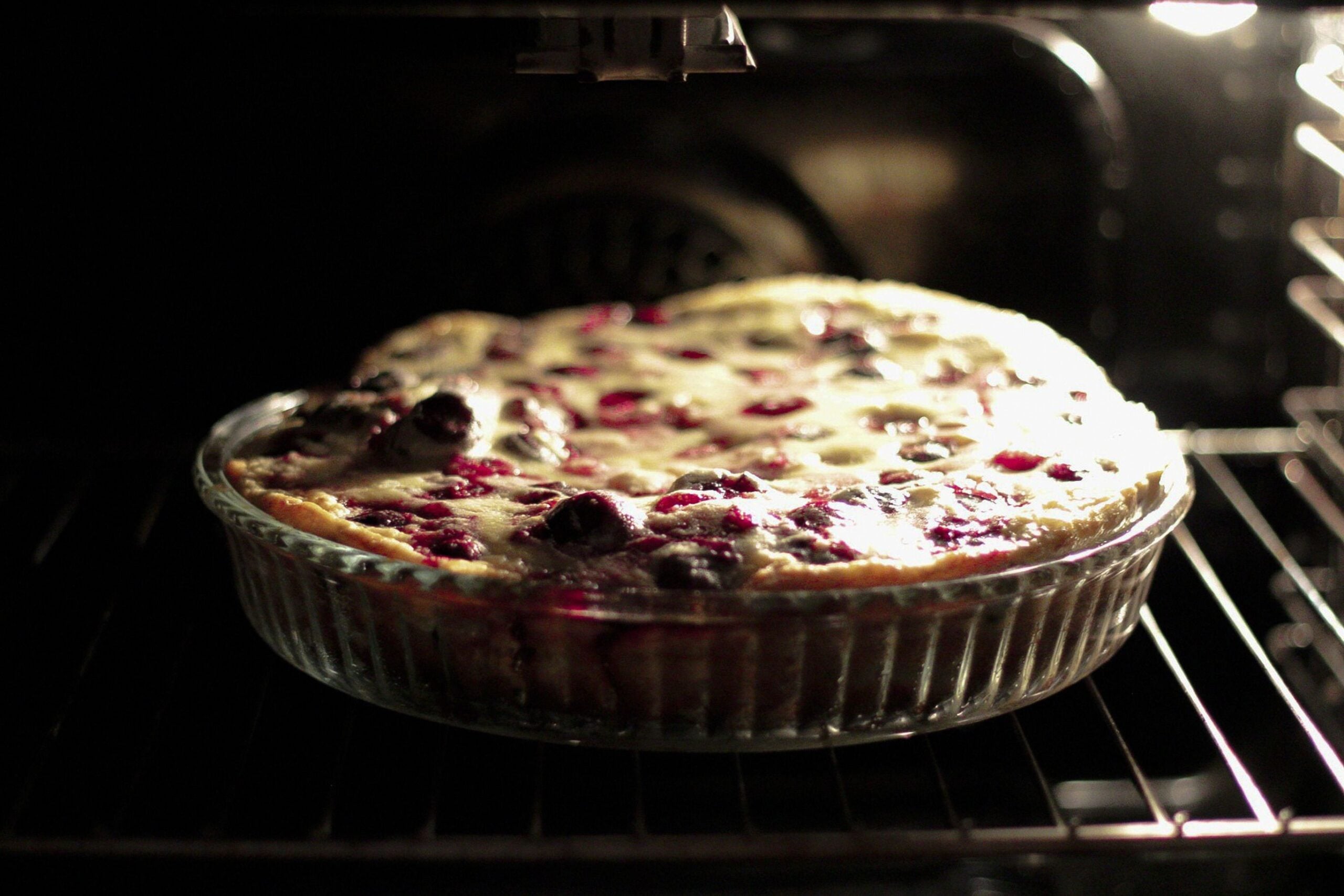
Cherry clafoutis sits between a custard and a cake, which is part of its charm. It is a classic French dessert in which fruit is baked in a simple batter, allowing the cherries to flavor the whole dish as they soften in the oven.
The batter is usually made from basic ingredients such as eggs, milk or cream, sugar, and flour. That means the fruit carries much of the final character. Sweet cherries are common today, though the dessert is often praised for the balance that comes from ripe cherries with a little tartness.
Because it is rustic by design, clafoutis does not ask for perfect presentation. It puffs, settles, and catches color around the edges. A dusting of sugar is often enough to finish it, keeping attention on the fruit and the custardy center.
A photograph should show that homey texture. Whole cherries peeking through the batter and browned edges in a baking dish make the dessert feel grounded, seasonal, and more inviting than a heavily decorated pastry.
Spring pea risotto
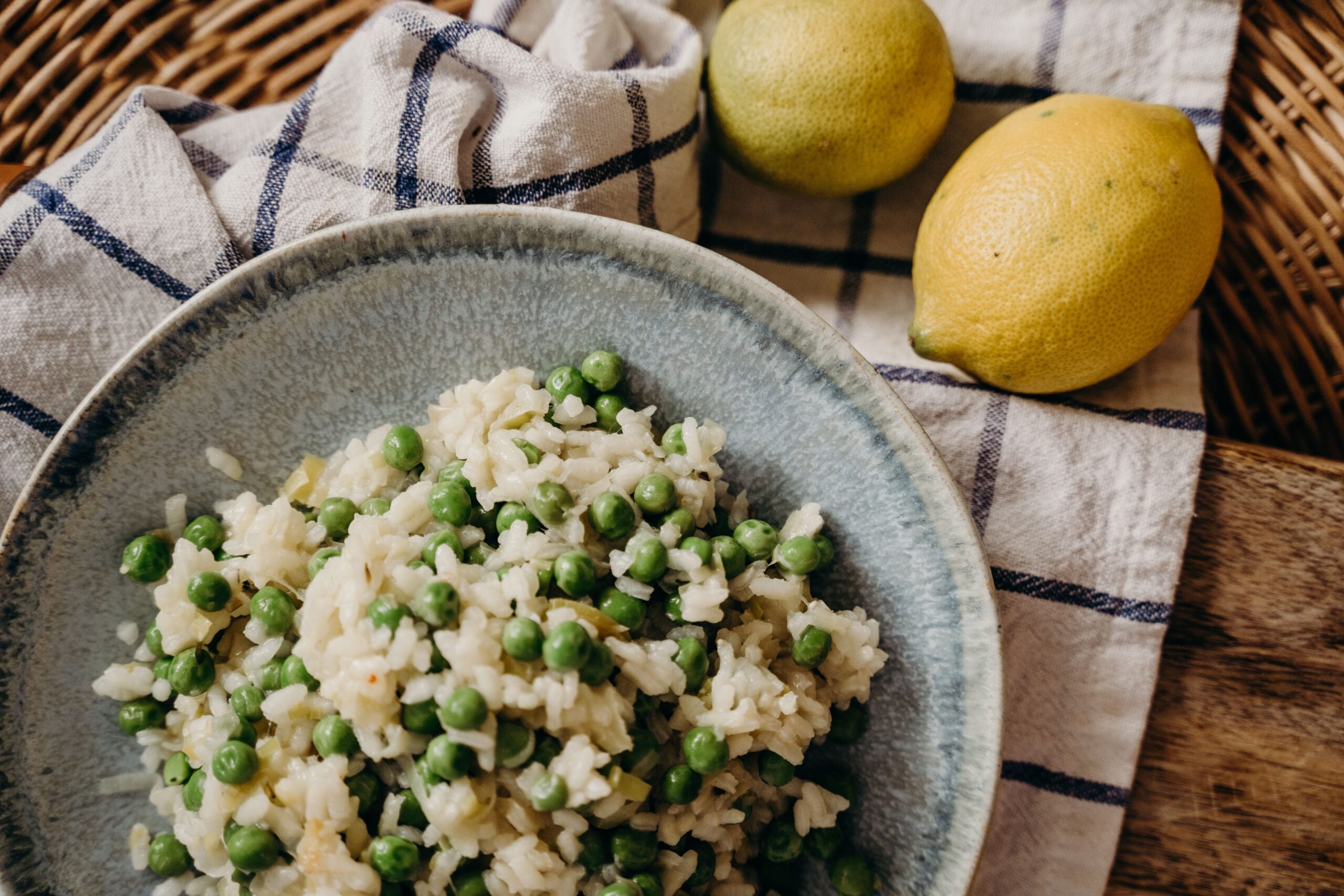
Spring peas can make risotto feel lighter and fresher than its reputation suggests. The rice still provides comfort, but the peas bring sweetness, color, and a sense of season that changes the whole personality of the dish.
Fresh peas are excellent when available, though frozen peas are also widely used because they are typically processed soon after harvest. In a seasonal version, peas are often joined by mint, lemon, or Parmesan, all of which brighten the creamy rice instead of making it denser.
Risotto has a reputation for requiring constant attention, but its ingredient list is usually straightforward. Arborio or another starchy rice releases starch slowly into broth, creating a creamy texture without cream. That makes the peas stand out rather than disappear into heaviness.
The best image shows contrast: vivid green peas against pale rice, perhaps with grated cheese and herbs on top. It should look comforting, but still unmistakably tied to spring.
Melon and prosciutto
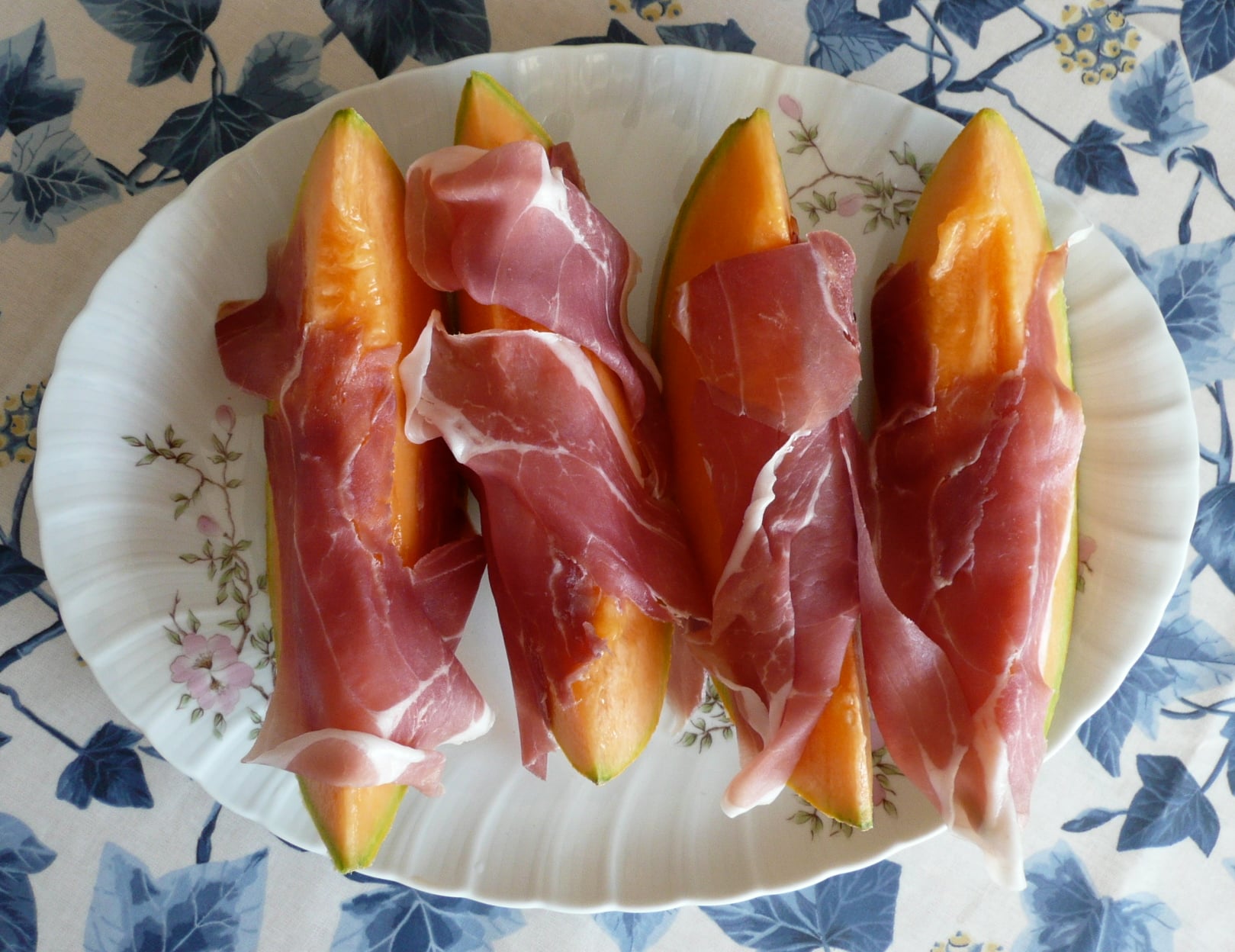
Some pairings last because they understand balance better than any elaborate recipe. Melon and prosciutto works on that principle, joining cold, sweet fruit with thin slices of salty cured ham for a dish that feels complete almost instantly.
The classic combination often uses cantaloupe, though other sweet melons appear too. Ripeness is essential. A fragrant melon with plenty of juice stands up better to the salt of the prosciutto and keeps the dish from tasting one-note.
This is one of the clearest examples of a low effort seasonal plate. There is little cooking, little assembly, and nowhere for ingredients to hide. Because of that, quality matters more than quantity or garnish. Some versions add mint, olive oil, or mozzarella, but restraint usually serves it best.
For photos, the color contrast does most of the work. Coral melon, translucent ribbons of ham, and a simple platter communicate freshness and ease in a way that suits the gallery perfectly.
Grilled salmon with herb sauce
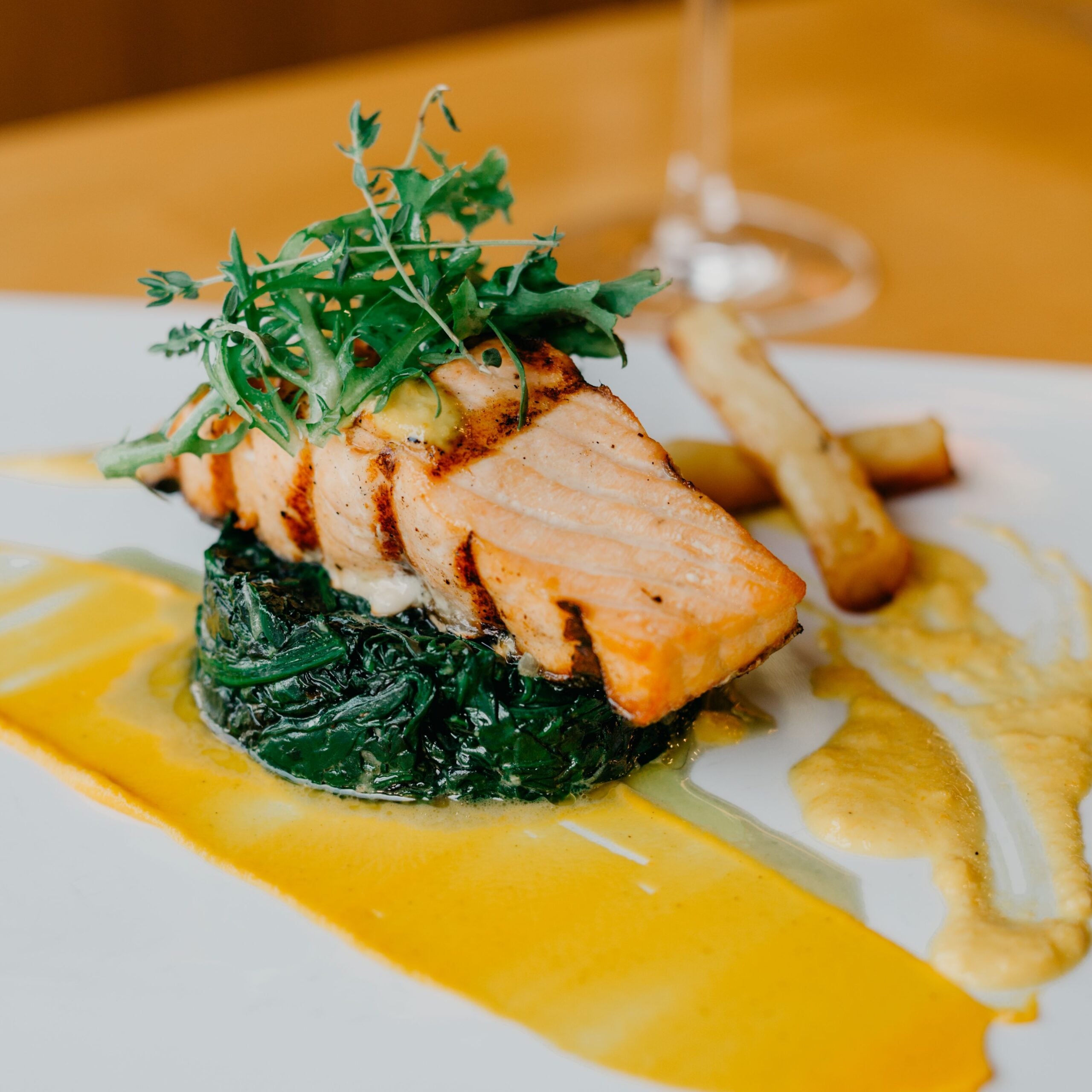
A good piece of salmon already carries richness, which is why it pairs so naturally with seasonal herbs rather than heavy sauces. In warm months, a green herb sauce can sharpen the fish and make the whole plate feel brighter.
Depending on the style, the sauce might resemble salsa verde, chimichurri, or another herb forward mixture built from parsley, dill, basil, capers, garlic, or lemon. The common thread is freshness. These sauces add acidity and aroma, which balance salmon's natural fat.
Grilling contributes char and smoke without much complication. It also fits the spirit of easy seasonal cooking, especially when the fish is served with vegetables that need little more than the same heat. The result feels substantial, but not weighed down.
An image should capture contrast: crisp-edged salmon, vivid green sauce, and perhaps a few charred vegetables nearby. It is the kind of plate that looks restaurant-worthy even though the ingredient list can stay remarkably short.
Panzanella
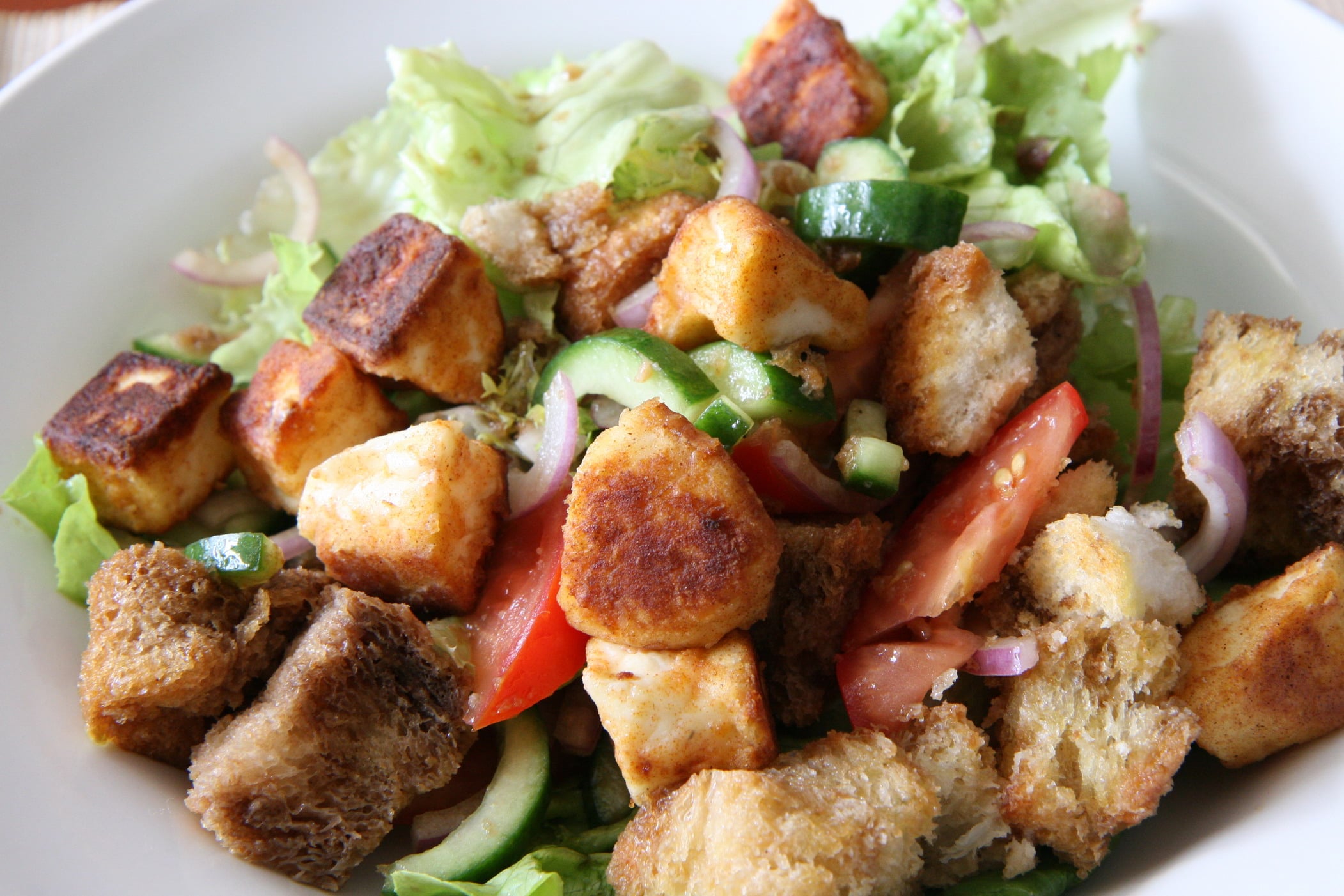
Panzanella turns stale bread into a strength rather than a flaw. This Italian salad is built to absorb tomato juices and dressing, so older bread actually helps create the texture that makes the dish memorable.
Tomatoes usually lead, supported by cucumber, onion, basil, and olive oil. As the salad rests, the bread softens but should still keep some chew. That balance is the whole point. It becomes juicy and savory without turning into mush.
Because the ingredients are few, each one needs to pull its weight. Summer tomatoes matter most, since their juices help season the bread. Good olive oil and a little acidity bring the pieces together, but the salad depends primarily on ripe produce.
For a photograph, panzanella should look vivid and textured, not overly neat. Crusty bread, irregular tomato pieces, basil leaves, and a glossy sheen from dressing make the dish look practical, colorful, and deeply seasonal.
Plum crumble
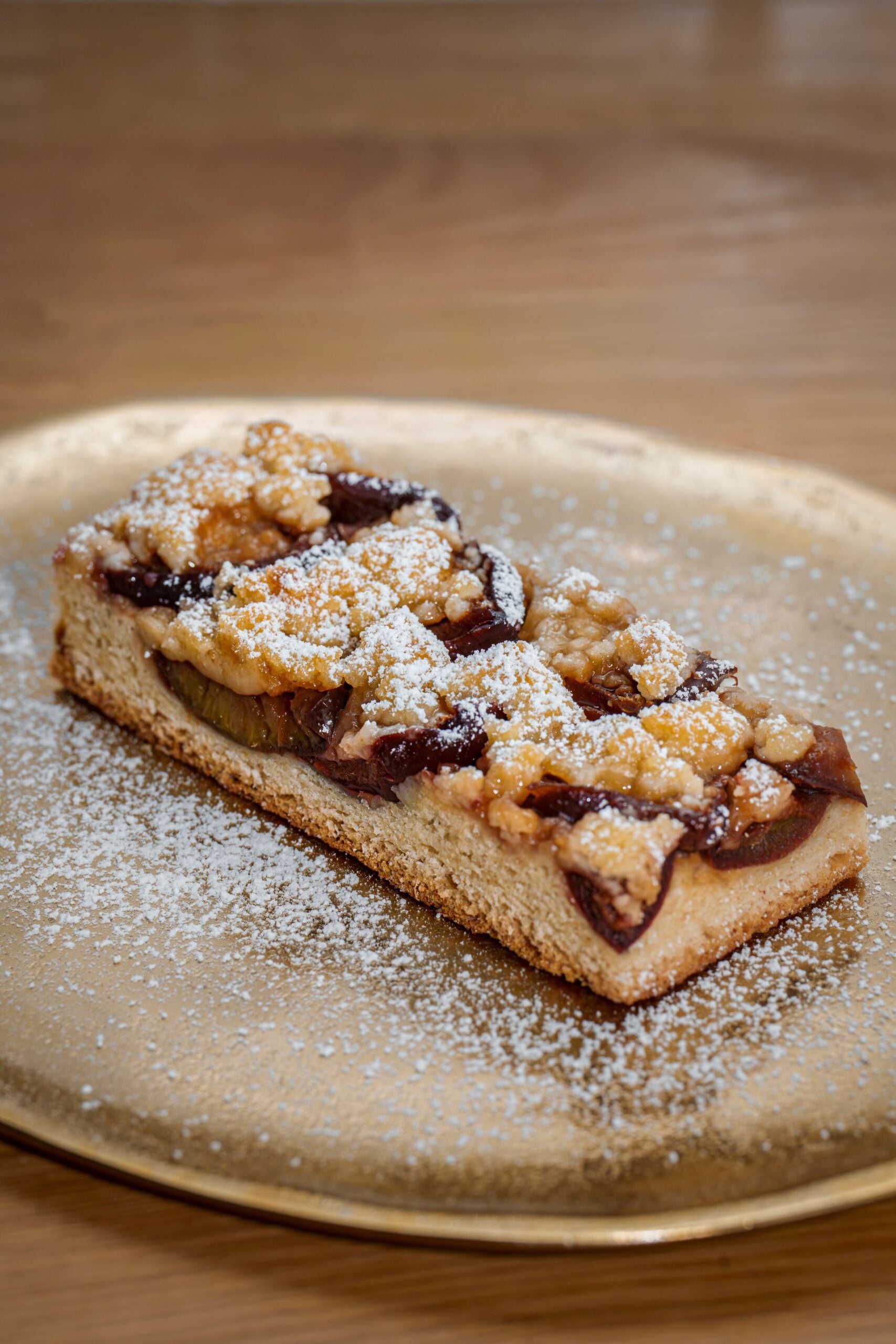
A plum crumble makes a strong finish because it captures late season fruit at the moment it is most useful. Plums can be sweet, tart, juicy, and a little unpredictable on their own, but baking smooths those edges into something balanced.
The crumble topping usually combines flour, sugar, and butter, sometimes with oats or nuts. It adds crispness and richness while the fruit collapses underneath into a soft filling. That contrast is the dessert's main pleasure, and it comes together with far less precision than pie.
Plums are especially good here because their acidity keeps the dessert lively. As they bake, their juices deepen in color and flavor, creating a filling that tastes vivid instead of cloying. A spoonful of cream or ice cream can complement it, but the fruit remains the focus.
The closing image should feel warm and comforting. Deep purple fruit, a golden topping, and a spoon breaking into the crumble give the gallery a satisfying final note rooted in the season.



Leave a Reply