
Convenience stores are supposed to be forgettable. Japan's konbini proved they can be one of the most impressive parts of daily life.
Why konbini became a global retail benchmark

What makes Japan's convenience stores remarkable is not simply that they are everywhere. It is that they perform far beyond what most people expect from the category. Chains such as 7-Eleven Japan, Lawson, and FamilyMart built a system where speed, quality, consistency, and trust matter just as much as location.
In Japan, konbini are woven into daily routines in a way few retailers anywhere else can match. Shoppers stop in for freshly prepared rice balls, sandwiches, salads, coffee, fried chicken, desserts, and seasonal specialties. They also pay bills, pick up concert tickets, send parcels, and use ATMs, turning a quick errand into a highly efficient stop.
Retail analysts have long pointed to Japan's convenience sector as a master class in inventory management and customer understanding. Stores are stocked for specific neighborhoods, weather patterns, commuter habits, and time of day. That level of precision means customers do not just settle for what is available. They often find exactly what they want.
That is the part now catching attention in Canada. The appeal is not built on novelty alone. It comes from a retail idea that respects the customer's time while still delivering quality, freshness, and a surprisingly enjoyable shopping experience.
What Canadians are finding so appealing
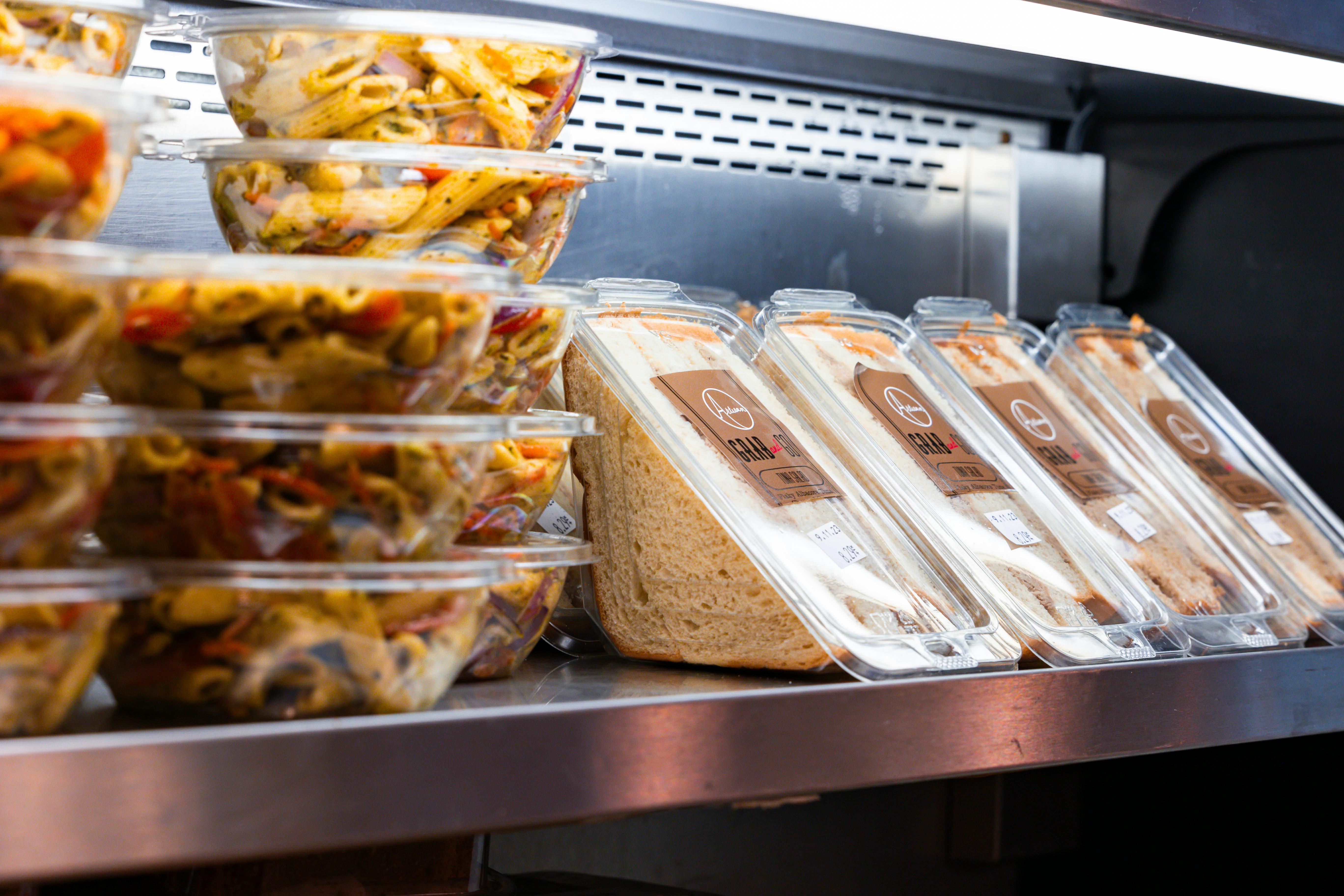
At first glance, the fascination may look like social media hype. Videos highlighting Japanese egg sandwiches, onigiri, fruit sando, and neatly packaged hot meals have helped introduce konbini culture to a North American audience. But the deeper attraction lies in how these stores solve everyday problems with unusual polish.
Canadian shoppers are increasingly looking for fast meals that do not feel like a compromise. Traditional convenience stores in Canada have often leaned heavily on packaged snacks, soft drinks, and fuel-linked impulse purchases. Konbini-style retail offers a different promise, one built around fresher food, cleaner presentation, and more thoughtful product selection.
That difference matters in dense urban markets where people are commuting, living in smaller households, and buying food more frequently in smaller quantities. Younger consumers in particular have shown strong interest in portable meals that feel closer to café or supermarket quality. Industry trend reports across North America have repeatedly highlighted rising demand for premium grab-and-go food, especially among city dwellers.
There is also a cultural factor. Canadians are already familiar with Japanese food through sushi counters, ramen shops, bakeries, and specialty grocers. Konbini products feel approachable rather than foreign. For many shoppers, the format lands in a sweet spot between discovery and convenience.
How the model is starting to appear in Canada
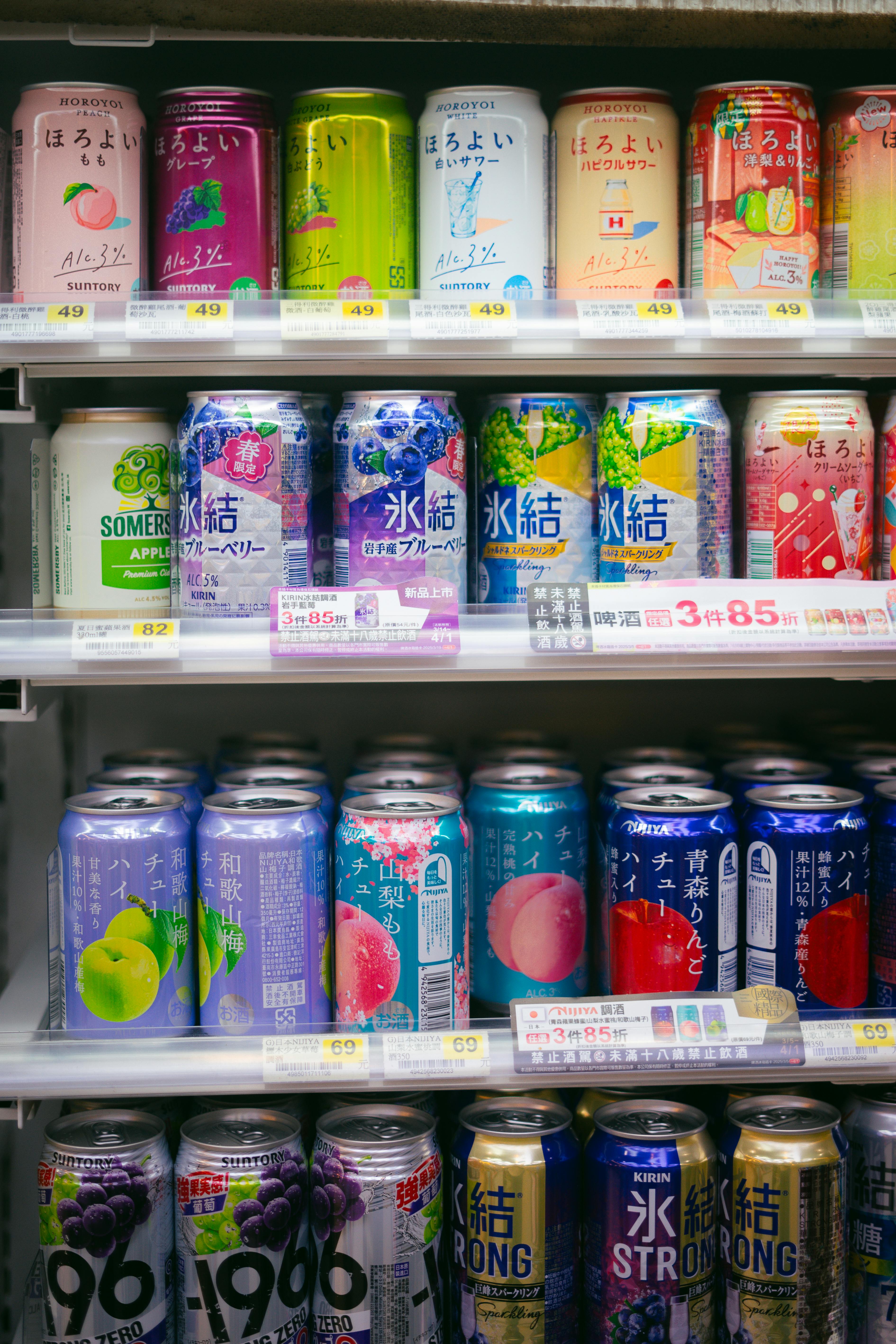
Canada has not seen a full one-to-one replication of Japan's convenience ecosystem yet. Still, the influence is becoming easier to spot. Japanese retailers, specialty food operators, Asian grocery chains, and local entrepreneurs are all testing elements of the model, especially in cities such as Vancouver, Toronto, and Montreal.
Some stores are focusing on signature food categories associated with konbini culture. Onigiri counters, Japanese sandwiches, bento boxes, karaage, curry, and refrigerated desserts are appearing in more compact retail settings. Instead of treating prepared food as an afterthought, these businesses make it the center of the customer experience.
Larger convenience and grocery operators are watching closely as well. Across Canada, retailers have been investing more aggressively in fresh prepared meals, self-serve coffee, better bakery offerings, and cleaner modern interiors. They may not use the word konbini, but the direction is similar: make quick shopping feel efficient, dependable, and a little more elevated.
The strongest early signs are often found in neighborhoods with high foot traffic and established interest in Japanese or broader East Asian food culture. That creates a natural entry point, allowing operators to build demand before expanding the concept to a broader mainstream audience.
Why food quality is the real game changer

The heart of konbini culture has always been food. That is why its arrival in Canada is generating such excitement. In Japan, convenience stores earned consumer trust because they proved quick meals could also be fresh, balanced, and well designed, with careful attention to texture, packaging, and seasonal rotation.
That standard challenges long-standing assumptions in Canada about what convenience food should be. For decades, the category was associated with roller grills, chips, candy, and heavily processed packaged items. Even when stores expanded into hot food, quality often varied widely from one location to the next.
Konbini-inspired operators are shifting that conversation by emphasizing reliable execution. A neatly packed bento, a soft milk bread sandwich, or a well-seasoned rice ball offers something that feels intentional rather than merely available. Customers notice that difference immediately, especially when products are priced low enough to encourage repeat visits.
There is also a practical edge to the model. Smaller portions, frequent restocking, and clear merchandising align well with modern urban eating habits. For office workers, students, and late-night shoppers, the best konbini-style food does not just save time. It improves the standard of what a rushed meal can be.
The business challenge behind the excitement

Bringing true konbini culture to Canada is not as simple as importing a menu. Japan's model depends on extremely disciplined supply chains, high population density, frequent deliveries, and a customer base accustomed to daily small-basket shopping. Those conditions are harder to replicate across Canada's larger geography and lower-density suburban patterns.
Fresh prepared food also creates labor and logistics demands that many conventional convenience stores were not built to handle. Operators need dependable commissaries or in-store production systems, strict quality control, and accurate forecasting to avoid waste. A retailer can attract attention with one viral product, but lasting success depends on consistency every day.
Price is another factor. Japanese konbini succeed partly because they combine quality with accessibility. In Canada, food inflation, wages, rent, and distribution costs can make that balance more difficult. If products are positioned too high, shoppers may see them as specialty treats instead of everyday staples.
Even so, the opportunity remains significant. Retail consultants have noted that Canadian consumers are more willing than before to pay for convenience when the quality feels legitimate. That gives well-run operators room to build loyalty, provided they deliver the experience reliably and at scale.
What Canada's version of konbini culture could become
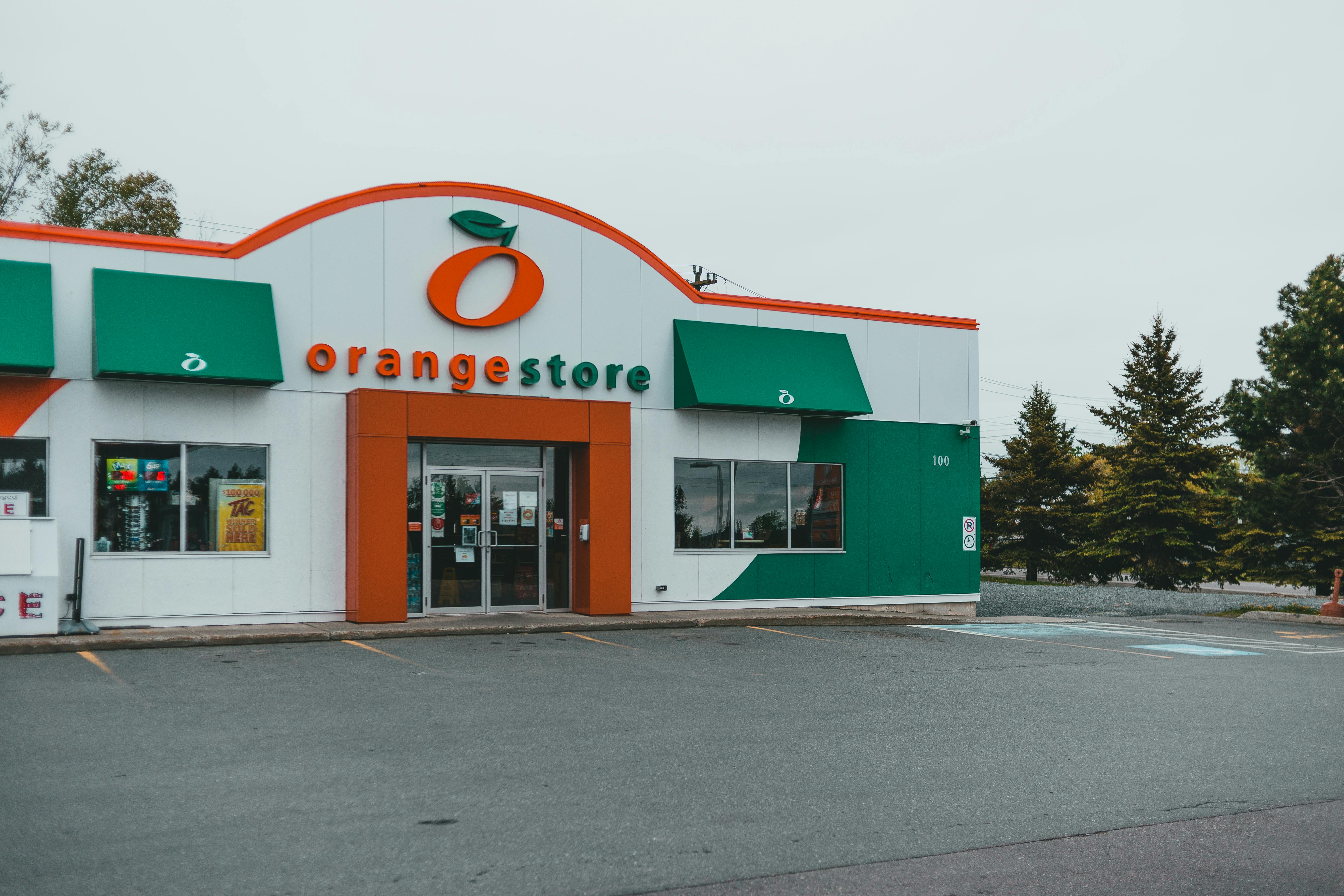
The most likely outcome is not a carbon copy of Japan. Canada will probably develop its own version, shaped by local tastes, multicultural neighborhoods, and different shopping habits. That could make the concept even more interesting, because it allows konbini principles to merge with distinctly Canadian consumer needs.
A Canadian adaptation might combine Japanese staples with broader offerings such as high-quality soups, wraps, noodle bowls, baked goods, and regionally inspired snacks. In cities with strong immigrant food cultures, the best stores could reflect multiple traditions at once while maintaining the konbini focus on freshness, speed, and tidy execution.
Technology will also play a role. Mobile ordering, smart refrigeration, rapid replenishment, and data-driven product planning can help operators deliver a more precise convenience experience. Those tools matter because the konbini promise is built on predictability. Customers return when they trust the store to have the right item at the right moment.
That is why Canadians are responding so strongly already. They are not just reacting to cute packaging or imported food trends. They are recognizing a smarter everyday retail model, one that treats convenience as a service worth perfecting.




Leave a Reply