
A rusty cast iron skillet often looks ruined, but surface rust can usually be removed and the pan can be re seasoned. This gallery walks through what rust means, how to clean it off, and how to rebuild the pan's protective finish.
What rust really means
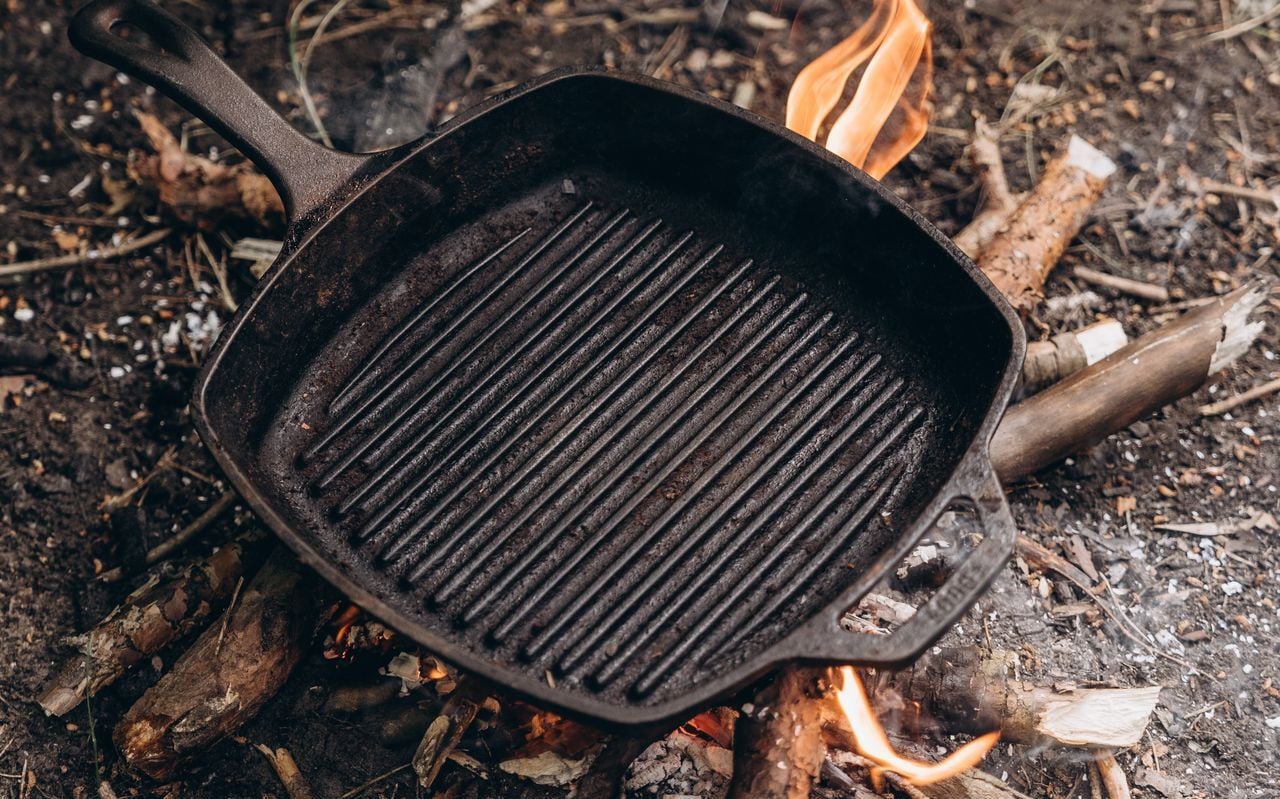
Rust on cast iron usually means the pan's seasoning has broken down and moisture reached the metal underneath. Seasoning is not a chemical coating from a factory. It is a hardened layer of oil that bonds to the iron over time and helps protect the surface. That is why many rusty skillets are not ruined at all. If the damage is mostly surface rust, the fix is usually removal, drying, and re seasoning rather than throwing the pan away.
When a pan is still worth saving
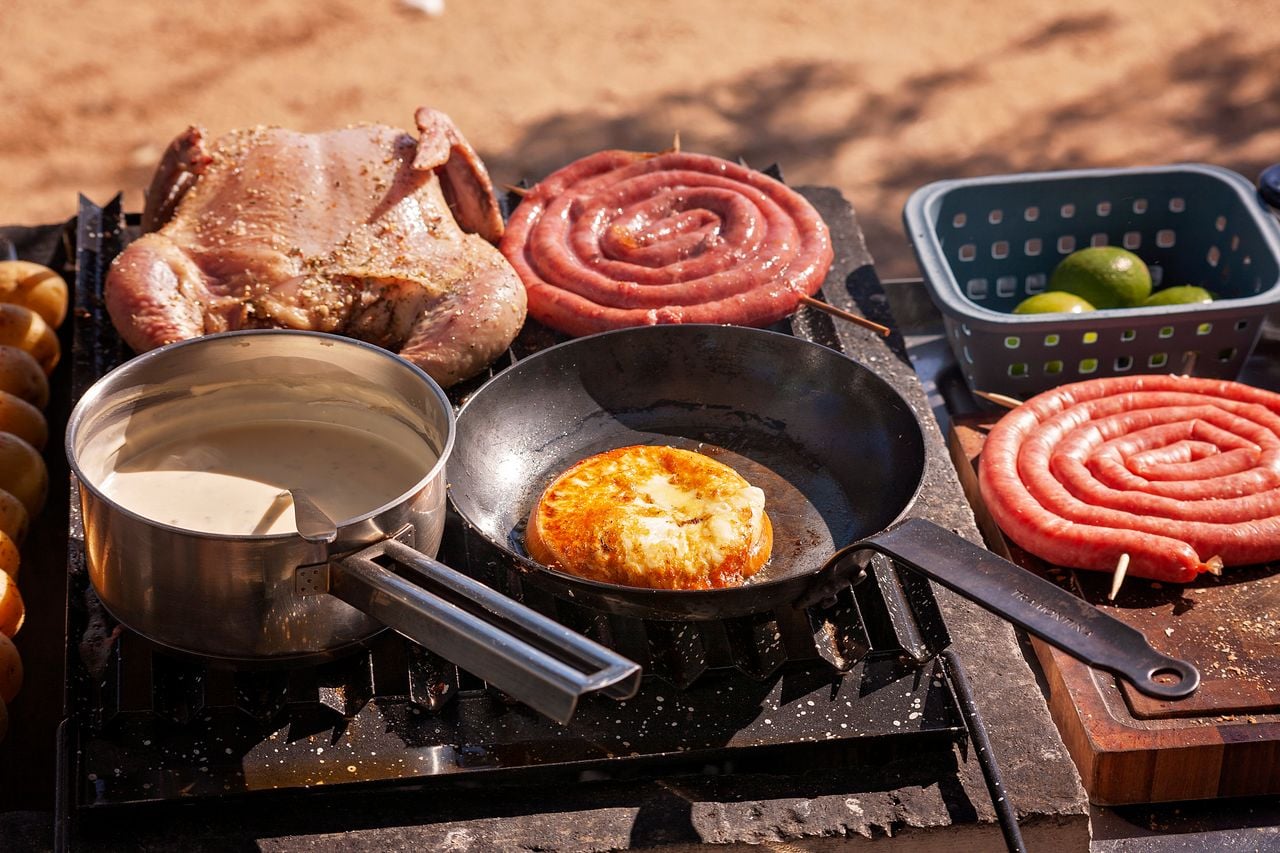
A skillet with light or moderate rust is usually a good candidate for restoration, especially if the cooking surface is still solid. Many older pans look rough after storage in a damp cabinet, garage, or sink, but they can often be brought back with patient cleaning. The bigger concern is structural damage. Deep cracks, severe warping, or metal flaking are different problems than rust. Surface discoloration can be fixed. A cracked pan cannot be made safe by seasoning alone.
Scrub the rust off first
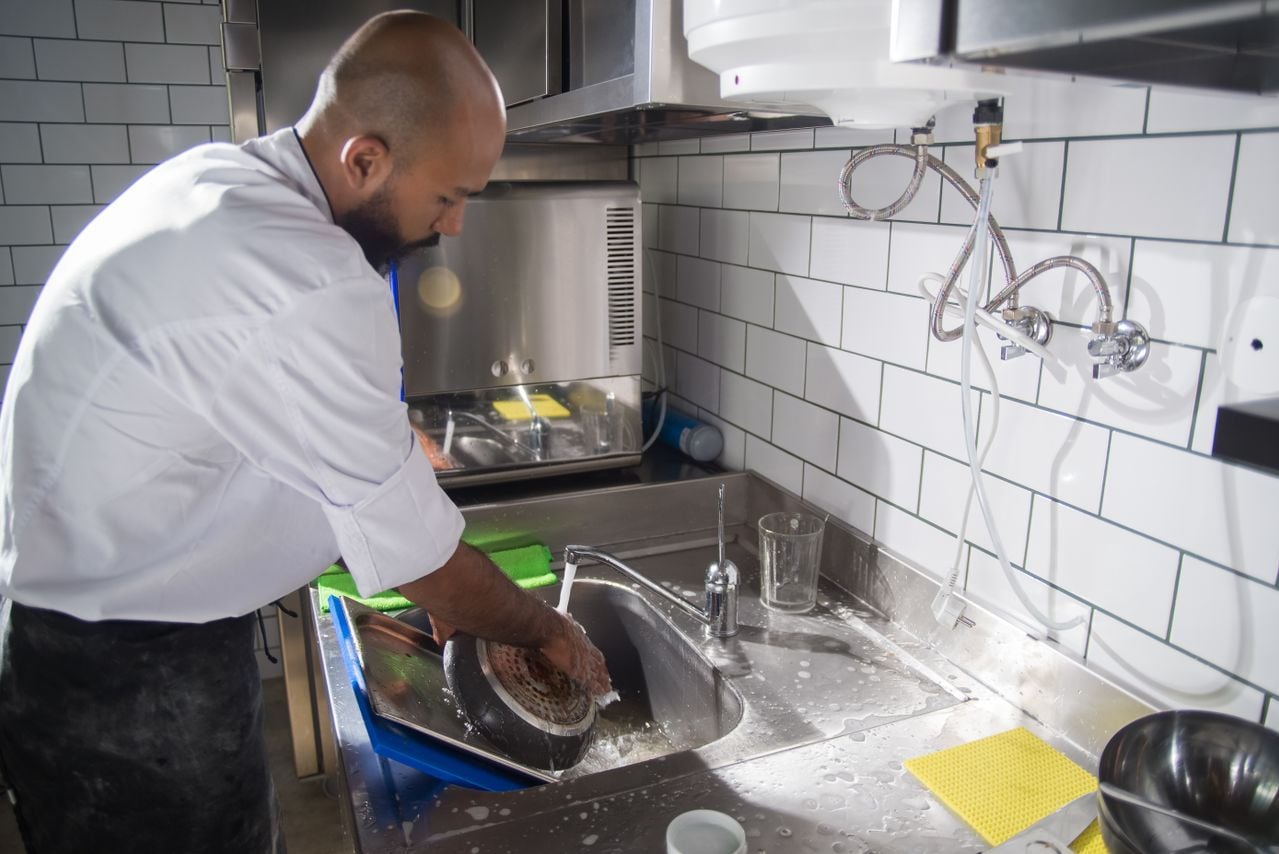
Before you season anything, the rust has to go. That usually means scrubbing with steel wool, a stiff brush, or an abrasive scrubber until you reach clean metal. For tougher spots, some people use a paste of baking soda and water or a short soak, then keep scrubbing. This stage is about persistence, not finesse. The pan may look patchy and gray when you are done, and that is fine. Bare iron is exactly what you want before rebuilding the finish.
Dry it completely
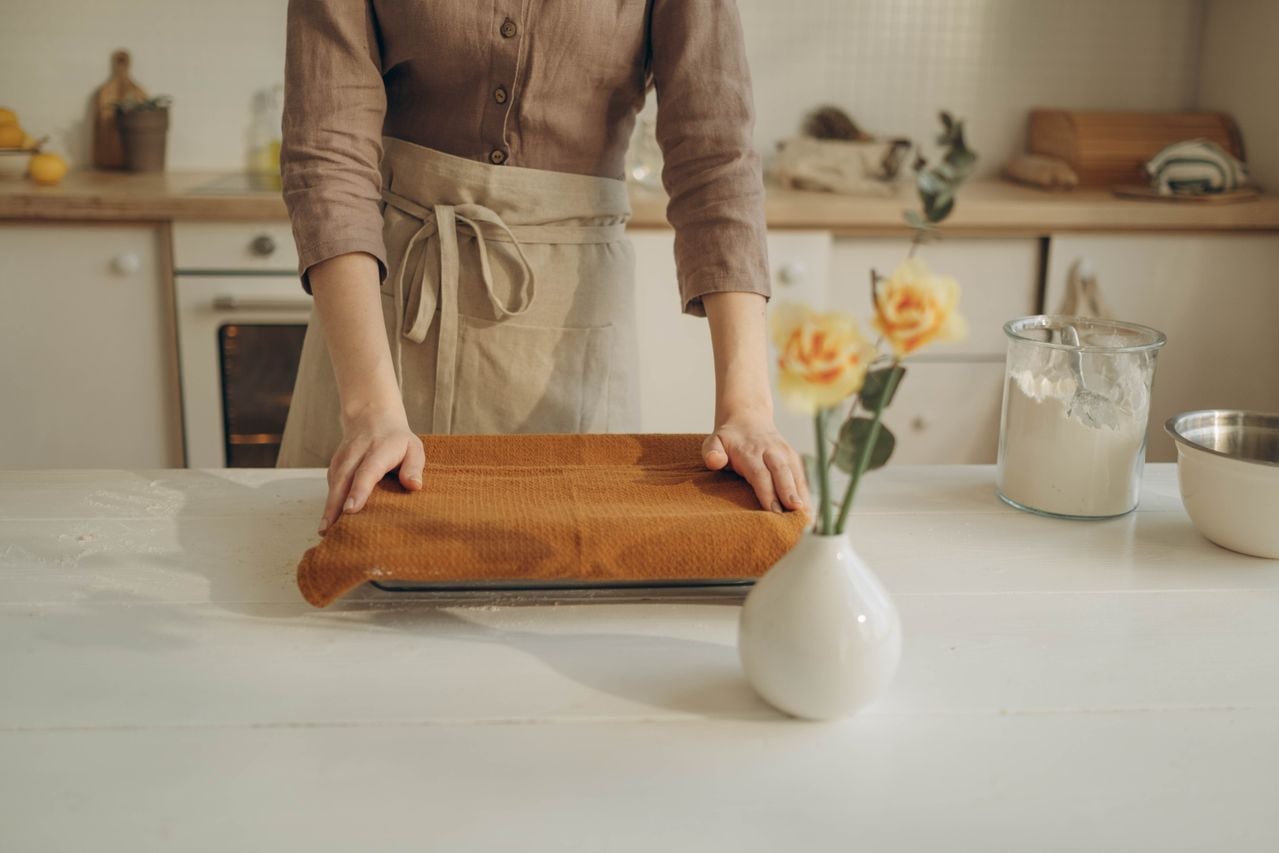
Freshly cleaned cast iron can start rusting again quickly, sometimes within minutes if moisture lingers. After rinsing away any residue, dry the skillet thoroughly with a towel, then place it over low heat or in a warm oven to drive off remaining water. This step matters because cast iron is porous and holds moisture in tiny surface irregularities. A pan that looks dry can still trap water. Heating it briefly gives you a clean, dry base for the oil that comes next.
Rebuild the seasoning
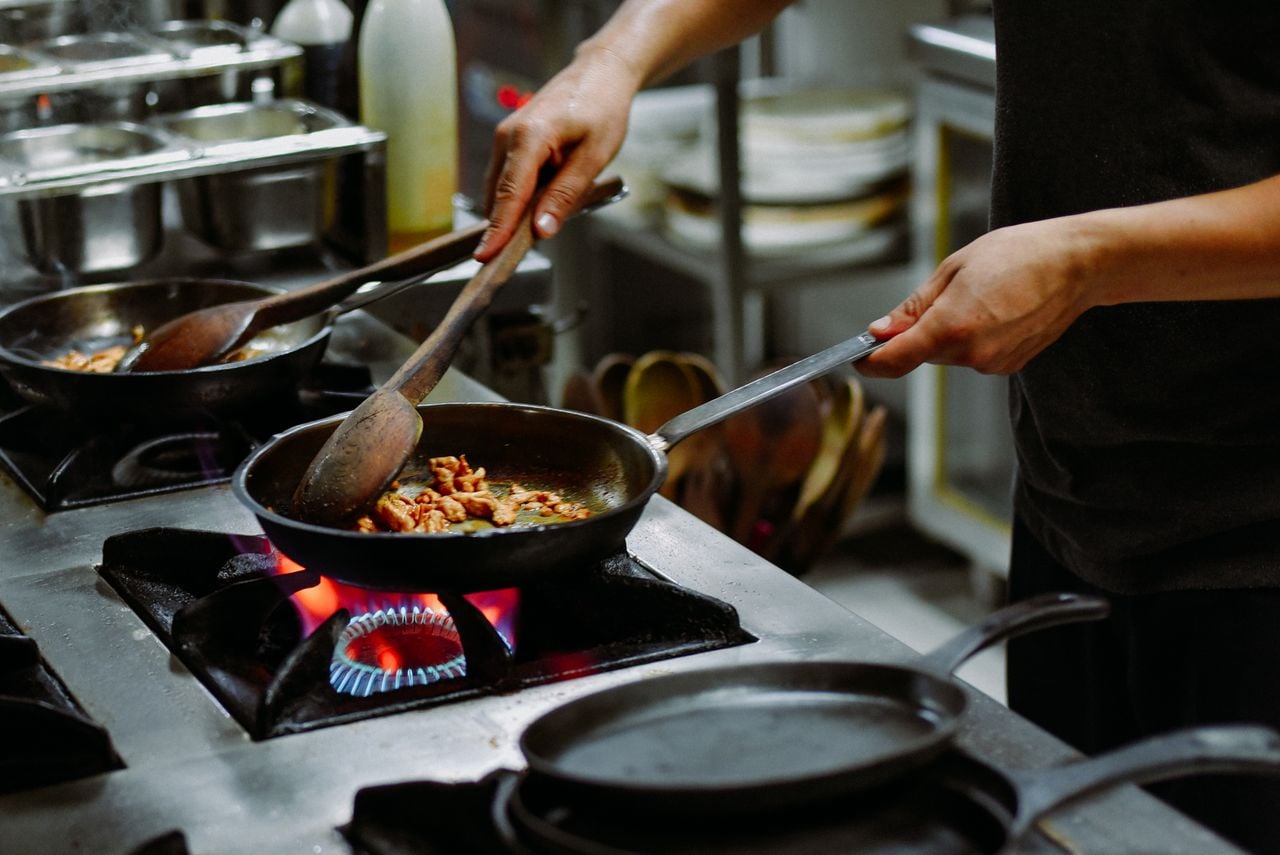
Once the pan is dry, rub on a very thin layer of cooking oil, then wipe off the excess so the surface looks nearly dry. Too much oil can leave sticky patches instead of a smooth finish. The goal is a thin film that can polymerize, or harden, into a protective layer. Then heat the skillet in the oven so that layer bonds to the metal. One round helps, but several thin coats usually build a stronger, darker finish than a single heavy one.
Cook with it to improve it
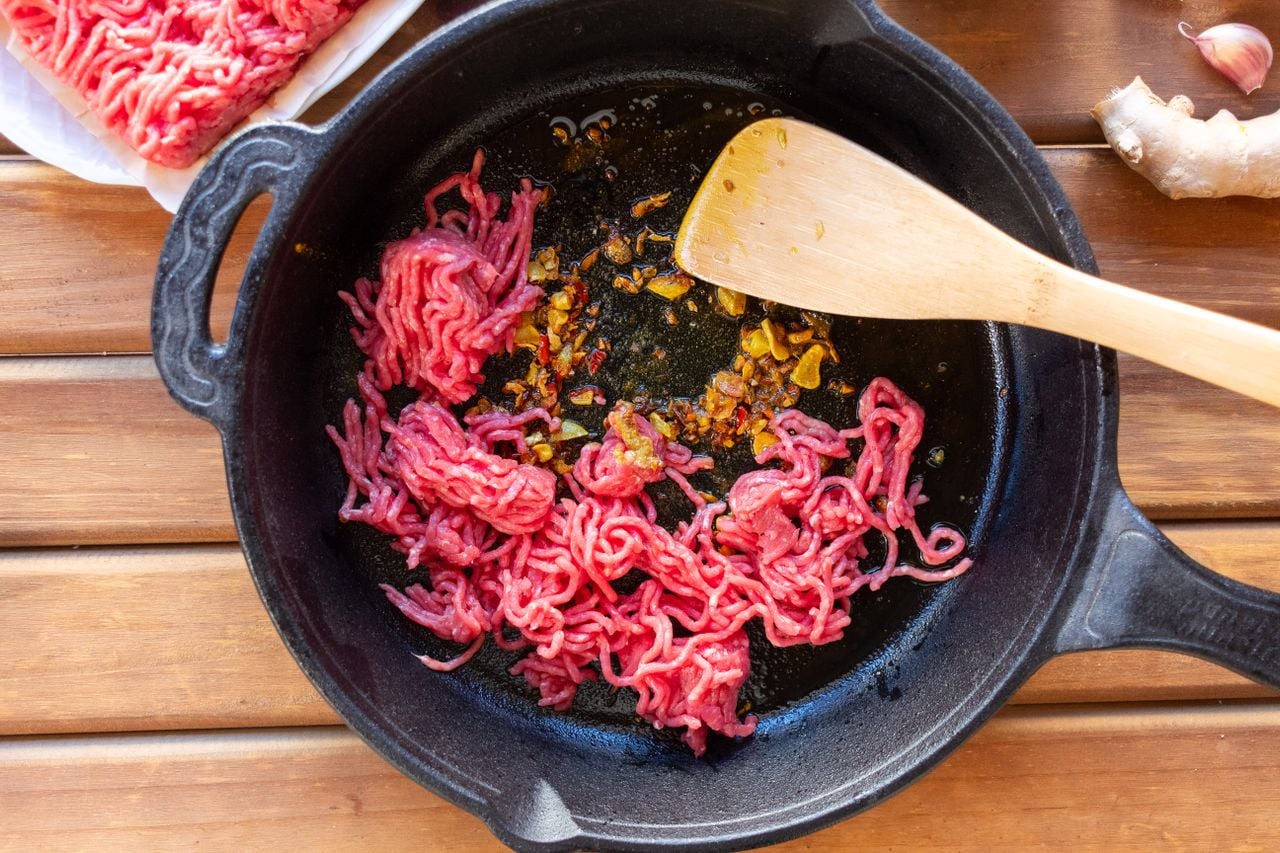
A newly restored skillet often looks uneven at first, and that does not mean the seasoning failed. Regular cooking helps fill in the surface over time. Foods cooked with a bit of fat can gradually strengthen the finish and make the pan more naturally nonstick. The early goal is steady use, not perfection. Avoid leaving water in the pan, dry it after washing, and add a light coat of oil if the surface looks dull. Good cast iron usually gets better with use.

Leave a Reply