
A meal can be flawless and still feel empty. That is the strange tension at the heart of today's luxury tasting-menu boom.
The luxury tasting menu became a status language

What was once a niche format for destination restaurants has become a mainstream marker of aspiration. In major food cities, $250 to $300 before drinks, service, and tax is no longer shocking for a multi-course dinner. In New York, Los Angeles, London, Copenhagen, and Tokyo, elite dining has shifted from special-occasion indulgence to a kind of cultural signaling for professionals, tourists, and social media users.
The economics behind that climb are real. Restaurants face punishing rents, costly ingredients, higher wages, and intense staffing demands for labor-heavy menus with tweezers, custom ceramics, and endless prep. According to reporting across the hospitality industry, even expensive dining rooms often run on thin margins, especially when they employ large kitchen brigades and front-of-house teams trained for scripted service.
But price alone does not explain why people feel emotionally underfed. A $300 dinner creates a psychological contract. Diners are not simply buying food. They are buying memory, intimacy, theater, and the promise of being moved.
That expectation matters because fine dining now sells transformation as much as taste. Guests arrive hoping for revelation, not just excellence. When the experience delivers precision without warmth, they do not feel cheated exactly, but they do feel curiously untouched.
Precision has improved while warmth has often declined
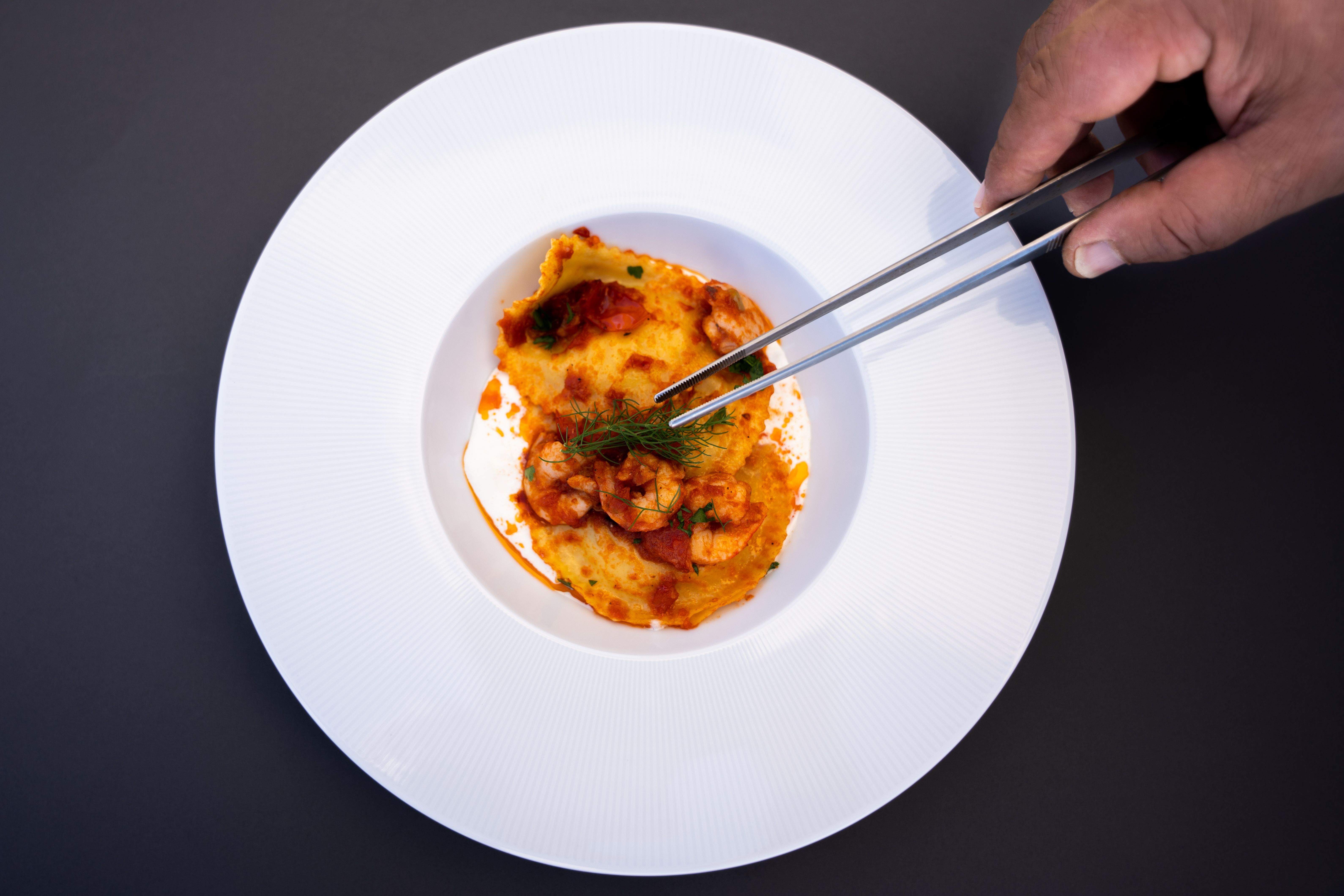
Today's high-end kitchens are extraordinarily skilled. Fermentation programs, dry-aging rooms, rare produce, and global sourcing have raised technical standards dramatically. A single bite may involve days of reduction, multiple textures, and exact temperature control that would have been nearly impossible in many dining rooms 20 years ago.
Yet technical mastery can create its own kind of distance. Courses arrive with perfect timing, polished narratives, and flawless plating, but some diners describe the evening as overly managed. Nothing goes wrong, but nothing feels alive either. The food becomes something to admire rather than something to join.
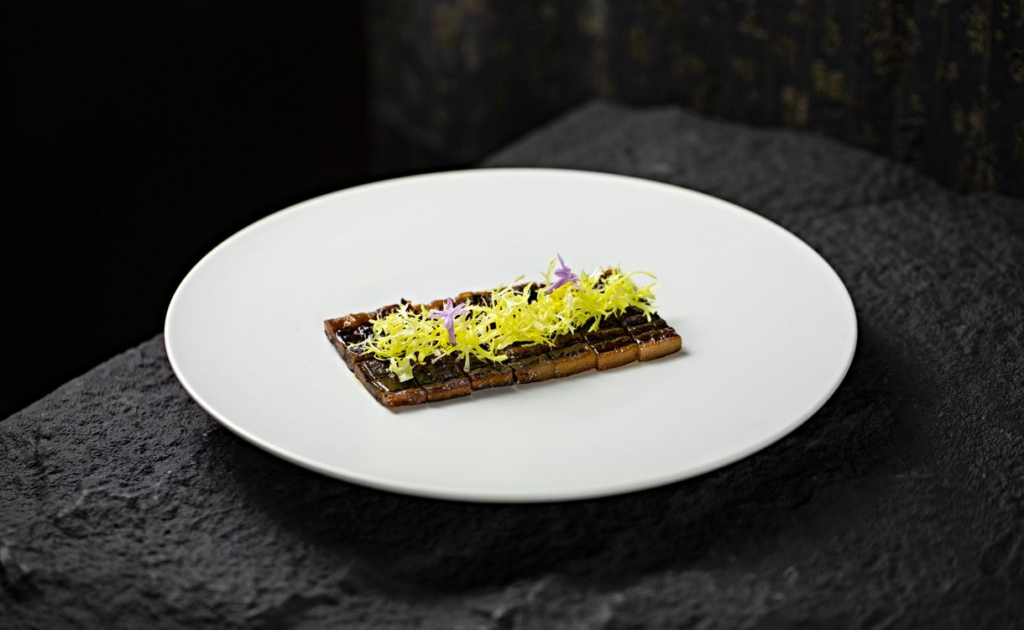
Part of that comes from standardization. As restaurants chase awards, rankings, and online visibility, many menus start to resemble one another: a pristine crudo, a delicate broth, an artful bite on custom stoneware, a luxurious protein, a pre-dessert, then a composed sweet finish. The details differ, but the emotional rhythm can flatten.
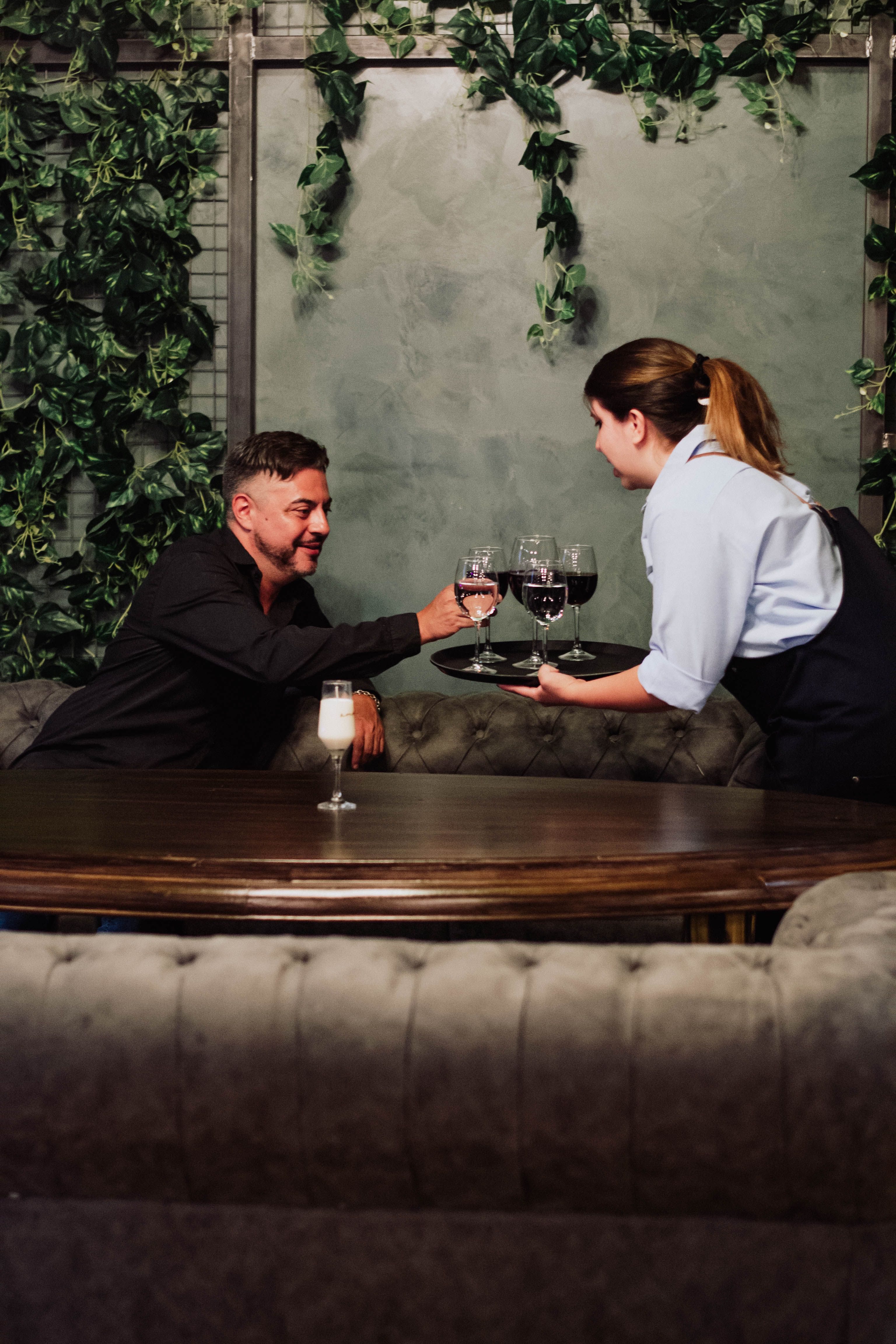
Service has changed too. In many dining rooms, hospitality has become explanatory rather than intuitive. Staff members are highly knowledgeable, yet sometimes so bound to choreography that genuine conversation disappears. Diners are informed thoroughly, but not always welcomed deeply.
Social media changed what restaurants are rewarded for
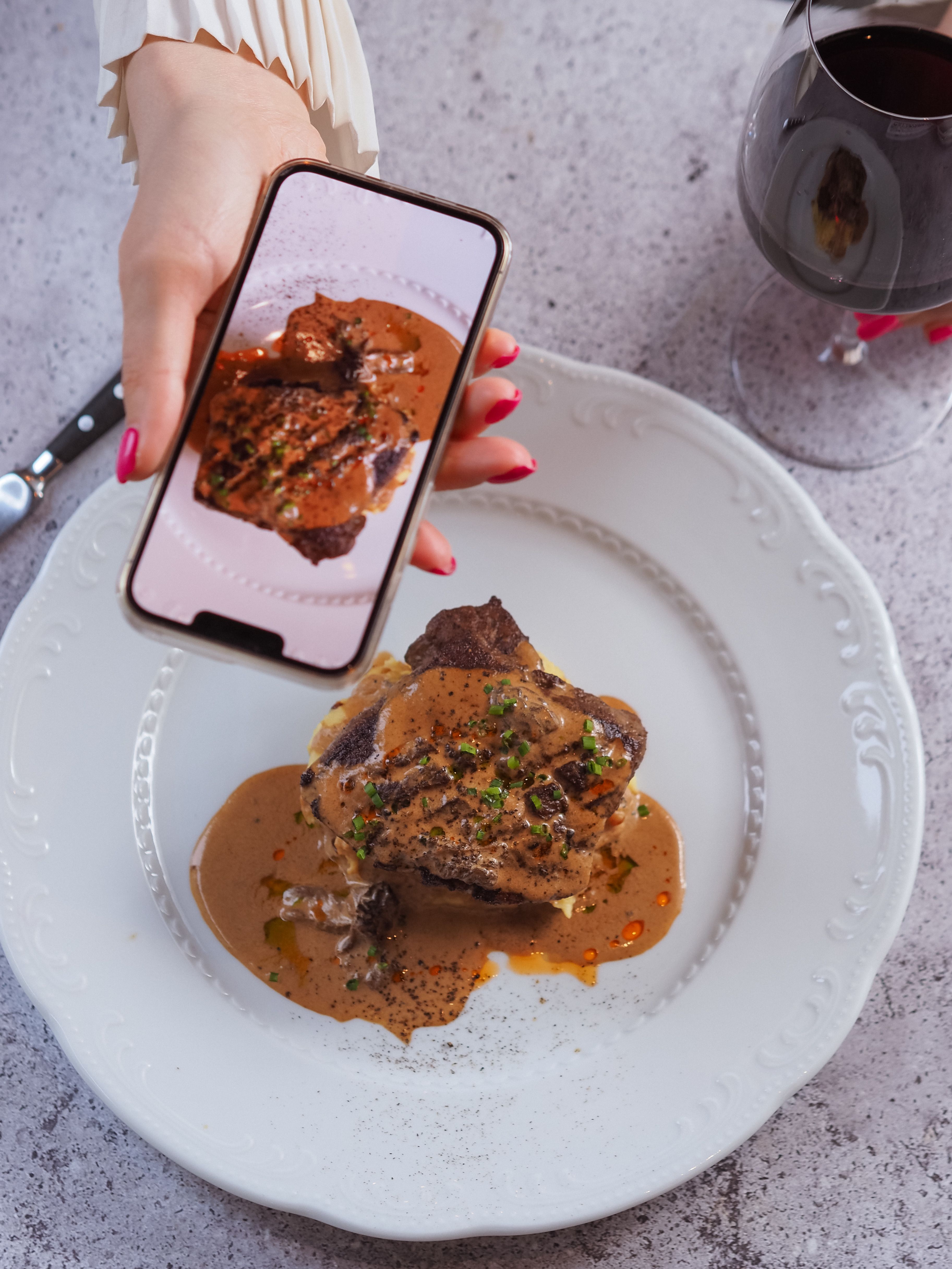
The modern tasting menu is built for documentation. Tiny courses, dramatic reveals, counter seating, open-fire cooking, and visually striking tableware all perform beautifully on camera. A dinner that unfolds in 18 acts naturally creates content, and for many restaurants that visibility is not optional. It is marketing, reputation management, and brand extension rolled into one.
This shift changes incentives. Chefs once built menus primarily around pleasure, surprise, and coherence across a meal. Now they also build for recognizability. A dish needs to read instantly in a photo or a 12-second video. The result is often food that is stunning in fragments but less satisfying in total.
Diners feel that pressure too. Instead of sinking fully into the evening, many guests document every plate, compare the experience to viral expectations, and quietly measure whether the meal is "worth posting." That mindset can interrupt appetite in a deeper sense. Attention gets divided between sensation and performance.
The irony is hard to miss. Restaurants promise immersive experience, but the culture around them encourages emotional distance. A meal that should feel intimate becomes transactional, with the diner acting partly as customer, partly as audience, and partly as unpaid media channel.
Scarcity, control, and exclusivity can drain pleasure
Part of fine dining's appeal has always been access. Limited seats, hard-to-get reservations, prepaid deposits, and long waitlists create anticipation and prestige. Behavioral economists have long observed that scarcity increases perceived value, and restaurants understand this well. The harder a table is to secure, the more meaningful it seems before the first course even arrives.
But scarcity can also make diners feel managed rather than cared for. Strict arrival windows, cancellation penalties, fixed pairings, allergy limitations, and little room for spontaneity can turn dinner into a controlled system. For some guests, the evening starts to resemble compliance. They are following a program rather than being hosted.
This matters because pleasure in hospitality often comes from a sense of ease. Classic great restaurants knew how to create formality without tension. By contrast, some modern tasting menus feel administratively heavy from booking through dessert, especially when guests spend weeks navigating deposits, reminder emails, and policy language before they ever sit down.
When control rises too high, delight can fall. Diners may still admire the craft and respect the ambition, but emotional satisfaction depends on agency, surprise, and comfort. A meal can be rare, expensive, and exclusive while still leaving the guest slightly cold.
The deepest hunger is often for meaning, not luxury
People do not remember every garnish. They remember how a restaurant made them feel. That is why some modest meals become lifelong memories while some elite dinners blur together within days. A neighborhood bistro with imperfect lighting and attentive warmth can satisfy more deeply than a famous counter serving edible sculpture.
Research on consumer satisfaction repeatedly shows that expectations shape emotional outcome. The higher the promise, the more devastating even a small shortfall can feel. At $300, diners are primed to search for wonder. If they receive competence instead, the gap is not minor. It is existential to the entire purchase.
Meaning usually comes from context. It might be a server who reads the table perfectly, a chef whose food reflects biography rather than trend, or a dining room that allows guests to settle into the evening without intimidation. These details create emotional nutrition. They tell the diner, in effect, that the experience was made for humans, not metrics.
That helps explain why so many guests now describe expensive tasting menus as "beautiful but forgettable." The meal may satisfy curiosity, but not longing. And longing is often what brought them through the door in the first place.
The restaurants that endure will serve more than perfection
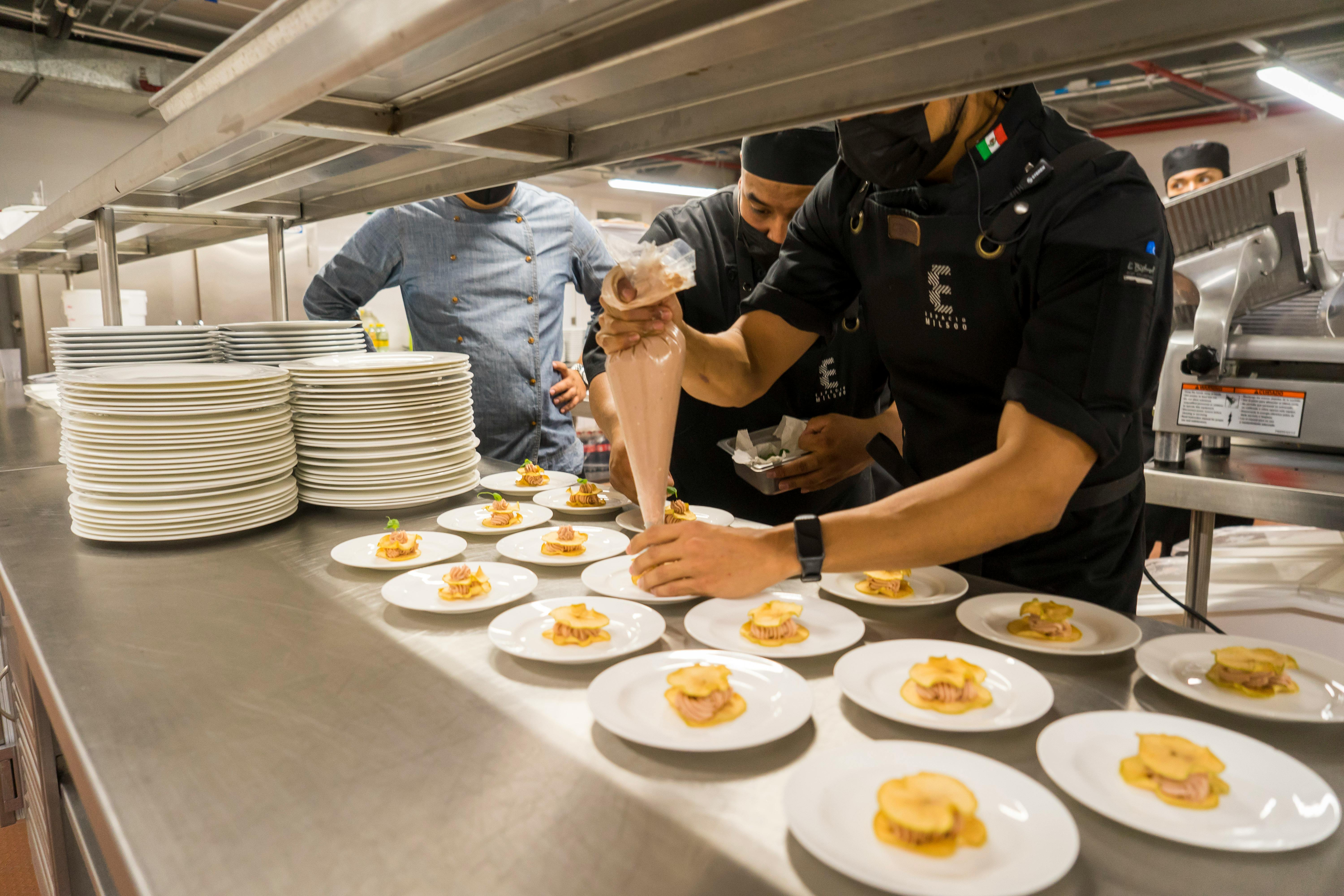
The most resilient fine-dining restaurants are already adjusting. Some are reducing course counts, loosening service scripts, offering more choice, and replacing excessive narration with sharper storytelling. Others are rethinking room design, music, pacing, and staff training so the evening feels less ceremonial and more generous.
There is also a broader industry correction underway. Diners have become more selective about where they spend on luxury. Inflation, service fees, and reservation fatigue have made people ask harder questions about value. In response, many chefs are rediscovering a simpler truth: hospitality is not the garnish on the meal. It is the meal's emotional core.
That does not mean tasting menus are doomed. At their best, they remain one of the most powerful formats in restaurants, capable of expressing seasonality, craft, and identity with unusual intensity. But the format only works when ambition is matched by humanity. Otherwise it can feel like paying premium prices for beautifully arranged detachment.
The future of fine dining will not be decided only by who can source the rarest shellfish or plate the most intricate bite. It will belong to the restaurants that understand a guest can leave physically full yet still hungry, and that emotional satiety is the hardest course to serve well.




Leave a Reply