
Canada wants its fish story to carry more weight than a label. In a global seafood market crowded with eco-claims, it is trying to show that sustainability can be measured, verified, and sold.
Why sustainability has become a trade weapon

Sustainability is no longer a side issue for seafood exporters. It has become a market requirement as large retailers, restaurant chains, and importers demand proof that fish was harvested responsibly and legally.
For Canada, that matters because seafood is one of its most valuable food exports. Lobster, snow crab, salmon, shrimp, halibut, and mussels all compete in markets where buyers increasingly compare carbon footprints, stock health, labor practices, and traceability systems before signing contracts.
That pressure has intensified as the European Union, the United States, and parts of Asia tighten rules around illegal, unreported, and unregulated fishing. Canadian producers see an opening here: if they can document cleaner fisheries management and stronger oversight, they can position Canadian seafood as a premium product rather than just another commodity.
What Canada says sets its seafood apart
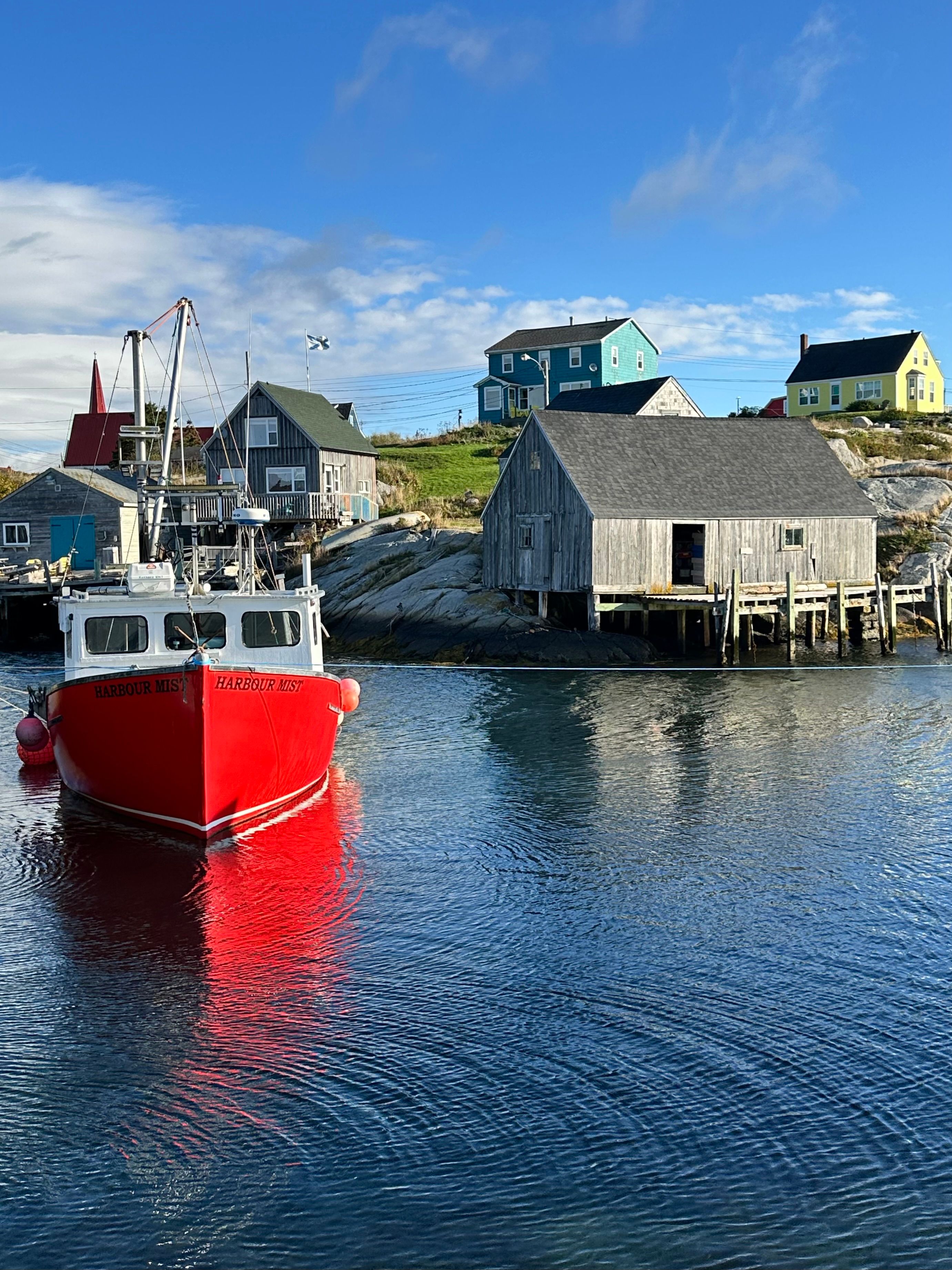
Canada's argument begins with governance. Most commercial fisheries operate under quota systems, seasonal controls, licensing rules, and scientific stock assessments overseen by Fisheries and Oceans Canada, giving the country a regulatory backbone many competitors cannot match consistently.
The country also highlights its long coastline and varied fisheries, from Atlantic shellfish to Pacific groundfish, as evidence that sustainability systems are being tested across different ecosystems. Industry groups often point to independent certifications, dockside monitoring, electronic logbooks, and vessel reporting as proof that oversight is not merely theoretical.
In British Columbia, for example, several fisheries have promoted selective gear and close monitoring to reduce bycatch. In Atlantic Canada, lobster and crab sectors frequently emphasize trap limits, escape vents, size restrictions, and short seasons designed to protect breeding populations and maintain long-term stock health.
Traceability is becoming the real battleground
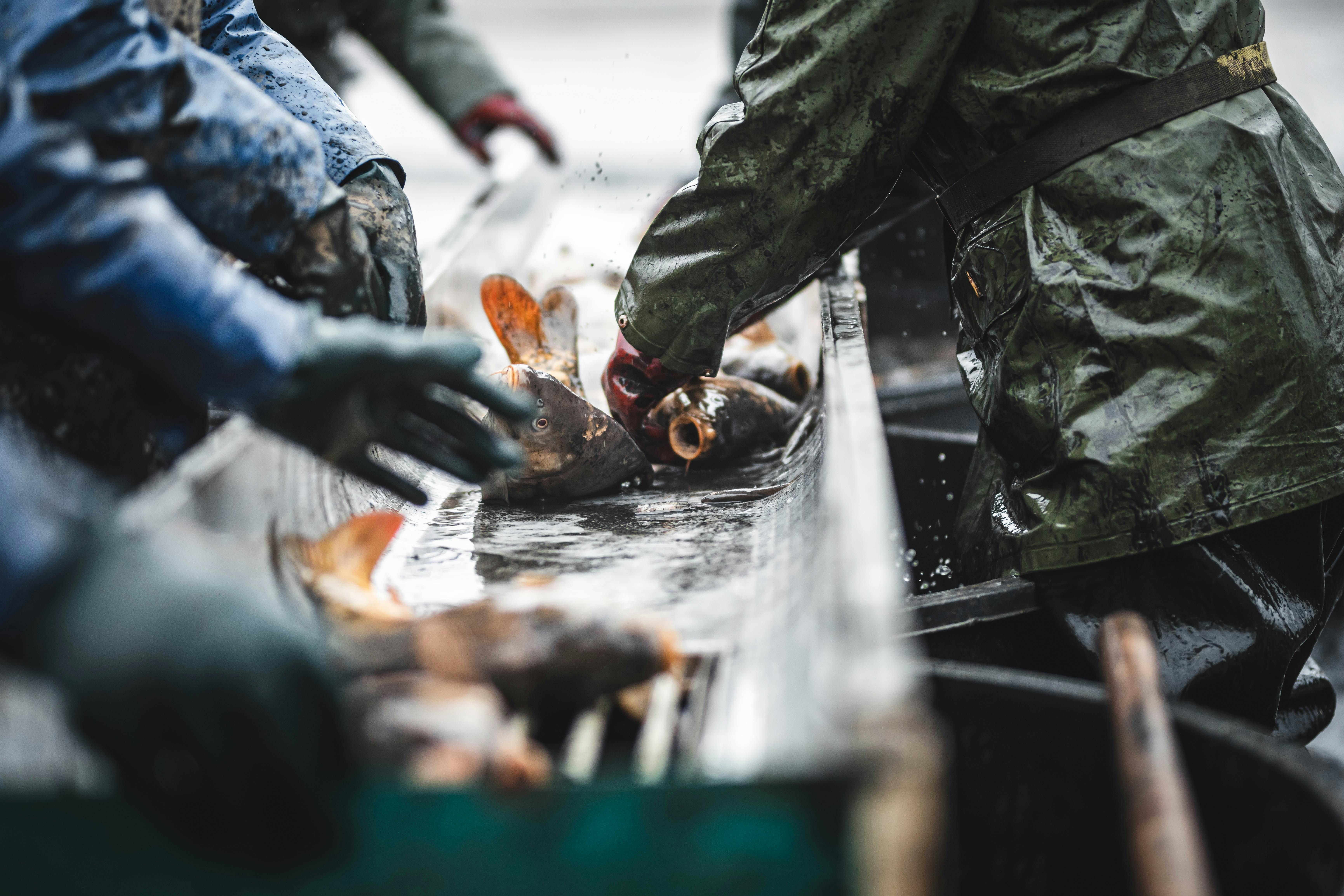
A sustainable claim means little if nobody can prove where the seafood came from. That is why traceability, the ability to follow seafood from vessel or farm to processor, exporter, retailer, and plate, has become central to Canada's pitch.
Buyers increasingly want detailed records that show species, harvest area, catch method, dates, and chain of custody. In practice, this means more digital tools, barcode systems, onboard reporting, and audits. It also means extra costs for harvesters and processors, especially smaller operators that have less room to absorb new compliance expenses.
Still, traceability can create commercial advantages. When importers worry about seafood fraud, mislabeled products, or supply chain contamination, suppliers that can verify every step often gain trust faster. According to reporting from Reuters and trade organizations, that trust can translate into better shelf placement, stronger contracts, and access to premium markets.
The claims face real scrutiny at home and abroad
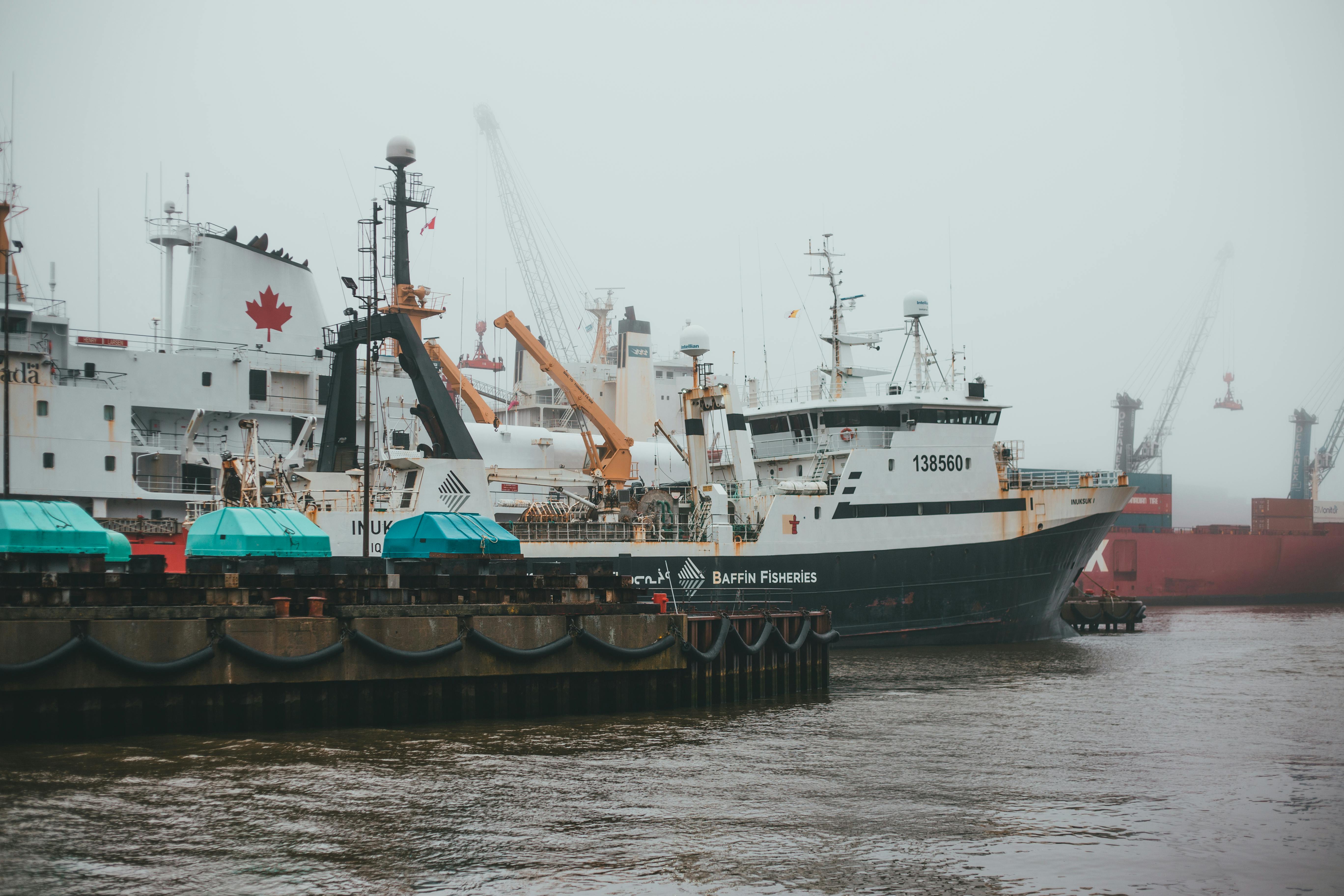
Canada's sustainability case is strong in some areas, but it is not beyond challenge. Environmental groups have criticized weaknesses in habitat protection, inconsistent rebuilding timelines for depleted stocks, and the gap between policy promises and on-the-water enforcement.
Open-net pen salmon farming has been especially contentious on the Pacific coast. Critics argue that disease risks, waste, and impacts on wild salmon undermine Canada's broader sustainability message, while industry and some provincial voices counter that aquaculture is improving and remains vital for jobs and food supply.
Climate change also complicates every claim. Warming oceans, shifting species ranges, marine heat waves, and changing ice conditions can quickly alter stock health, making yesterday's sustainability benchmark less meaningful. In that sense, Canada is not only competing with other exporters. It is competing with environmental instability itself.
Indigenous leadership is reshaping the conversation

One of the most important changes in Canadian seafood is the growing role of Indigenous nations in management, monitoring, and commercial participation. That shift matters because sustainability is increasingly understood as more than biomass counts and catch limits.
In many coastal regions, Indigenous communities bring long-term knowledge of ecosystems, local species behavior, and habitat conditions that standard management models do not always capture fully. Co-management agreements and court-backed rights have pushed governments and industry to treat stewardship as a shared responsibility rather than a top-down exercise.
This change also affects market perception. Buyers and consumers are paying more attention to whether seafood supports community benefits, respects Indigenous rights, and reflects social sustainability alongside environmental performance. For Canada, stronger Indigenous leadership can make sustainability claims more credible, but only if decision-making power is real and not symbolic.
What will determine whether Canada wins this argument
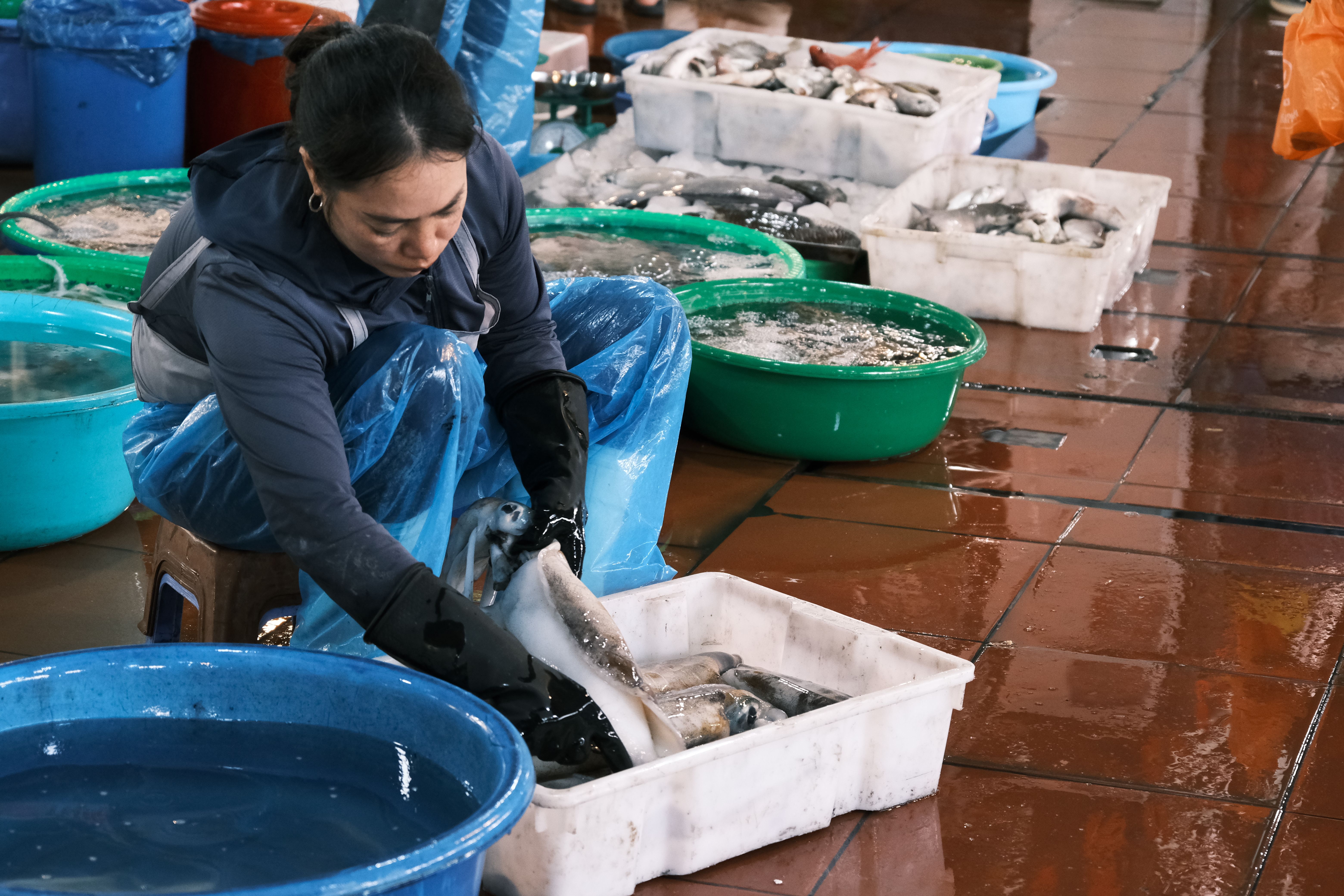
The country's success will depend less on slogans than on evidence. Certifications help, but the real test is whether Canada can show consistent stock management, transparent data, low bycatch, credible enforcement, and supply chains that stand up to outside scrutiny.
Price remains a major obstacle. In many markets, buyers say they want sustainable seafood, yet still choose cheaper options when budgets tighten. That means Canadian exporters must persuade customers that verified sustainability reduces risk, protects brand reputation, and justifies paying more.
The broader lesson is simple. Canada is trying to make sustainability a competitive edge, not just a moral claim. If it can keep improving traceability, adapt to climate pressures, and close the gap between policy and practice, its seafood sector may prove that environmental rigor is also good business.




Leave a Reply