
A favorite snack can be here one week and gone the next. In Canada, that usually is not random at all.
Why imported foods are never entering a free-for-all market
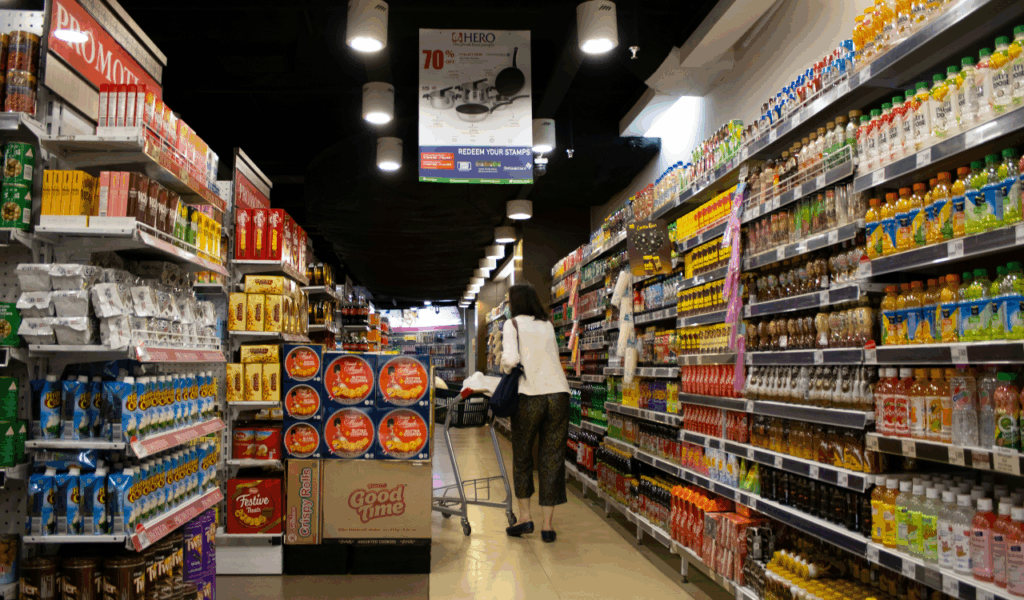
Canada's food import system looks open from the outside, but it is heavily managed long before products reach store shelves. Importers must satisfy federal rules on food safety, ingredients, packaging, and traceability. The Canadian Food Inspection Agency, Health Canada, and the Canada Border Services Agency each play a role in deciding what crosses the border.
That means a missing product is often the result of compliance failure, not consumer demand. A recipe change, an undeclared additive, or a labeling error can stop a shipment cold. Even successful products can disappear if a supplier cannot meet Canadian standards quickly enough.
Retailers usually do not explain this in detail to shoppers. They simply replace the item, reduce shelf space, or mark it as unavailable. From the customer's point of view, it looks sudden, but the issue often began months earlier in paperwork, inspections, or product reformulation.
Small rule changes can trigger big shelf-level consequences

One overlooked truth is that tiny regulatory details can have outsized effects. Canada has strict bilingual labeling requirements, allergen disclosure rules, and standards for nutrition facts panels. If an imported food package fails on any of those points, the problem is not cosmetic. It can block legal sale.
This is especially common with specialty snacks, sauces, confectionery, and seasonal goods. A U.S. or European product may be perfectly legal in its home market yet non-compliant in Canada because the French text is incomplete or ingredient names differ from Canadian terminology.
For smaller importers, fixing those issues is expensive and slow. New packaging runs, relabeling at warehouses, and customs delays can erase thin profit margins. That is why some products disappear quietly instead of returning with corrected labels a few weeks later.
Supply management and quotas shape what Canada allows in

Not every disappearance is about safety. Some are about market structure. Canada protects sectors such as dairy, poultry, and eggs through supply management, a system that tightly controls domestic production and uses tariff-rate quotas to limit how much foreign product can enter at lower duty levels.
Once those quota limits are reached, import costs can jump sharply. A cheese, butter, or yogurt product that was viable at one tariff rate may become commercially unrealistic at another. Importers then pull back, and retailers lose access without much public explanation.
Trade agreements have opened some access, but not in a way that makes every foreign food consistently available. The result is a market where certain imported staples appear briefly, regionally, or seasonally, then vanish when quota space tightens or import economics stop working.
Border disruptions can erase products almost overnight

Sometimes the system works exactly as designed, and products still disappear. Transportation bottlenecks, port backlogs, trucking shortages, and weather events can all break a supply chain. During the pandemic, Canadians saw how quickly imported food variety narrowed when logistics became unstable across borders.
A single disruption can have ripple effects if a product comes from one plant, one distributor, or one refrigerated route. Fresh produce, specialty meats, and frozen prepared foods are especially vulnerable because they depend on timing, temperature control, and customs coordination.
Geopolitics also matters more than many shoppers realize. Disease outbreaks in livestock, export restrictions abroad, labor actions at ports, and sudden inspections can all interrupt trade. In those moments, a shelf gap may reflect international risk management, not a store's purchasing decision.
Retailers and importers often choose silence for practical reasons

Consumers tend to expect a clear explanation when an item disappears, but supply chains rarely communicate that way. Retailers may not know the full reason themselves, especially if the problem sits with a broker, foreign manufacturer, or upstream distributor. By the time the store learns more, the shelf plan has already changed.
Importers also have reasons to stay quiet. If a product was held for non-compliant labeling or ingredient review, companies may avoid public discussion while they fix it. No brand wants shoppers to confuse an administrative problem with a food safety crisis.
This silence creates the impression of randomness. In reality, many missing products are caught in ordinary commercial decisions shaped by costs, risk, and regulation. The food did not simply vanish. It became too hard, too slow, or too expensive to keep in Canada.
What shoppers can learn from a disappearing product

The simplest lesson is that availability is not only about popularity. A food can sell well and still disappear because the importer lost margin, the label no longer complied, or the quota window closed. In Canada, shelf presence reflects policy as much as consumer taste.
That is why imported favorites often reappear in altered form. They may come back with different packaging, a reformulated ingredient list, a new distributor, or a smaller seasonal run. What looks like a brand decision is often a regulatory and logistical adjustment behind the scenes.
For shoppers, the best clue is pattern. If a product vanishes repeatedly, especially in categories like cheese, candy, processed foods, or specialty beverages, the cause is usually structural. Canada's import system is designed to filter, manage, and sometimes restrict supply, even when demand remains strong.




Leave a Reply