
Canada's restaurant labor problem is no longer a distant warning. It is becoming a defining business risk for one of the country's largest private-sector employers.
Why the warning is gaining urgency

The headline figure is stark: up to 150,000 restaurant jobs could be vacant by 2027 if immigration slows while demand for food service labor stays strong. Restaurants Canada and other industry voices have warned that the sector depends heavily on newcomers for both front-of-house and kitchen roles. Without that pipeline, hiring gaps that already frustrate operators could widen quickly.
This matters because restaurants are unusually labor intensive. A dining room cannot serve itself, and a kitchen cannot simply automate every prep station, fryer, grill, and dish pit overnight. Even modest staffing shortages can force owners to reduce hours, limit seating, or close on certain days, which directly cuts revenue.
The urgency is also tied to timing. Canada is adjusting immigration targets while many restaurants are still recovering from pandemic debt, inflation in food costs, and higher rent. A fresh labor squeeze arriving on top of those pressures could be more damaging than in a healthier operating environment.
Why restaurants rely so heavily on immigration
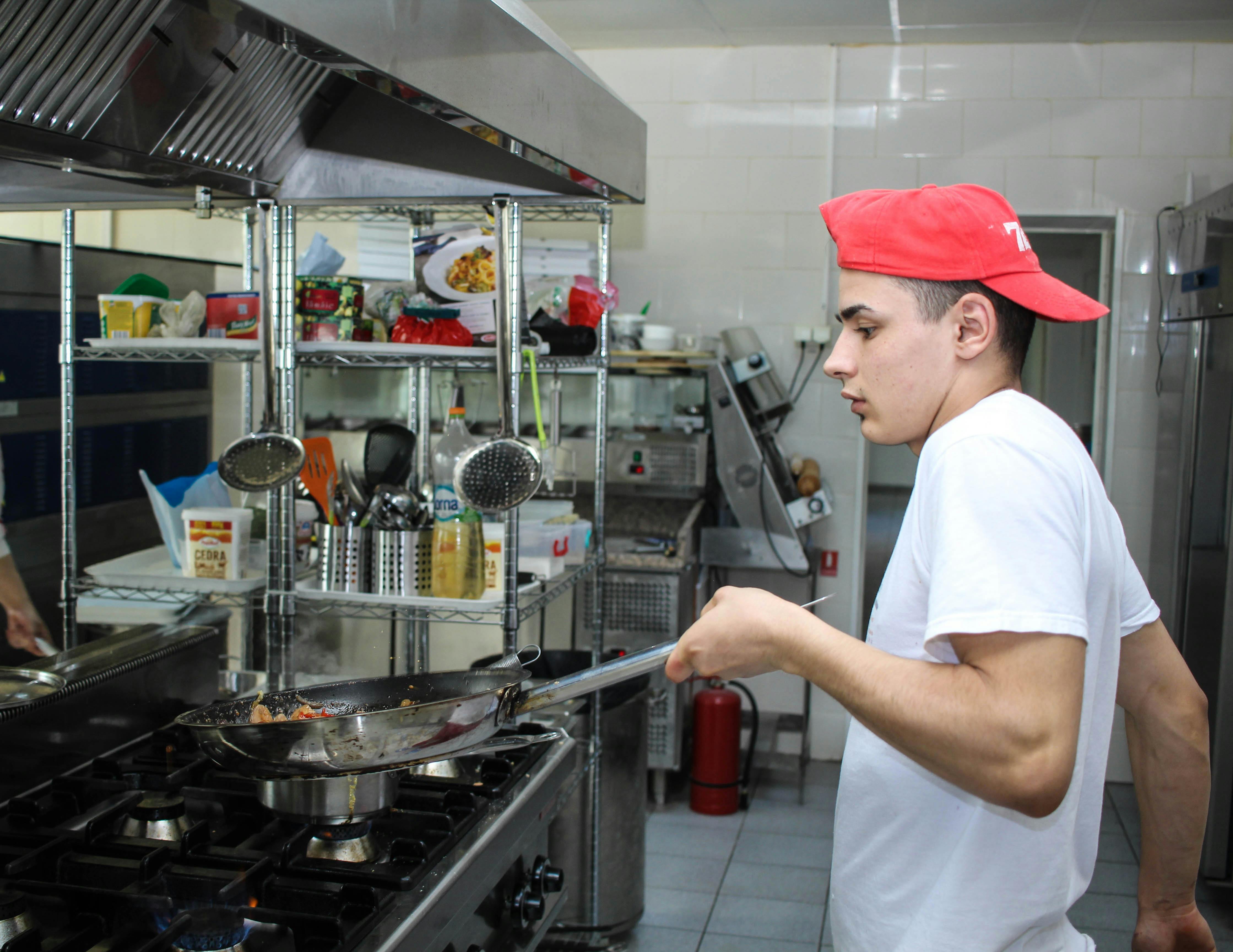
A simple reality shapes this issue: many restaurant jobs are difficult to fill consistently with the domestic labor pool alone. The work is physically demanding, schedules often include nights and weekends, and turnover can be high. Newcomers have long helped stabilize this workforce, especially in large cities and fast-growing suburbs.
According to industry groups, immigrants are represented across the full ladder of restaurant work. They are line cooks, servers, bakers, supervisors, and eventually franchisees and independent owners. In many cases, they do not just fill vacancies. They create businesses, employ others, and help keep neighborhood commercial districts active.
There is also a demographic layer. Canada's population is aging, and competition for workers extends far beyond hospitality. Health care, warehousing, retail, construction, and logistics all draw from overlapping labor pools. When immigration slows, restaurants often lose out because they typically cannot match the pay, benefits, or schedule predictability offered in other sectors.
What a 150,000-worker gap would look like

A shortage of this size would not only show up as help-wanted signs. Customers would likely feel it through longer waits, shorter operating hours, simplified menus, and more frequent service disruptions. In smaller communities, the effect could be even sharper because there are fewer alternative workers nearby and less room to rotate staff across locations.
For employers, chronic understaffing usually leads to burnout among the people who remain. Managers cover shifts, cooks stretch across stations, and service quality becomes harder to maintain. Over time, that can damage customer loyalty and worsen turnover, creating a cycle that is expensive and difficult to break.
The financial effects are equally serious. Labor shortages can push wages higher, which is positive for workers, but restaurants with thin margins often pass some of that cost on through menu prices. If consumers pull back because dining out feels too expensive, operators face a painful double hit of rising costs and softer traffic.
Which businesses are most exposed

Not every restaurant will feel the labor crunch in the same way. Quick-service chains may have stronger recruitment systems, larger training budgets, and more capacity to invest in self-order kiosks or kitchen technology. Independent restaurants, family-run operations, and rural businesses usually have fewer buffers and less bargaining power in the labor market.
Back-of-house roles are especially hard to replace. Experienced cooks, kitchen supervisors, and bakers require practical skill, speed, and consistency that cannot be developed instantly. Losing access to immigrant talent in these positions could slow production, increase waste, and make food safety harder to manage during busy periods.
Regional differences also matter. Major immigrant gateways such as Toronto, Vancouver, and Montreal may still attract some workers through existing communities and support networks. Smaller provinces and remote areas often depend even more on targeted immigration streams because local populations alone may not meet employer demand.
What governments and industry can do

One path forward is more targeted immigration policy. Rather than viewing hospitality labor as temporary or easily replaceable, policymakers could treat restaurant occupations as part of essential economic infrastructure. Industry leaders have argued for immigration streams that better reflect real labor shortages, including cooks, food counter attendants, and hospitality supervisors.
Domestic workforce measures matter too, but they take time. Better wages, clearer career paths, employer-funded training, and more predictable scheduling could help retention, especially for younger workers and career changers. These steps are worthwhile, yet most operators say they complement immigration rather than replace it.
There is also room for productivity gains. Technology can reduce pressure at the margins through digital ordering, reservation tools, inventory systems, and smarter kitchen workflows. Still, hospitality remains a people business. Technology may trim labor needs somewhat, but it cannot eliminate the need for trained workers who prepare food and serve guests.
Why this matters beyond the restaurant industry

Restaurants are often treated as a discretionary part of the economy, but they play a broader role than many people realize. They employ hundreds of thousands of Canadians, buy from farmers and distributors, anchor main streets, and generate tax revenue. When staffing shortages persist, the ripple effects spread across supply chains and local communities.
There is a social cost as well. Restaurants are where people gather after work, celebrate milestones, and support local culture. If labor shortages force more closures or reduce service across neighborhoods, communities lose accessible spaces that contribute to daily life and economic activity.
The warning about 150,000 unfilled jobs is therefore not just an industry complaint. It is a signal about how immigration policy, demographics, and business conditions intersect in practical ways. If Canada wants a stable, affordable, and vibrant restaurant sector by 2027, labor supply will have to be part of the plan.




Leave a Reply