
Hot weather changes the way I snack. In summer, I want food that is cold, bright, crunchy, and sharp enough to wake up my appetite without asking me to turn on the stove.
The two ingredients that make this work
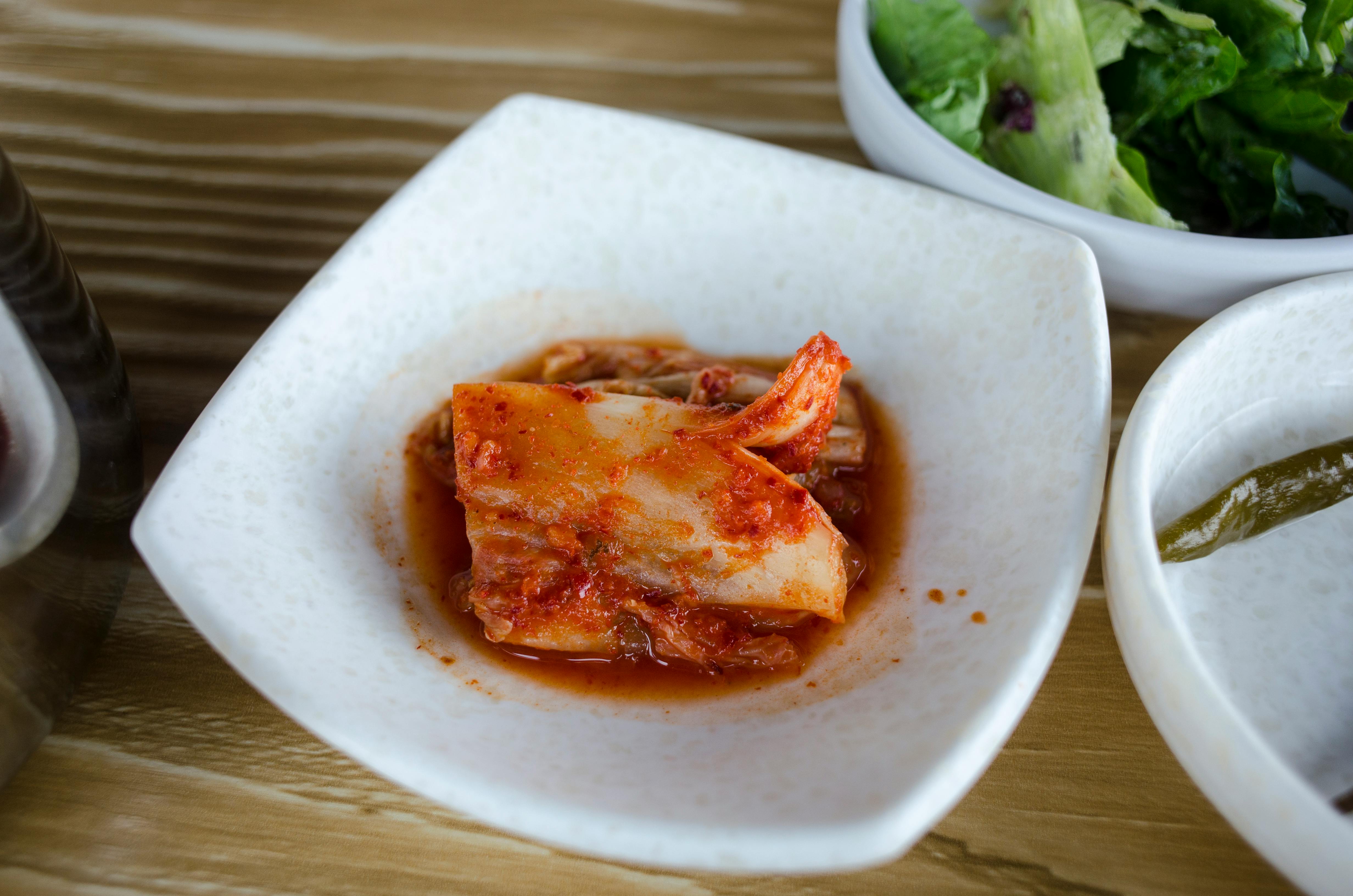
The snack is almost laughably simple: cold cucumber and kimchi. That is it. Yet the pairing works because each ingredient fills in what the other lacks, creating a bite that feels complete rather than stripped down.
Cucumber brings water, crunch, and relief. Its mild flavor softens kimchi's heat and funk, while its snap gives structure to every bite. English cucumbers and Persian cucumbers are especially good here because they have thin skin, fewer seeds, and a cleaner, sweeter taste.
Kimchi does the heavy lifting on flavor. Depending on the style, it delivers chile heat, garlic, ginger, salt, acidity, and the savory depth that comes from fermentation. Napa cabbage kimchi is the easiest choice, but radish kimchi also works beautifully if you want a firmer, juicier texture.
Why kimchi is such a smart summer ingredient
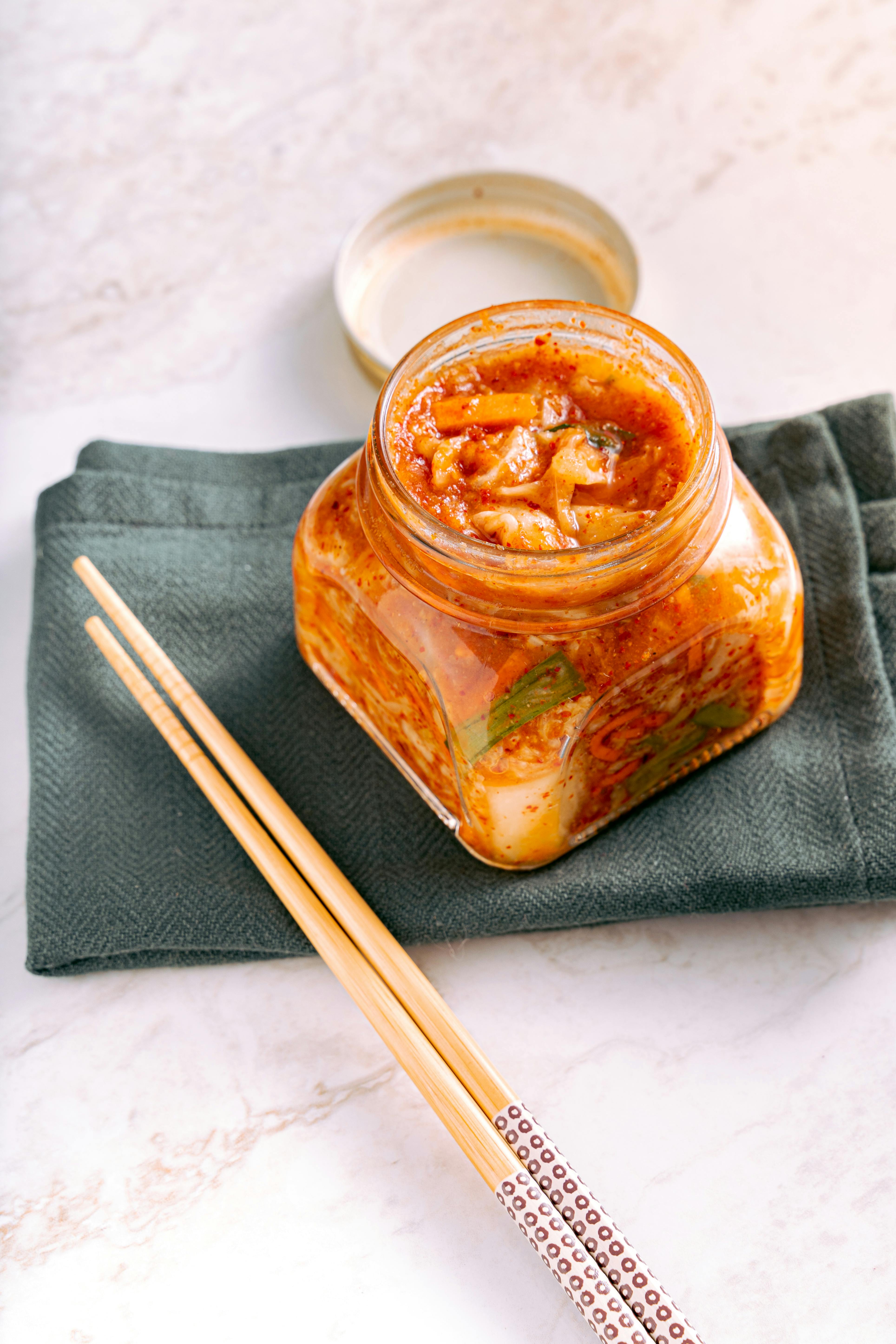
Here is what many people miss about kimchi: it is not just spicy, it is cooling in practice because it makes simple cold foods taste lively. A spoonful can transform plain vegetables, rice, or eggs into something that feels intentional and satisfying.
Fermented foods have long been valued for their complexity, and kimchi stands out because it layers flavor without demanding extra ingredients. Traditional recipes vary across Korea by region and season, but most include salted vegetables, chile, aromatics, and time, which creates a balance of sourness, salinity, and umami.
Store-bought kimchi has also become more consistent and accessible. Many grocery chains now carry several styles, from mild vegan versions to deeply funky classic napa kimchi. That range makes this snack easy to customize for people who want less heat, more crunch, or a cleaner fermented flavor.
The best way to prepare and serve it
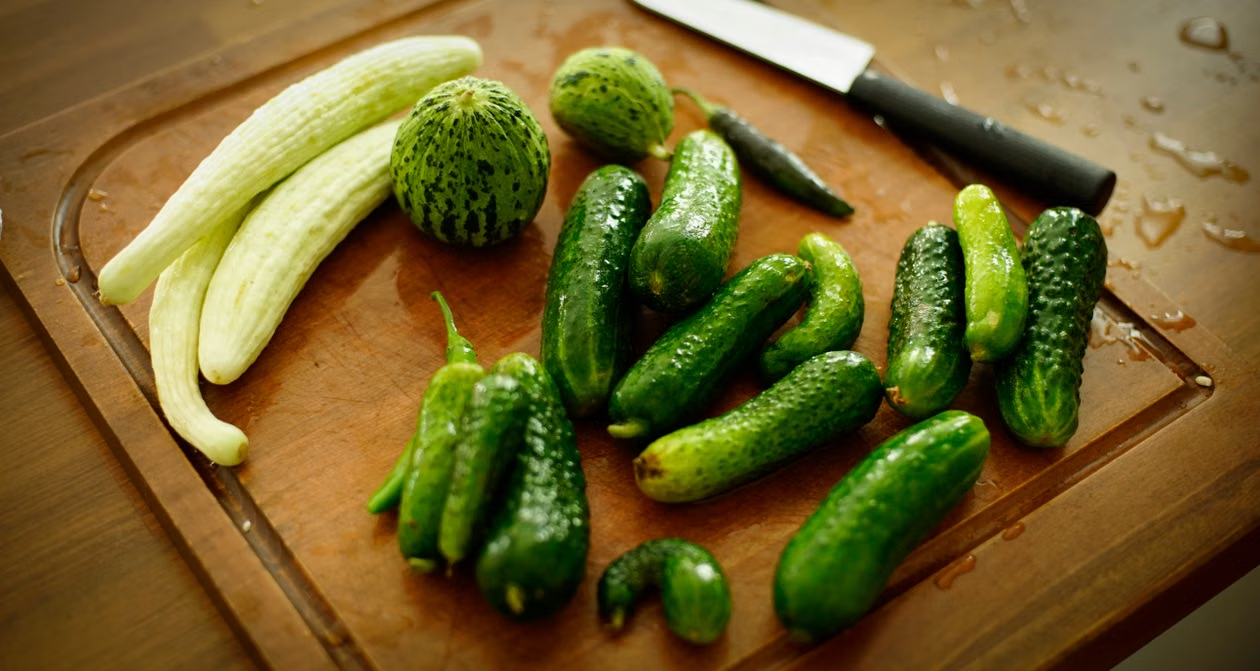
A good method makes a simple snack feel polished. I like to slice cucumbers into thick coins or long spears, then spoon kimchi over the top or tuck it alongside for easy grabbing. Keeping both ingredients very cold is what makes the whole thing feel especially summery.
If your kimchi pieces are large, chop them slightly so each bite stays balanced. A little of the kimchi juice can be added too, but use restraint. Too much liquid can make the cucumber slippery and dilute the crunch that makes this snack so appealing.
This is the kind of snack that benefits from last-minute assembly. Salt is not necessary because kimchi already brings plenty, and the cucumber is best before it starts releasing water. Put it together right before eating and it tastes vivid, crisp, and restaurant-smart.
What it tastes like and why it is so satisfying

The first thing you notice is contrast. Cucumber is clean and almost sweet, while kimchi is punchy, savory, acidic, and warm with chile. That tension is what keeps the snack interesting from the first bite to the last.
Texture matters just as much as flavor. The cucumber cracks and cools the palate, while the kimchi folds in softer fermented cabbage with occasional chew. Together, they create the kind of sensory balance that makes you reach back into the bowl without thinking.
There is also a reason this snack feels more filling than its size suggests. Strong flavors often create a sense of completeness, and crunchy foods can feel more substantial because they slow down eating. You get refreshment and intensity at once, which is rare in a two-ingredient snack.
Easy ways to vary it without losing the point

What makes this idea so useful is how easily it bends. If you want a neater presentation, use cucumber rounds as little bases and top each one with a small tangle of kimchi. For a more casual bowl, roughly chop both and eat them like a quick summer salad.
Different kimchi styles can change the entire personality of the snack. White kimchi gives you tang without heat. Kkakdugi, the popular cubed radish kimchi, adds more crunch and a slightly sweeter fermented note. Young cucumber kimchi can even double down on the fresh, juicy effect.
You can also play with temperature and cut. Half-frozen cucumber slices are extra crisp, while thin ribbons make the snack softer and more pickle-like. The core idea remains the same: preserve the cold freshness and let kimchi provide nearly all the seasoning.
Why this will stay in my summer rotation
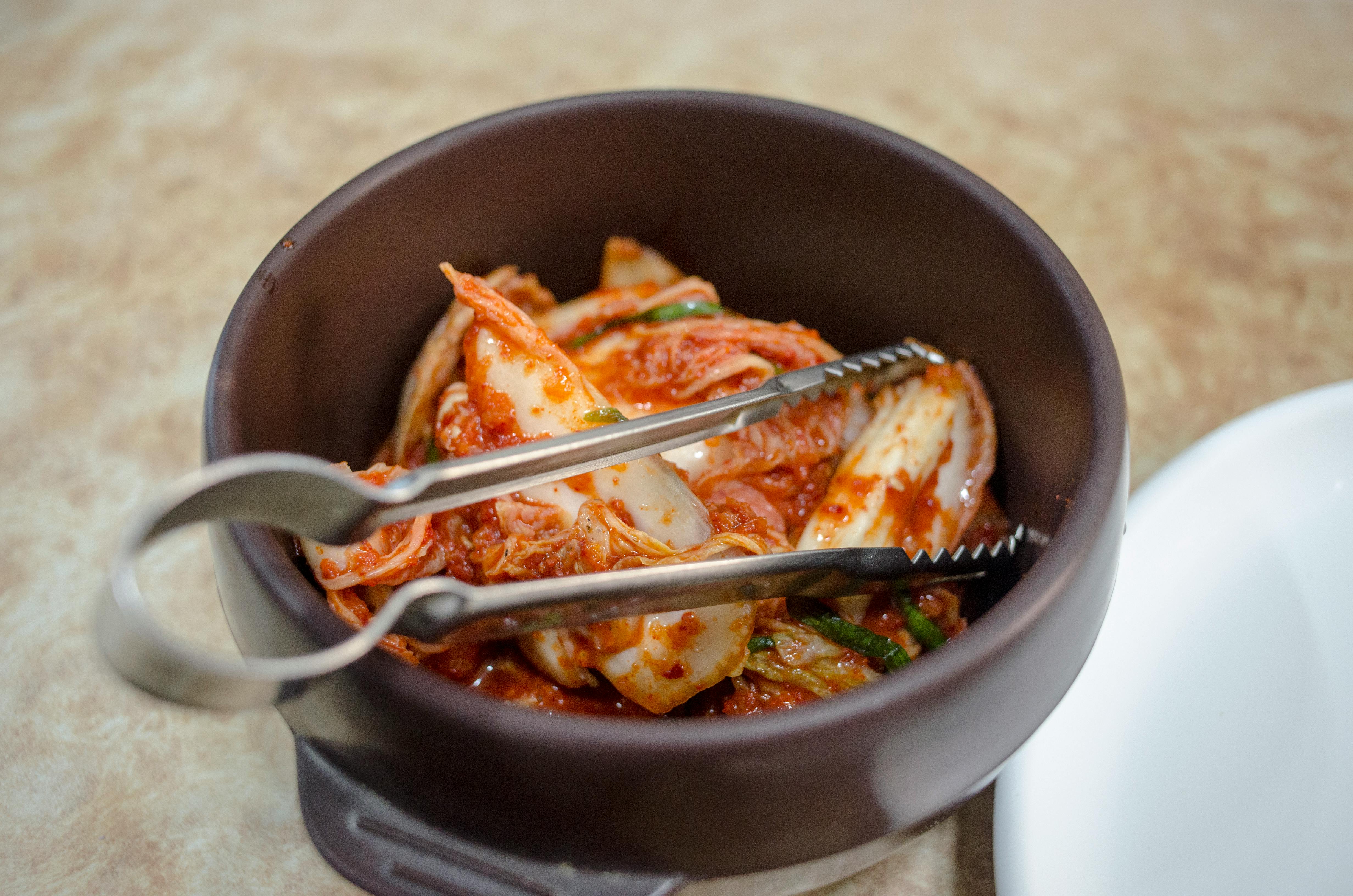
Some snacks are convenient but forgettable. This one earns repeat status because it tastes sharp, fresh, and specific, not merely healthy or easy. It satisfies the craving for something salty and exciting without leaving you feeling weighed down in the heat.
It is also budget-friendly and realistic. A single container of kimchi lasts through multiple snacks, and cucumbers are widely available through summer. For people cooking less in hot weather, that matters. Good snacking should fit real life, not require a shopping list full of backup ingredients.
Most importantly, it captures what great summer food should do. It refreshes, it wakes up the palate, and it asks almost nothing of the cook. When two ingredients can deliver that much pleasure, there is no reason to complicate the habit.




Leave a Reply