
Raspberries can go from gorgeous to mushy overnight. The good news is that one small storage habit makes a noticeable difference almost every time.
The simple trick that actually works

The trick I swear by is this: give raspberries a quick vinegar-water rinse, dry them extremely well, and store them in a breathable, paper towel-lined container. That routine targets the two biggest reasons raspberries fail so quickly, excess surface microbes and trapped moisture. Raspberries are delicate, hollow, and thin-skinned, so they break down faster than sturdier berries like blueberries or grapes.
A mild rinse made with about 1 part white vinegar to 3 parts water can help reduce mold spores and bacteria lingering on the fruit's surface. Vinegar is not a magic preservative, but it can lower the microbial load enough to buy extra time. Many produce experts recommend this approach because it is simple, inexpensive, and easy to do at home without special tools.
The second half of the trick matters just as much as the rinse. If berries go into the refrigerator wet, moisture collects in the container and mold spreads quickly from one damaged berry to the next. Drying them carefully, then storing them with airflow instead of sealing them tightly, creates a much less hospitable environment for spoilage.
Why raspberries spoil faster than other berries
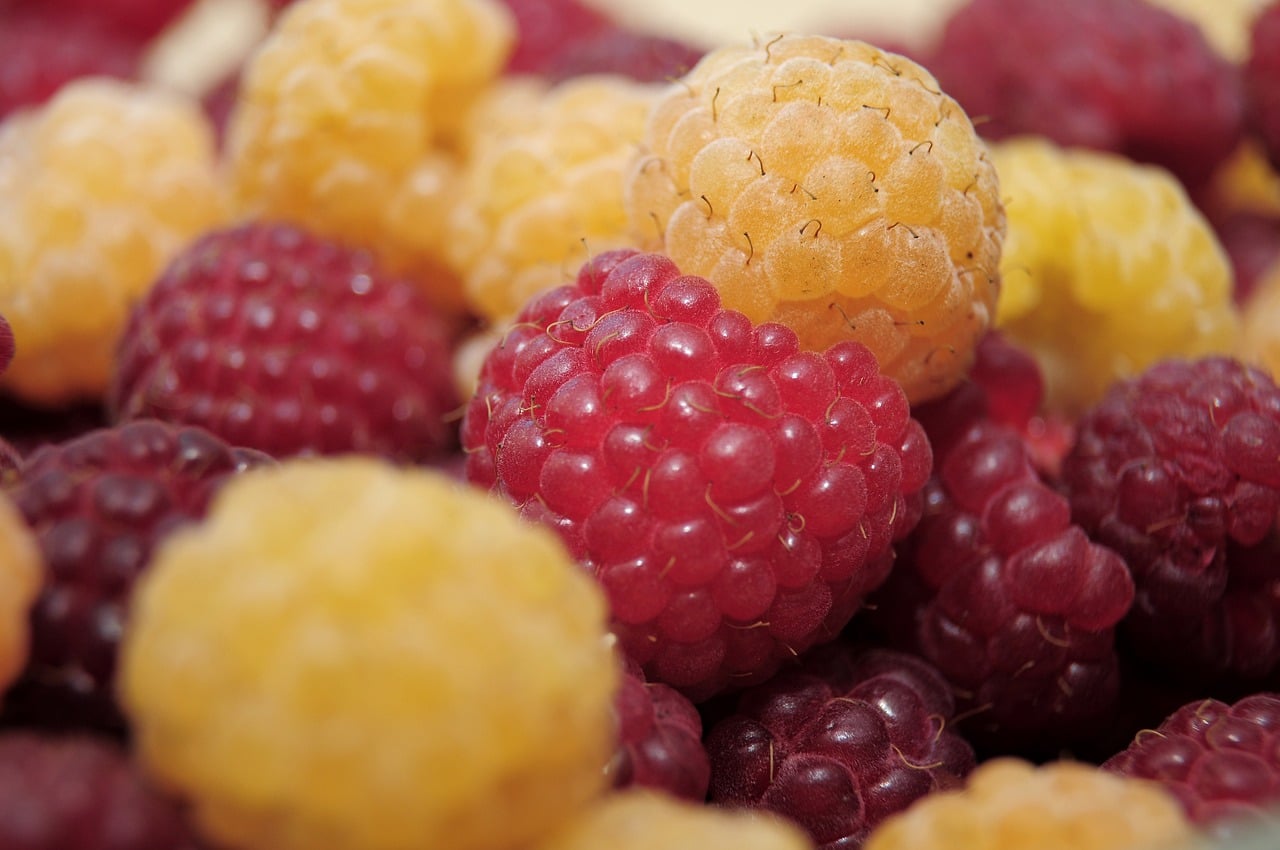
Here is the key thing to understand: raspberries are naturally fragile. Each berry is made up of many tiny drupelets clustered around a hollow center, and that structure bruises easily during picking, packing, and transport. Once bruised, the fruit leaks juice, softens rapidly, and becomes an open invitation for mold.
They also have a high respiration rate, which means they continue to break down quickly after harvest. Unlike apples or citrus, raspberries do not have a thick protective peel. Their textured surface also creates more tiny spaces where moisture and microbes can linger, especially if the berries were handled often before reaching your kitchen.
Temperature swings make the problem worse. If raspberries warm up on the way home from the store and then go back into the refrigerator, condensation can form on the fruit and inside the package. That extra moisture shortens shelf life dramatically. Even premium berries can decline within 1-2 days if they are packed damp, crowded, or stored in a sealed container with no room for airflow.
How to do the method step by step

Start by sorting the berries as soon as you bring them home. Remove any that are crushed, leaking, overly soft, or visibly moldy. One bad raspberry can spread spoilage quickly, so this first pass is not picky, it is preventive. If the clamshell has moisture pooled at the bottom, that is another sign you should act right away.
Next, prepare the rinse. Combine 1 cup white vinegar with 3 cups cool water in a bowl, then gently swish the berries for just a few seconds. Do not soak them for long, because raspberries absorb water easily and can become waterlogged. Lift them out carefully instead of pouring them roughly into a colander.
Drying is where most people rush, and that is the mistake. Spread the berries in a single layer on paper towels or a clean kitchen towel and let them air-dry fully. If needed, pat very lightly with more paper towels. Once dry, transfer them to a shallow container lined with a fresh paper towel, keep the lid slightly vented or use a container with airflow, and refrigerate them immediately.
The storage mistakes that ruin good berries
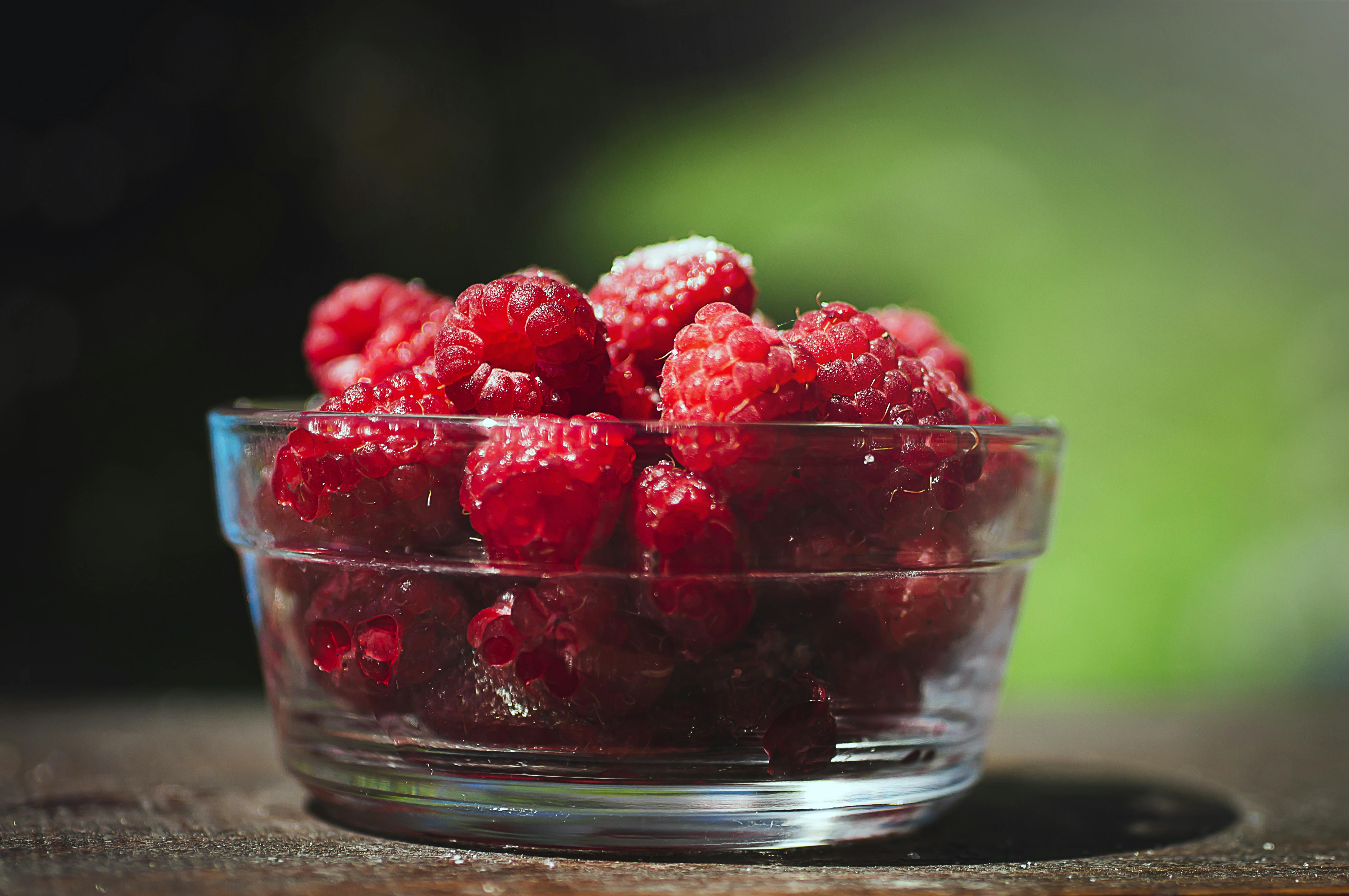
A common mistake is washing raspberries and putting them straight back into the original clamshell while still damp. That package is fine for transport, but it often traps moisture, especially if berries are stacked too tightly. In that environment, one soft berry can turn into a fuzzy patch of mold by the next day.
Another problem is storing them in the coldest, wettest part of the refrigerator. Raspberries do best when they are cold but not exposed to excess condensation. A middle shelf is often better than a crisper drawer if your drawer tends to run humid. The goal is steady chill, low moisture, and minimal disturbance.
People also shorten berry life by handling them too often. Every time the container is jostled, the berries rub against each other and bruise. If you are packing them for lunches or breakfast bowls, divide them into smaller portions after drying so you only open what you need. That simple change helps preserve the rest of the batch.
What kind of results you can realistically expect
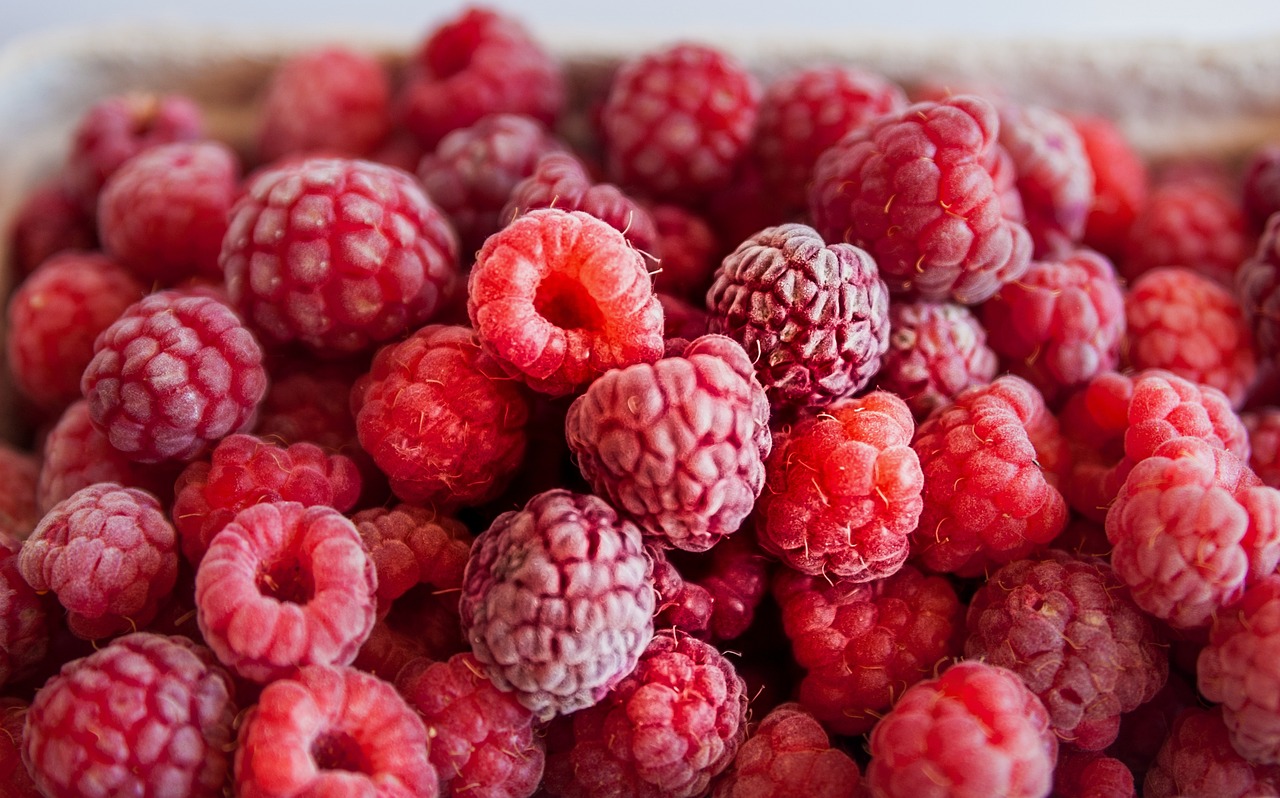
This method will not turn raspberries into a two-week fruit, and that is important to say clearly. Raspberries are still one of the shortest-lived berries in the refrigerator. But in real kitchens, this routine often stretches usable freshness from about 1-2 days to around 3-5 days, sometimes longer if the berries were very fresh to begin with.
Results depend heavily on what you bought. If the berries were picked recently, kept cold through transport, and look dry and firm in the package, they respond much better to careful storage. If they already show dull color, wet spots, or crushed fruit at the bottom, even the best method can only slow the decline.
You will know the trick is working when the berries stay plump, separate easily, and show less moisture collecting in the container. The paper towel may become slightly damp over time, and replacing it can help. If you spot one berry softening, remove it quickly. That kind of maintenance sounds small, but it meaningfully extends the life of the rest.
Extra tips if you want every last day of freshness

The smartest move starts before you even buy them. Look for raspberries that are richly colored, dry on the surface, and free from juice stains in the carton. Check the bottom if you can. A container with crushed berries underneath will deteriorate far faster than one filled with firm, intact fruit.
Once home, keep them cold and avoid leaving them on the counter while you unpack groceries or cook dinner. Even a short warm-up period can speed softening. If you do not plan to eat them within a few days, freezing is the better choice. Freeze them in a single layer first, then transfer to a bag or container so they do not clump together.
Finally, trust your senses more than the date you bought them. A fresh raspberry should smell bright, look vibrant, and feel tender but not collapsing. If it turns slimy, develops fuzz, or gives off a fermented smell, it is past its prime. The simple rinse-dry-store routine is not complicated, but done carefully, it is one of the most effective ways to keep raspberries fresh for days.




Leave a Reply