
I used to think a pickle was just a pickle. Then I opened one jar that made every other version in my fridge taste flat, soggy, and strangely lifeless.
The pickle that completely changed my mind
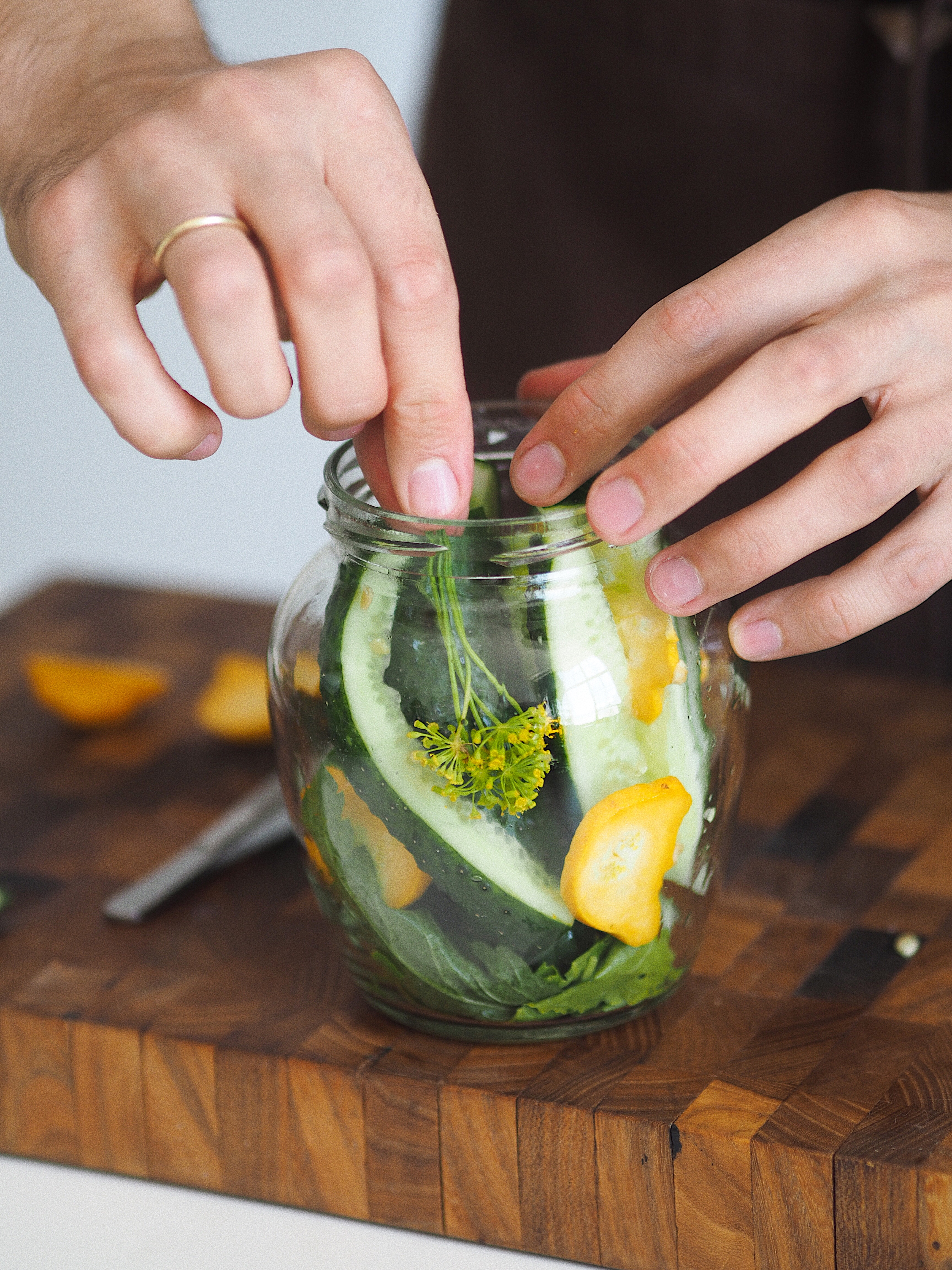
My turning point came with a refrigerated, naturally fermented dill pickle from a small-batch producer, the kind sold cold rather than sitting for months on a shelf. I bought it almost casually, expecting the usual sharp vinegar blast and little else. Instead, the first bite was bright, salty, garlicky, and deeply savory in a way I had never associated with pickles before. It tasted alive.
What struck me first was the balance. Good fermented pickles do not rely on vinegar alone to create punch. Lactic acid, produced when beneficial bacteria convert sugars in cucumbers into acid, creates a softer, rounder tang. That process has been used for generations because it preserves vegetables while building complexity, and the difference is obvious the moment you compare it to standard shelf-stable brands.
I had eaten plenty of grocery store pickles over the years, and most fell into one of two camps: aggressively sour or oddly sweet. This one avoided both traps. It tasted like cucumber, dill, garlic, peppercorn, and brine, with each note clear and distinct. That clarity made me realize how many pickles had been hiding weak flavor behind vinegar and sugar.
After that jar, my baseline changed. I stopped reaching automatically for whatever was cheapest or most familiar. I wanted the kind of pickle that felt crafted rather than processed, and for the first time, I understood why some people are so particular about them.
The taste was sharper, deeper, and far more natural
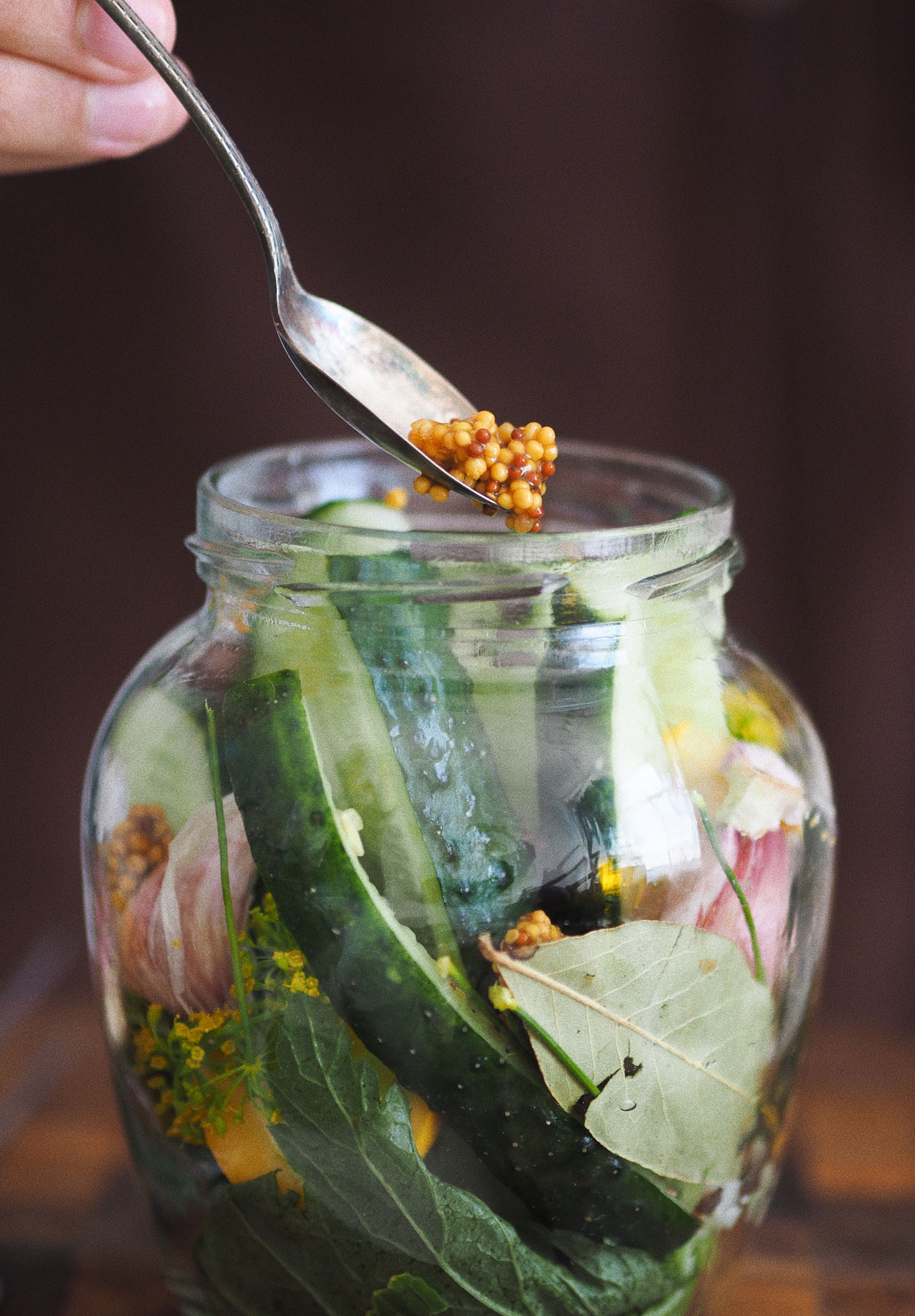
The flavor opened in stages, which is not something I ever expected to say about a pickle. First came a clean salinity, then fresh dill, then garlic, then a gentle sourness that built slowly instead of hitting all at once. By the time I finished the spear, there was a faint spice from mustard seed and pepper that lingered pleasantly. It was assertive, but never harsh.
That depth comes from fermentation done properly. During natural fermentation, cucumbers sit in a saltwater brine long enough for microorganisms to create acidity and flavor compounds that vinegar alone cannot replicate. Food scientists have long noted that fermentation produces more nuanced taste because it changes aroma, texture, and acidity at the same time. In plain terms, it gives the pickle character.
By contrast, many mass-market pickles are made by soaking cucumbers in vinegar brine, often with calcium chloride for firmness and preservatives for long shelf life. There is nothing inherently wrong with that method, but the taste can be one-dimensional. You get sourness, maybe sweetness, maybe some dill flavoring, but not the layered, almost savory profile I found in this jar.
What won me over most was that it never tasted artificial or exaggerated. The garlic tasted like real garlic, not powder. The dill tasted green and aromatic. Even the brine was worth sipping, which would have sounded ridiculous to me before I tried it.
The crunch is what made it unforgettable
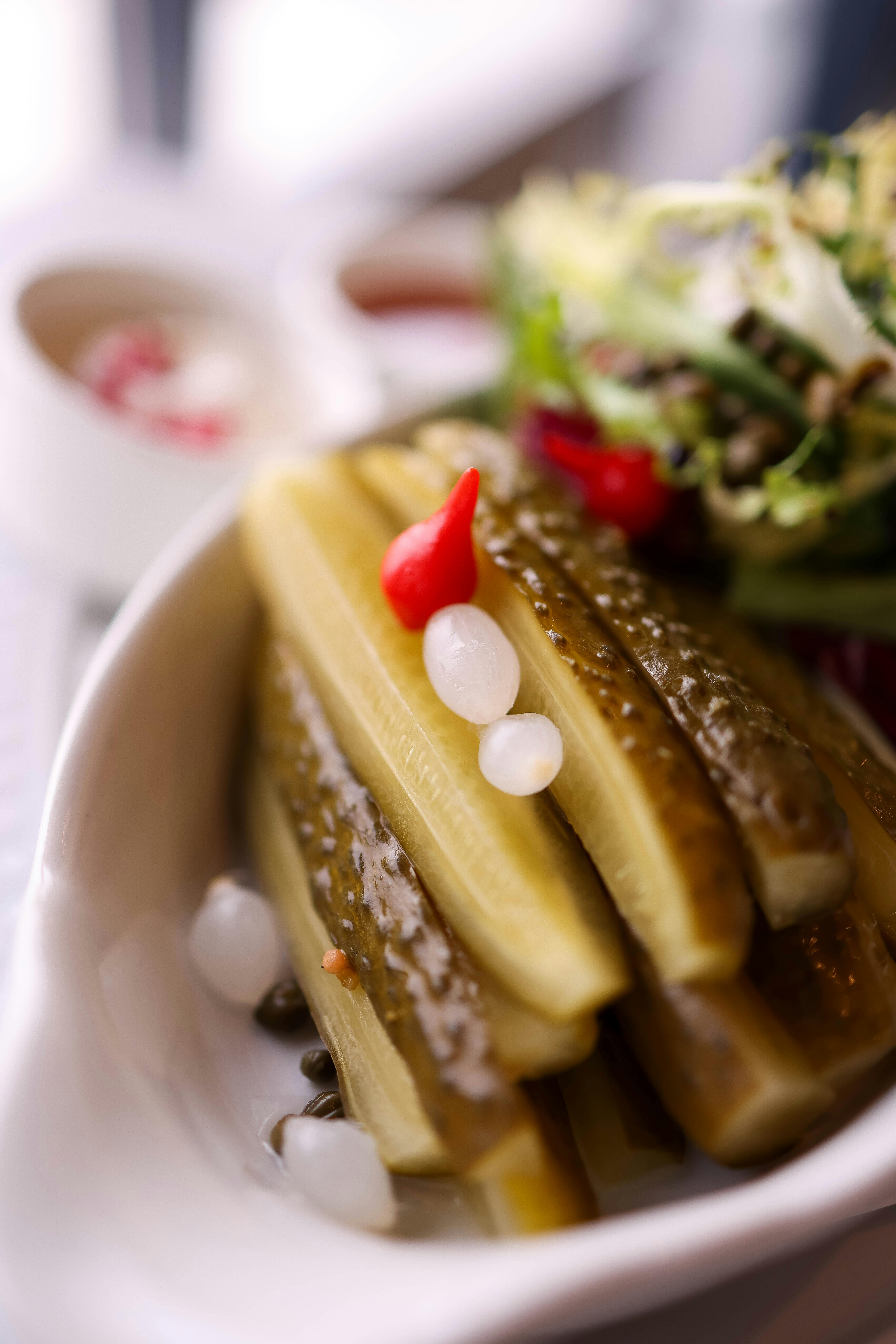
A pickle can have decent flavor and still fail if the texture is wrong. That had always been my issue with many store-bought options. Too often, they were limp in the center, rubbery near the skin, or so soft they collapsed on a sandwich. This one snapped loudly enough that I stopped mid-bite and checked the label again.
That crunch comes down to both cucumber quality and handling. The best pickles are made from smaller pickling cucumbers, processed quickly after harvest, and kept cold to preserve texture. Fermented pickles also benefit when producers control salinity and temperature carefully, because over-fermentation can soften the flesh. In my experience, this jar had that balance exactly right.
There was no hollow middle, no slippery skin, and no watery mush. Every spear had resistance, then a clean break. It felt fresh even though it had spent time in brine, which is harder to achieve than most people realize. Texture is one reason premium refrigerated pickles have built such loyalty among food lovers.
That sound and feel changed the whole eating experience. A sandwich pickle should add contrast, not just acidity. Once I had one that genuinely crunched, I found it impossible to go back to jars that merely bent.
Fermentation gave it something vinegar never could
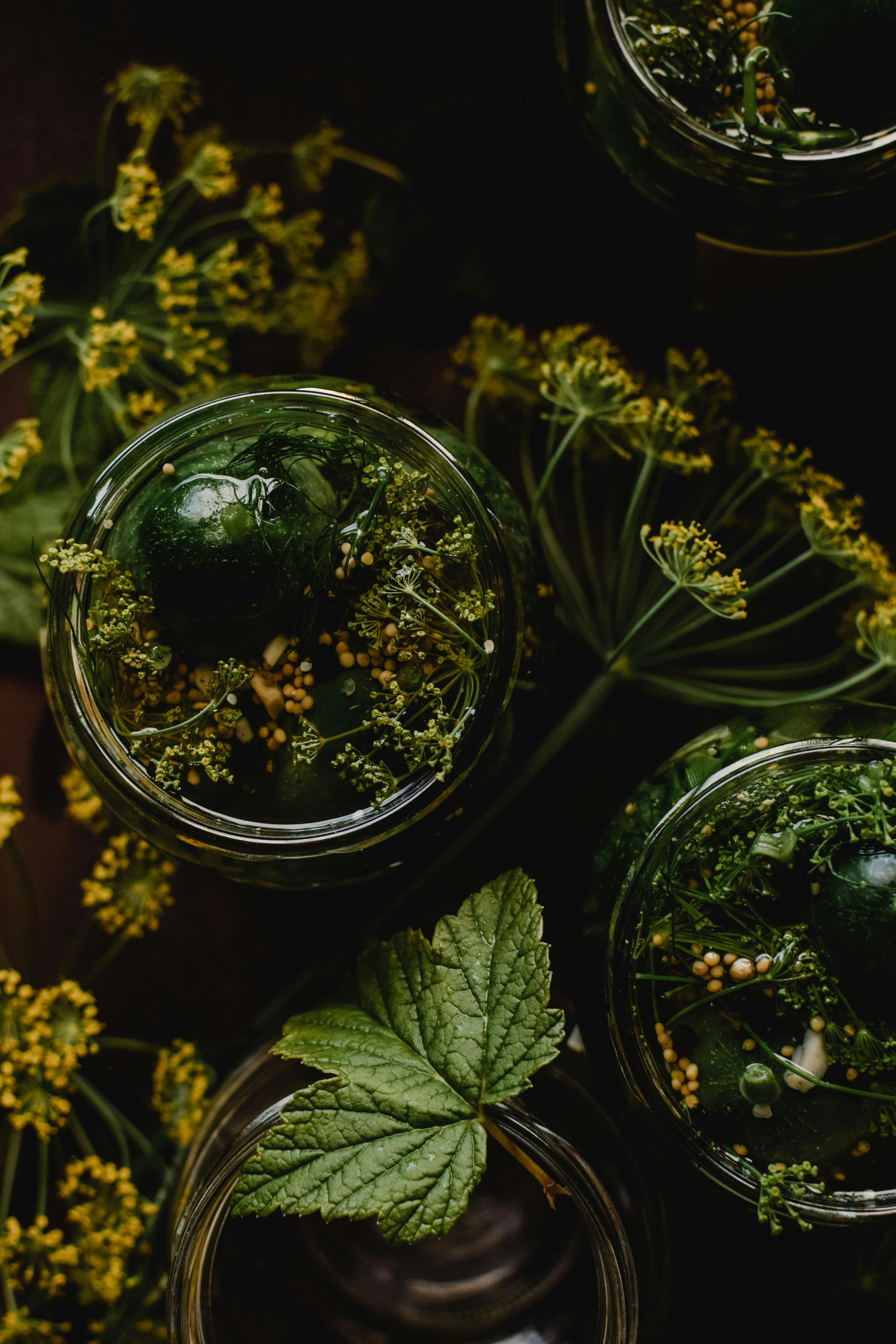
What separates this pickle from most others is not just recipe, but method. Naturally fermented pickles are typically made with cucumbers, water, salt, and spices, then left to transform over days or weeks. As lactic acid bacteria grow, the brine turns sour, the flavors deepen, and the cucumbers become more complex. It is a slower process, but it produces a different food, not just a different version.
That slower method matters because it develops flavor from within. Vinegar-pickled cucumbers taste coated in acidity, while fermented cucumbers taste changed by it. The brine penetrates more gracefully, and the cucumber keeps more of its own vegetal character. I could still taste what it once was, which made the final result more satisfying.
There is also a freshness factor that surprised me. Refrigerated fermented pickles often taste brighter because they are not heat-processed for shelf stability the way many supermarket jars are. Heat can soften texture and mute delicate flavors, especially dill and garlic. Keeping the product cold preserves both crunch and nuance.
I am not buying pickles for health claims, but fermentation does add appeal beyond flavor. Many shoppers now look for foods made with simpler ingredients and traditional methods. After tasting the result for myself, I understood that preference immediately.
Store-bought shelf pickles now taste flat by comparison
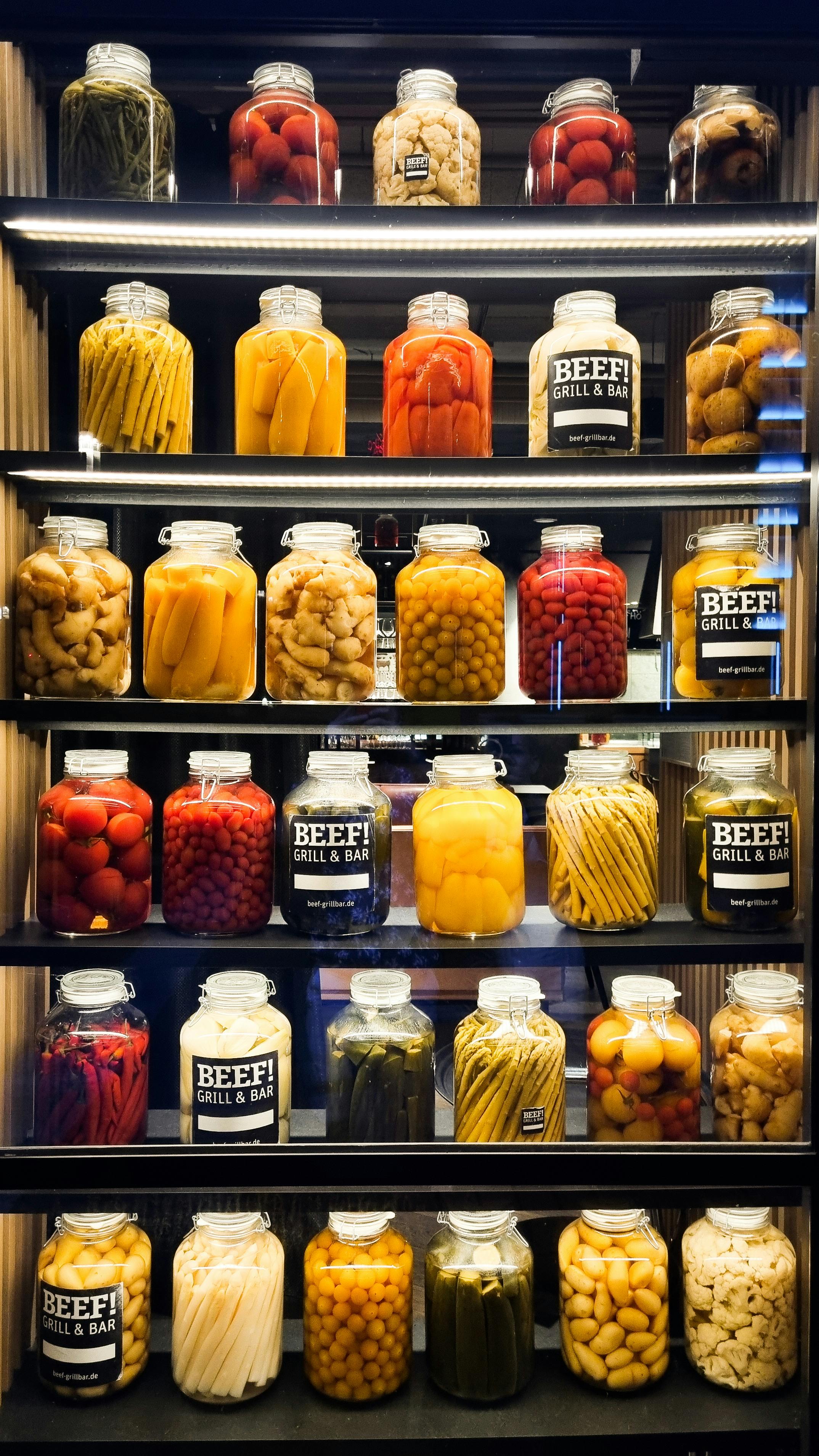
Once I had this jar in my fridge, I did a side-by-side tasting with two familiar supermarket brands. The differences were immediate. The shelf-stable pickles smelled sharply acidic before I even took a bite. Their sweetness was more pronounced, their dill flavor was weaker, and the texture was softer despite all the promises printed on the label.
The ingredient lists told part of the story. The fermented pickle had a short list: cucumbers, water, salt, garlic, dill, spices. The others included vinegar, sugar, preservatives, firming agents, and flavor additives. Again, those ingredients are common and approved, but the overall result felt more manufactured. The taste was louder, not better.
Price is the one area where standard grocery pickles still seem attractive. A mass-market jar can cost noticeably less than a refrigerated small-batch version. But when I factored in how often I left cheaper pickles half-finished, the value argument changed. I would rather pay more for a jar I actually crave than save money on one I forget is there.
That comparison settled it for me. I was not just preferring one style slightly more. I had crossed into a different category of expectation, and there was no easy way back.
Why it became the only pickle worth buying
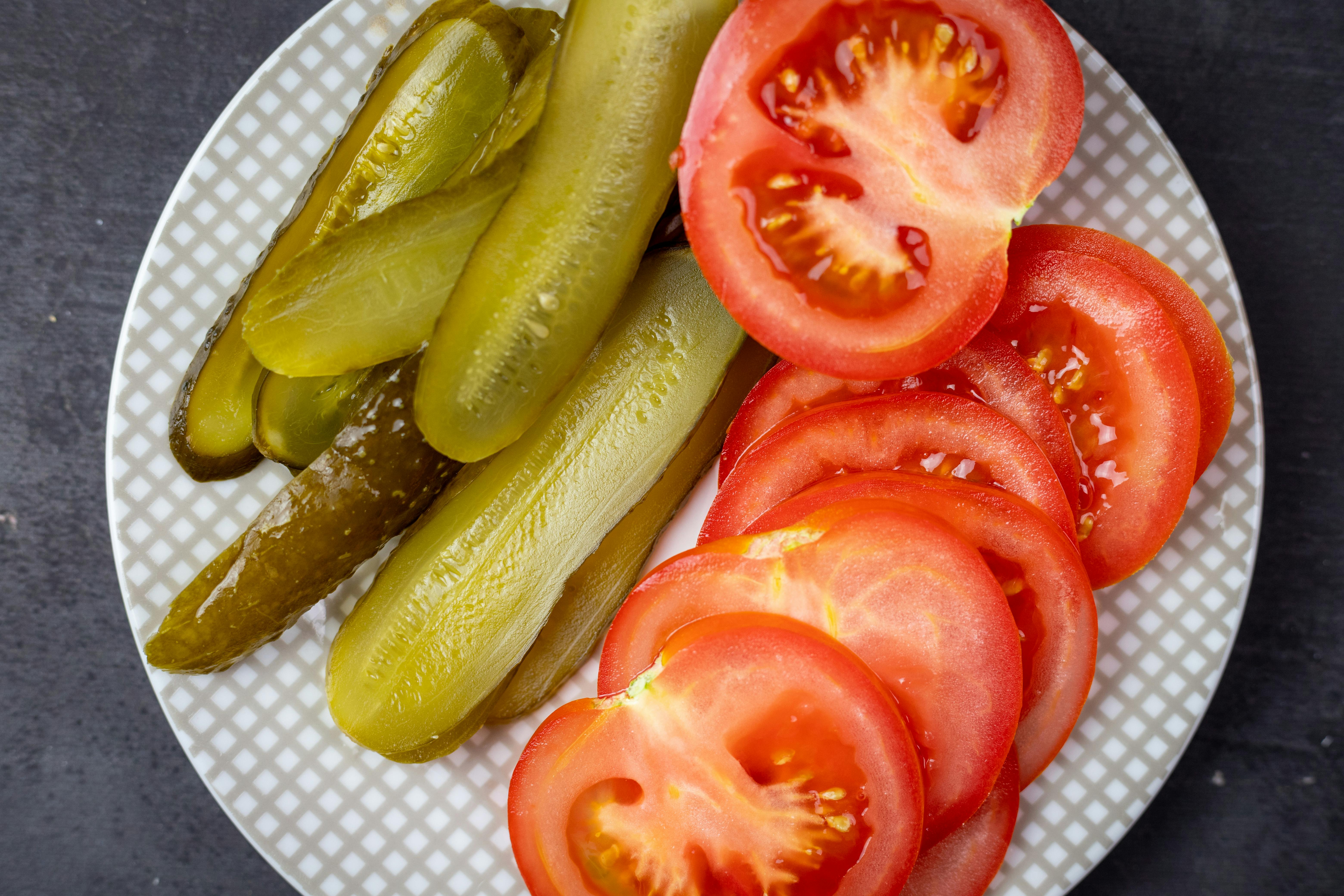
The biggest reason I keep buying this pickle is simple: it earns its place in meals and snacks instead of merely accompanying them. I eat it beside grilled cheese, chopped into potato salad, layered onto burgers, or sliced into tuna salad for extra brightness. It is one of the few jarred foods in my kitchen that regularly disappears before I even think about expiration dates.
It also works because it is versatile without losing identity. Some pickles are fine only on sandwiches, where bread and meat can hide their flaws. This one stands on its own. I have served it on a snack board with cheddar, smoked sausage, and crackers, and it held attention just as easily as more expensive ingredients.
Most of all, it changed my understanding of what a pickle should deliver. I now expect clean ingredients, a true crunch, real dill flavor, and that rounded fermented tang that vinegar alone cannot fake. When a food changes your standard that dramatically, it stops being an impulse buy and becomes a staple.
So yes, I stopped buying every other pickle after trying this one. Not because I suddenly became picky for the sake of it, but because I finally tasted a pickle that got every important detail right.

Leave a Reply