
A cutting board is one of the busiest tools in any kitchen. It can also be one of the easiest places for harmful germs to hide.
Why cutting boards become contamination hotspots
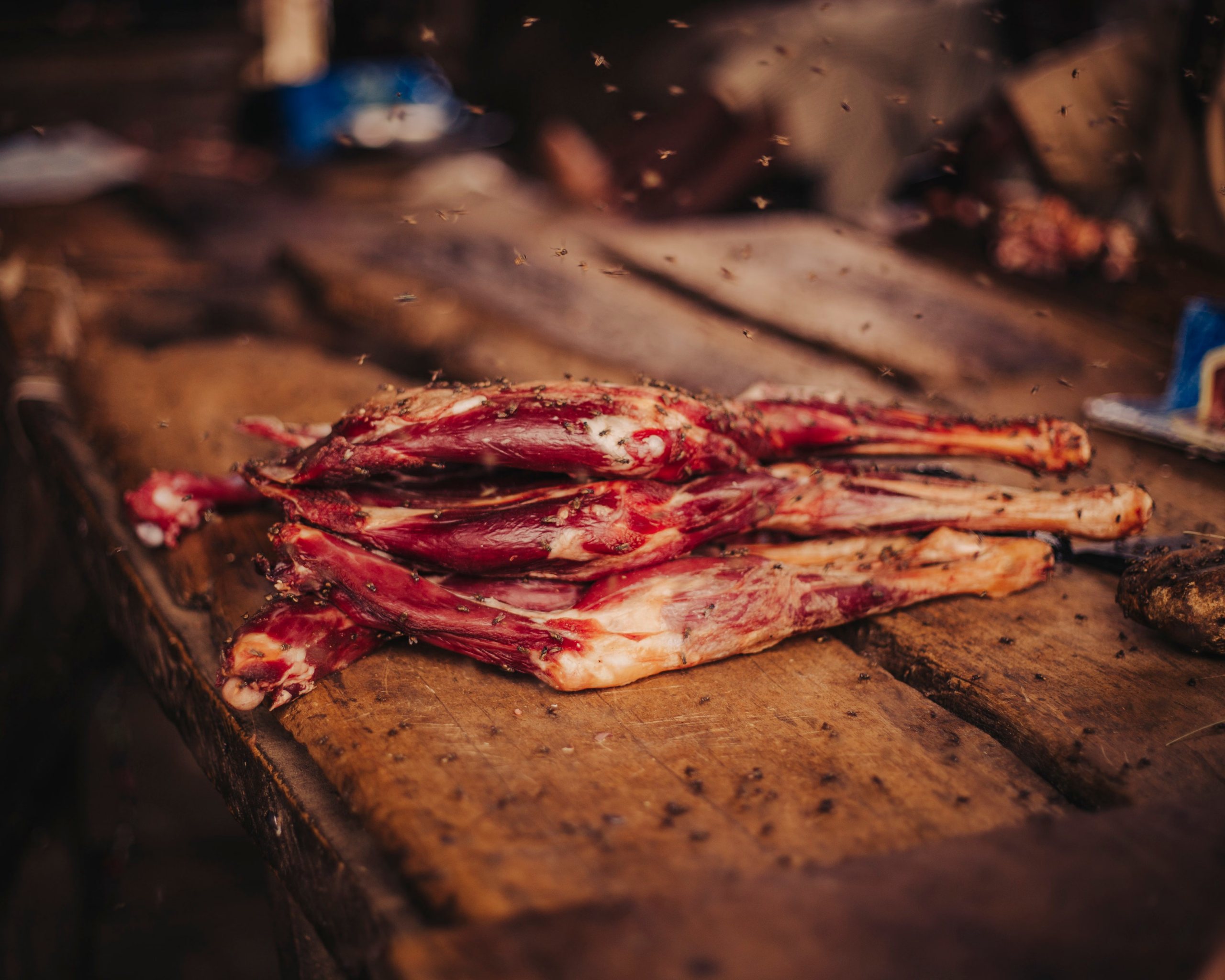
Every slice leaves behind more than visible scraps. Raw meat juices, moisture from produce, and tiny food particles settle into knife marks, creating ideal conditions for bacteria to survive.
According to food safety guidance from the USDA, common pathogens such as Salmonella, E. coli, and Campylobacter can spread from contaminated surfaces to ready-to-eat food. A board used for raw chicken and then for salad ingredients can become the link between a harmless meal and a serious stomach infection.
What makes this especially risky is that contamination is often invisible. A board may smell fine and look wiped down, yet still carry enough microbes to make someone sick, especially children, older adults, pregnant women, and anyone with a weakened immune system.
The grooves and cracks are where trouble starts
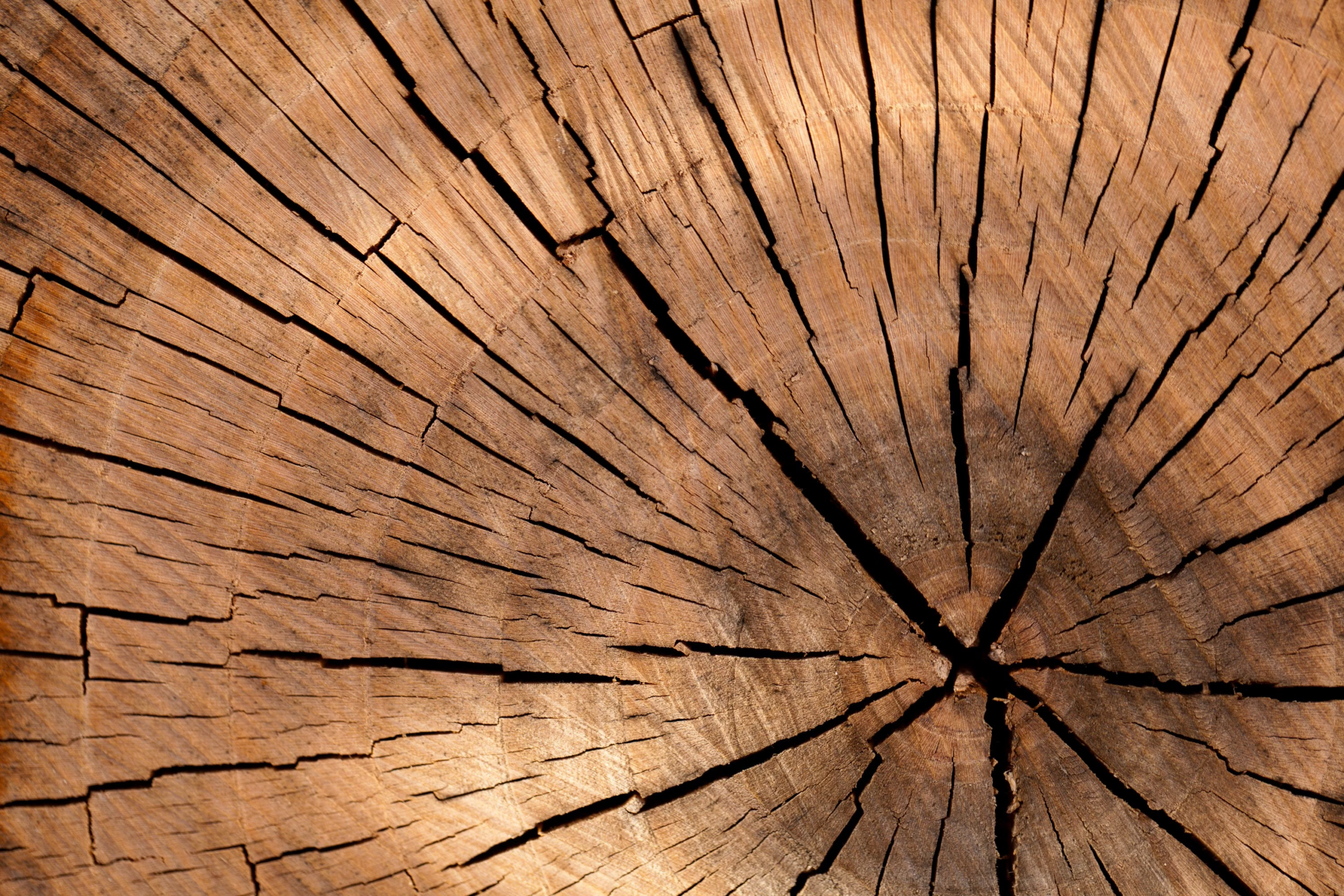
A smooth cutting board is easier to sanitize, but repeated knife use changes that surface quickly. Deep grooves trap residue that a quick rinse cannot fully remove.
Wood, plastic, and bamboo all wear differently, and each can become a problem when heavily scarred. Research on food-contact surfaces has shown that damaged boards are harder to clean effectively because bacteria can cling inside cuts and protected pockets.
Older boards also develop cracks, warping, and rough patches. Those damaged areas hold moisture longer, and moisture is exactly what many microbes need to persist. Once a board reaches that stage, cleaning helps, but replacement becomes the safer choice.
Cross-contamination happens faster than most people think
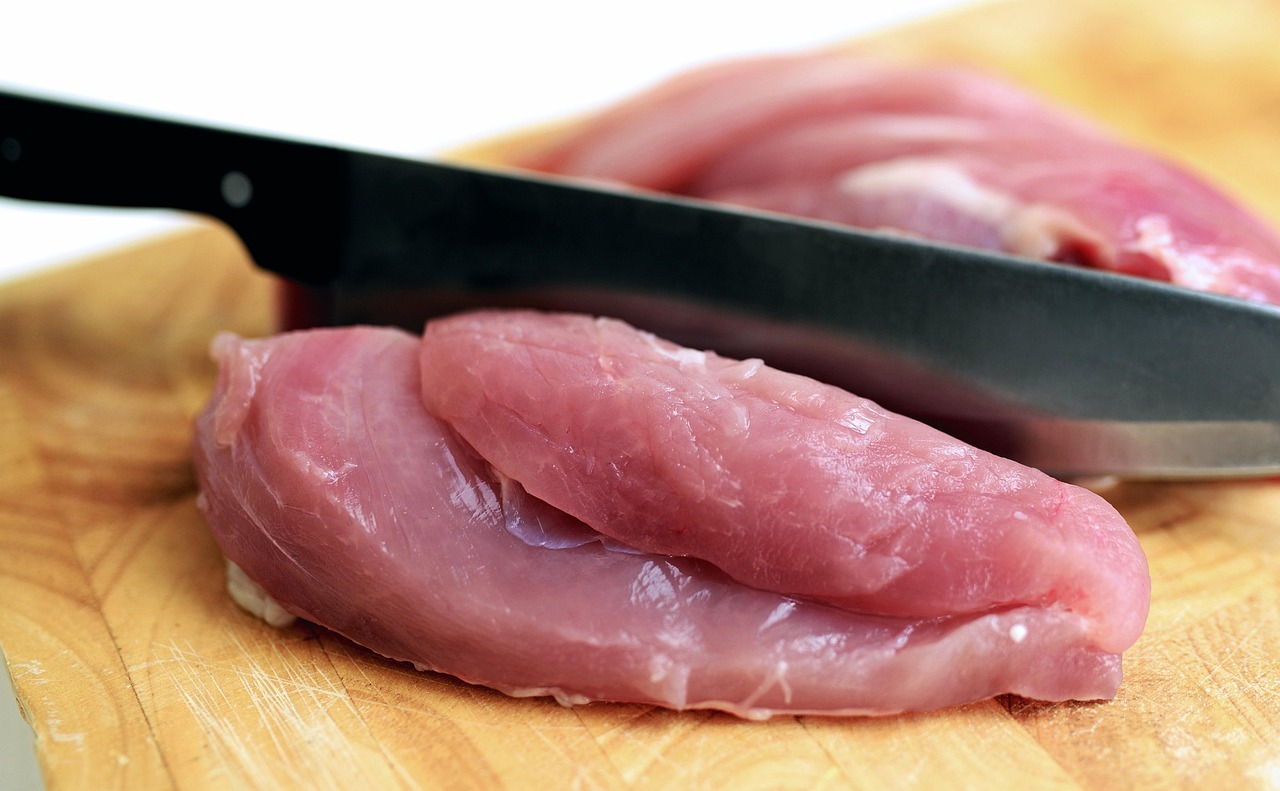
A common mistake is using the same board for raw proteins and fresh foods without a full wash in between. Even a brief transfer can be enough to spread pathogens onto foods that will never be cooked.
Imagine trimming raw chicken, then chopping cucumbers on the same board after only wiping it with a sponge. That simple habit can move bacteria directly to the plate. Food safety experts repeatedly warn that wiping is not washing, and washing is not the same as sanitizing.
The risk increases during rushed meal prep. Busy home cooks often handle packaging, knives, countertops, and boards in quick succession, which allows germs to travel across multiple surfaces before anyone notices.
Cleaning properly takes more than a quick rinse
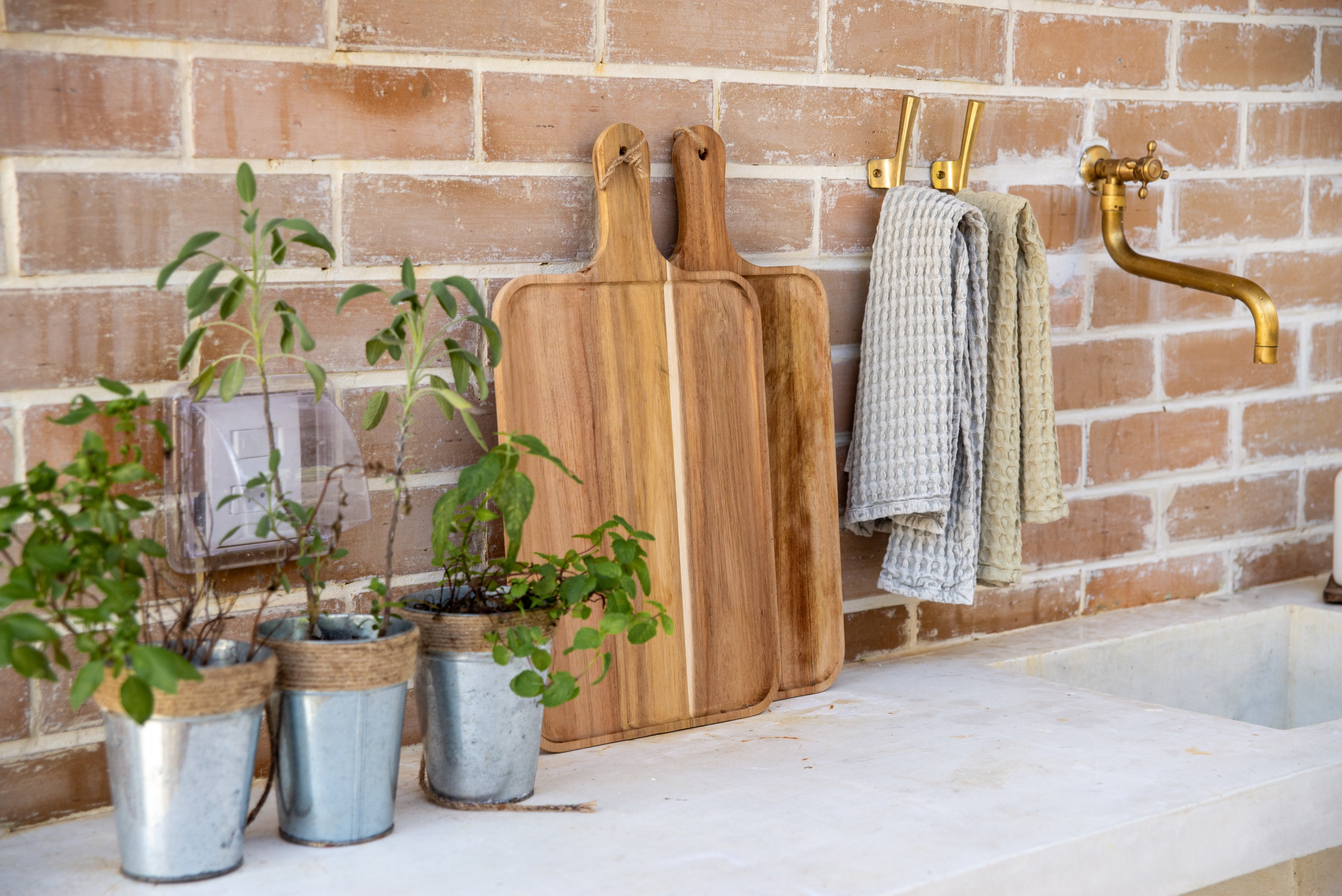
Hot water and dish soap are the first line of defense, but technique matters. A board should be scrubbed thoroughly on both sides, even if only one side was used, because hands and counters can spread contamination.
After washing, sanitizing adds another layer of protection, particularly after contact with raw meat, seafood, or eggs. Many public health recommendations allow the use of a diluted bleach solution for nonporous boards, followed by proper air-drying.
Drying is not a minor final step. A damp board stored flat or stacked away too soon can encourage bacterial survival and even mold growth. Letting it dry completely in an upright position is a simple habit that improves kitchen safety.
Choosing the right board can reduce the risk
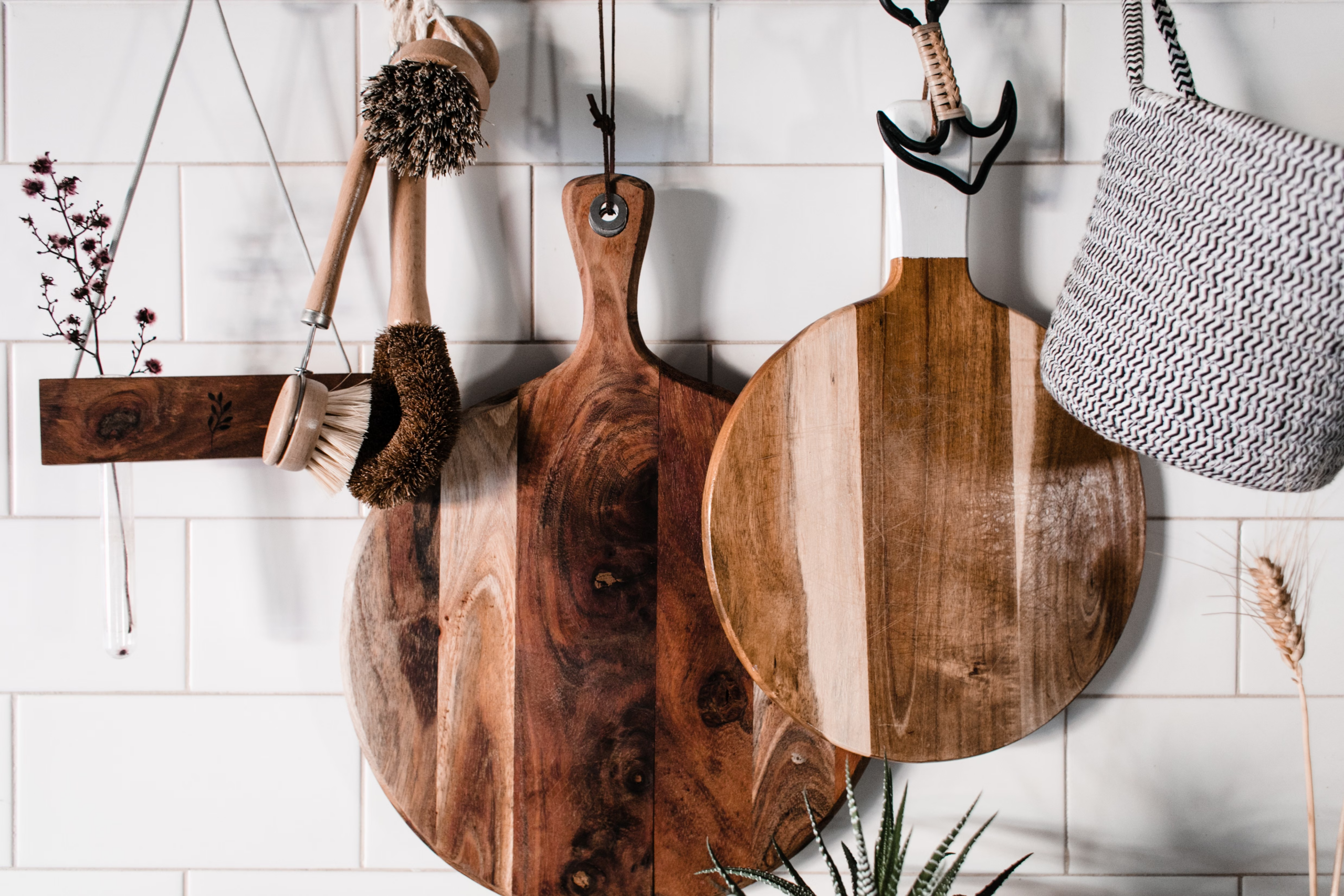
No cutting board material is perfect, but some choices are easier to manage safely. Plastic boards are often recommended for raw meat because they are nonporous and can usually go into the dishwasher if labeled dishwasher-safe.
Wood boards can still be safe when maintained well. Some studies have suggested that certain hardwoods may not support bacterial survival as readily as heavily damaged plastic, but that does not mean wood is self-cleaning or maintenance-free.
The best approach for many households is separation. Keep one board for raw meat, another for produce, and a separate one for bread or ready-to-eat foods. Color-coding makes this easier and lowers the chance of careless mix-ups.
Signs your cutting board needs attention or replacement
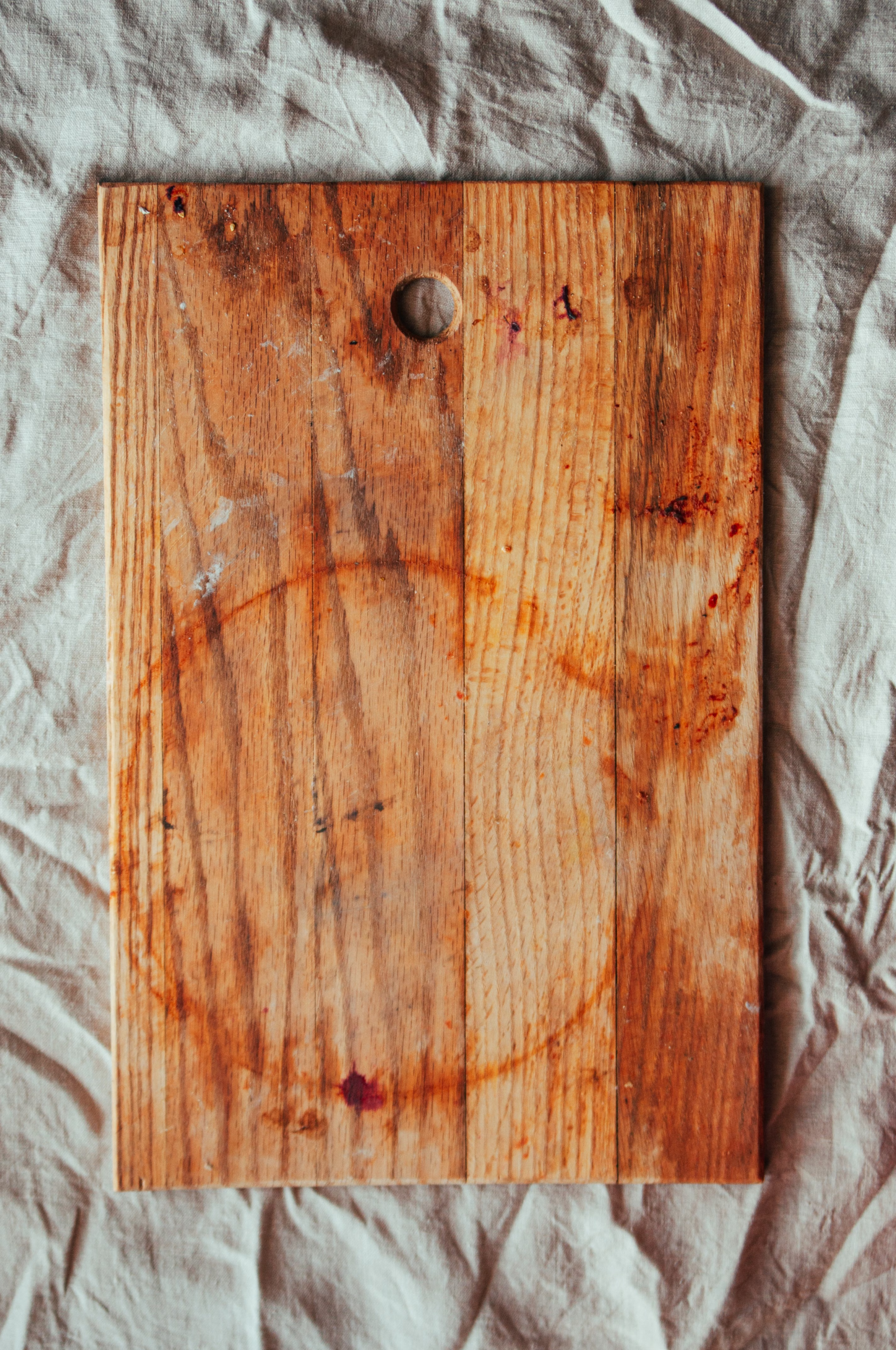
If your board has persistent odors, stains that remain after washing, or grooves deep enough to catch a fingernail, it deserves closer inspection. These are warning signs that residue may be lingering below the surface.
Warping, splitting, and frayed edges are more than cosmetic problems. They make a board less stable during use and harder to clean thoroughly, increasing both injury risk and contamination risk at the same time.
A good rule is simple: if a board cannot be cleaned completely or has become heavily worn, replace it. Cutting boards are kitchen workhorses, but they are not meant to last forever, and holding onto a damaged one can be a real health gamble.




Leave a Reply