
Most Prairie Canadians have eaten Ukrainian-influenced food whether they realize it or not. What began as immigrant survival cooking became one of the region's deepest culinary foundations.
The Prairies were primed for Ukrainian food traditions
When Ukrainian settlers arrived in large numbers between the 1890s and the First World War, they found a landscape that was harsh but agriculturally promising. The federal government had opened western lands to homesteaders, and many Ukrainians, especially from Galicia and Bukovyna, came with strong farming knowledge. They understood grain, root vegetables, livestock, and food preservation, all of which mattered on the Prairies.
Their cooking traditions were also unusually well suited to the climate. Potatoes, cabbage, onions, beets, rye, wheat, and dill could all thrive or be stored through long winters. Sour cream, fermented vegetables, smoked meats, and robust breads fit a world where freshness was seasonal and self-reliance was essential.
That practical match is the real story. Ukrainian food did not survive in Western Canada as a nostalgic import. It took hold because it worked, and because neighboring communities quickly saw its value on farm tables and in winter kitchens.
Perogies became Prairie comfort food, not just an ethnic dish

Few foods show this transformation better than perogies, often spelled pyrohy in Ukrainian communities. Originally a frugal, filling dumpling for feast days and fast days alike, the dish adapted easily to Prairie ingredients. Potato and cheddar fillings became especially common in Canada, reflecting local dairy abundance and changing tastes beyond the old country.
By the mid-20th century, perogies had moved well beyond Ukrainian homes. Church basements, small-town cafés, curling rinks, and community fundraisers helped make them familiar to Indigenous, Anglo-Canadian, German, Polish, and other Prairie families. They were cheap to produce, easy to freeze, and ideal for feeding crowds.
That spread changed the regional menu permanently. Today, perogies are sold in supermarkets across Canada, but on the Prairies they remain something more specific: a staple comfort food tied to local identity, often served with fried onions, bacon, sausage, and sour cream.
Sausage, cabbage, and beets helped define the Prairie plate

The Ukrainian influence did not stop at dumplings. Garlic sausage, cabbage rolls, borshch, holubtsi, and beet-based dishes became regular features of Prairie eating, especially in Manitoba, Saskatchewan, and Alberta. These foods aligned with mixed farming economies, where pork, grains, garden vegetables, and dairy could be raised close to home.
Borshch is a good example of adaptation rather than strict preservation. In Ukraine it existed in many regional forms, but in Canada it often became heartier and sweeter, sometimes heavy with beets, cabbage, potatoes, and cream. It fit farm households because one pot could feed many people and stretch modest ingredients.
Cabbage rolls followed a similar path. Once associated with holiday tables and labor-intensive family cooking, they became common fundraiser fare and commercial deli food. In Prairie cities, deli counters and frozen-food producers turned what was once an immigrant specialty into an everyday regional option.
Bread and baking may be the most overlooked legacy
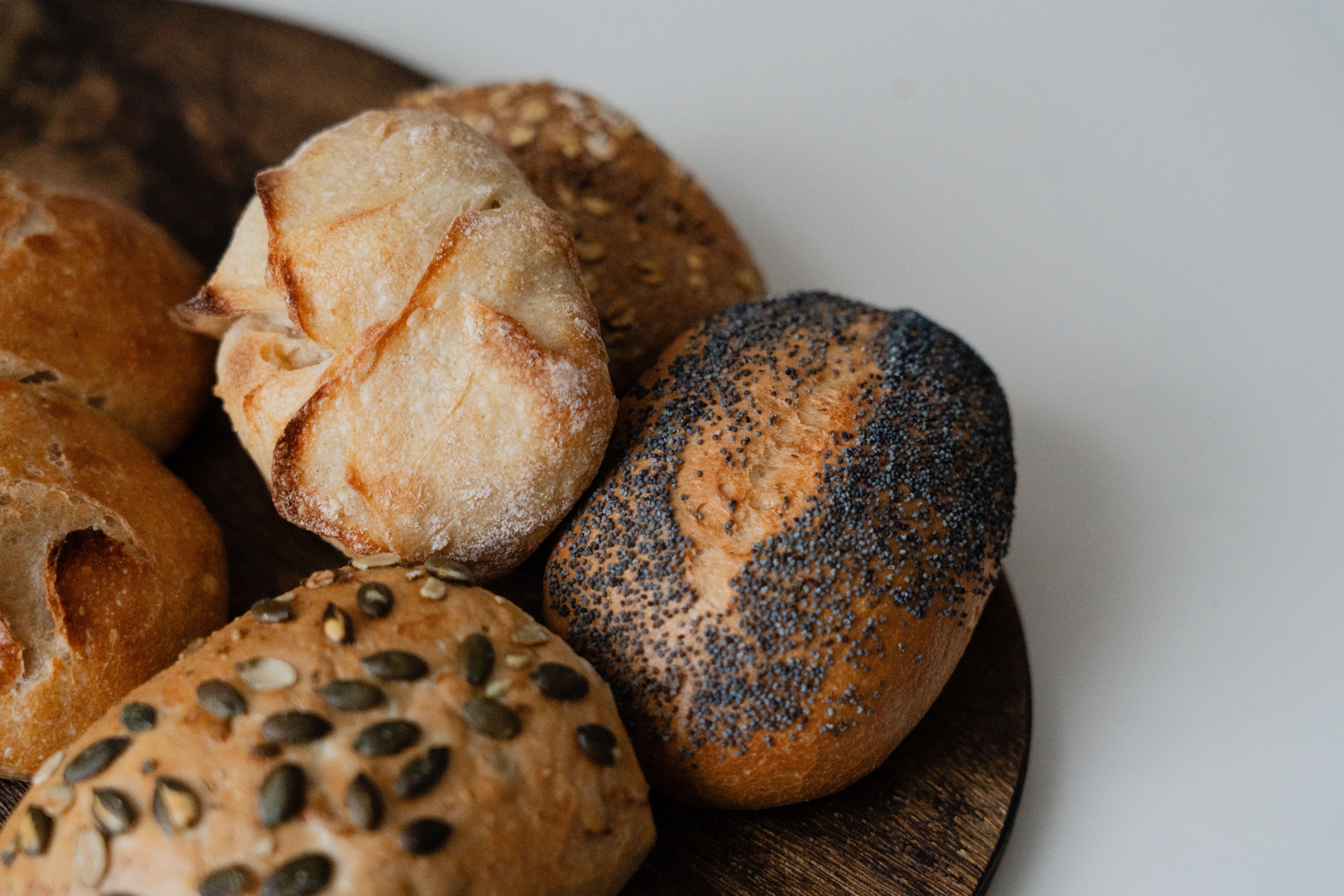
If perogies are the most visible Ukrainian contribution, baking may be the most influential. Settlers brought deep traditions of breadmaking, including rye loaves, braided festive breads, buns, and pastries designed for both ritual and survival. On the Prairies, where grain agriculture defined the economy, these skills fit naturally into daily life.
Kitchen practices spread quietly across communities. Methods for proofing dough, stretching flour through careful baking, using poppy seed fillings, and relying on yeast breads for weekly meals became normalized in areas with strong Ukrainian settlement. Even families with no Ukrainian ancestry often learned these foods through neighbors, in-laws, or church cookbooks.
This is one reason the influence is easy to miss. Bread habits rarely announce themselves as ethnic heritage once they become ordinary. Yet many Prairie baking traditions, especially in rural districts, carry a clear Ukrainian imprint in both flavor and technique.
Churches, halls, and fundraisers turned home cooking into regional culture

Food spreads fastest when it is attached to community life. Ukrainian churches, parish halls, weddings, funerals, and holiday gatherings created powerful public spaces where non-Ukrainian neighbors encountered these dishes repeatedly. Long before food television or social media, the church supper was one of the Prairies' most important engines of culinary exchange.
These meals were not minor social events. They fed hundreds, raised money, and showcased skill, abundance, and hospitality. A plate of perogies, sausage, cabbage rolls, and beet salad became more than dinner. It became a recognizable Prairie experience, one tied to generosity and local belonging.
Scholars of immigration and regional foodways have often noted that repetition matters. Once a dish appears at every wedding, harvest supper, and community fundraiser, it stops feeling foreign. It becomes part of the shared civic appetite.
The Prairie menu still carries a Ukrainian blueprint

The strongest proof of permanent change is not found in museums but in ordinary choices. Prairie families still stock frozen perogies, order kubasa at meat counters, make borshch in cold weather, and expect cabbage rolls at community events. Many do this without thinking of the food as imported at all.
That quiet normalization is the legacy. Ukrainian settlers did not simply add a few beloved recipes to Western Canada. They helped define what hearty, affordable, sociable, winter-ready food would look like across the region for generations.
In a country that often tells its food story through big cities, the Prairie table offers a different truth. Lasting national taste can be built in farm kitchens, parish basements, and prairie towns, one beet, bun, and perogy at a time.
Leave a Reply