
You may not recognize its name at first glance. But there is a good chance you eat something it makes every single day.
The company hiding in plain sight
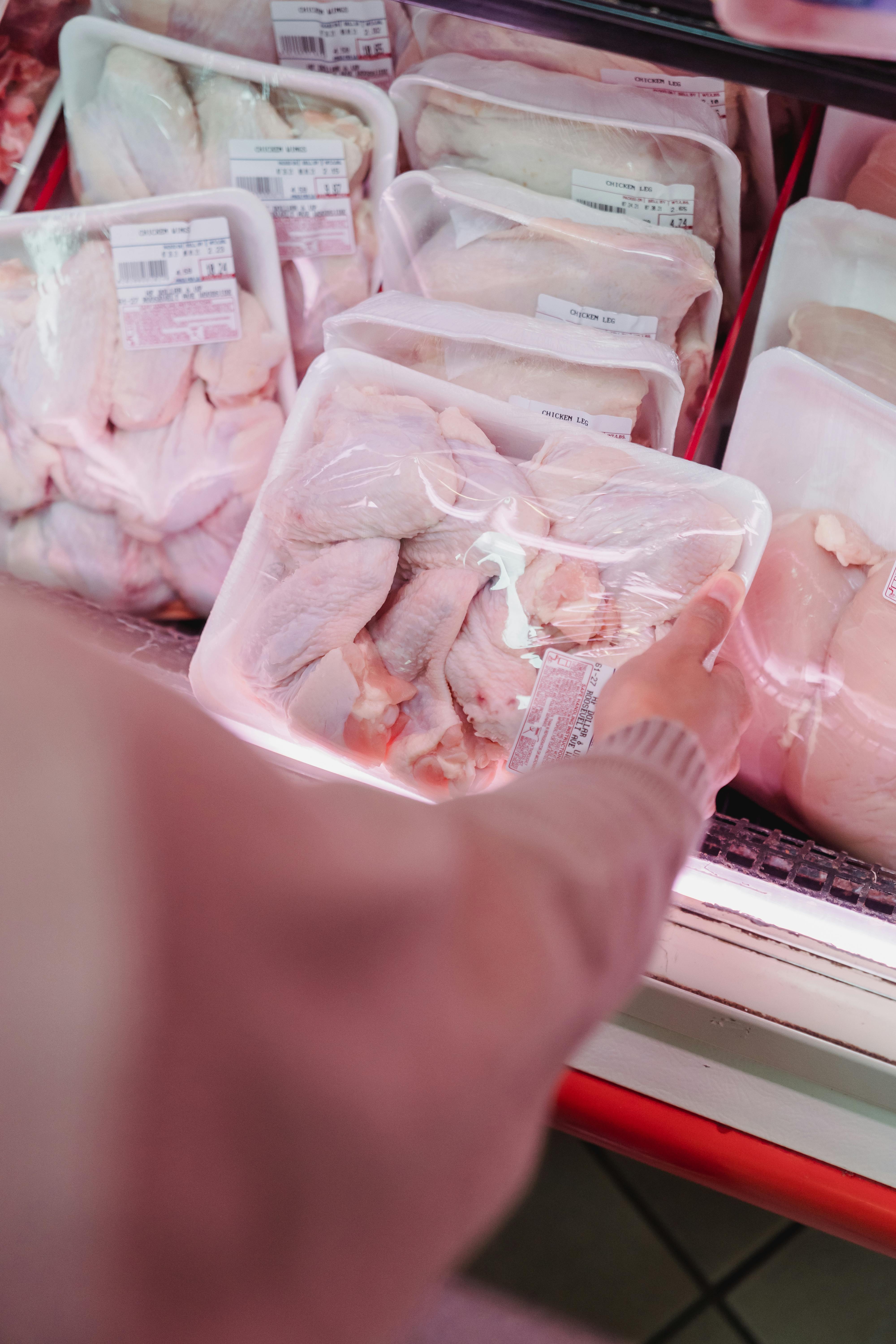
The company is Cargill, a privately held American agribusiness giant whose reach extends far beyond grain trading. It operates in food ingredients, meat processing, edible oils, sweeteners, cocoa, starches, salt, and industrial food inputs that end up in thousands of branded and store-brand products.
That helps explain the pantry effect. A shopper might buy bread, cereal, chocolate milk, frozen chicken strips, salad dressing, cooking oil, and snack bars from different brands, yet Cargill may have supplied a key ingredient for most of them.
Because it is private, Cargill does not advertise itself to consumers the way Nestlé or Kraft Heinz do. Its influence is felt upstream, deep inside the supply chain, where manufacturers source the building blocks of everyday food.
Scale made it indispensable

What set Cargill apart was not just size, but control over multiple steps in the food chain. The company built businesses in grain origination, storage, shipping, processing, formulation, and ingredient distribution, giving it unusual power to move raw crops into finished food components efficiently.
That integration matters when food companies want reliability. A cereal maker needs corn syrup, starch, cocoa powder, and vegetable oil on time and at stable quality. A bakery chain needs flour, emulsifiers, sweeteners, and egg alternatives in huge volumes. Cargill became valuable because it could provide many of those needs at once.
In modern grocery economics, consistency often beats visibility. Manufacturers and retailers tend to favor suppliers that can serve many factories, many product lines, and many countries without disruption. Cargill grew by becoming exactly that partner.
Acquisitions accelerated the takeover

The story is also about buying expertise rather than building every category from scratch. Over decades, Cargill expanded through acquisitions and joint ventures that strengthened its position in cocoa, flavor systems, animal protein, starches, and specialty ingredients.
Each acquisition made the network denser. A company that already handled soy, corn, and wheat could now move further into chocolate, texturizers, sweetening systems, and prepared proteins. That created a powerful cross-selling machine aimed at food manufacturers trying to simplify their supplier base.
The result was not that Cargill literally packaged half your pantry under its own label. It is that many products likely contain its oils, syrups, salts, meats, cocoa ingredients, or commodity inputs, even when the front-of-pack branding belongs to someone else.
Private label changed the game
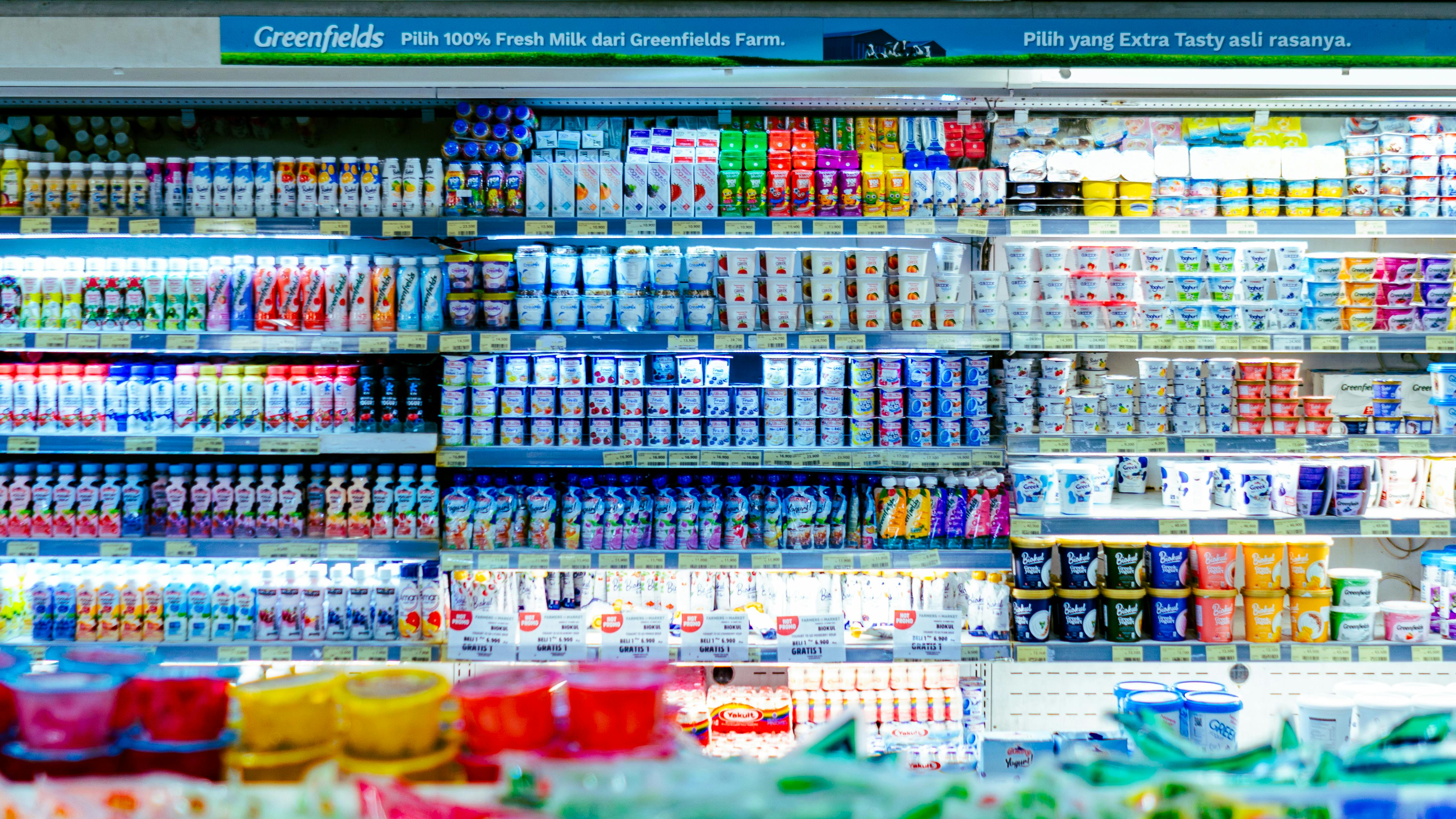
One of the biggest reasons consumers underestimate companies like Cargill is the rise of store brands. Supermarkets expanded private-label lines in categories like sauces, frozen meals, baking mixes, snacks, and cooking staples, and those products still needed enormous ingredient suppliers behind the scenes.
A retailer may contract one manufacturer to produce a store-brand cookie and another to make a bottled sauce. Those manufacturers, in turn, often rely on large ingredient companies for cocoa, palm oil alternatives, starch blends, sweeteners, or protein inputs. Cargill frequently sits in that middle layer.
This behind-the-curtain role became even more important during inflationary periods. Retailers pushed suppliers for cost efficiency, and large ingredient firms with global purchasing power were often best positioned to help manufacturers reformulate products without sacrificing volume.
Why concentration worries experts
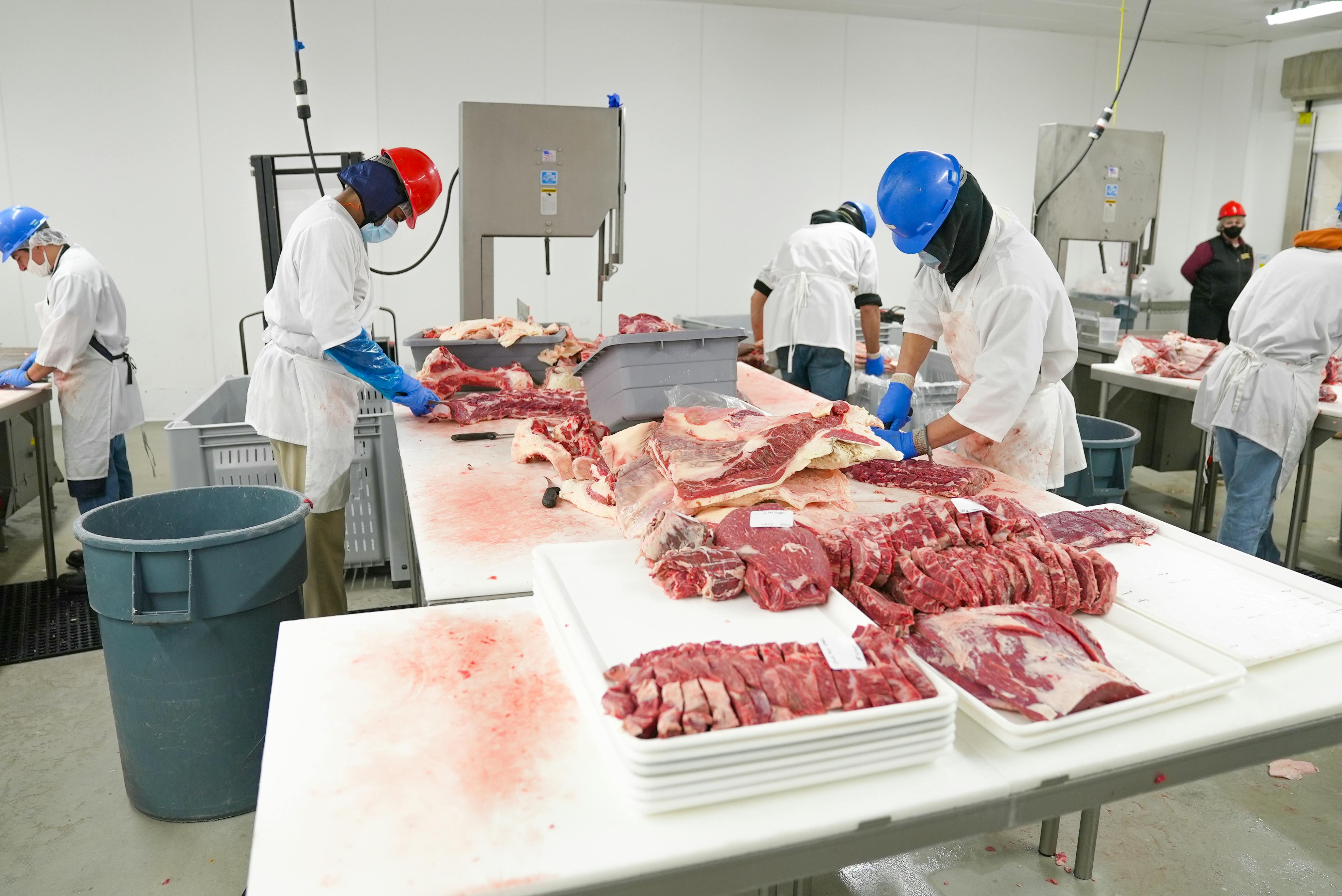
There is a downside to one company being everywhere. Economists and food-system researchers have long warned that concentration in agricultural processing can reduce competition, squeeze farmers, and leave supply chains more vulnerable when a major player faces disruption.
The issue is not only pricing power. When a few firms dominate meatpacking, grain handling, or edible oil processing, shocks can spread quickly across supermarket shelves. Weather events, disease outbreaks, labor interruptions, or export restrictions can ripple through multiple food categories at once.
Critics also point to transparency. Because ingredient supply chains are complex, consumers often cannot tell who made the crucial components of what they are eating. That makes it harder to evaluate environmental practices, labor conditions, and market influence in any simple way.
The pantry lesson is bigger than one company
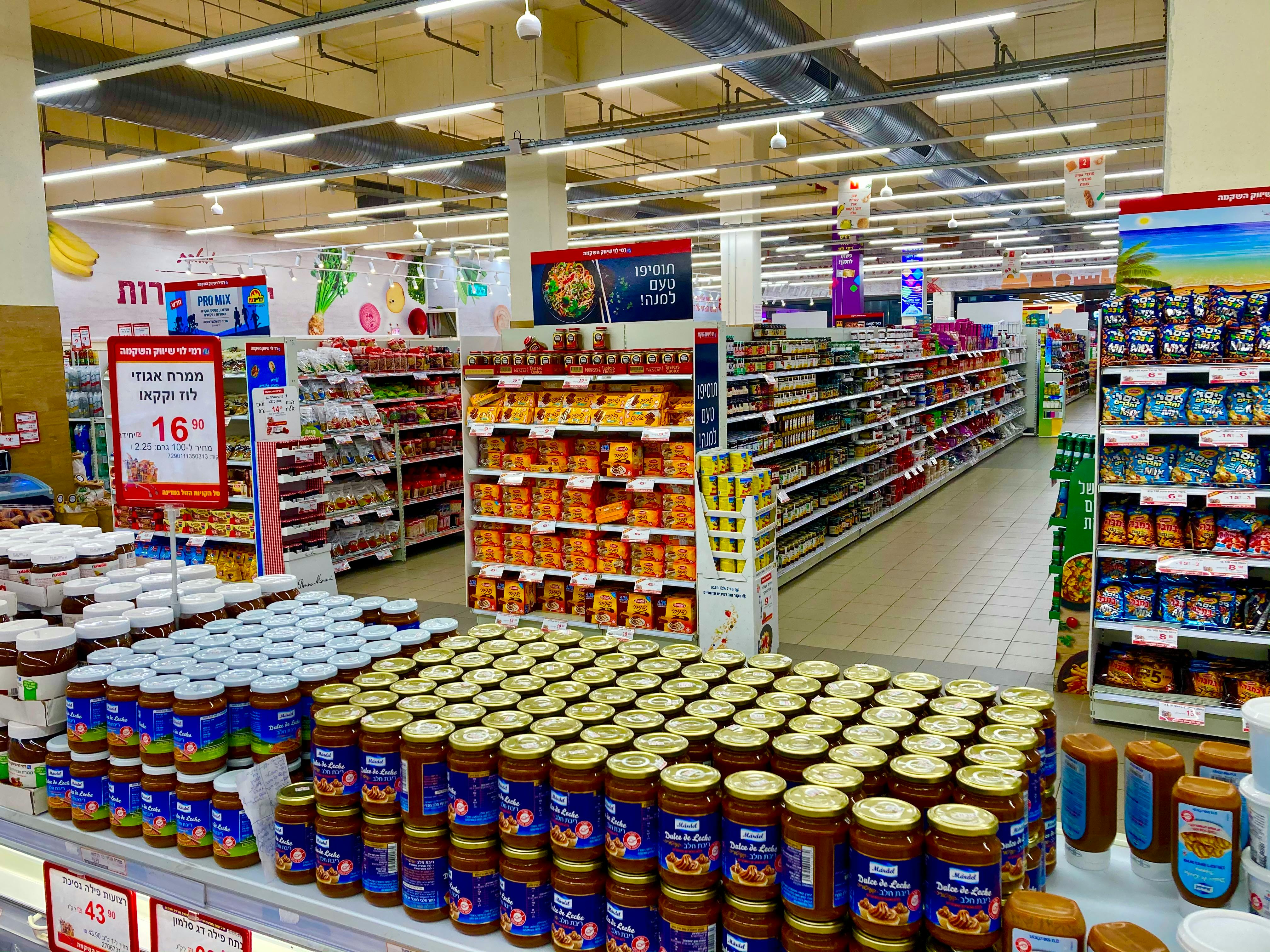
Cargill is the clearest example, but it is part of a broader pattern. Modern food is built by a small number of giant firms that specialize in ingredients, logistics, processing, and formulation while consumer brands handle marketing, packaging, and shelf appeal.
That is why your pantry can feel diverse while being structurally concentrated underneath. Ten different labels may suggest ten different food ecosystems, but many trace back to the same handful of commodity processors and ingredient suppliers.
So the real surprise is not that one company ended up making so much of what we eat. It is that the grocery store still looks like a world of endless choice when so much of it begins in the same industrial network.



Leave a Reply