
Canada's food map was not formed by geography alone. It was built along steel tracks that moved grain, fish, immigrants, equipment, and ideas from one region to another.
Railways Turned Local Harvests Into Regional Identities

Before rail expansion, most Canadian communities ate what could be grown, hunted, fished, preserved, or milled nearby. Diets were deeply seasonal, and distance sharply limited trade in perishable goods. That meant food culture was local in the most literal sense, shaped by climate, soil, and isolation.
Railways changed that equation in the late 19th and early 20th centuries by giving farmers and processors reliable access to distant markets. Prairie wheat could move east to mills and ports, while Atlantic fish and lobster could reach inland cities faster than before. Once producers knew they could ship larger volumes, they specialized, and that specialization helped define regional food reputations.
In practical terms, the rails encouraged whole provinces to lean into what they produced best. Manitoba and Saskatchewan became closely associated with grain, Alberta with beef, Prince Edward Island with potatoes, and British Columbia with salmon and orchard fruit. These were not invented by railways, but the rail network amplified them, turning local abundance into national identity.
Rail transportation also supported storage and distribution systems that reinforced regional branding. Grain elevators, stockyards, cold storage depots, and railway hotels all helped organize the movement of food. Over time, the foods most often shipped from a region became the foods most strongly associated with it in the public imagination.
The Prairies Fed a Growing Nation

The story of Prairie food culture begins with scale. The completion of the Canadian Pacific Railway allowed wheat farming to expand dramatically across the West, connecting newly settled farmland to central Canadian mills, export terminals, and consumer markets. According to Canadian economic historians, this was one of the decisive shifts in making wheat the backbone of the young national economy.
That trade did more than fill rail cars. It created a food culture centered on bread, flour, porridge, and baked goods produced from Prairie grain. Ukrainian, Mennonite, German, and other immigrant communities brought techniques for sour rye, perogies, sausage-making, beet dishes, and preserving methods that thrived in agricultural settlements linked by rail.
Livestock production also grew because feed, animals, and meat could be moved more efficiently. Alberta's ranching economy became more tightly woven into national food supply chains, helping beef become a signature food of the province. Rail access made slaughterhouses, meatpacking, and urban distribution more practical, especially as western cities expanded.
The Prairie table, then, was not shaped by one ingredient alone. It reflected grain monoculture, immigrant cooking traditions, and a transportation system that made both settlement and exchange possible. Railway towns became places where flour mills, grain buyers, bakeries, and community markets all reinforced the region's distinct food identity.
Atlantic Canada Sent the Sea Inland

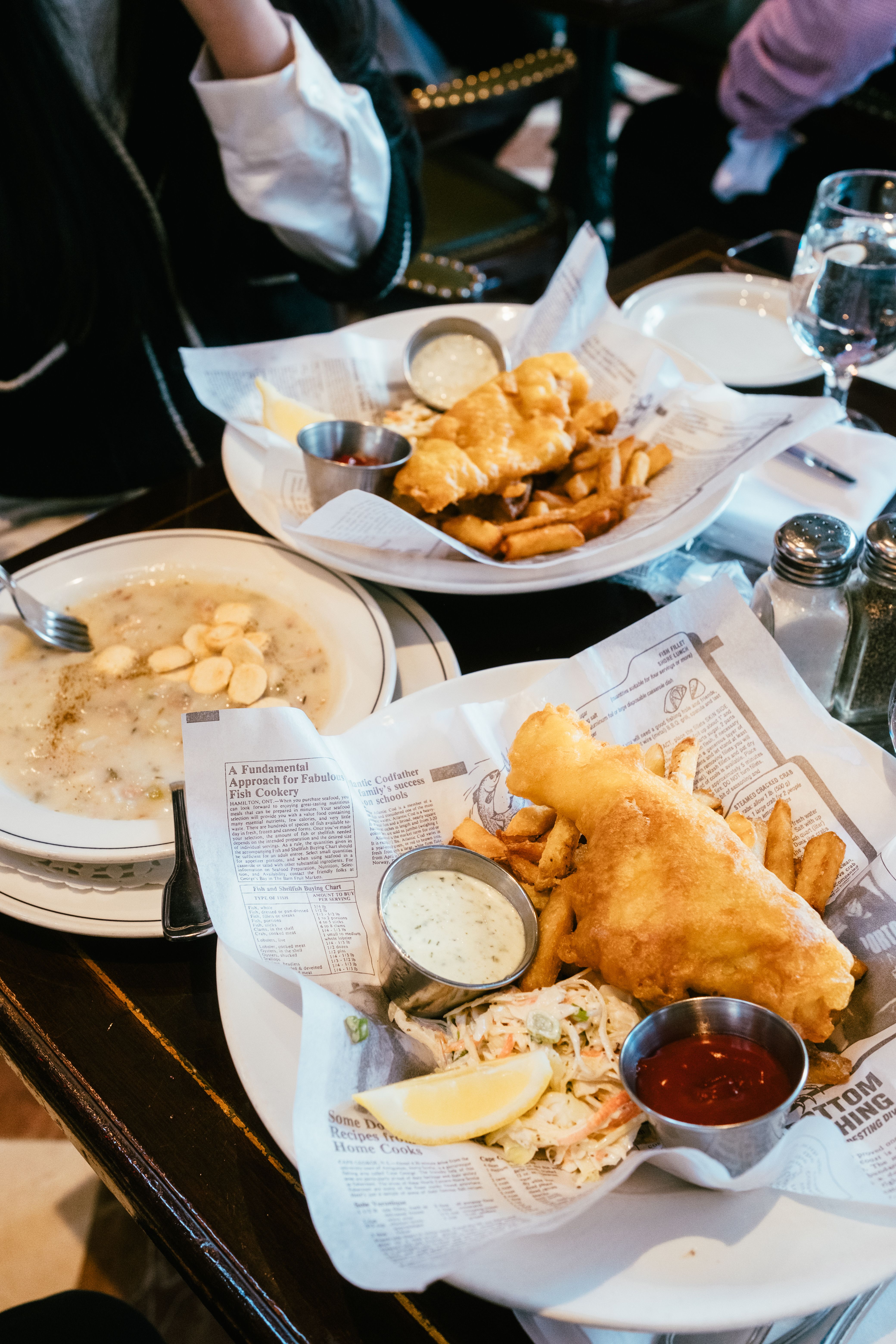
On the East Coast, railways gave Atlantic food producers something they had never fully possessed: faster inland reach. Fish had long been central to the economy of Newfoundland and the Maritime provinces, but rail connections made it easier to move fresh and processed seafood to Quebec, Ontario, and beyond. Salt cod remained important, yet rail helped expand markets for lobster, oysters, scallops, and canned sardines.
This had a direct cultural effect. Foods once tied mainly to coastal communities began appearing on tables far from the ocean, and demand encouraged more organized harvesting and packing. Canneries and ice-based shipping systems grew around railway schedules, linking wharves to stations and stations to urban wholesalers.
Prince Edward Island offers a useful example. The province's potatoes became a defining food partly because rail and ferry links gave growers a viable way to serve mainland markets at scale. As production increased, the potato moved from staple crop to symbol, deeply tied to the island's public identity and food economy.
Railways also spread Atlantic tastes through tourism and hospitality. Dining cars and grand hotels often served regional specialties to travelers, introducing seafood chowders, oysters, preserves, and baked goods to new audiences. In that way, rail did not just move food inland. It also carried the idea of Atlantic cuisine across the country.
Quebec and Ontario Became Great Food Crossroads

Central Canada occupied a different position in the railway food story. Quebec and Ontario were not just producers. They were major processing, distribution, and consumption hubs where ingredients from many regions met. Rail lines feeding Montreal and Toronto helped turn those cities into marketplaces for Prairie grain, Atlantic seafood, Ontario fruit, and imported goods arriving through eastern ports.
Because of this, food culture in central Canada became notably layered. Quebec's culinary identity, rooted in French colonial traditions and rural staples such as pork, dairy, maple products, and baked beans, evolved alongside improved access to outside ingredients. Urban markets could offer more variety, while processors and retailers expanded what households considered normal fare.
Ontario experienced a similar transformation through both agriculture and immigration. Southwestern Ontario produced fruit, vegetables, dairy, and meat, but rail made these foods easier to ship while also bringing in products from elsewhere. Toronto, Hamilton, Ottawa, and smaller railway towns became places where British, Jewish, Italian, Chinese, and Eastern European food traditions took hold with greater permanence.
Railway hotels were especially influential in these provinces. Their kitchens standardized certain dishes, elevated others, and exposed diners to foods from across the country. Menus featuring local trout, Quebec cheese, Ontario asparagus, and Prairie beef helped shape a national palate while still reinforcing the idea that each region had specialties worth celebrating.
Immigration, Dining Cars, and Market Towns Spread New Tastes
A railway is never just a transport system. It is also a corridor for people, and in Canada that mattered enormously for food. Migrants arriving from Europe, Asia, and later other parts of the world carried seeds, recipes, preservation methods, and cooking habits into railway-linked settlements where communities could grow quickly and maintain cultural continuity.
Chinese railway workers and later Chinese Canadian entrepreneurs left a particularly important culinary legacy. Restaurants near stations and in urban Chinatowns adapted Cantonese cooking to local ingredients and customer tastes, laying the groundwork for a distinct Chinese Canadian food culture. Similar patterns appeared in Prairie settlements shaped by Ukrainian and Doukhobor communities, and in Jewish and Italian neighborhoods in central Canada.
Dining cars further widened Canadian tastes by acting as moving showcases of regional food. A traveler might eat Prairie beef, BC salmon, Ontario butter, and Quebec pastries in the course of one journey. This was an early form of culinary nation-building, presenting Canada's regions as distinct but connected parts of a larger food system.
Market towns along the rails also mattered. Stations became gathering points for grain buyers, produce merchants, butchers, bakers, and hotelkeepers. As food passed through these communities, so did techniques and preferences, helping regional cuisines develop not in isolation but through steady exchange.
The Railway Legacy Still Shapes What Canadians Eat
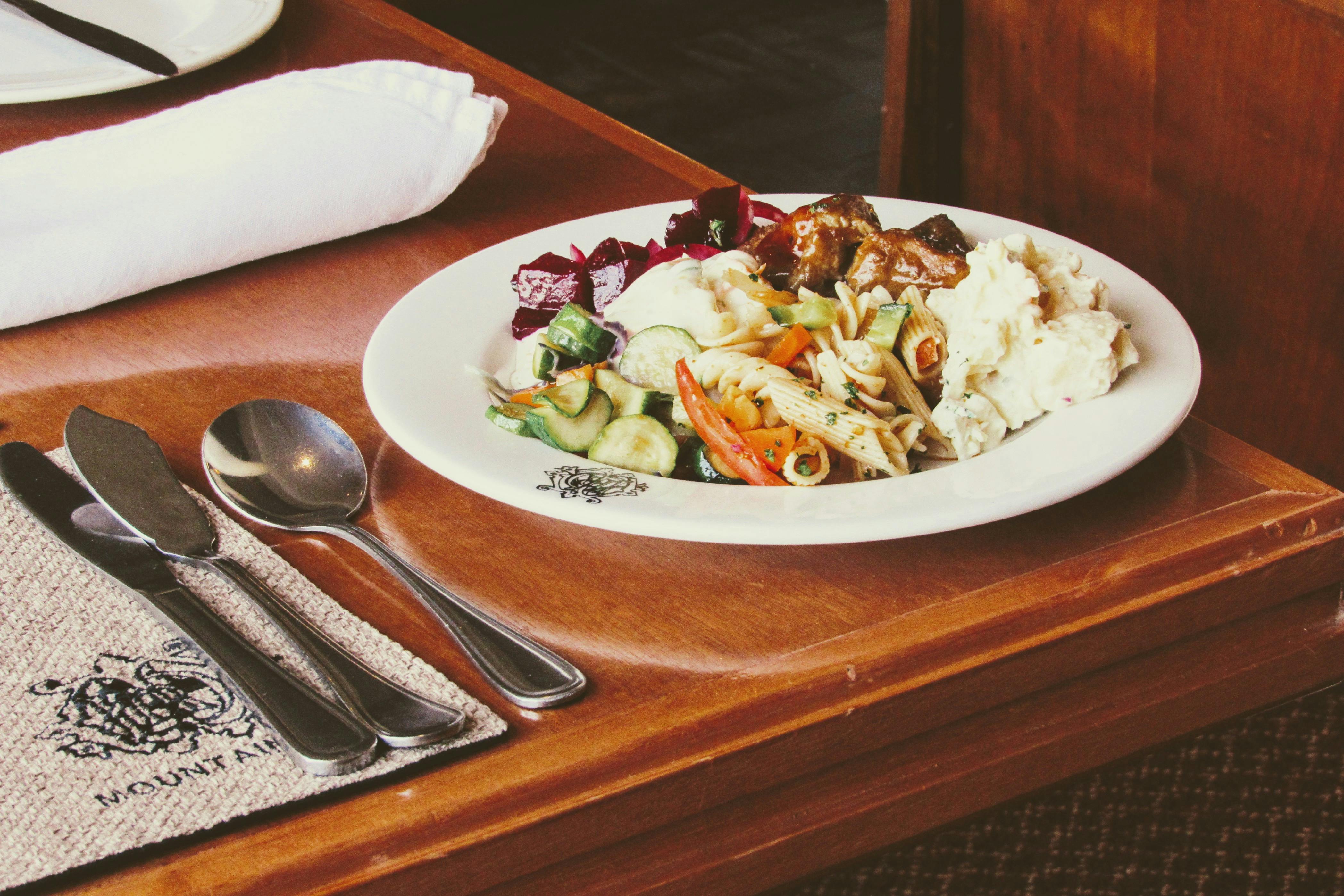
Today, modern trucking, highways, and air freight carry much of the food once dominated by rail. Yet the patterns created by railway expansion still shape how Canadians think about regional food. The association of the Prairies with grain and beef, the Atlantic with seafood, Quebec with maple and pork, and British Columbia with salmon and fruit remains powerful because rail helped cement those links during a critical nation-building era.
The legacy is visible in tourism, branding, and public memory. Historic railway hotels still market regional dishes as part of the travel experience, and local festivals continue to celebrate foods that gained national prominence through rail distribution. Even the idea of a cross-country culinary journey owes much to the old rail routes that first made such variety visible to ordinary travelers.
There is also a less romantic side worth noting. Railway expansion supported settler colonial growth, transformed Indigenous food systems, and redirected land use toward export agriculture. Bison loss, land displacement, and imposed settlement patterns changed what many communities could harvest and eat. Any full account of Canada's food culture must include those disruptions alongside the benefits of trade and connection.
Even so, the central fact remains clear. Railways helped turn scattered local foodways into recognizable regional cuisines within a shared national market. They moved ingredients, workers, technologies, and traditions across immense distances, and in doing so, they helped create the food culture Canada still tastes today.




Leave a Reply