
Canada's food story often sounds broad and regional. In reality, many of its strongest habits, tastes, and culinary ambitions were refined in Quebec first.
A French culinary foundation that outlasted empire

Long before Canada developed a modern restaurant identity, Quebec had already established a durable food culture rooted in French technique and local adaptation. Settlers brought breads, stews, charcuterie, cheese making, and a respect for seasonal cooking, then reshaped them around North American ingredients. Wheat, pork, peas, root vegetables, wild game, and preserved foods became the backbone of a cuisine built for harsh winters and short growing seasons.
That mattered nationally because Quebec normalized the idea that Canadian food could be both regional and sophisticated. Tourtière, cipaille, fèves au lard, cretons, and sugar pie were never just old family dishes. They showed that local food traditions could carry history, craftsmanship, and pride without needing validation from Europe or the United States.
Even today, many ideas Canadians associate with serious food culture, such as terroir, artisanal production, and strong regional identity, gained mainstream visibility through Quebec's example. The province kept alive a culinary vocabulary that valued place, technique, and memory. In doing so, it helped Canada see food not simply as sustenance, but as culture.
The province that taught Canada to celebrate local products

Quebec did not invent local eating, but it helped turn it into a public value. Its public markets, roadside farm stands, cider makers, maple producers, and cheese artisans created a visible food economy long before "buy local" became a national slogan. Jean-Talon Market and Atwater Market became more than shopping destinations. They served as urban proof that regional agriculture could shape everyday eating.
This visibility changed consumer expectations across Canada. Quebecers were already used to discussing apple varieties, raw milk cheese, maple grades, and duck products with a level of familiarity that later spread into food media and retail culture. By the 1990s and early 2000s, the rest of Canada was catching up to an attitude Quebec had normalized for decades.
The province also built trust in small-scale producers. Its success with goat cheese, artisanal butter, ice cider, and farm-driven restaurant menus gave producers in other provinces a model to follow. What now feels like standard Canadian food culture, knowing the farmer, valuing seasonality, and treating regional products as premium, owes a quiet but substantial debt to Quebec.
Quebec made indulgence part of the national identity
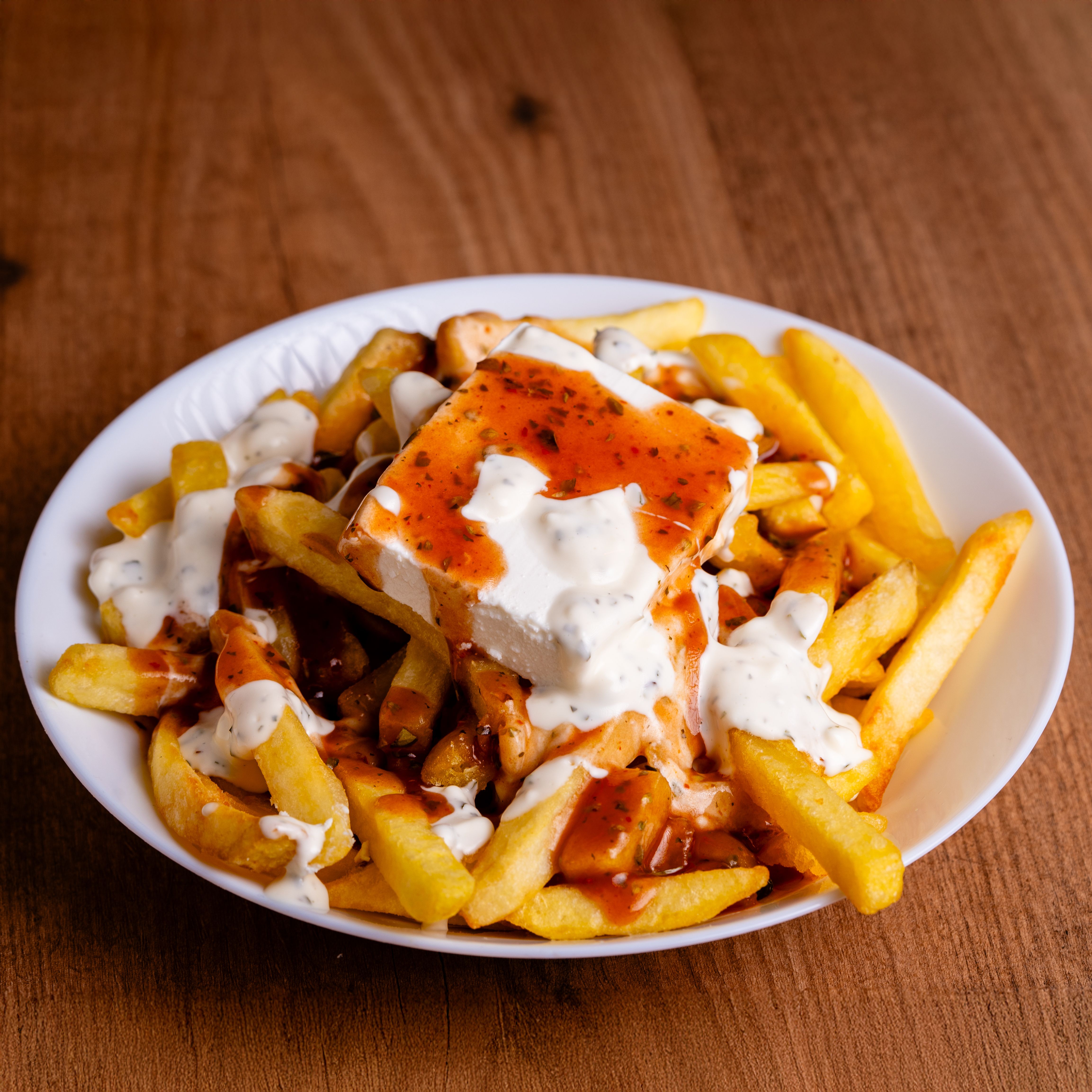
If one dish symbolizes Quebec's direct impact on Canada, it is poutine. What began in rural Quebec in the mid-20th century became a national food emblem, even if the rest of Canada initially treated it as a novelty. Fries, gravy, and fresh cheese curds expressed something powerful and democratic. It was rich, accessible, local, and unapologetically specific.
Poutine's rise did more than put one dish on menus from coast to coast. It changed Canada's comfort-food language. It proved that a humble regional dish could travel nationally without losing its identity. Restaurants across the country now riff on poutine with braised meats, lobster, smoked duck, or vegetarian gravies, but the original Quebec template still anchors the category.
Quebec also broadened the national appetite for foods that feel celebratory and rustic at once. Think of tourtière at holidays, maple syrup folded into savory cooking, foie gras on special menus, and casse-croûte culture that respects the snack bar as much as the fine dining room. That comfort with both elegance and excess remains a defining feature of Canadian eating.
Montreal became a national engine for restaurant culture

Montreal's influence on Canadian dining has been outsized for generations. The city built a restaurant scene where French tradition, Jewish deli culture, immigrant entrepreneurship, and North American energy all met on the same streets. Montreal smoked meat, bagels, Portuguese chicken, and bistro cooking created a food identity that was layered rather than fixed.
That hybridity gave Canada an early model for modern urban food culture. Long before every major city celebrated culinary diversity as a civic asset, Montreal was already living it. Its neighborhoods showed that immigrant food was not peripheral to national identity. It was central to it. Eating in Montreal became a lesson in how a city could express itself through overlapping traditions.
The city also helped professionalize culinary ambition. Influential chefs, restaurateurs, and food writers used Montreal as a stage for discussing technique, regional ingredients, and hospitality with unusual seriousness. As national media expanded, Montreal's restaurants shaped expectations for what Canadian dining could be: worldly, local, inventive, and confident without being imitative.
Quebec preserved the artisan mindset that Canada later embraced
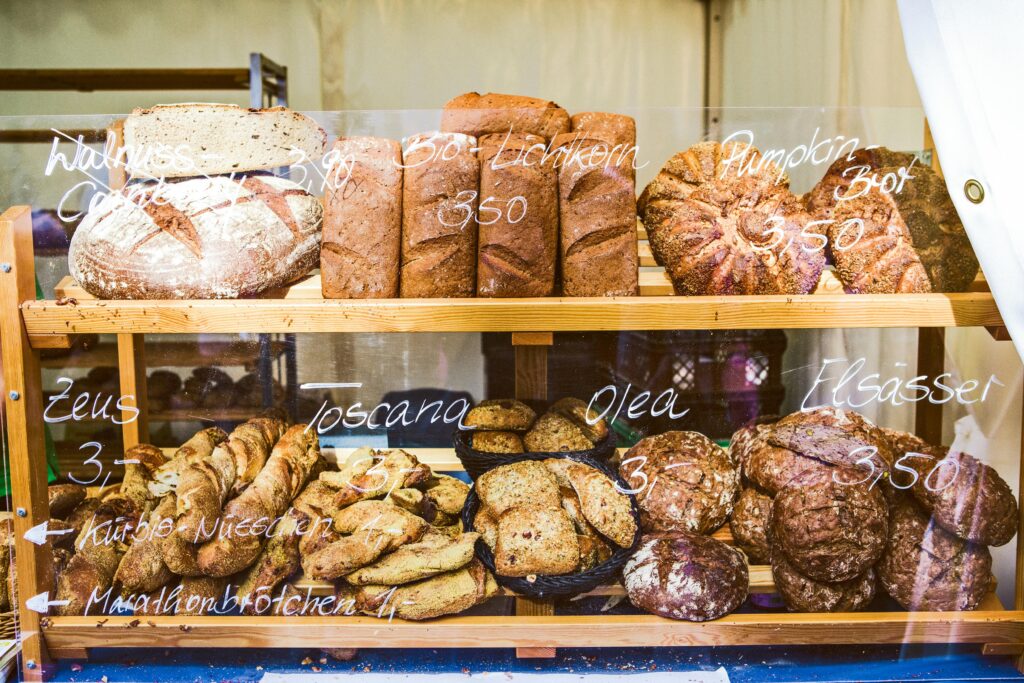
One of Quebec's most lasting contributions has been its respect for food as craft. In many parts of Canada, artisanal bread, butcher-led charcuterie, farmhouse cheese, and small-batch preserves became mainstream markers of quality relatively recently. In Quebec, those values had deeper cultural roots, tied to parish traditions, family kitchens, and a stronger continuity of old-world food knowledge.
This continuity helped the province weather the homogenizing pressure of industrial food better than many regions. While supermarkets and multinational brands certainly expanded in Quebec, local attachment to independent bakeries, fromageries, pâtisseries, and neighborhood boucheries remained resilient. That gave Canada a living example of how traditional food skills could survive in a modern economy.
The influence is now easy to trace. Across the country, consumers seek out sourdough from independent bakers, carefully made terrines, small-producer cheeses, and seasonal preserves not just for taste, but for authenticity. Quebec helped teach Canadians that authenticity in food is not a slogan. It is the result of skilled hands, inherited knowledge, and a public willing to value both.
Its biggest impact may be how Canadians think about food

Quebec's deepest influence is philosophical. It helped build a Canadian attitude that food deserves conversation, ritual, and memory. Meals in Quebec have often carried a stronger sense of occasion, whether in family holiday spreads, Sunday gatherings, cabane à sucre traditions, or long restaurant meals where pleasure is treated as a serious pursuit rather than an indulgence to justify.
That approach has gradually spread into the national mainstream. Today, Canadians are more likely to debate provenance, celebrate regional specialties, travel for restaurants, and treat chefs as cultural figures. Those habits did not emerge from nowhere. Quebec had been modeling them for decades through its media, institutions, culinary schools, and public enthusiasm for food as part of identity.
For that reason, Quebec's role in Canadian food culture is often underestimated precisely because it has become so embedded. Its ideas entered the national bloodstream quietly, through dishes, markets, habits, and expectations. Modern Canadian food culture may look diverse and decentralized, but many of its core instincts were sharpened in Quebec first.




Leave a Reply