
A grocery aisle can look local, but its story is often oceanic. In Canada, one Pacific route has become a quiet force behind what appears fresh, affordable, and available week after week.
The route that matters more than most
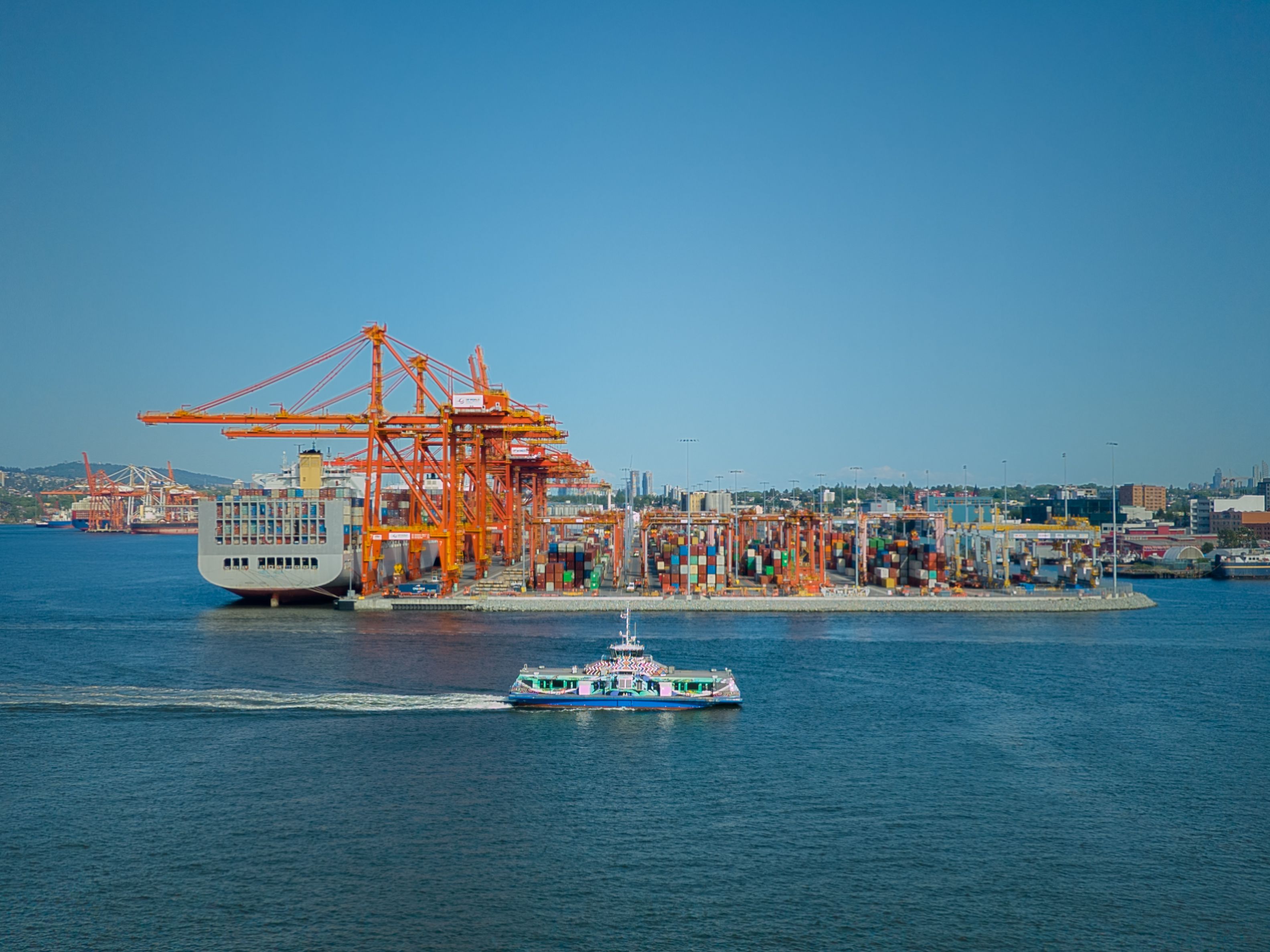
The most influential corridor for many imported grocery goods is the trans-Pacific route linking Asian manufacturing and food-export hubs to the Port of Vancouver, then into rail and truck networks across Canada. It is not the only route that matters, but it is one of the most consequential for western Canada and a major pressure point for the whole country.
Vancouver is Canada's largest port, and it handles a huge share of containerized imports. Those containers carry shelf-stable staples such as rice, noodles, canned goods, cooking oils, frozen seafood, snack foods, and packaging used by Canadian food processors. According to port and industry reporting, when congestion hits Vancouver, the effects ripple far beyond British Columbia.
The route's importance comes from simple geography. Sailing times from Asia to Canada's West Coast are shorter than voyages to eastern ports via the Panama Canal or Suez-linked alternatives. For importers chasing cost control, freshness, and dependable lead times, that makes this lane central to grocery planning.
Why shelves depend on more than finished food
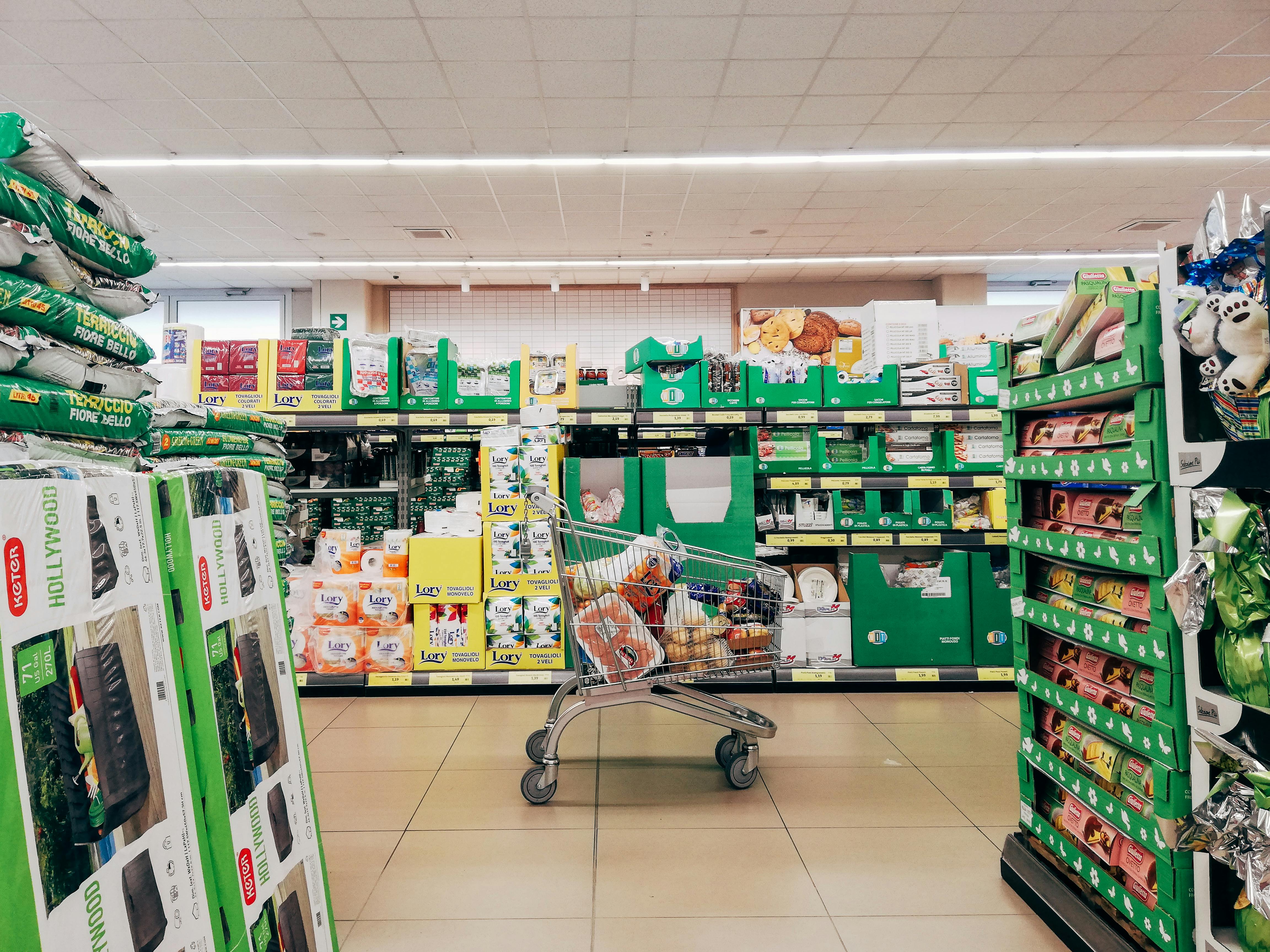
The key point is that grocery stores do not just depend on imported food. They also depend on imported ingredients, containers, labels, machinery parts, and temperature-control equipment that move on the same ships through the same terminals.
A Canadian sauce maker may buy glass jars from one supplier, caps from another, and spices from Southeast Asia. A frozen meal company may rely on plastic film, aluminum trays, and additives produced abroad. If one vessel arrives late or one terminal backs up, production schedules can slip even when domestic farms and factories are ready to work.
That is why disruptions do not always show up as empty spaces where imported brands should be. Sometimes they appear as fewer promotions, smaller product variety, delayed seasonal items, or out-of-stocks in goods that look fully Canadian. The route shapes supply both directly and indirectly.
What usually disrupts this corridor
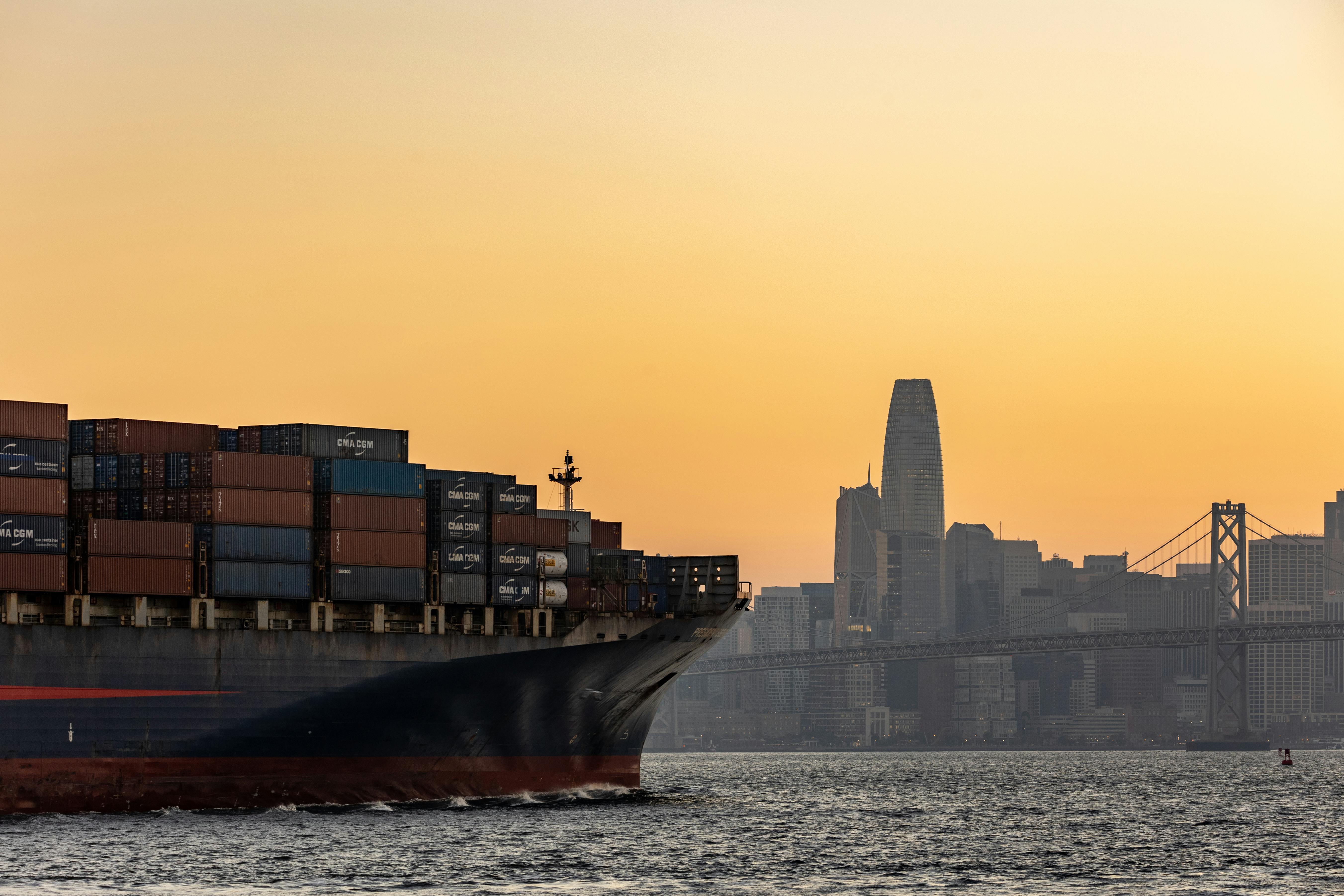
The Pacific lane is efficient until several problems stack up at once. Severe weather, wildfire smoke, rail bottlenecks, labor disputes, low water levels affecting alternate canal routes, and global shipping imbalances can all strain the system.
Canada has seen this clearly in recent years. Flooding in British Columbia severed rail lines and highways in 2021, cutting inland movement from Vancouver. Labor disruptions at West Coast ports in 2023 slowed cargo handling and raised concern among retailers and food importers preparing for key shopping periods.
Global shocks make the route even more fragile. During the pandemic-era supply crunch, container shortages and erratic vessel schedules pushed freight costs sharply higher. Retailers and wholesalers responded by ordering earlier, carrying more safety stock, and in some cases paying more to secure transport, costs that can eventually surface in store prices.
Which foods are most exposed
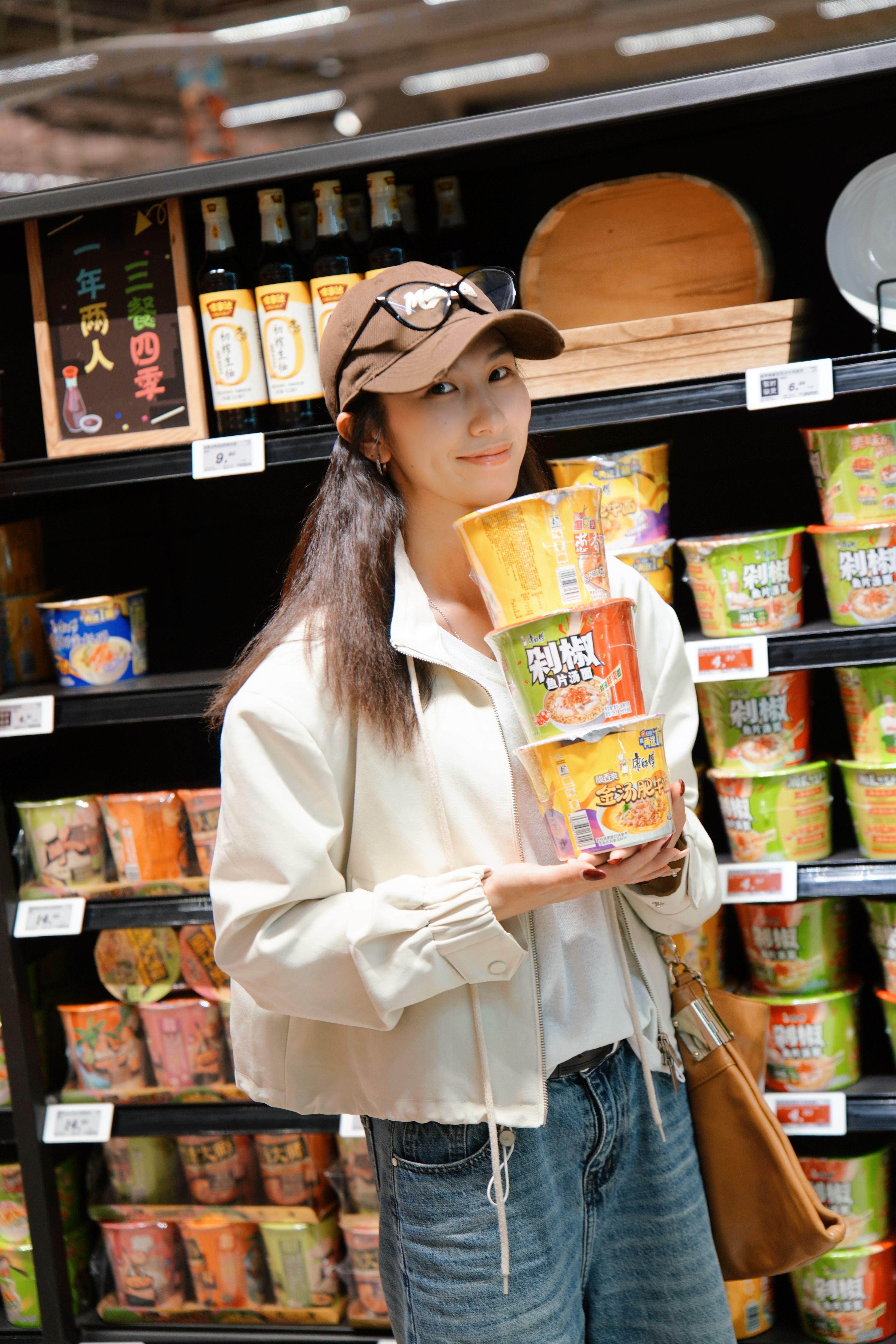
Some products are especially tied to this route because Canada imports them heavily from Asia or because they travel best in containerized systems. Rice is a clear example, as are instant noodles, soy-based products, many frozen seafood items, specialty sauces, and a wide range of packaged snacks.
Fresh produce is also affected, though in more selective ways. Certain garlic, ginger, mushrooms, citrus alternatives, and out-of-season fruit can depend on Pacific logistics, especially when import programs are calibrated tightly to avoid spoilage and storage losses.
Ethnocultural grocery categories are often the first place shoppers notice strain. Canada's growing demand for Korean, Chinese, Filipino, Japanese, South Asian, and Southeast Asian staples has expanded reliance on steady Asian shipping connections. When timing breaks down, substitution is not always easy because brand loyalty, regional taste, and format matter.
How retailers decide what stays and what disappears
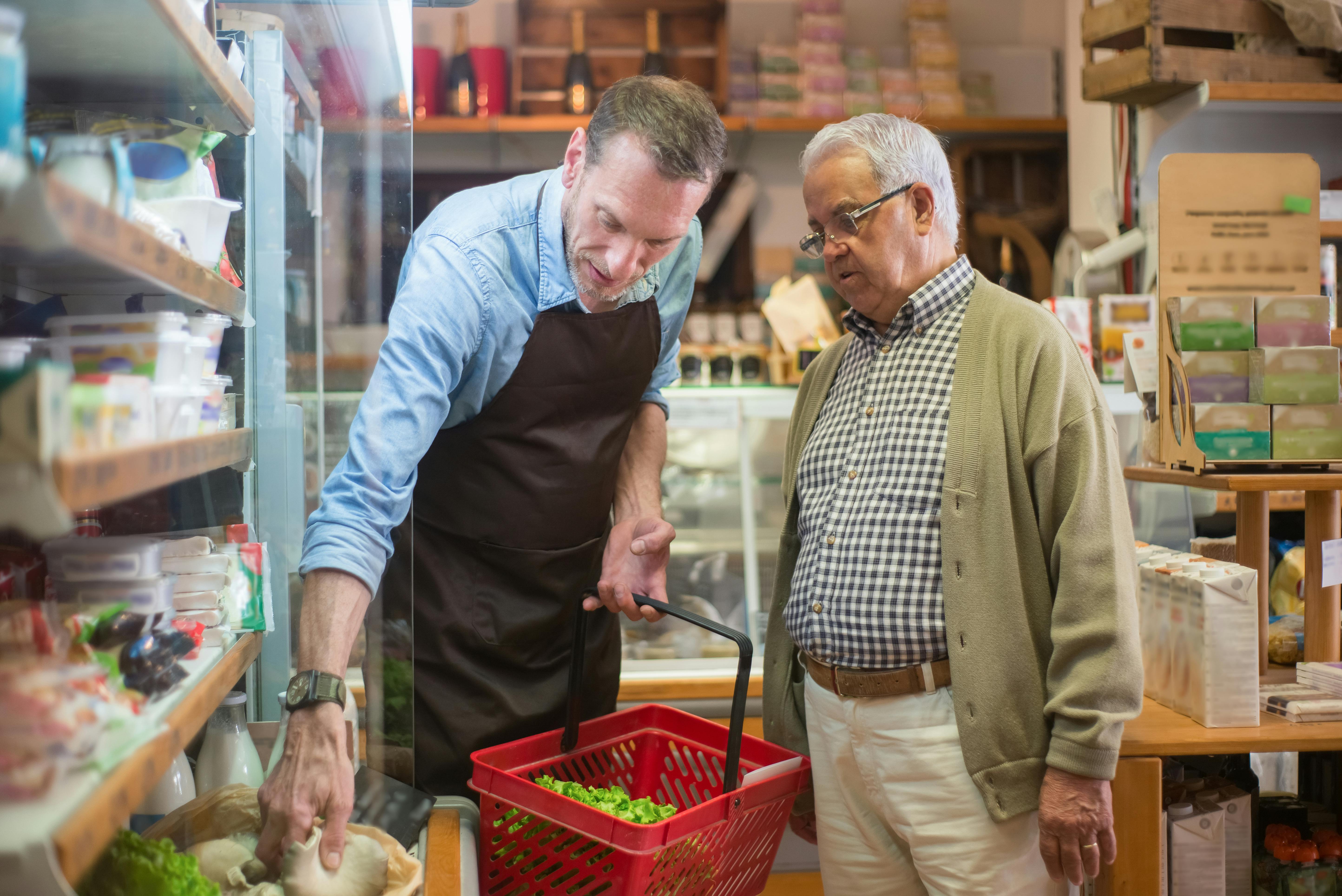
When shipping becomes unreliable, grocers do not treat every item equally. They prioritize high-volume staples, strong-margin goods, and products with the broadest demand. Slower-selling specialty items may be reduced, temporarily delisted, or replaced with similar alternatives from other suppliers.
That is why a shelf may still have soy sauce, but not the exact brand, bottle size, or regional style a customer wants. Buyers constantly balance freight costs, lead times, shelf space, and inventory risk. A route disruption can turn those routine decisions into a triage exercise.
Large chains have an advantage because they can reroute shipments, shift distribution between regions, and negotiate capacity with carriers. Independent grocers are often more exposed. They may depend on smaller import programs and thinner inventories, which means even short interruptions can show up faster at store level.
Why this one route influences prices and food resilience
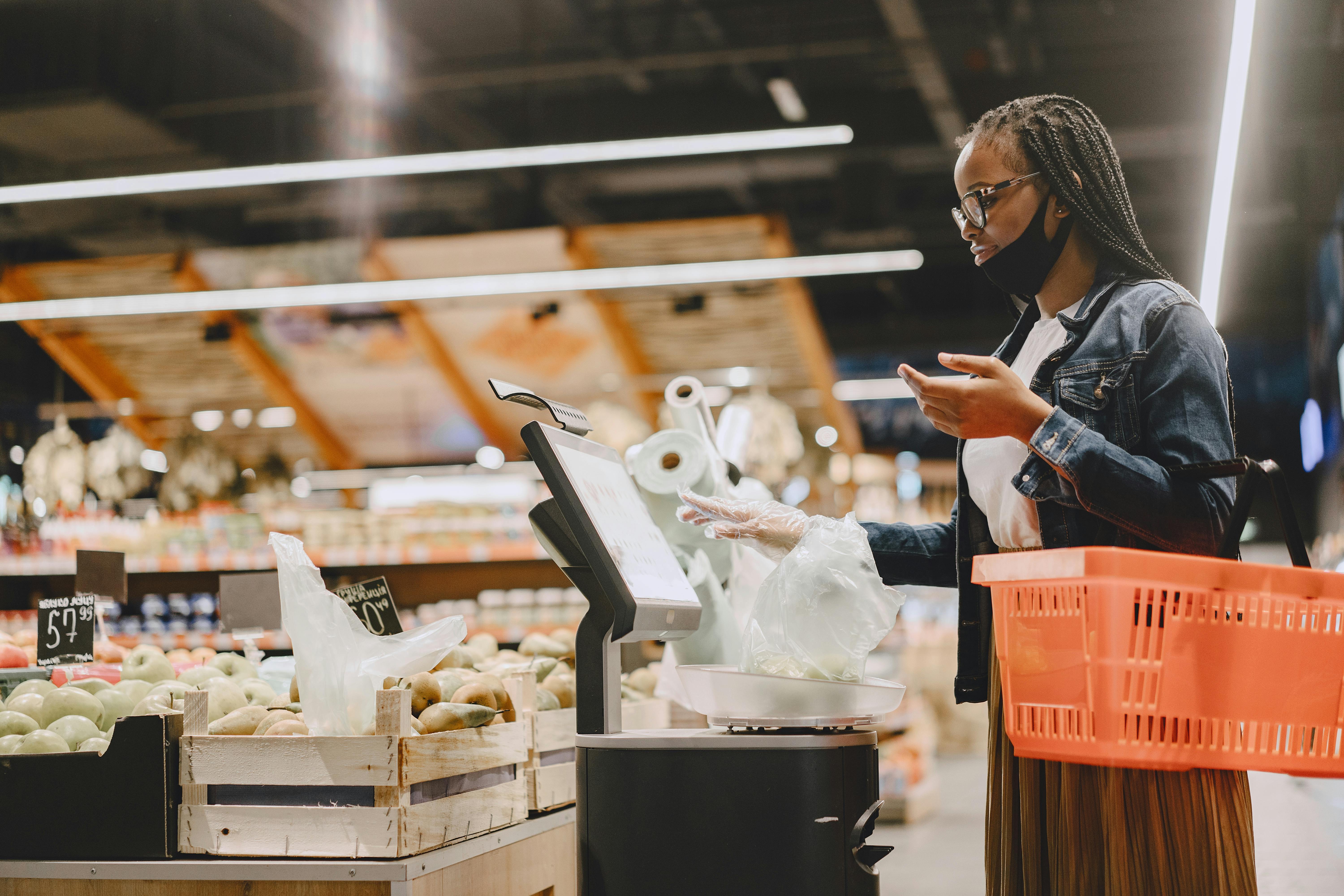
The larger lesson is not that Canada depends on one port alone, but that one heavily used route can influence national food resilience. When a major Pacific gateway runs smoothly, consumers mostly never notice. When it falters, the effects spread through transport costs, factory inputs, retail assortments, and checkout prices.
Policy experts and supply-chain analysts increasingly argue for diversification. That means stronger eastern and northern options where practical, more warehouse capacity, better rail coordination, and selective domestic production of critical food inputs and packaging. None of that eliminates ocean dependence, but it reduces single-route vulnerability.
For shoppers, the result is simple. The availability of a bag of rice, a jar of sauce, or a frozen seafood dinner may depend less on the nearest supermarket than on a vessel arriving on time at Vancouver. In modern grocery retail, one shipping route can quietly decide what Canada gets to eat.


Leave a Reply