
Canadian food did not change overnight. But from the 1970s through the 1990s, multiculturalism steadily altered what Canadians ate, how they shopped, and what they considered normal at the table.
A new national policy changed the menu
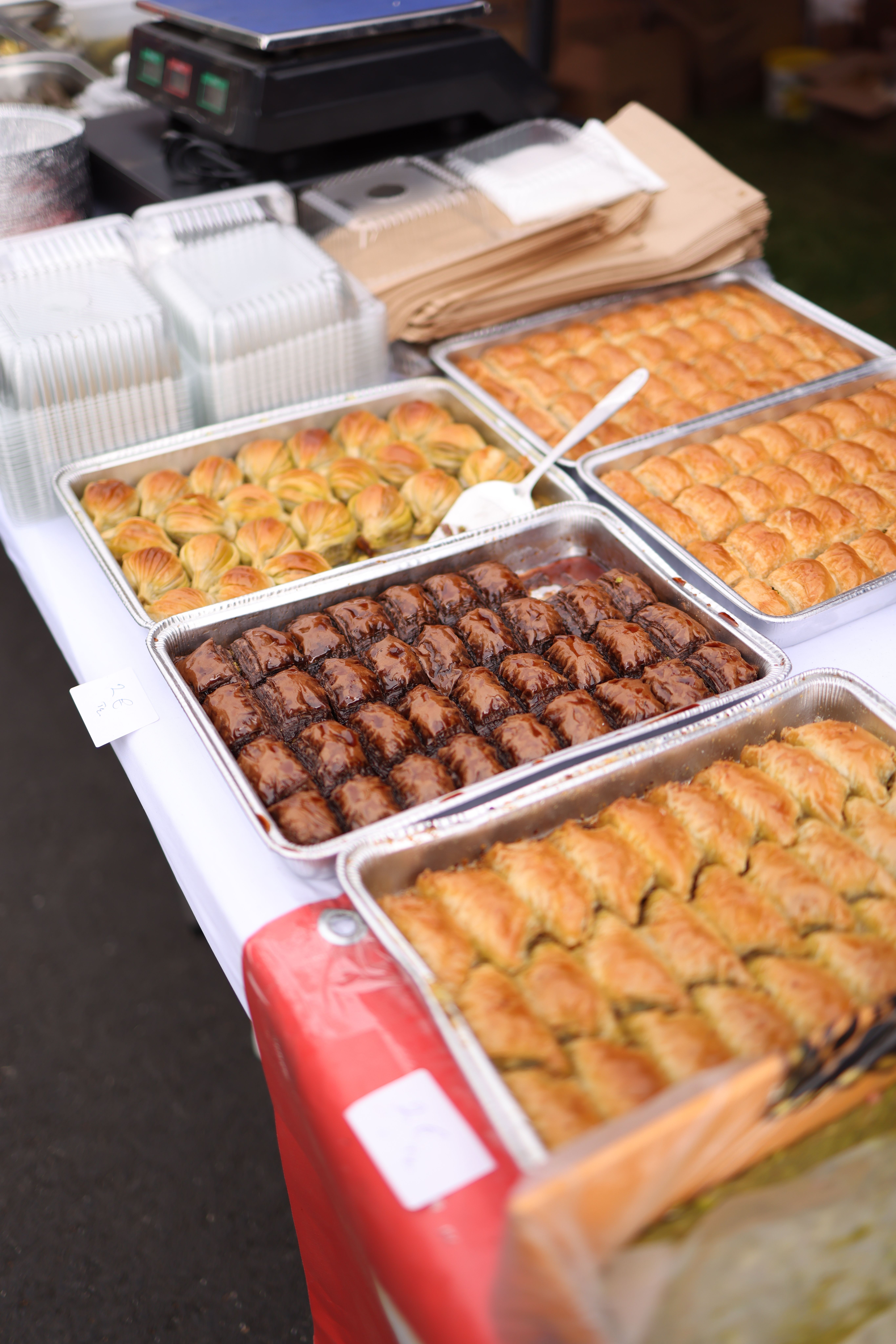
When Canada adopted multiculturalism as official federal policy in 1971, the shift was political, but it quickly became culinary too. The country was already being reshaped by postwar immigration, especially after immigration rules changed in the 1960s and opened the door to newcomers from Asia, the Caribbean, the Middle East, Latin America, and Africa. Food became one of the most visible ways these communities expressed identity in public life. What had once been treated as "ethnic food" on the margins began to enter neighborhoods, festivals, and local business districts.
Cities such as Toronto, Vancouver, and Montreal became the clearest laboratories of change. New immigrant communities created dense food networks built around bakeries, grocers, restaurants, butchers, and specialty import shops. These businesses served their own communities first, yet they also introduced other Canadians to ingredients and dishes that had not been common in mainstream stores. Soy sauce, fresh cilantro, roti skins, pita bread, bok choy, jerk seasonings, and chickpeas slowly moved from specialty shelves into wider circulation.
The idea of Canadian cuisine also started to loosen. For much of the mid-20th century, the dominant image of Canadian food leaned heavily British, French, and regional. By the 1970s, that picture no longer matched daily life in major urban centres. Multiculturalism gave public legitimacy to culinary difference, and that mattered. It encouraged schools, media, tourism campaigns, and community events to present diverse food traditions not as foreign exceptions, but as part of Canada's emerging national story.
Immigration patterns remade city eating habits
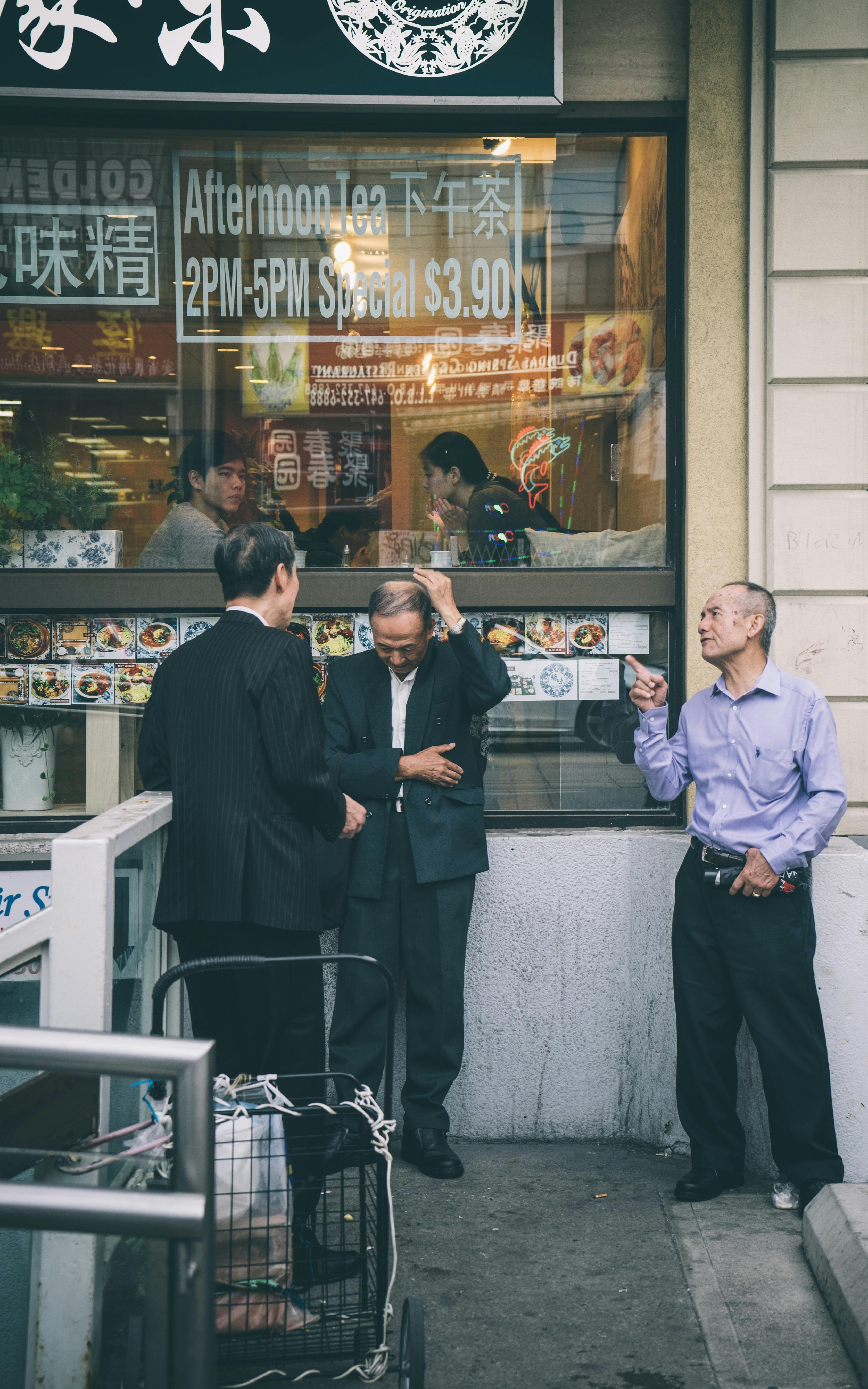
Demography was the engine behind the food shift. Between the 1970s and 1990s, immigration from Hong Kong, India, Vietnam, the Philippines, Lebanon, Portugal, Jamaica, Trinidad and Tobago, and many other places changed the commercial life of Canadian cities. Entire corridors of restaurants and markets emerged around these communities. Scarborough, Richmond, Brampton, Vancouver's suburban municipalities, and parts of Montreal developed food scenes that reflected new settlement patterns as much as culinary trends.
These businesses did more than sell meals. They created supply chains for ingredients that had once been difficult to find. Importers expanded shipments of rice varieties, spices, tropical produce, noodles, halal meats, and fermented sauces. Farmers also adapted. Growers in parts of Ontario and British Columbia began producing vegetables in demand among immigrant communities, including Chinese greens, hot peppers, and specialty herbs. This local response made diverse food more affordable and more stable in supply.
As access improved, eating habits broadened beyond immigrant households. Office workers began picking up sushi, souvlaki, patties, samosas, and falafel for lunch. Families ordered Chinese takeout, pizza, and later more regionally distinct cuisines as casual options. What began as neighborhood-specific food culture gradually crossed class and cultural lines. By the 1990s, many urban Canadians were no longer merely sampling difference. They were building weekly routines around it.
Restaurants turned unfamiliar dishes into everyday food

Restaurants were the public classroom of multicultural eating. Long before cooking shows and social media normalized global food knowledge, small family-run establishments introduced Canadians to dishes through repetition, hospitality, and affordability. Diners learned by ordering. They discovered how pho differed from Cantonese noodle soup, how butter chicken differed from drier tandoori dishes, and how shawarma offered something distinct from Greek gyro or donair. Everyday familiarity mattered more than official policy in changing taste.
Some cuisines arrived through adaptation. So-called Chinese food in Canada had deep earlier roots, but from the 1970s onward more regional Chinese cooking became visible alongside established dishes like chop suey and sweet-and-sour pork. Italian food followed a similar path. Pasta and pizza had already spread widely, yet more Canadians now encountered espresso bars, cured meats, risotto, and regional sauces through immigrant-owned restaurants and cafés. Mainstream acceptance often began with modified versions and moved gradually toward greater authenticity.
The same pattern shaped Caribbean, South Asian, Middle Eastern, and Southeast Asian food in Canada. Roti shops in Toronto, Lebanese bakeries in Montreal, and Vietnamese restaurants in cities across the country became important gateways. Prices were often modest, portions generous, and service community-based. These places built trust with customers who might have been hesitant at first. By the late 1980s and 1990s, many of these dishes were no longer adventurous choices. They were standard urban comfort food.
Supermarkets and home kitchens followed behind
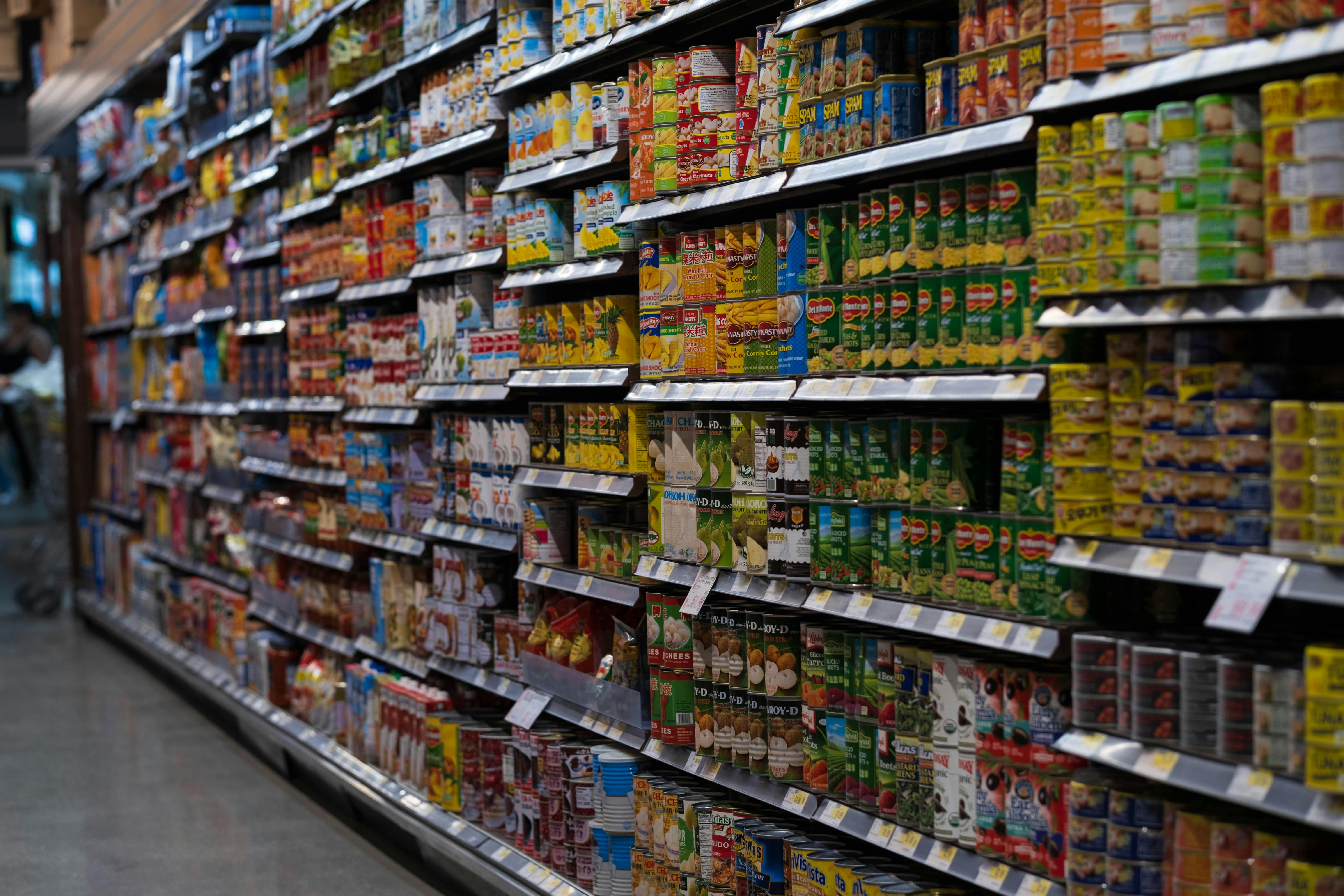
The real proof of change appeared in grocery carts. Restaurants may have sparked curiosity, but supermarkets normalized multicultural eating by making ingredients available for home use. In the 1970s, many Canadians still had to visit specialty stores for fish sauce, curry leaves, tahini, plantains, paneer, or proper tortillas. By the 1980s and especially the 1990s, larger chains began adding international aisles, freezer sections, and produce lines aimed at a more diverse customer base.
This was not only a retail strategy. It reflected a broader reorganization of Canadian food distribution. Wholesalers recognized growing demand, advertisers noticed shifting tastes, and food manufacturers launched products tailored to immigrant and mainstream households alike. Spice blends, noodle packs, canned legumes, flatbreads, and ready-made sauces entered ordinary shopping habits. As a result, home cooking became one of the main engines of culinary exchange. Neighbors shared recipes, school communities traded dishes, and mixed families blended traditions at the stove.
Cookbooks, food columns, and television also helped translate ingredients into practice. By the 1980s and 1990s, Canadian newspapers increasingly covered "international cooking" as practical domestic knowledge, not exotic spectacle. That language could still be simplistic, but it marked a major shift. The home kitchen was no longer expected to reflect a narrow Anglo-European model. It was becoming a place where multicultural Canada was cooked into daily life.
Festivals, schools, and media made diversity visible

Public culture gave food an even larger stage. Multicultural festivals, church bazaars, neighborhood fairs, and heritage events across the 1970s through 1990s turned food into a welcoming form of cultural exchange. A person who had never entered a Tamil restaurant or Portuguese bakery could still encounter dosa, pastel de nata, kibbeh, or doubles at a community event. These gatherings helped turn culinary difference into familiarity, often one plate at a time.
Schools played a quieter but powerful role. As classrooms became more diverse, potlucks, food fairs, and lunchrooms exposed children to dishes their parents had never grown up with. A generation of Canadians learned early that lunch could mean dumplings, curry, pita, rice and peas, or adobo, not only sandwiches and soup. That kind of everyday exposure mattered because it normalized diversity before it was framed as trend or novelty.
Media coverage expanded this visibility, though not always perfectly. Newspaper food sections, local television, and later lifestyle magazines increasingly profiled immigrant restaurateurs and home cooks. The language sometimes relied on "exotic" framing, especially in earlier decades, yet the broader effect was still significant. Culinary traditions from immigrant communities were entering mainstream storytelling. Canadians were being taught, repeatedly, that these foods belonged in the country's public life.
By the 1990s, "Canadian food" meant something larger

By the end of the 1990s, the cumulative effect was unmistakable. Multiculturalism had not erased older food traditions, but it had permanently widened the definition of what counted as Canadian eating. A Friday dinner might include sushi, naan, pasta, or jerk chicken without anyone treating it as unusual. In many cities, local identity itself had become inseparable from culinary diversity. Toronto's food culture, for example, was increasingly defined by its plurality rather than a single dominant tradition.
This transformation also revealed tensions. Mainstream popularity sometimes led to simplification, commercial dilution, or the masking of immigrant labor behind trendy branding. Certain foods were embraced more easily than the communities that introduced them. Still, the broader shift was real and durable. Restaurants, markets, farms, schools, and homes had all been changed by migration and policy working together over several decades.
What emerged was not a neat fusion cuisine, but a richer food landscape built through contact, adaptation, and exchange. The Canada of the 1970s looked very different from the Canada of the 1990s, and nowhere was that easier to taste than at the dinner table. Multiculturalism changed Canadian food by making diversity ordinary, and in doing so, it changed how the country understood itself.




Leave a Reply