
A few extra minutes at the table is part of dining out. The question is when those minutes start costing someone else time, money, and patience.
Why there is no single universal time limit

The simplest answer is that there is no fixed rule such as 15, 30, or 45 minutes that applies to every restaurant. A fast-casual lunch spot, a neighborhood diner, a tasting-menu restaurant, and a hotel lounge all operate with very different expectations. In some places, the table is meant to turn quickly. In others, a long, slow meal is part of what guests are paying for.
That is why etiquette experts often focus less on the clock and more on context. If you have finished eating, paid the bill, and continue occupying a table during a rush, your stay matters in a practical way. If the room is half-empty and no one is waiting, the same amount of time may be completely harmless. Good manners begin with reading the room rather than following a rigid minute count.
Industry logic supports that view. Restaurants live on table turnover, especially those with slim margins and limited seating. A table held for an extra 30 minutes during peak business can mean one less party served, lower sales for the shift, and smaller tips for servers. In that setting, "too long" can arrive surprisingly fast.
By contrast, higher-end restaurants may intentionally pace the evening and expect guests to linger over dessert, coffee, or another round of drinks. Even there, though, the social contract changes once the meal is clearly over. If menus are closed, plates are cleared, payment is done, and staff are resetting around you, the restaurant is signaling that your time at the table is nearing its natural end.
Customer etiquette starts with awareness

Good restaurant etiquette is really a form of situational awareness. Once you have finished eating, ask a basic question: am I still participating in service, or am I just occupying space? Ordering dessert, coffee, wine, or an after-dinner drink generally extends your stay in a socially accepted way. Sitting for a long period with empty glasses and a closed check feels different to both staff and waiting guests.
The check is one of the clearest signals. In many restaurants, dropping the check means the meal is entering its last stage, not that staff want you gone immediately. Most guests reasonably take 5 to 15 minutes to review it, pay, and gather themselves. Trouble starts when that transition stretches far beyond normal without any clear reason.
Phone use adds another layer. A brief message, a family photo, or a quick work reply is one thing. Turning the table into a remote office after the meal is another. Many diners do not realize that a laptop open for 40 minutes at a four-top during lunch can block revenue-producing seats in a way that is obvious to everyone except the person lingering.
The most considerate habit is simple: if you want to continue a conversation after the meal, move to the bar, lobby, patio, or another location if the restaurant has one. That lets you finish your evening without tying up a table that is designed for active dining service.
Restaurant operations make lingering more serious than it seems
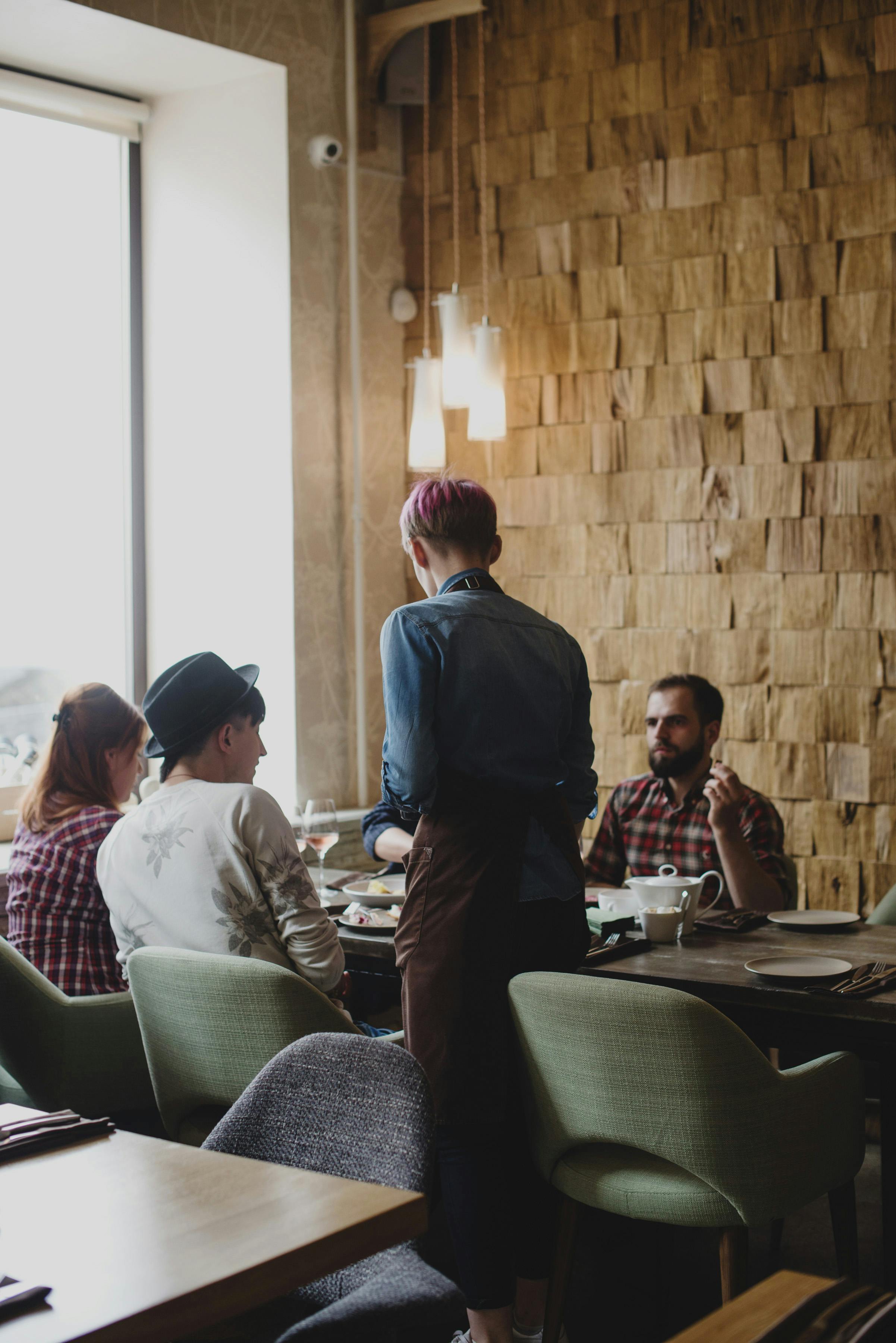
From the guest side, staying an extra 20 minutes may feel trivial. From the restaurant side, that extra time can disrupt the rhythm of the entire floor. Hosts manage reservations and walk-ins based on expected dining durations. When a table runs late, parties stack up at the entrance, quoted wait times become inaccurate, and servers get squeezed between delayed seating and unhappy arrivals.
Table turnover is not just an accounting term. In practical terms, it describes how many times one table can be used during a service period. A casual restaurant may hope to turn some tables several times during lunch or dinner. If even a few parties linger beyond the expected cycle during a rush, the effect spreads quickly across the dining room.
Servers also feel the impact directly. In many restaurants, income depends heavily on tips and the number of tables served. If one table remains occupied long after the check is closed, that server may lose the chance to seat another party. For support staff, lingering guests can also delay resetting, section balancing, and end-of-shift side work.
Managers usually avoid pushing people out because hospitality matters and confrontation can damage the guest experience. Instead, restaurants rely on softer signals: clearing everything, asking if you need anything else, dimming sections, or mentioning upcoming reservations. When diners ignore those cues, lingering stops being neutral and starts becoming a strain on operations.
Busy periods and slow periods change the answer

Timing is often the deciding factor. During peak lunch, weekend brunch, pre-theater dinner, or a fully booked Saturday night, staying long after you are finished becomes inconsiderate much sooner. If people are visibly waiting, the bar is full, and staff are moving quickly, the polite window after paying is usually short. In those moments, 10 to 15 extra minutes may be fine, but 30 to 45 can be excessive.
A slow afternoon is different. If the dining room is mostly empty, several open tables are available, and no one appears to need your seat, restaurants are often less concerned about a modest linger. In fact, some businesses welcome guests who order another beverage and relax, especially in cafes, bistros, and neighborhood spots where atmosphere is part of the appeal.
Even so, "slow" does not mean unlimited. Staff may still be changing shifts, prepping for the next service, or trying to close a section. Late afternoon can look quiet to a guest while being operationally busy behind the scenes. That is why watching staff cues matters just as much during off-peak hours as it does during a rush.
As a practical rule, the busier the room, the faster you should wrap up once the meal is clearly over. The slower the room, the more flexibility you may have, but courtesy still means noticing whether your presence creates extra work or blocks the next stage of service.
Cultural differences shape what feels normal
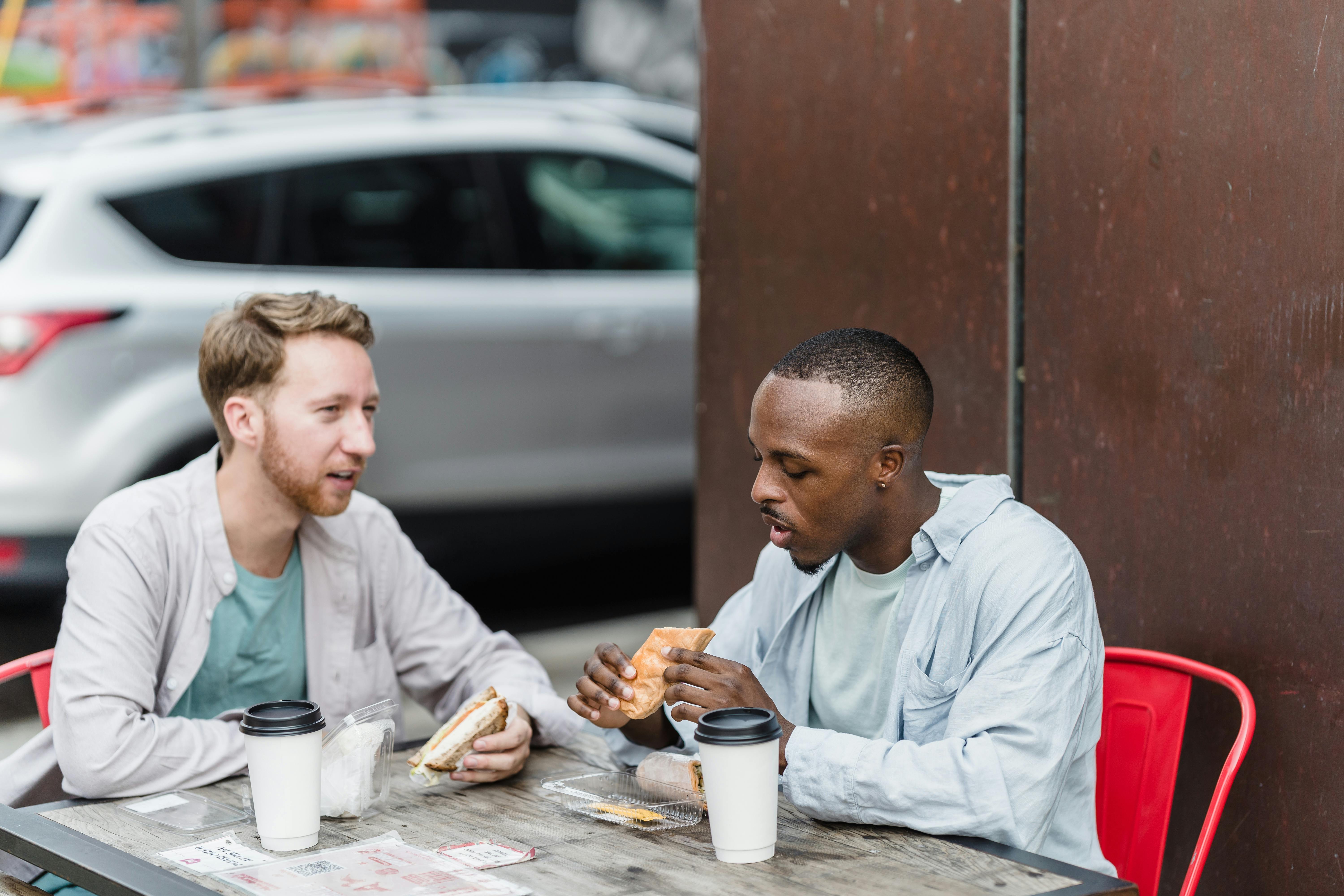
What counts as lingering varies widely by country, city, and restaurant culture. In parts of Southern Europe, Latin America, and the Middle East, meals can be social events that naturally stretch over a long period. Coffee, conversation, and a relaxed pace are built into the dining experience. In those settings, a quick turnover mindset may feel unusually rushed.
By contrast, in many U.S. urban restaurants, especially busy casual spots, turnover expectations are stronger. The meal may still be enjoyable and unhurried, but there is often an unstated assumption that tables return to circulation when dining activity ends. This is particularly true in compact restaurants where every seat affects revenue and waiting times.
Service practices also differ. In some countries, staff will not bring the check until asked, which signals that guests control the end of the meal. In others, the check may arrive proactively as part of efficient service. Misreading these local norms can create awkward moments, especially for travelers who assume their home-country customs apply everywhere.
The safest approach is to match the setting. Observe how long other guests stay, whether the staff seem to pace meals leisurely or briskly, and how often tables turn around you. Cultural sensitivity in restaurants is less about memorizing global rules and more about adapting respectfully to the place you are in.
When lingering becomes inconsiderate and what to do instead
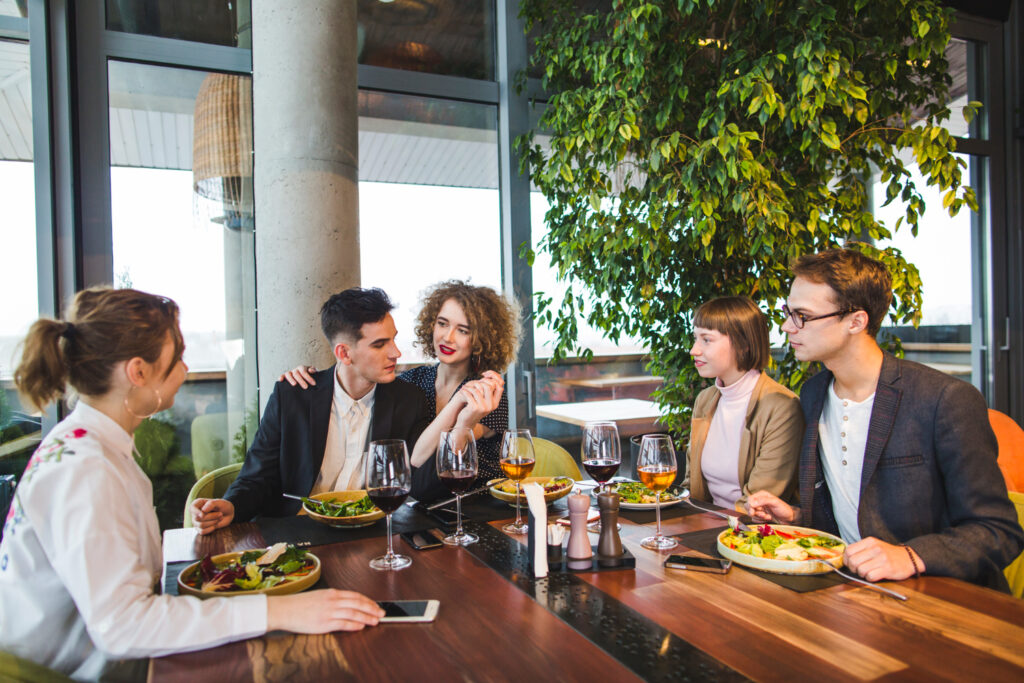
A good rule of thumb is that lingering becomes inconsiderate when your continued stay interferes with the restaurant's ability to serve others or close out service smoothly. That usually happens when you have finished eating, settled the bill, stopped ordering, and remain at the table during a busy period. It also happens when staff have given several polite cues and you continue to ignore them.
There are some clear signs. People are waiting for tables. The host is scanning the room. Your server has cleared everything and asked more than once whether you need anything else. Nearby tables are being reset quickly while yours remains occupied. Chairs may even be turned or sections partially closed near the end of the night. At that point, the message is not subtle.
A fair, practical standard for most restaurants is this: after finishing and paying, 10 to 20 minutes is usually reasonable, especially if you are wrapping up conversation and gathering belongings. Much beyond that during peak times can cross into inconsiderate territory unless you continue ordering or the restaurant is clearly unconcerned.
If you want more time, the polite move is easy. Ask if the table is needed, order something additional, move to the bar, or continue the conversation elsewhere. That protects the relaxed spirit of dining out while respecting the people who make the experience possible.


Leave a Reply