
Chinese Canadian cuisine tells a story long before the first bite. It is a record of migration, survival, reinvention, and belonging on the Canadian table.
Migration built the foundation
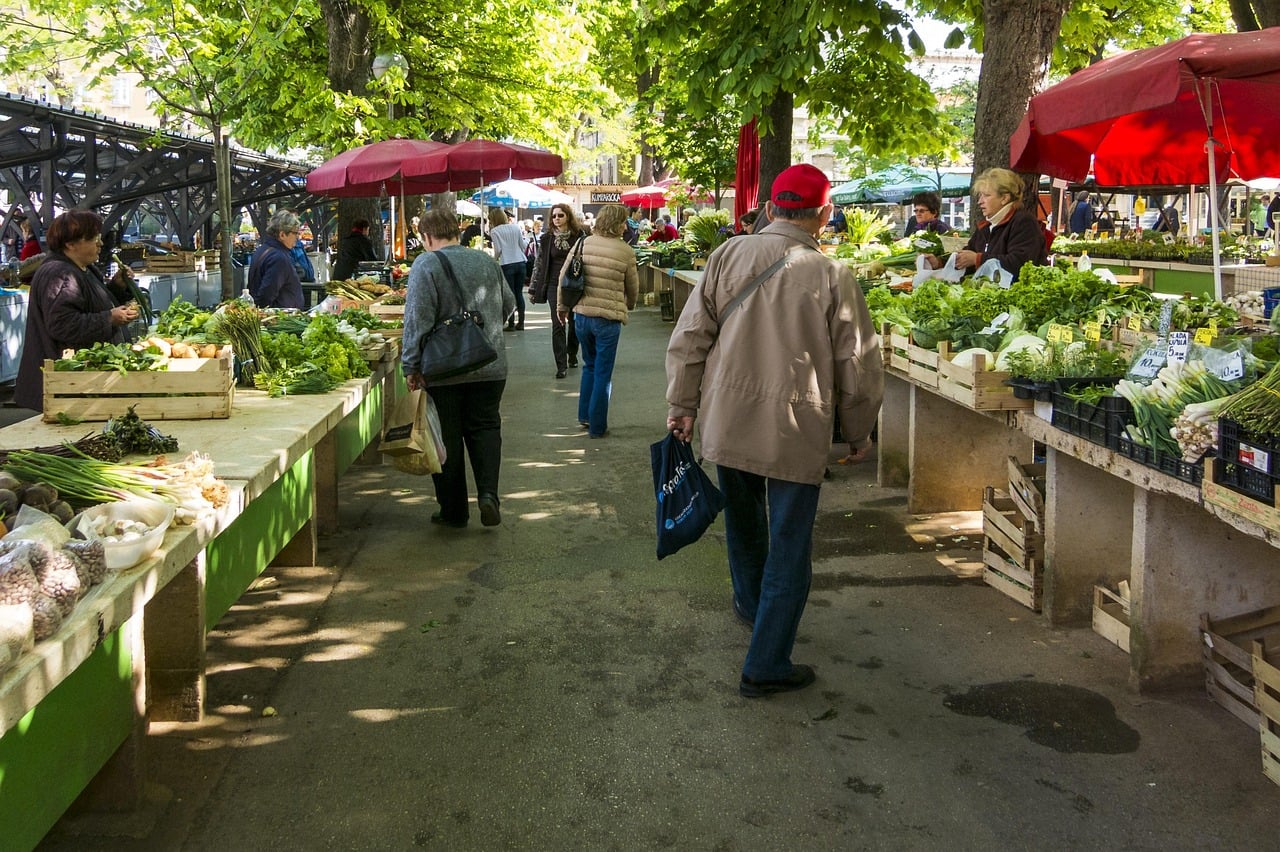
The roots of Chinese Canadian cuisine reach back to the mid-19th century, when Chinese migrants, many from Guangdong province, arrived during the Fraser Canyon Gold Rush and later worked on the Canadian Pacific Railway. These early communities brought cooking methods, preserved ingredients, and a deep understanding of how to stretch meals economically. Their food traditions were practical, regional, and closely tied to southern Chinese home cooking.
Yet the Canada they entered was often hostile. Head taxes, exclusionary laws, and widespread discrimination limited where Chinese immigrants could live and work. As a result, many turned to restaurants and cafés, one of the few businesses open to them. Food became both livelihood and public interface, which gave Chinese cooks an unusual role in shaping how non-Chinese Canadians understood Chinese culture.
That pressure changed the food itself. Restaurateurs had to work with available ingredients, unfamiliar customers, and the economics of small-town dining. Dishes became more legible to local tastes while still drawing on Chinese techniques such as stir-frying, velveting, deep-frying, and sauce balancing. In that tension between memory and market, a new cuisine began to form.
Small-town cafés changed everything
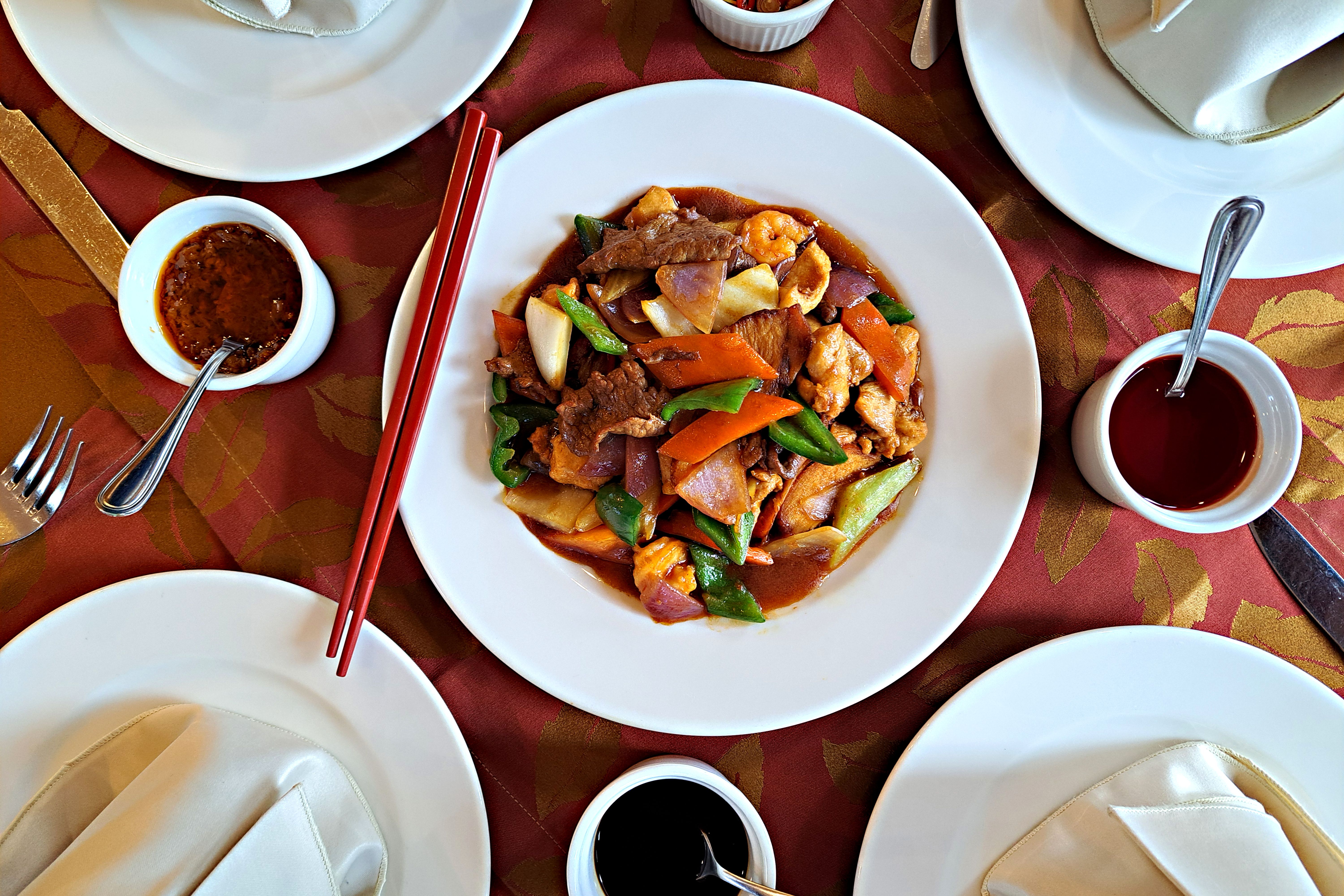
One of the most important facts about Chinese Canadian cuisine is that it was not built only in Chinatowns. It took shape in prairie towns, mining settlements, and roadside cafés from British Columbia to Manitoba. Historian John Jung and other scholars have noted how Chinese-owned cafés became fixtures in places with few immigrants but many hungry customers. These businesses often served entire communities, not just Chinese patrons.
Their menus reflected that reality. A single restaurant might offer chop suey, fried rice, roast pork, hamburgers, steaks, pie, and coffee. This was not confusion or compromise in a shallow sense. It was a sophisticated business strategy, allowing owners to stay profitable in towns where diners expected both familiarity and novelty.
Over time, this hybrid restaurant format became a defining Canadian pattern. Chinese café owners learned local eating habits, ingredient supply chains, and regional preferences with remarkable precision. In Western Canada especially, the small-town Chinese café became so common that it formed a recognizable culinary institution. The cuisine developed not in isolation, but in constant conversation with everyday Canadian life.
Canadian ingredients reshaped traditional cooking

A cuisine becomes distinct when it responds to place, and Chinese Canadian food did exactly that. Early cooks could not always access fresh Chinese greens, specialty seafood, or the full range of sauces used in southern China. Instead, they adapted with celery, onions, carrots, peas, canned pineapple, local beef, and prairie-grown vegetables. These substitutions were not temporary shortcuts. They became part of the cuisine's signature flavor profile.
This ingredient shift changed texture and taste. Canadian Chinese dishes often emphasized thicker sauces, sweeter notes, and crisp battered meats because those qualities appealed broadly and held up well in restaurant service. Ginger beef, widely associated with Calgary, is one of the clearest examples. It uses Chinese techniques and seasonings, but its crunchy strips, assertive sweetness, and deep-fried finish reflect a local invention shaped by Canadian dining preferences.
Even iconic dishes with roots outside Canada evolved differently here. Chop suey, sweet-and-sour pork, and chicken balls became staples not because they were ancient Chinese standards, but because they worked in the Canadian context. They used affordable ingredients, travelled well from kitchen to table, and delivered bold, recognizable flavours. In that sense, Canadian terroir included not only farmland, but also economics and customer expectation.
Exclusion and resilience gave the cuisine its character

Chinese Canadian cuisine cannot be understood apart from the barriers its makers faced. The Chinese Head Tax, imposed from 1885, and the Chinese Immigration Act of 1923 severely restricted migration and separated families for decades. Restaurants often depended on bachelor communities, kin networks, and labor-sharing arrangements because normal family settlement was blocked. The food business grew under conditions of exclusion, not ease.
That history helps explain the discipline and adaptability seen in so many Chinese Canadian restaurants. Men worked long hours, often seven days a week, in kitchens that doubled as engines of survival and social mobility. Menus had to be broad, prices had to stay low, and service had to win repeat business in communities where prejudice was common. Culinary flexibility was not simply creative expression. It was an economic necessity.
At the same time, restaurants became informal cultural bridges. For many Canadians, their first encounter with Chinese people happened across a restaurant counter. That created difficult expectations, but it also opened space for familiarity and trust. Over generations, Chinese food moved from being treated as foreign to being regarded as ordinary comfort food, a shift that says as much about Canadian society as it does about cuisine.
Signature dishes turned adaptation into tradition
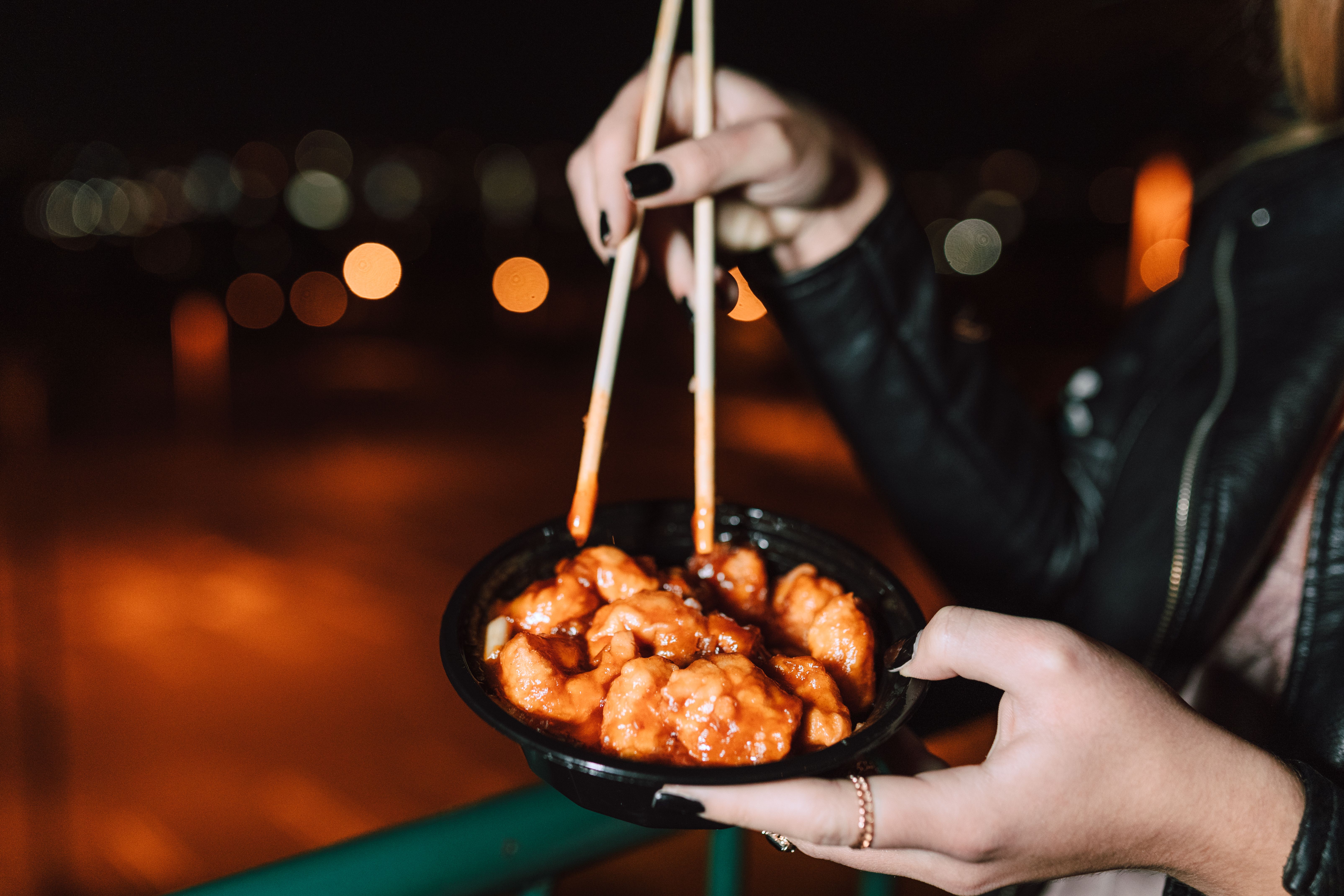
What begins as adaptation can become heritage, and that is exactly what happened in Chinese Canadian cooking. Dishes such as ginger beef, chicken balls, almond soo guy, lemon chicken, and Canadian-style sweet-and-sour pork eventually gained emotional weight far beyond their restaurant origins. Families ordered them for birthdays, hockey banquets, New Year's gatherings, and Friday night takeout. Repetition made them traditional.
Regional specialties strengthened that identity. In British Columbia, Chinese Canadian food developed alongside large Cantonese communities and access to Pacific seafood, producing a different balance than prairie café cuisine. In Alberta and Saskatchewan, heartier portions and hybrid menus remained especially influential. Newfoundland and Labrador developed their own versions of Chinese takeout classics, often tailored to local expectations around gravy, fried foods, and combo plates.
These dishes also reveal how authenticity works in real life. Food historians increasingly argue that authenticity is not fixed to a single origin point. It can also describe the truthful record of a community's lived experience. By that measure, Chinese Canadian cuisine is fully authentic to the history that produced it: immigrant, entrepreneurial, local, and constantly negotiated at the table.
A living cuisine still keeps evolving
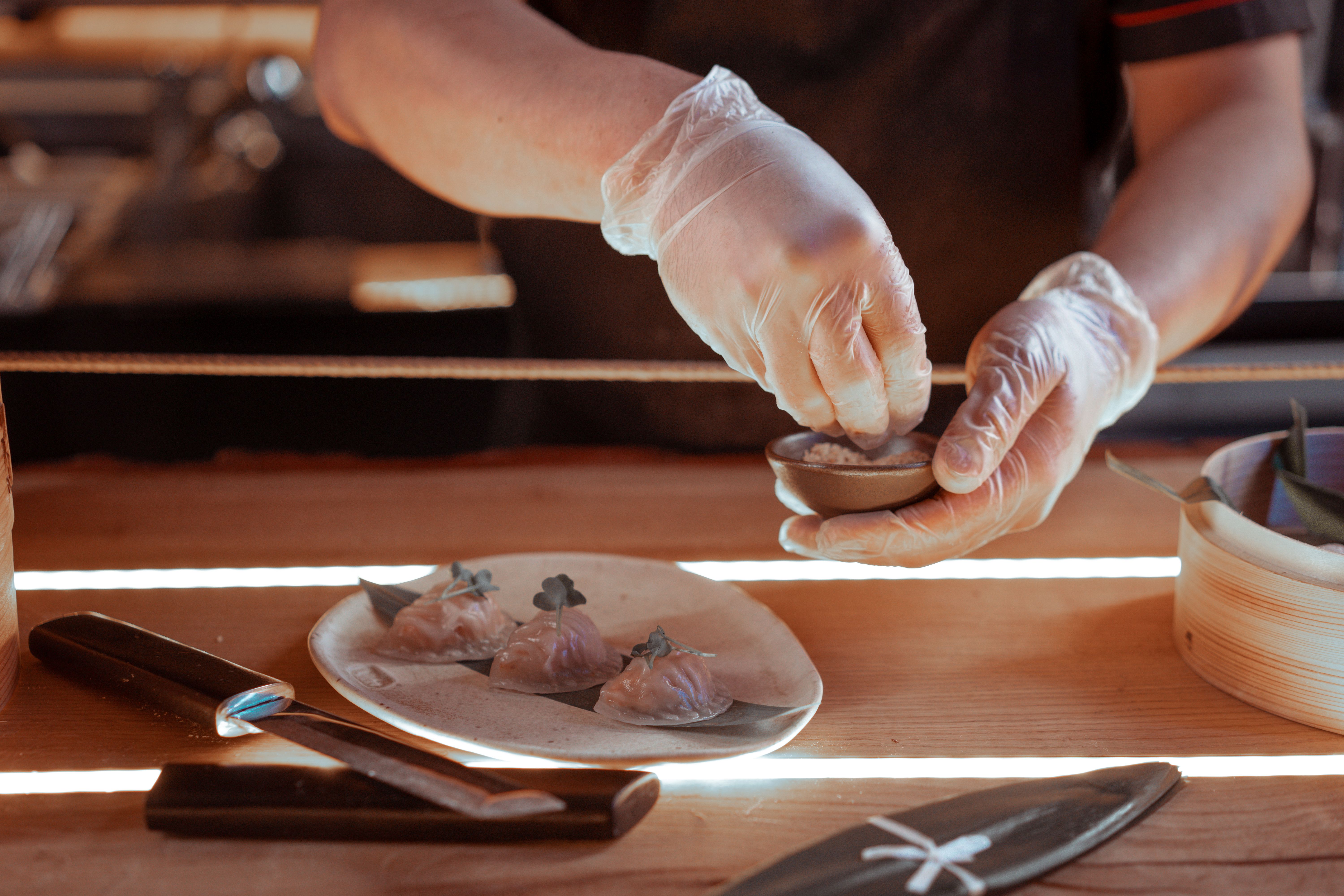
Chinese Canadian cuisine did not freeze in the era of chop suey houses. Since the late 20th century, new immigration from Hong Kong, Taiwan, mainland China, and Southeast Asia has added fresh regional influences and expanded public understanding of Chinese food. Diners in Canada can now find hand-pulled noodles, Xi'an-style dishes, Sichuan hot pot, and Cantonese seafood banquet cooking with far greater visibility. That broader landscape has not erased older Chinese Canadian dishes. It has placed them in a richer continuum.
A new generation of chefs and historians has helped reframe these foods with more confidence. Cookbooks, documentaries, and museum exhibitions have treated prairie café menus and Canadian Chinese classics as serious cultural history rather than curiosities. Scholars such as Lily Cho and community researchers across the country have shown how food archives migration, racism, labor, and belonging in unusually vivid ways.
Today, Chinese Canadian cuisine stands as its own category because it earned that status over time. It is not simply Chinese food modified for Canada, nor merely nostalgia for takeout. It is a distinct culinary tradition shaped by exclusion, ingenuity, geography, and memory, and it continues to evolve with every generation that claims it.




Leave a Reply