
Long winters did not just shape Canada's landscape. They shaped its kitchen with equal force.
Winter made food planning a survival skill

In much of Canada, winter once meant deep snow, frozen rivers, and long stretches with little fresh produce. Before railways, refrigeration, and imported groceries, families had to think months ahead. Food was not simply about taste. It was a strategy for making it through a season that could isolate whole communities.
That pressure produced diets built around storage, transport, and nutrition. Root vegetables, dried legumes, grain porridges, smoked meats, and preserved fish all lasted when gardens were buried. In northern and rural regions, keeping edible calories available through January and February mattered as much as harvesting them in August.
Indigenous communities had long mastered this logic. Across the Arctic, Subarctic, and boreal forest, food systems were designed around seasonal movement, preservation, and total use of animals. Settler communities later developed their own winter food traditions, but many of the most effective methods already existed in Indigenous knowledge.
Preservation techniques turned short harvests into long security

A Canadian growing season can be productive, but in many regions it is brief. That is why drying, smoking, fermenting, salting, and rendering fat became central techniques. These methods extended the life of fish, game, berries, and meat, often without needing constant fuel or complex storage conditions.
Pemmican is one of the clearest examples. Developed by Indigenous peoples of the Plains and boreal regions, it combined dried lean meat, rendered fat, and sometimes berries into a dense, shelf-stable food. Traders and voyageurs adopted it because it delivered extraordinary energy in compact form and stayed usable for long periods.
Salt fish played a similar role in Atlantic Canada. Cod could be split, salted, and dried for storage through winter or shipment abroad. Smoked salmon on the Pacific coast, dried char in northern regions, and preserved goose or caribou inland all reflect the same principle: when winter blocks access, preservation becomes insurance.
High-calorie meals were built for cold and hard work

Cold weather raises energy demands, especially for people chopping wood, hauling water, trapping, fishing, or traveling by sled. Traditional winter foods therefore often seem heavy by modern standards, but they matched daily needs. Fat, starch, and protein were practical fuel, not indulgence.
Tourtière in Quebec is a useful example. This meat pie, often made with pork, beef, veal, or game, packed protein and calories into a durable dish that could feed a household over several meals. Paired with potatoes, gravy, or pickled vegetables, it offered warmth, satiety, and ingredients that were widely available.
Stews and boiled dinners served the same purpose across the country. Beans with salt pork, split pea soup, bannock with grease or drippings, and thick barley soups turned modest supplies into sustaining meals. Long simmering also softened tougher cuts of meat, extracted flavor from bones, and made efficient use of every edible part.
Traditional foods also protected health in dark months

Winter was not only a test of calories. It was also a test of nutrient access. When fresh greens disappeared, communities relied on foods that could still supply vitamins, minerals, and essential fats. The most resilient cuisines were those that balanced storage life with nutritional value.
Wild berries were crucial in many Indigenous foodways. Blueberries, cranberries, cloudberries, and Saskatoon berries could be dried or frozen naturally in cold climates. They added flavor, but also valuable vitamin C and antioxidants at times when deficiency could become dangerous.
Marine foods were equally important. Oily fish, seal, and other traditional northern foods supplied vitamin D and omega-3 fats that supported health during months of limited sunlight. Organ meats and broths also mattered because they concentrated nutrients. What looks rustic today was often nutritionally sophisticated in ways modern eaters are only beginning to appreciate again.
Regional dishes reflect local climates and ecosystems
There is no single Canadian winter diet because the country spans Arctic tundra, prairie grassland, temperate coast, and Atlantic shore. Traditional foods evolved from what each region could hunt, grow, catch, or preserve. Climate set the challenge, but local ecology determined the menu.
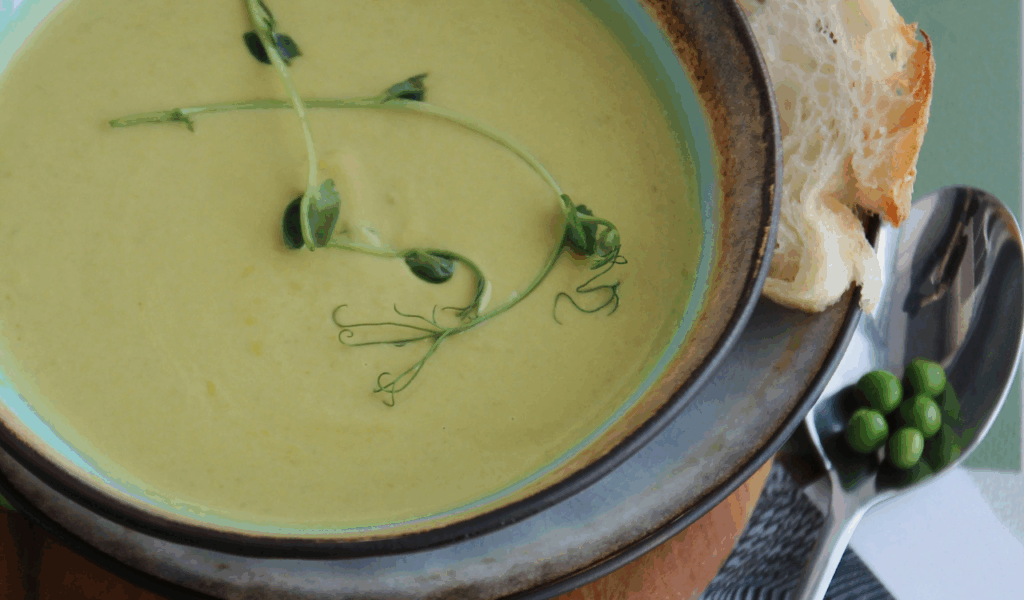
In Newfoundland and Labrador, dishes like fish and brewis and Jiggs dinner came from salted fish traditions and practical pantry staples. In Quebec, pea soup, cretons, and tourtière answered cold weather with pork, grains, and long-cooking recipes. On the Prairies, bison, pemmican, and root cellaring reflected mobility, hunting, and harsh seasonal swings.
In the North, country foods such as caribou, Arctic char, seal, and bannock remained central because imported food was expensive and often unreliable. On the Pacific coast, salmon preservation and sea resources shaped winter eating. Across regions, the pattern stayed consistent: durable food, dense nutrition, and techniques adapted to place.
These foods still matter because the old logic still holds
Traditional winter foods are not relics. They remain living evidence of how people adapted intelligently to climate, geography, and scarcity. Today, chefs, historians, and nutrition researchers increasingly recognize that these dishes encode knowledge about resilience, local ecosystems, and efficient nourishment.
They also reveal whose knowledge built survival in Canada. Indigenous preservation methods, harvesting practices, and seasonal food planning were foundational, even when later histories minimized that contribution. Any serious discussion of Canadian food must acknowledge that winter survival often depended on Indigenous expertise first.
Modern kitchens may have freezers, supermarkets, and global imports, yet the old principles still make sense. Eat seasonally when possible, preserve abundance, respect nutrient density, and waste little. Canadian traditional foods were designed for long winters, but their deeper lesson is timeless: good food is a form of preparedness.




Leave a Reply