
Milk in Canada is not sold in a free-for-all market. Behind every bag of milk, block of cheddar, and carton of cream is a system that has quietly shaped how Canadians shop for dairy for more than 50 years.
Why supply management was created in the first place
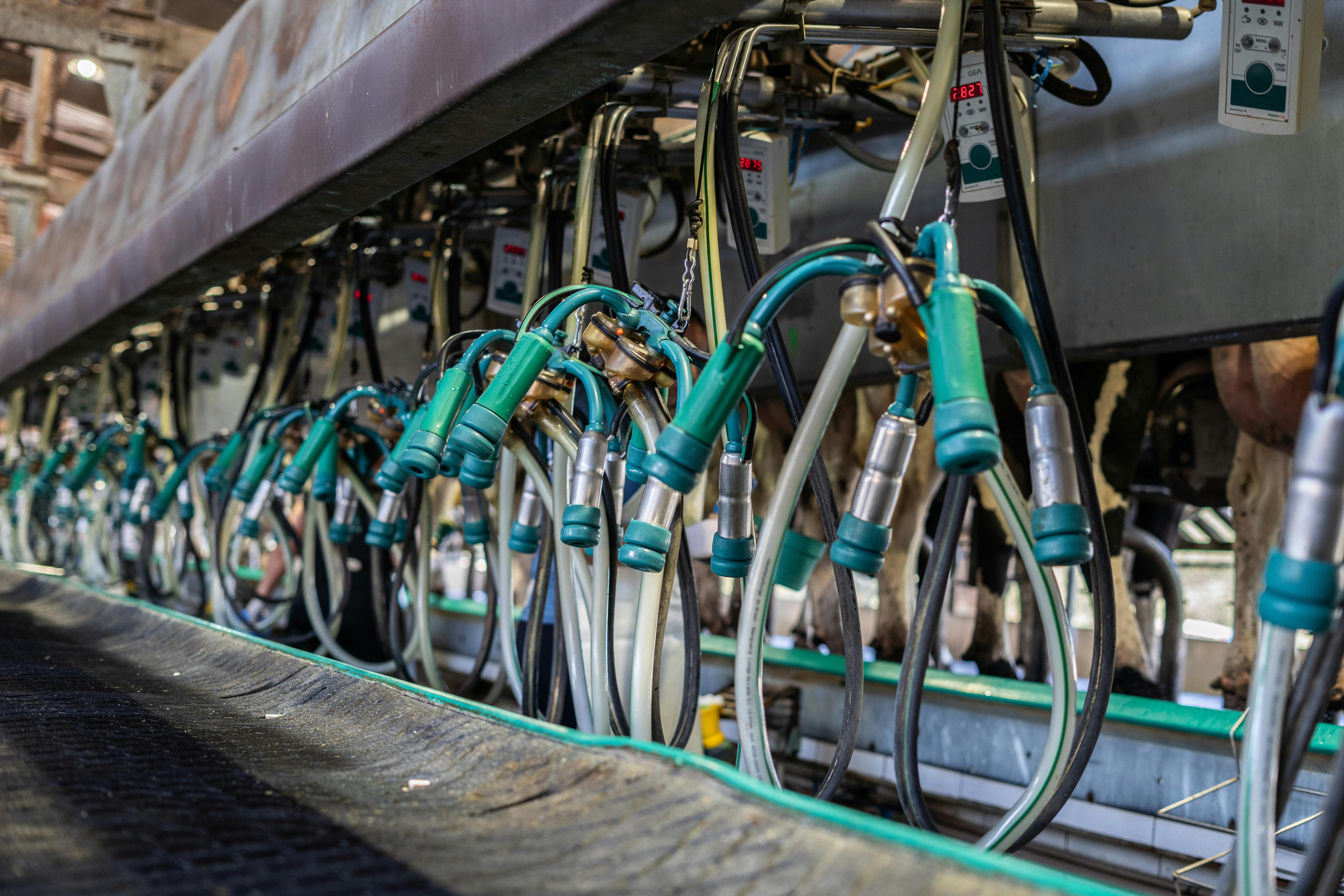
The story starts with instability. In the 1960s and early 1970s, Canadian dairy farmers faced sharp price swings, uneven production, and frequent surpluses that could not be sold profitably. Too much milk on the market pushed prices down, and many farmers struggled to cover costs. Governments and producer groups wanted a system that would stop boom-and-bust cycles and give farms a more predictable future.
That led to supply management, a policy framework built on three pillars: production control, administered pricing, and import protection. Farmers receive quotas that determine how much milk they can produce, which helps match national output to Canadian demand. Prices paid to farmers are set through formulas that reflect production costs, including feed, labour, and capital expenses. Imports are limited through tariff rate quotas, with very high tariffs applied beyond those limits.
For consumers, that changed dairy from a volatile commodity into a stable household staple. Canadians became used to seeing relatively steady prices and dependable supply on store shelves. While weather, feed costs, and global disruptions still matter, the system reduced the kinds of dramatic swings common in less regulated dairy markets.
How the system changed prices at the grocery store
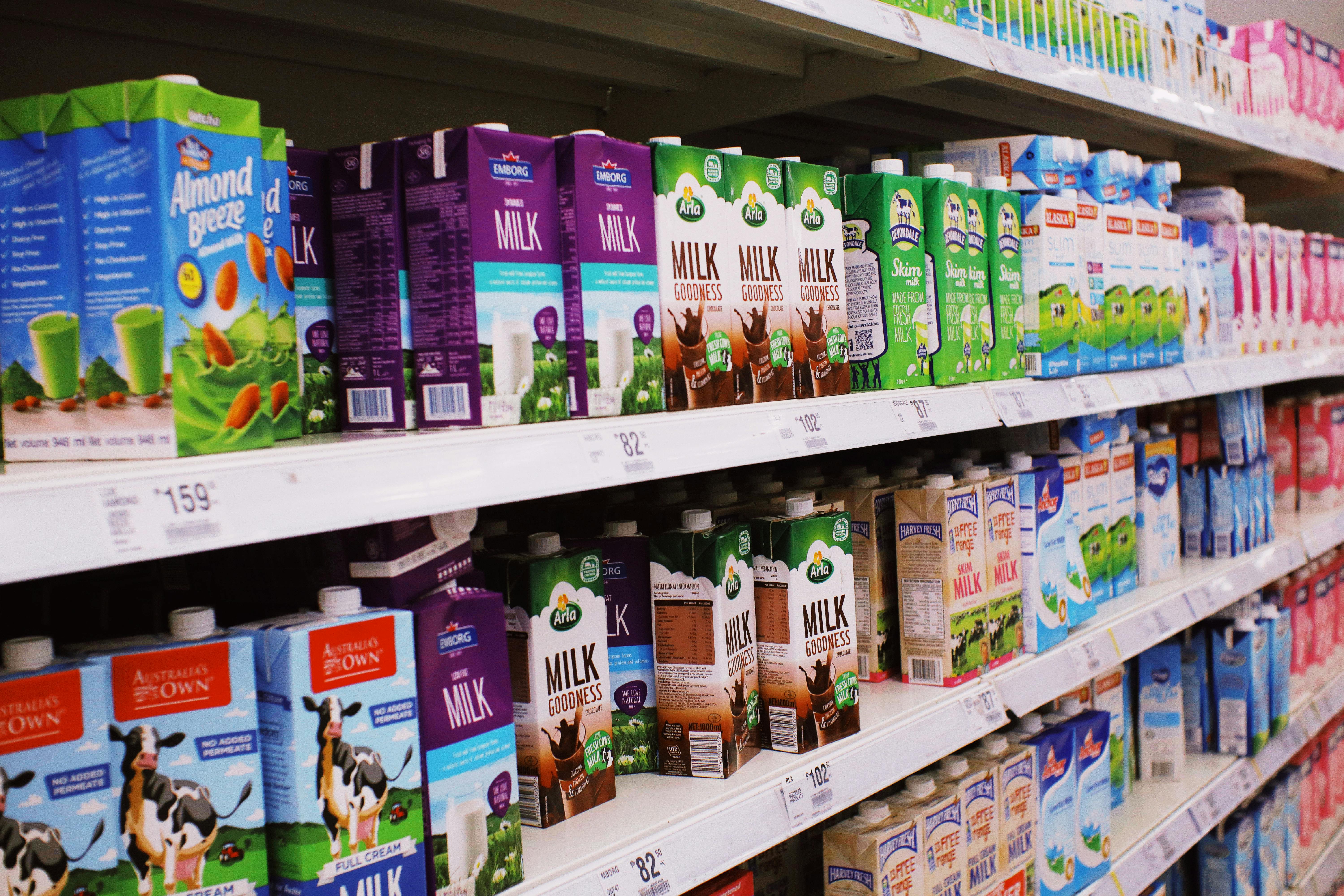
The biggest effect most Canadians notice is price. Supply management generally keeps farm-gate prices above what a fully open global market might produce, especially when world dairy prices fall. That does not mean every product is always more expensive than in other countries, because exchange rates, retail competition, transportation, and packaging also affect shelf prices. But economists and consumer advocates have long argued that the system contributes to higher average dairy costs.
Supporters counter that the comparison is not so simple. In countries without supply management, dairy farmers often rely on direct government subsidies, emergency aid, or insurance-style support when markets crash. Canada, by contrast, tends to support dairy farmers through the marketplace rather than through large taxpayer-funded subsidy programs. In practical terms, consumers pay more directly at the checkout instead of indirectly through taxes.
This has influenced buying habits in subtle ways. Canadians are often more price-aware when purchasing cheese, butter, and specialty dairy products. Households may switch between brands, buy more store labels, or wait for promotions, particularly as food inflation squeezes budgets. At the same time, milk remains a routine purchase, and many consumers accept its pricing as part of Canada's broader food system.
What Canadians see on shelves and why choice feels different
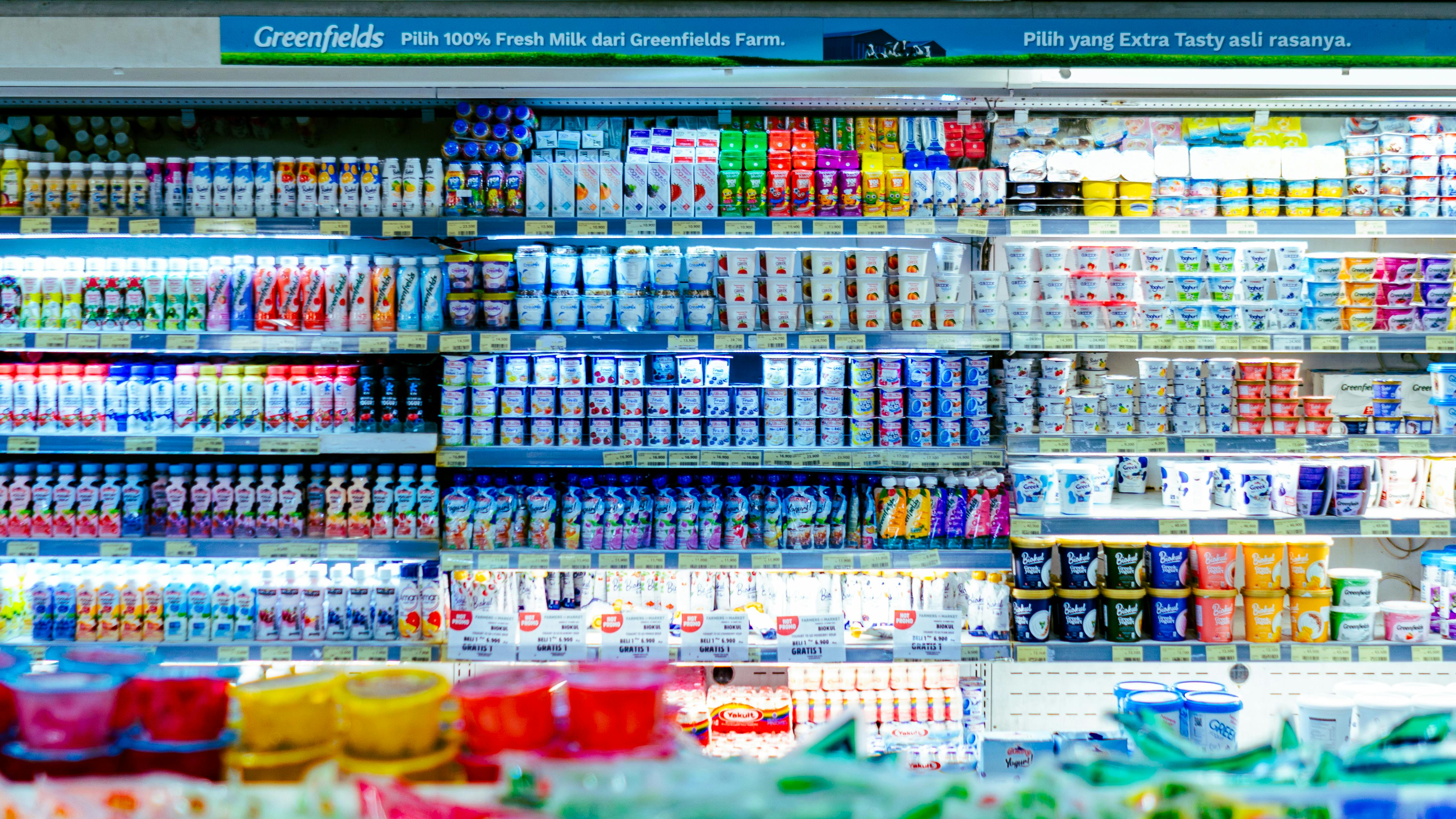
Walk into a Canadian grocery store and the dairy section feels abundant, but it is also carefully structured. Supply management encourages stable domestic production, so Canadian-made milk, yogurt, butter, and cheese dominate the shelves. Major processors such as Saputo, Agropur, and Lactalis Canada work within this framework, turning controlled farm supply into a reliable stream of retail products.
Yet the range of imported dairy products is narrower than in more open markets. Tariff protections make many foreign cheeses, milk powders, and specialty dairy products expensive unless they enter under negotiated quotas. That is one reason some Canadians have noticed that certain European or American products are limited, seasonal, or priced as premium items. Choice exists, but it is filtered through trade rules.
This shelf reality has helped shape consumer expectations. Canadians became accustomed to buying domestic cheddar over cheaper imported alternatives and to treating some foreign cheeses as occasional splurges. It also helped create a market where local origin matters more than many shoppers realize. In dairy, buying Canadian is often not just patriotic branding. It is built into the structure of the market itself.
How dairy farming and rural communities were transformed

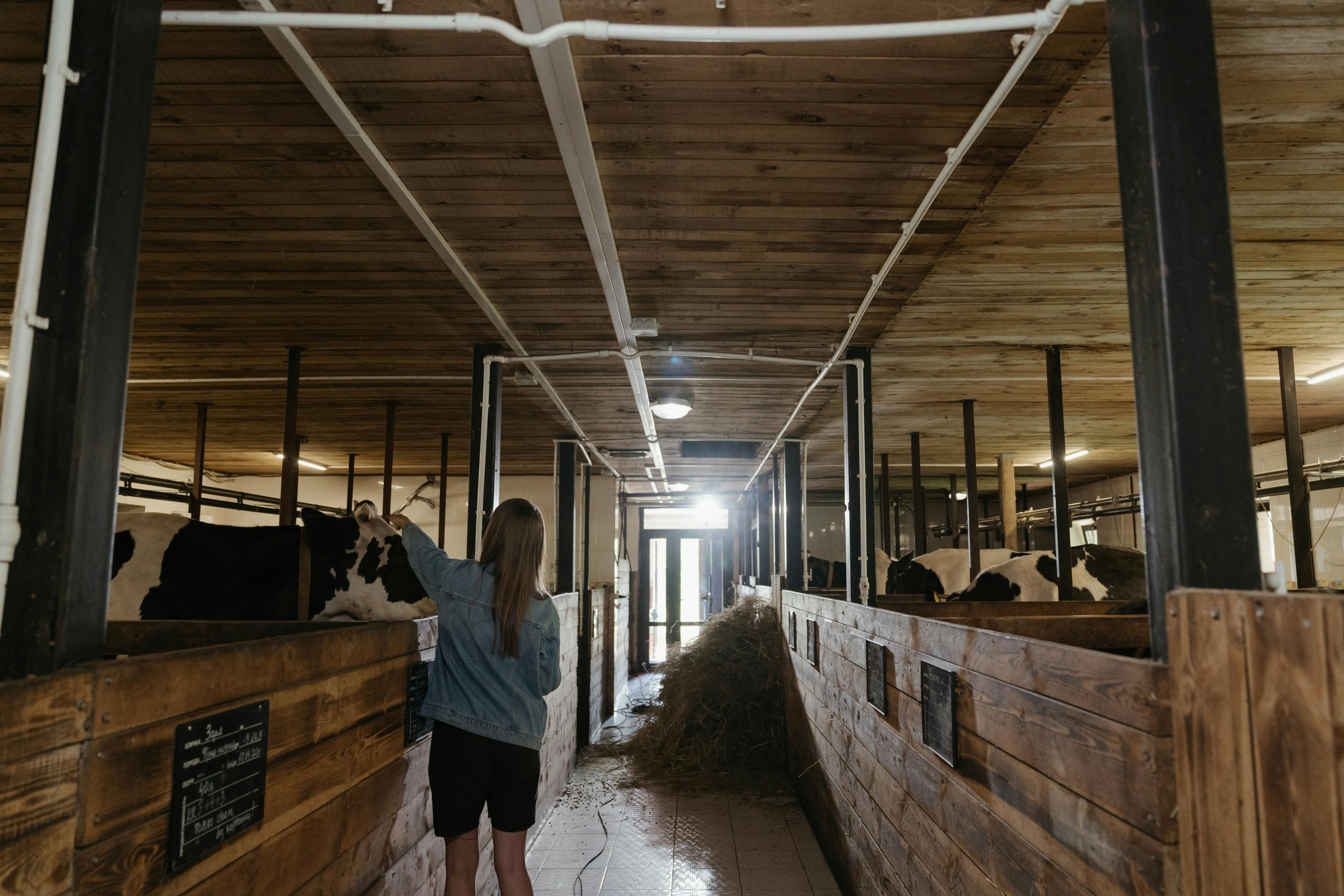
One of the system's clearest effects has been on farm survival. Supply management gave dairy producers predictable revenue, making it easier to plan investments in barns, milking systems, genetics, and animal care. That stability helped many family farms remain viable across generations, especially in Quebec and Ontario, which account for most of Canada's dairy production. In many rural areas, dairy became one of the most dependable pillars of the local economy.
The system also changed the type of farm that succeeds. Because production rights are tied to quota, entering the sector can be expensive. Quota values have reached levels that make expansion or first-time entry difficult without major financing or family transfer. Critics say this creates barriers for young farmers and favors established operations, even if it protects farm income overall.
For consumers, this matters more than it may seem. The milk in Canadian fridges often comes from a sector built around fewer market shocks and stronger domestic production capacity. During periods of international turbulence, including pandemic-era disruptions, that stability became more visible. Canadians may debate cost, but they also benefit from a dairy supply chain designed to avoid sudden collapse.
Trade deals, public debate, and pressure for reform
No part of supply management escapes political debate for long. Trade negotiations have repeatedly put Canada's dairy protections under pressure, including deals with Europe and Pacific nations and the Canada-United States-Mexico Agreement. In each case, Canada preserved the core system but granted more access to foreign dairy products. That has slowly chipped away at the domestic market share reserved for Canadian producers.
These concessions have had a real effect on what consumers can buy. More imported cheeses and specialty dairy items have entered the market under trade commitments, expanding selection in some categories. At the same time, Ottawa has offered compensation programs to dairy farmers to offset losses linked to those agreements. That has reinforced the central political bargain: preserve supply management, but soften the impact of trade openings.
Public opinion remains divided. Many Canadians support local farmers and value food security, while others see the system as outdated and costly. According to reporting by CBC, Reuters, and major Canadian policy institutes over the years, the core argument has barely changed: stability and domestic control on one side, affordability and competition on the other.
Why the system still shapes how Canadians buy dairy today

The most important point is that supply management changed not just production, but consumer behavior. It trained shoppers to expect fresh domestic milk, fewer shortages, and a dairy case led by Canadian brands. It also normalized higher prices in exchange for stability, even if many people do not realize that tradeoff is happening every time they shop.
Today, Canadians buy dairy in a market that feels ordinary precisely because the system has made it predictable. Retailers plan around stable domestic supply. Processors innovate within a protected framework. Families compare prices, but they do so in a marketplace where the broad rules have already been set long before they reach the refrigerated aisle.
That is why supply management remains so consequential. It shaped what is available, what it costs, who produces it, and how much foreign competition reaches the shelf. For decades, it has quietly influenced everyday buying decisions, turning dairy into one of the clearest examples of how public policy can shape the most routine part of household life.




Leave a Reply