
Living alone should mean buying less. In practice, many Canadians discover it often means paying more.
That mismatch is not an accident. It is built into how modern grocery stores package, price, promote, and place food on the shelf.
Why solo shoppers often pay the highest unit prices
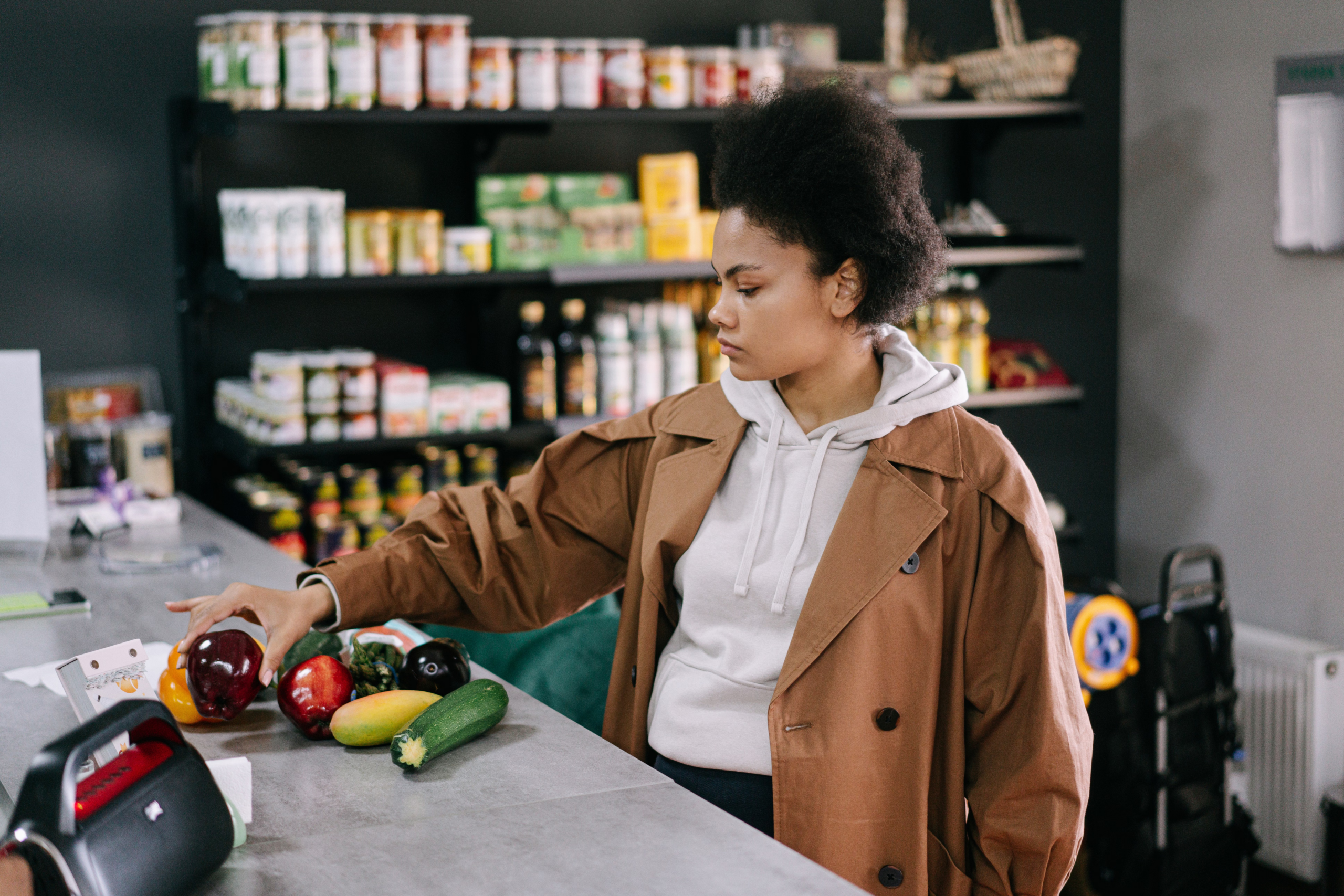
Here is the first trap: smaller households buy in lower volumes, but stores frequently attach the best value to larger pack sizes. A family-sized tub of yogurt, a 10-pack of chicken thighs, or a 2.5 kg bag of rice usually carries a lower per-unit cost than the smallest option beside it.
For one person, that sounds reasonable until spoilage enters the picture. If part of the food expires before it is used, the apparent savings disappear. The solo shopper is then pushed into a lose-lose choice: overbuy and waste food, or buy small and pay a premium.
This pricing logic appears across produce, dairy, frozen foods, and pantry staples. Industry analysts have long noted that retailers use pack architecture to guide shoppers toward higher total basket values, even when the per-serving need is much lower.
In Canada, where food inflation has remained a major household concern in recent years, that penalty hits solo renters especially hard. A person living alone does not just buy less food. They often buy less efficient packaging, less promotional volume, and fewer items that qualify for bulk value.
Multi-buy promotions are built for larger households
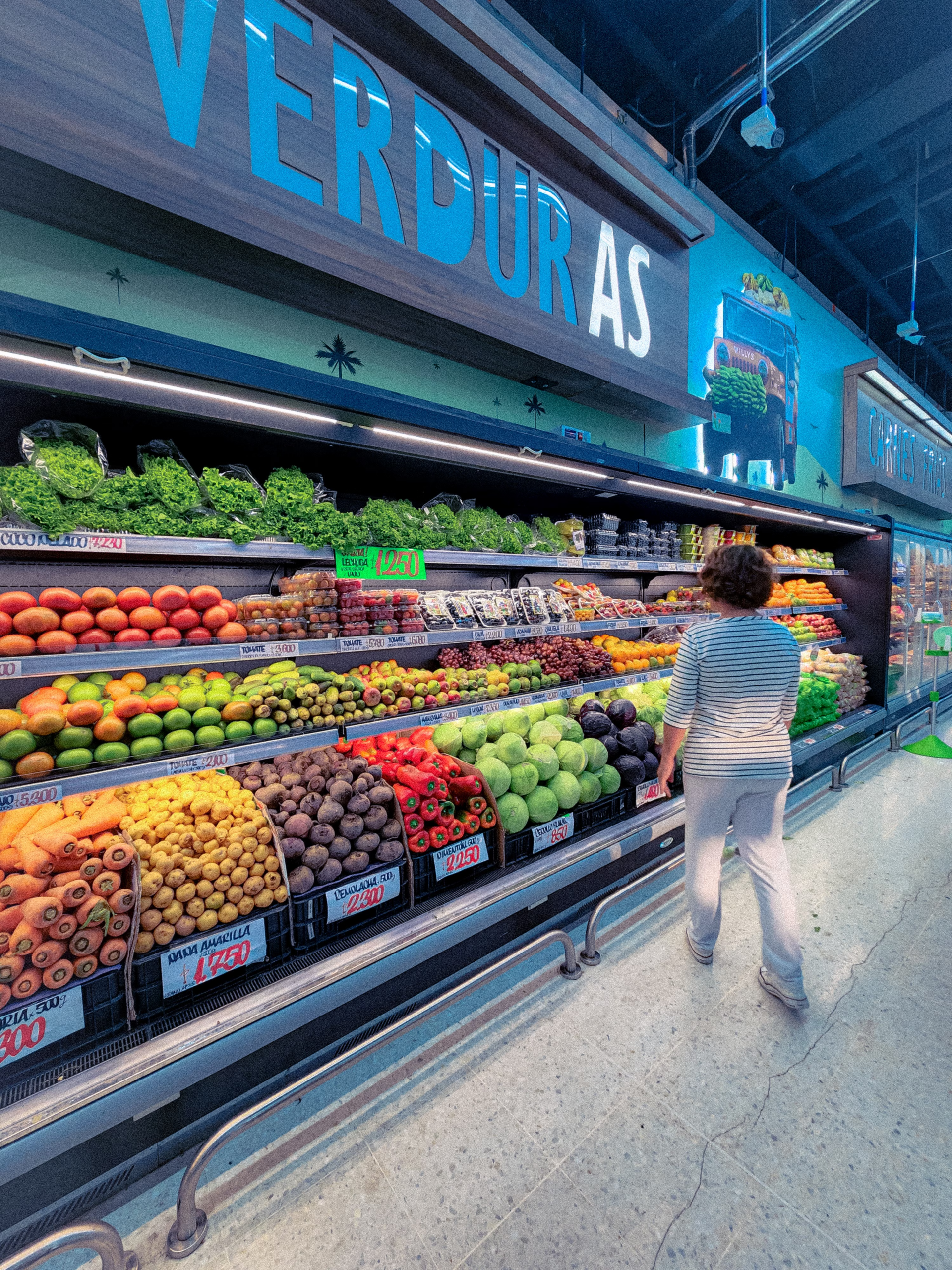
Walk through any major grocery chain and the pattern is obvious. Signs advertise 2 for $5, 3 for $10, or member-only discounts that reward buying multiple units rather than one.
For a family, these deals can be useful. For a solo shopper, they create pressure to spend more upfront on items that may not be needed immediately, especially with bread, salad kits, berries, dairy, and snack products that have short shelf lives.
Some Canadian grocers now display a single-item price beside the multi-buy offer, but the psychology still works in the store's favor. Behavioral retail experts have shown that people anchor on the perceived deal and often buy more than planned to avoid feeling they missed savings.
That matters because the cheapest grocery bill is not always the one with the best sticker discounts. It is the one with the least waste, the fewest impulse additions, and the strongest match between purchase size and actual consumption.
Store layouts quietly raise the cost of living alone
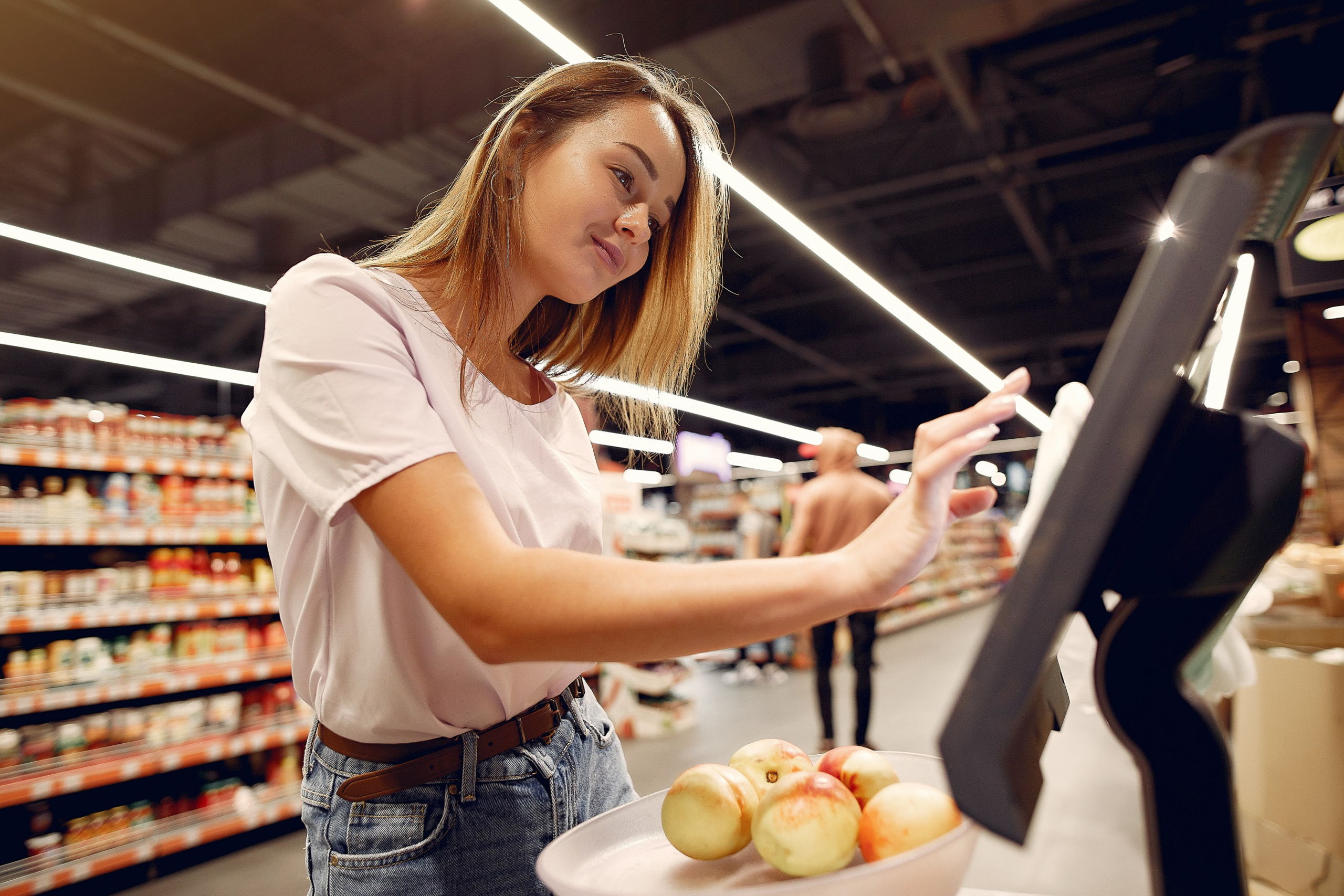
A solo household shops differently. Smaller kitchens, less storage, and tighter cash flow often lead to more frequent trips, and that pattern benefits retailers.
Every extra visit creates another chance for impulse purchases. Ready meals, single-serve desserts, cut fruit, drinks, and grab-and-go items are positioned precisely where rushed shoppers will see them first. These products are convenient, but they usually carry some of the highest margins in the store.
Many people living alone also shop without a car, especially in larger cities such as Toronto, Vancouver, and Montreal. That limits how much they can carry and makes warehouse clubs or stock-up trips harder to use effectively, pushing them toward neighborhood stores with higher everyday prices.
Convenience is not neutral in grocery retail. It is monetized. The more often a shopper needs to top up a few items, the more likely they are to pay premium prices for immediacy, location, and smaller-format packaging.
Prepared foods and single portions carry a heavy markup
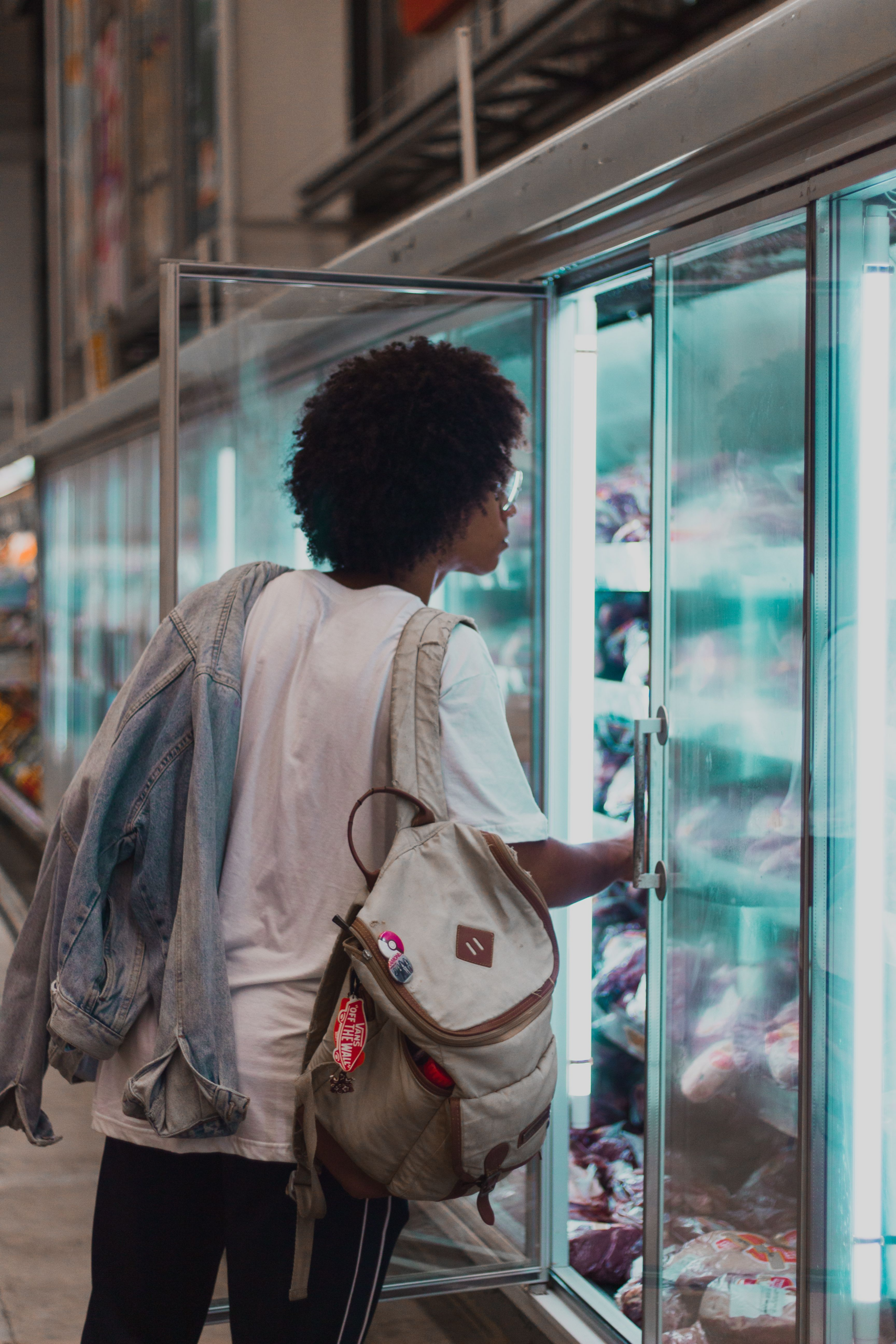
One-person households are heavily targeted by the prepared-food economy. Rotisserie portions, microwave dinners, chopped vegetables, bagged salads, and snack-size proteins are sold as practical solutions for time-poor people who do not want leftovers.
The convenience is real, but so is the markup. On a per-kilogram basis, pre-cut produce can cost several times more than whole vegetables. Individual oatmeal cups, salad bowls, and pasta trays routinely cost far more than making the same meal from basic ingredients.
Retailers understand the emotional side of solo shopping too. After work, many people do not want to cook a full recipe for one. Stores respond by merchandising comfort, speed, and minimal cleanup, all of which are profitable features, not consumer favors.
That does not mean prepared food is always a mistake. It means it should be treated as a deliberate tradeoff. If you buy convenience, buy it knowingly, and compare the cost per meal with a batch-cooked alternative before assuming it is the economical choice.
Smart ways to beat the solo-living grocery premium
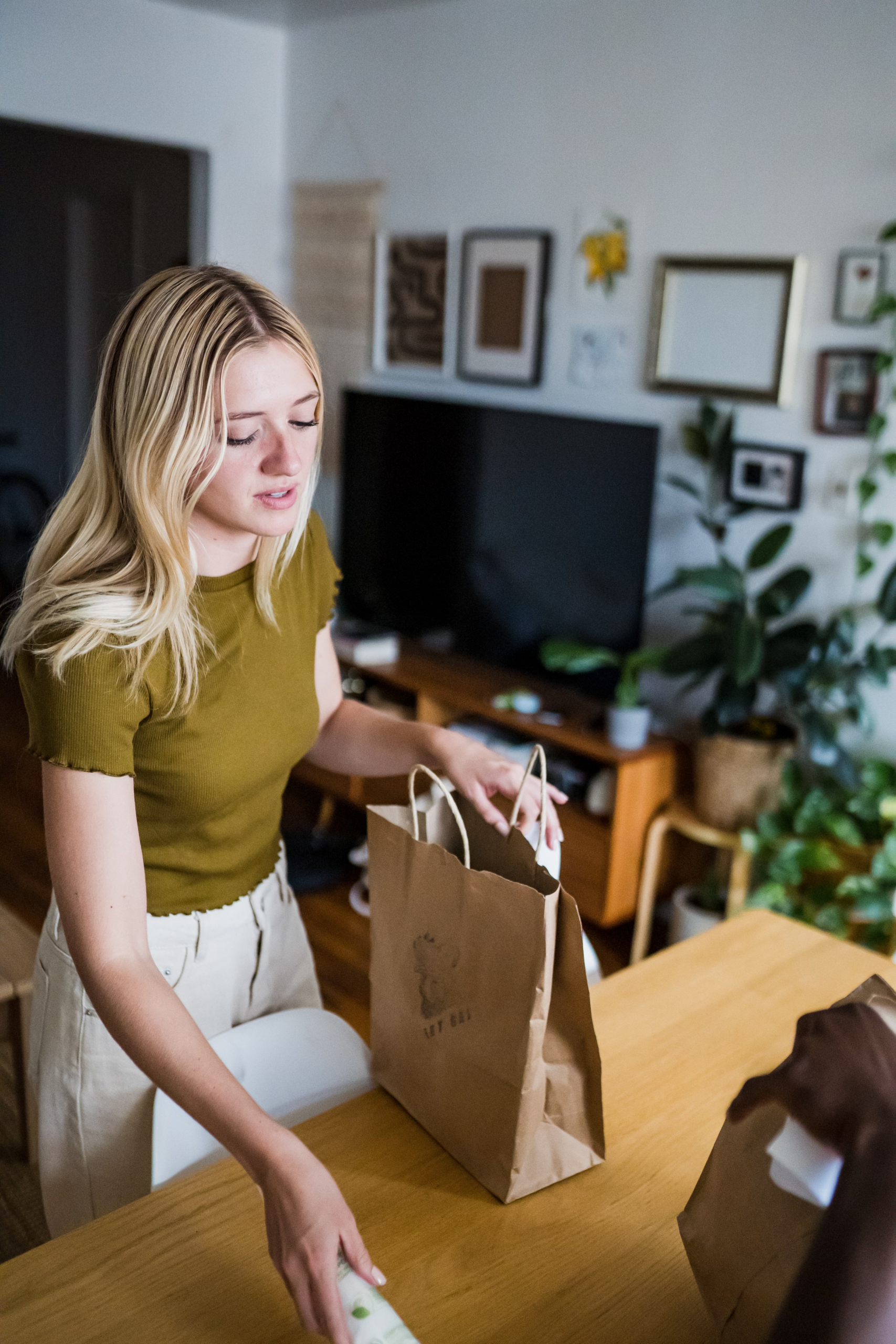
The most effective counterstrategy is to shop by unit price, not package appearance. Read shelf labels carefully and compare cost by 100 g, kg, or litre so you can spot when a smaller pack is wildly overpriced.
Next, build a freezer-first routine. Bread, cooked rice, tortillas, shredded cheese, soups, meat portions, and many vegetables freeze well. Freezing turns family-size value into solo-household practicality and sharply reduces spoilage.
A short, repeatable meal plan also saves more than ambitious weekly cooking. Think 4 or 5 core ingredients used across several meals, such as eggs, potatoes, spinach, beans, and chicken. This approach cuts waste while keeping variety through different seasonings and formats.
Finally, use price matching, loyalty offers, discount racks, and early markdown timing. In many Canadian stores, meat, bakery items, and produce are reduced at predictable hours. Learning those rhythms can lower your bill without forcing you to overbuy.
The goal is not perfection but a lower cost per meal
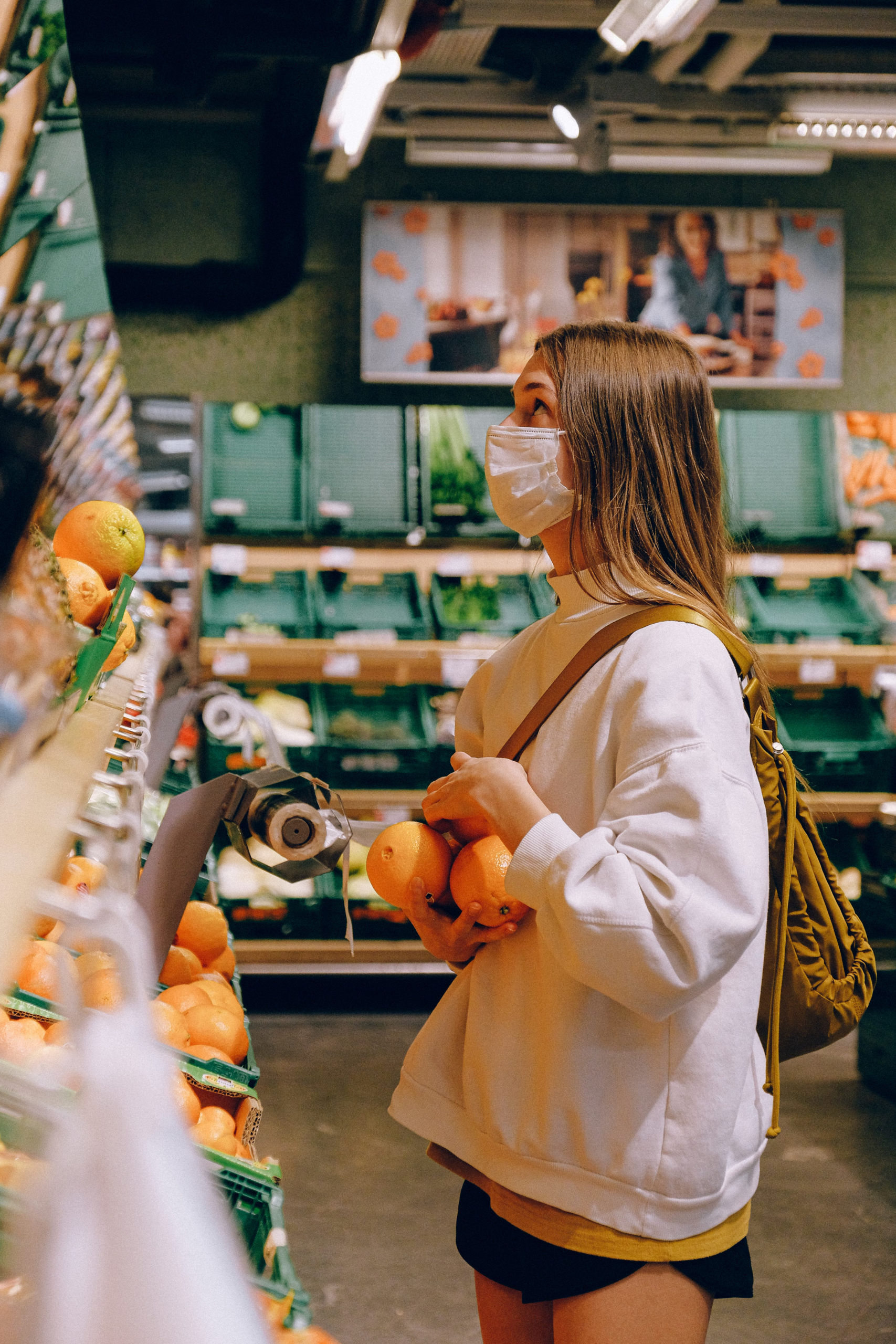
Solo shoppers do not need to outsmart every retail tactic. They only need a system that reduces waste, limits extra trips, and avoids paying convenience premiums too often.
A practical rule is simple: buy staples in larger quantities only when they freeze well, store well, or are used constantly. Everything else should be purchased in the amount you can realistically finish before quality drops.
It also helps to track your cost per meal for two weeks. Most people quickly identify the expensive leaks: frequent top-up trips, too many single-serve foods, and produce bought with good intentions but not eaten in time.
Canada's grocery stores did not create solo living, but they have learned how to profit from it. Once you see the pattern, you can shop in a way that fits your life rather than the retailer's margin strategy.



Leave a Reply