
Heinz ketchup sits on Canadian tables as both a household staple and a political symbol. That tension is now hard to ignore.
Why Heinz Is Considered Deeply Canadian

The clearest starting point is the product itself. Kraft Heinz has said that roughly 70% of the ingredients used in Heinz ketchup sold in Canada are sourced domestically, a figure that has helped the brand present itself as meaningfully Canadian despite its foreign parent company.
That number matters because it points to more than marketing. Tomatoes, sugar, and other inputs tied to local farming and processing connect the bottle to Canadian supply chains, workers, and transport networks in a way consumers can easily understand.
The company has also emphasized manufacturing in Mont Royal, Quebec, where ketchup for the Canadian market is produced. For many shoppers, local production and local ingredients are stronger markers of national identity than the passport of a distant corporate headquarters.
The Ownership Question Keeps Returning
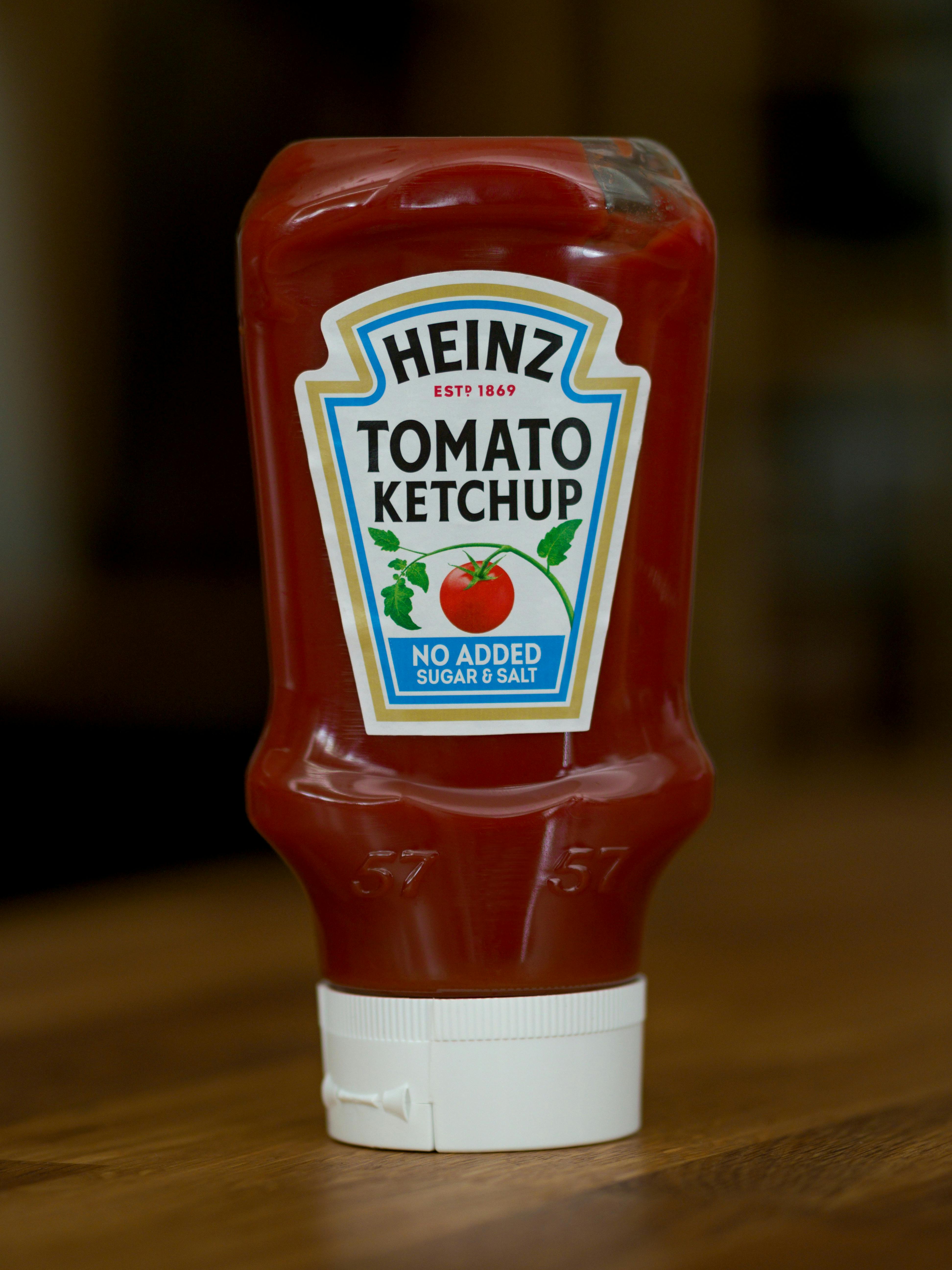
Here is where the issue becomes more complicated. Heinz may be rooted in Canadian agriculture and food manufacturing, but Kraft Heinz is a U.S.-based multinational, and that ownership structure places the brand in a different category when trade tensions flare up.
Consumers often treat ownership as a shorthand for allegiance. In periods of tariff disputes or buy-local campaigns, a brand can be judged less by where it hires, sources, or produces, and more by where profits ultimately flow and where executive control sits.
That distinction is not unique to Heinz. Many products now sold as local success stories are part of cross-border corporate systems, which means public perception can shift quickly when politics turns a familiar grocery item into a test of economic nationalism.
Why Tariffs Put Familiar Brands Under Pressure

Trade policy tends to feel abstract until it reaches the supermarket shelf. When tariffs or retaliatory measures enter public debate, highly recognizable brands like Heinz become easy symbols because shoppers already know them and can compare them with domestic alternatives in seconds.
According to reporting around Canada-U.S. trade friction, food products frequently become part of larger political messaging, even when the direct tariff impact is limited. The visibility of the label matters almost as much as the economics behind the product.
That is why Heinz attracts attention out of proportion to a single bottle of ketchup. It stands at the intersection of agricultural policy, corporate ownership, consumer identity, and the emotional pull of buying something that feels unmistakably homegrown.
The Canadian Consumer Is Looking More Closely
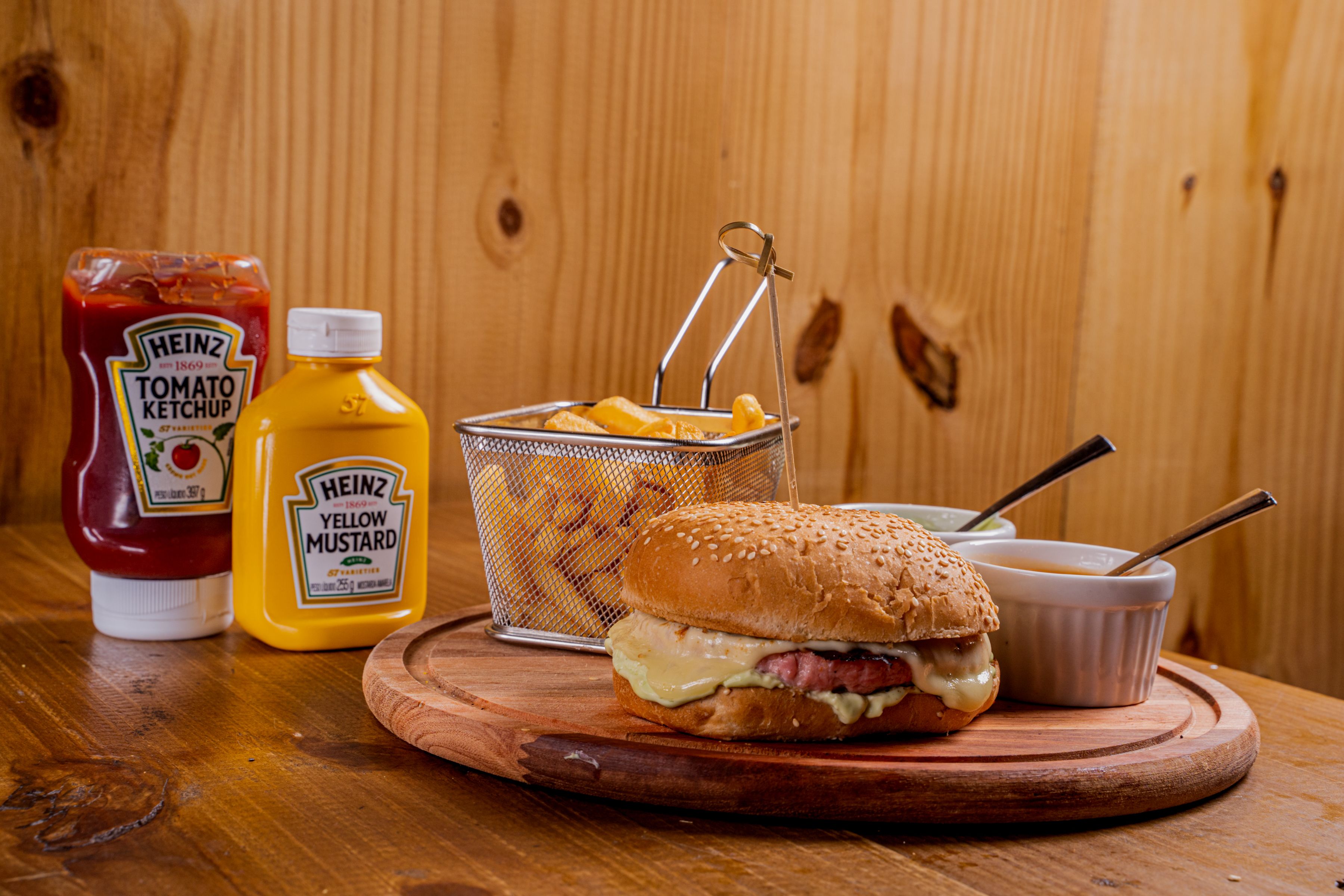
What makes this moment different is the level of scrutiny consumers are bringing to everyday purchases. Shoppers are increasingly reading labels, checking country-of-origin statements, and asking whether "made in Canada" means Canadian-owned, Canadian-sourced, or simply Canadian-packed.
Those are not trivial questions. A product can support Canadian jobs while sending dividends elsewhere, and that reality creates a gray zone for households trying to align spending with national loyalty during periods of economic stress.
In that environment, Heinz faces both an advantage and a vulnerability. Its strong Canadian production footprint gives it a credible local story, but its U.S. ownership leaves it exposed to criticism from consumers who want every layer of a purchase to be domestic.
What This Means for Heinz and Its Rivals

Brands in this category now have to explain themselves with precision. It is no longer enough to rely on a maple leaf, a familiar slogan, or broad claims about local heritage when consumers and policymakers are asking more exact questions about sourcing and control.
For Heinz, the likely response is continued emphasis on Canadian ingredients, Canadian workers, and Canadian manufacturing. That message is factually meaningful, and it may resonate with buyers who care most about economic activity happening inside the country.
Rivals, especially smaller Canadian-owned food companies, may still see an opening. If tariff anxiety deepens, they can position themselves as fully domestic alternatives, arguing that ownership is the final test of whether a food brand is truly Canadian.
A Modern Brand Can Be Local and Foreign at Once

The Heinz debate reveals something bigger than ketchup. In a globalized economy, brands are often layered identities, local in sourcing, regional in manufacturing, and international in ownership, which makes simple labels increasingly inadequate.
That complexity helps explain why the tariff spotlight feels so intense. People are not just debating a condiment. They are debating what counts as Canadian economic participation at a time when supply chains span borders but political pressures push consumers toward clearer national choices.
Heinz is unlikely to lose its place in Canadian kitchens overnight. But the conversation around it shows that in today's market, where a product is made is only part of the story, and who owns it may matter more than ever.




Leave a Reply