
A routine lunch item is now the focus of a serious food safety alert. Consumers in Alberta are being urged to check sandwiches they may have recently bought or received.
What the recall involves
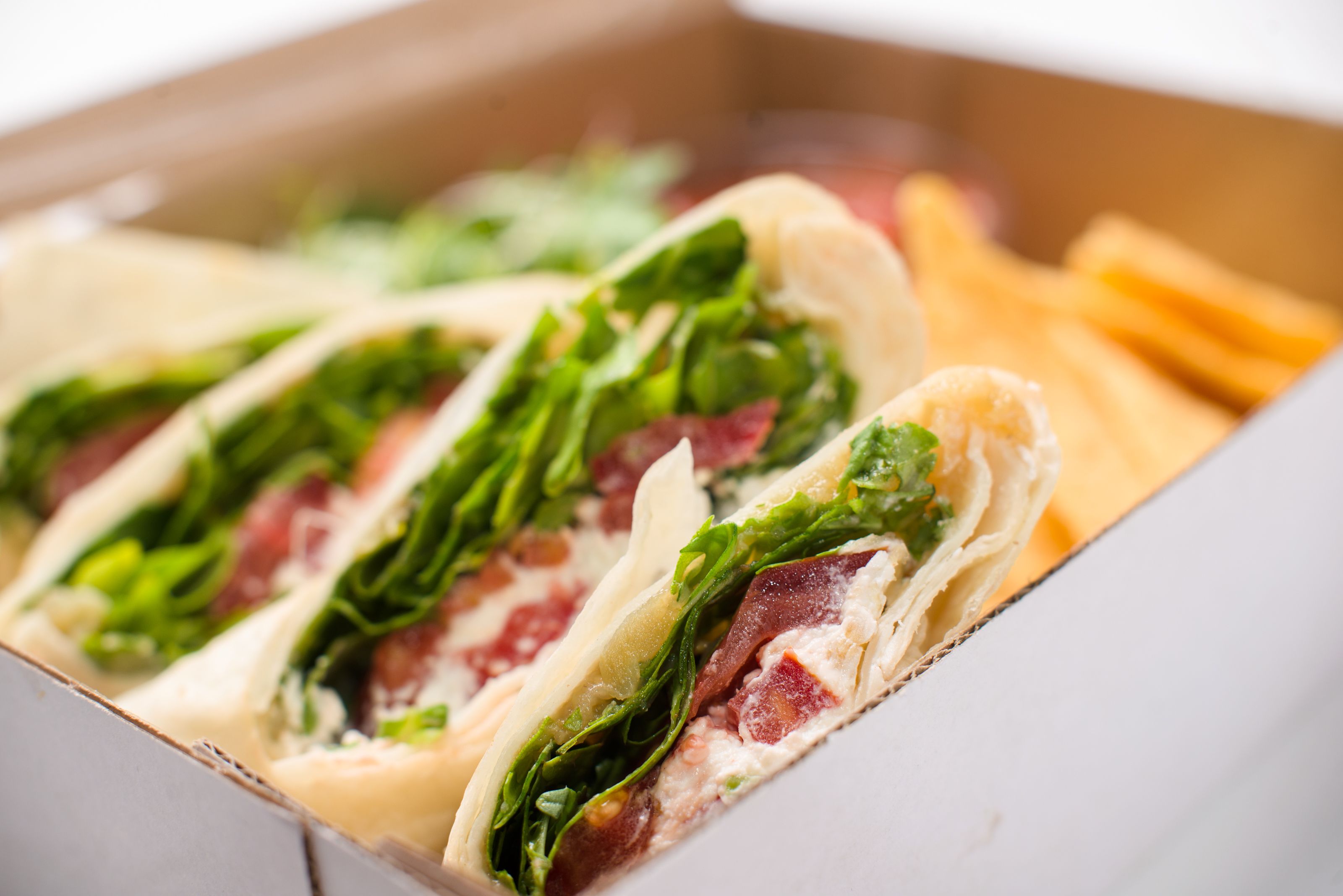
Several ready-to-eat sandwich products sold in Alberta have been recalled because of possible contamination with Listeria monocytogenes. According to the Canadian Food Inspection Agency, the recall mainly affects Fresh & Local brand and Fresh Bites brand sandwiches linked to Calgary-based Fresh Bites Inc.
The products were distributed through channels many people use without much thought, including convenience stores, airlines, and quick-service restaurant chains. That matters because ready-to-eat foods are often consumed immediately, leaving little chance for consumers to reduce risk through cooking or reheating.
So far, regulators say there have been no reported illnesses connected to the recall. Even so, recalls of this type are treated with urgency because listeria contamination can be dangerous, especially when the affected food is widely distributed and requires no further preparation.
Why listeria is taken so seriously
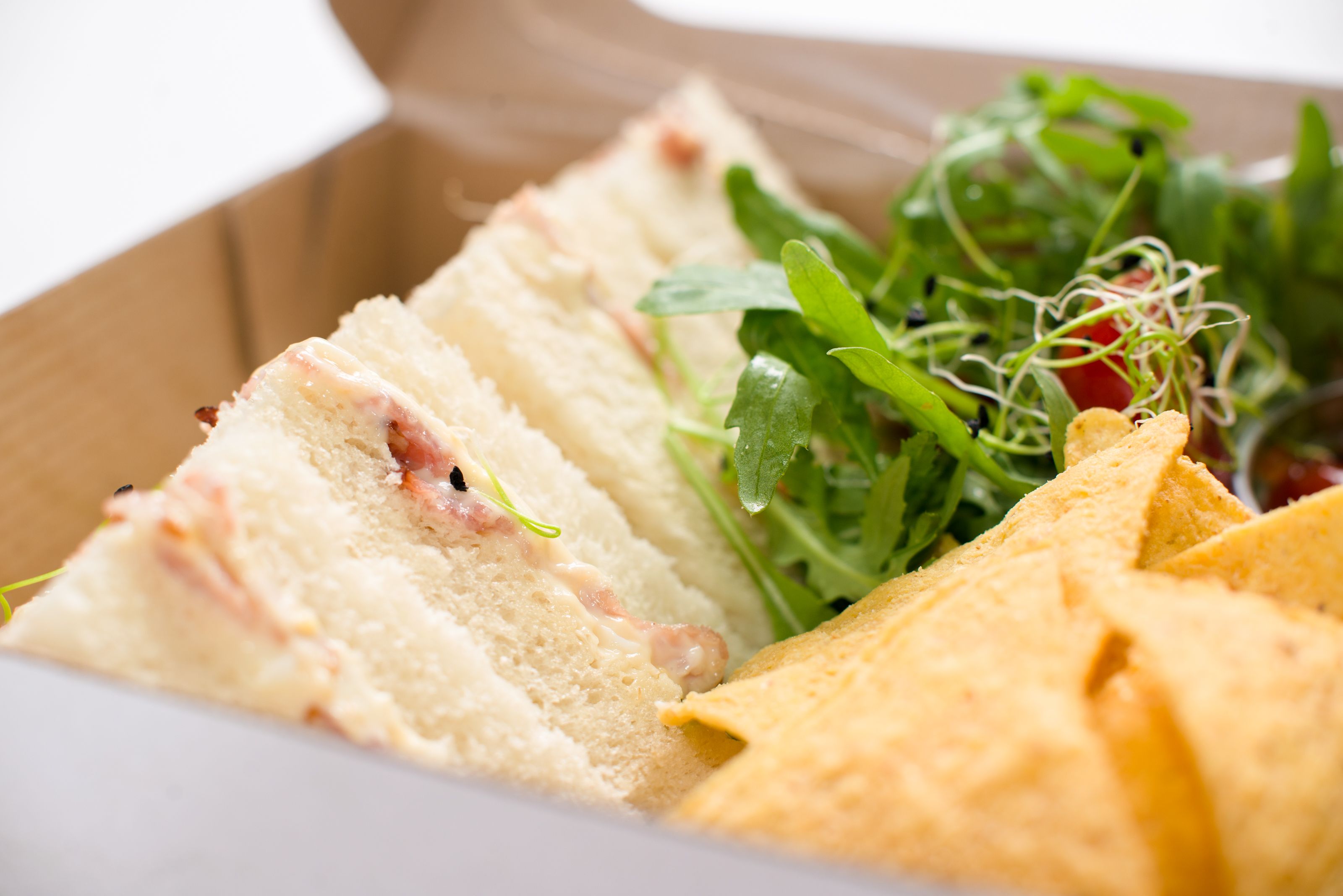
Listeria is not like spoilage that announces itself with an off smell or obvious discoloration. Public health officials repeatedly warn that contaminated food can appear completely normal while still carrying bacteria capable of causing serious infection.
Symptoms can include vomiting, nausea, fever, and muscle aches. In more severe cases, the infection can lead to complications such as bloodstream infection or meningitis, particularly in older adults, pregnant people, newborns, and anyone with a weakened immune system.
One of the most concerning features of listeria is that symptoms may not appear right away. Illness can develop days or even weeks after exposure, which can make it harder for people to connect what they ate with how they later feel.
What officials and the company are doing

The CFIA has said it is conducting a food safety investigation into the recalled sandwiches. The agency is also working to verify that the affected products have been removed from circulation, a critical step in preventing additional exposure.
Fresh Bites said it initiated the recall in co-operation with the CFIA. In a statement reported by CBC News, the company said it understands that recalls are concerning and that it is taking the matter seriously.
The company also said production at its Calgary facility has been suspended. That is a notable move, because pausing operations during an active investigation can help contain potential problems while inspectors and company officials determine what went wrong and what corrective steps are needed.
What consumers should do now
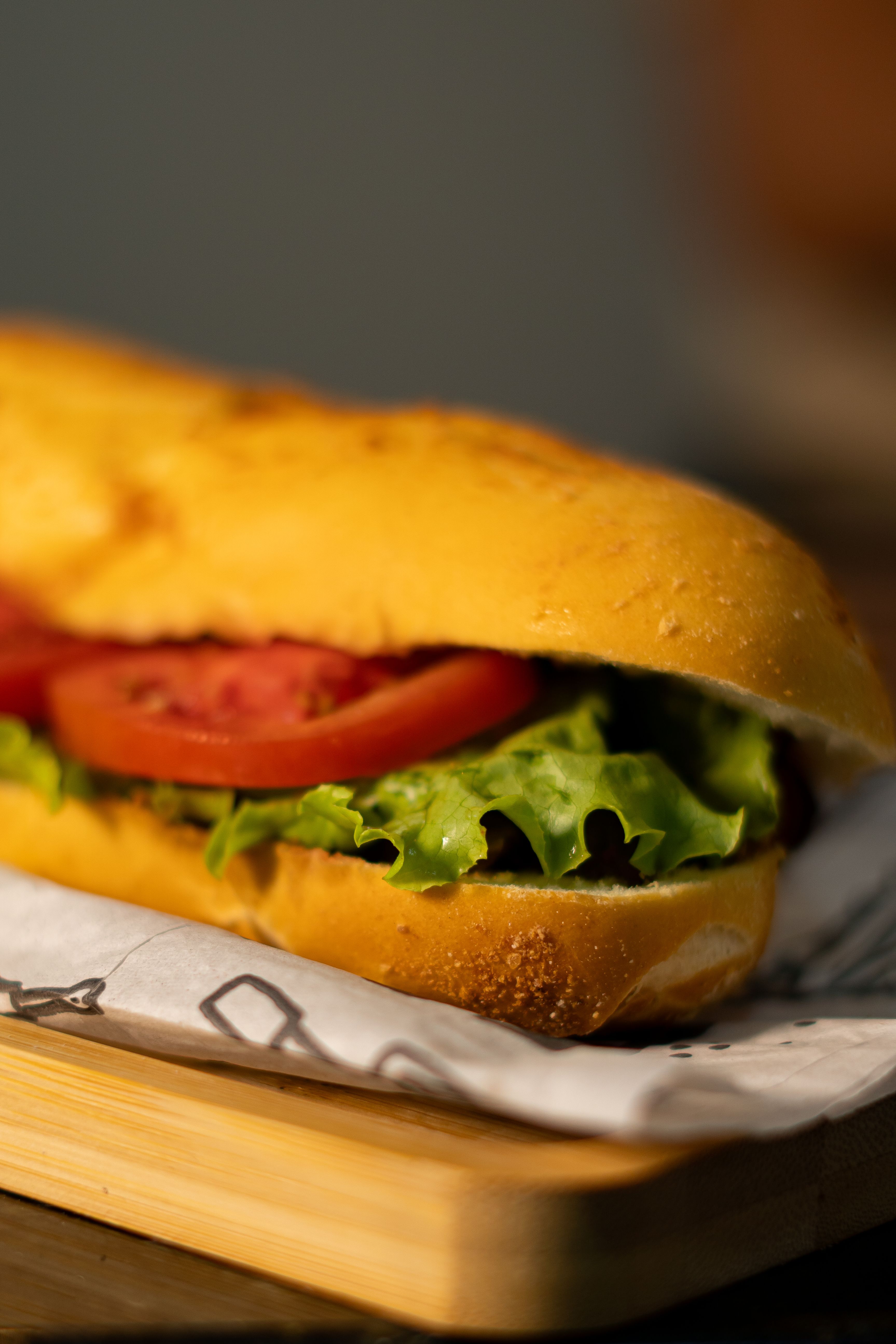
Anyone who has purchased sandwiches under the recalled brands should not eat them. The safest approach is to throw the products away or return them to the place of purchase, especially if packaging details match the recalled items identified by authorities.
People should also clean any surfaces, lunch bags, or refrigerator shelves that may have come into contact with the sandwiches. Listeria can persist in food preparation environments, which is one reason food businesses and households alike are advised to treat possible contamination carefully.
If you have already eaten one of the recalled sandwiches, there is no need to panic. But it is wise to monitor for symptoms such as fever, nausea, vomiting, or unexplained aches, and seek medical advice if symptoms develop or if you are in a higher-risk group.
Why ready-to-eat foods face extra scrutiny
Prepared foods like sandwiches sit in a category that food safety experts watch closely because they are handled multiple times before sale. Ingredients such as deli meats, cheese, sauces, and cut vegetables can each introduce contamination risks if controls fail at any point in production.
Unlike raw foods that are typically cooked before eating, ready-to-eat products depend heavily on sanitation, temperature control, and strict facility procedures. That makes every stage, from ingredient sourcing to assembly, packaging, storage, and transport, important in preventing contamination.
This is also why recalls involving prepared foods often receive broad public attention. A single production issue can affect many units quickly, particularly when a supplier serves commercial clients such as airlines and chain food outlets.
The broader lesson from this recall

This recall is a reminder that food safety alerts are not only for obviously risky products. Everyday items like pre-made sandwiches can become the subject of urgent action, even when there are no confirmed illnesses and no visible signs that anything is wrong.
For consumers, the most important habit is staying alert to official recall notices and acting promptly when one is issued. For food companies, events like this underscore how quickly trust can be tested when contamination is suspected.
At this stage, the key facts are clear: the recall affects multiple sandwich products in Alberta, the investigation is ongoing, and health officials want consumers to avoid the affected items. Until the review is complete, caution remains the smartest response.




Leave a Reply