
Canadian shoppers are noticing it at the meat counter. Beef is no longer just expensive, it is becoming one of the clearest symbols of how hard it is to feed a family on a strained budget.
Beef sticker shock is hitting everyday budgets

The problem starts with the shelf price. Ground beef, stewing cuts, and steaks have all climbed enough to change buying habits, especially for families trying to stretch one grocery trip across a full week. What used to be a routine purchase is now more often a deliberate trade-off.
Statistics Canada has repeatedly shown that food inflation has cooled from its peaks, but beef remains a stubborn pain point. Retail meat prices have stayed elevated even when some other grocery categories have eased. That matters because families do not experience inflation as a single number. They experience it item by item, meal by meal.
For parents, the decision is practical rather than emotional. Paying more for beef can mean buying less fresh produce, skipping branded staples, or replacing familiar meals with cheaper proteins. In that sense, beef is not an isolated expense. It affects the entire basket.
Tight cattle supply is a major reason prices stay high
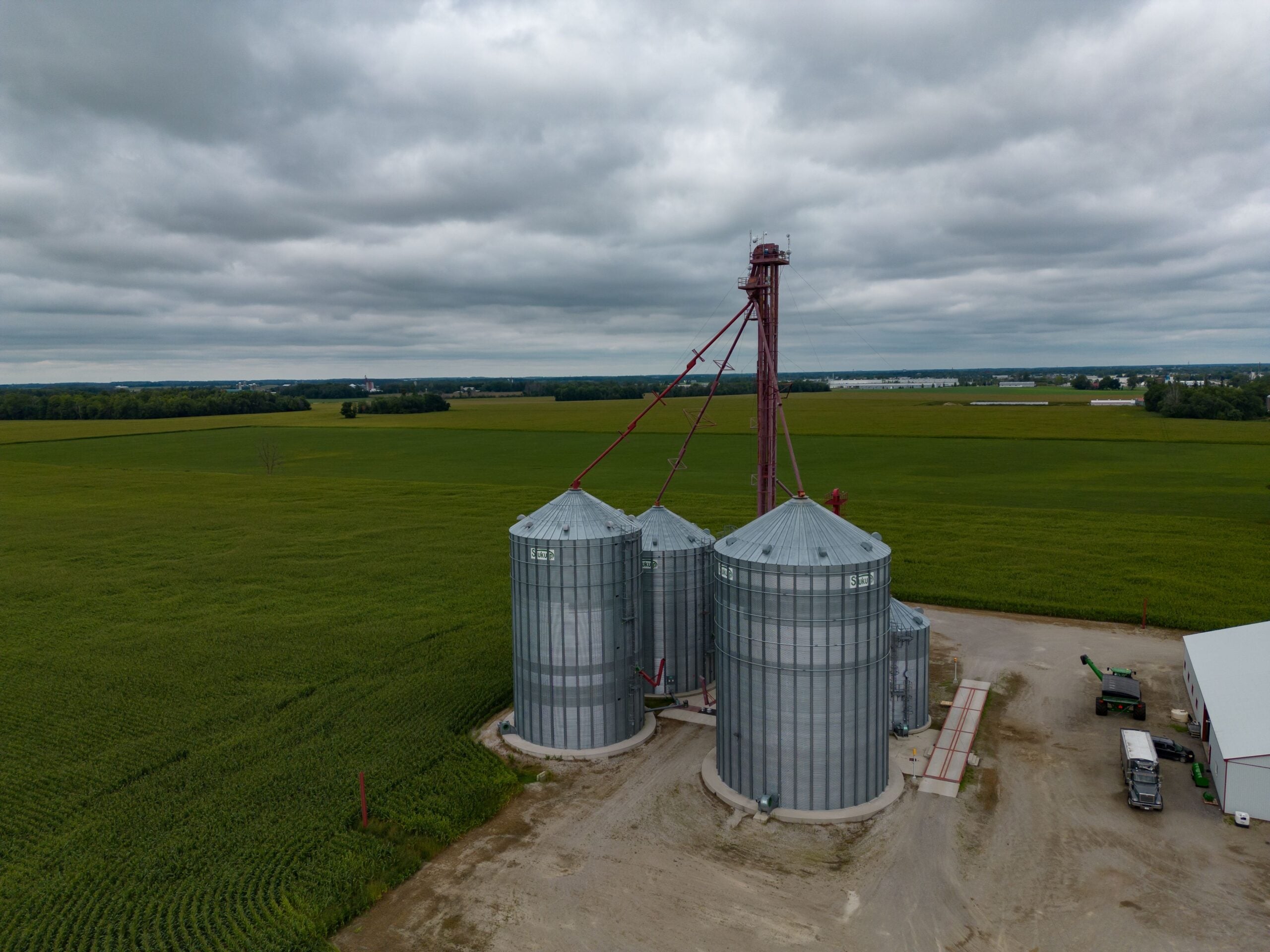
One important force sits far from the checkout lane. Canada's cattle herd has been under pressure, and when supply tightens, higher prices often follow through the chain from ranch to processor to retailer. That basic imbalance is a big part of what shoppers are seeing.
Dry weather in Western Canada has played a meaningful role in recent years. Poor pasture conditions and expensive feed have pushed some producers to reduce herd sizes rather than carry higher costs. Rebuilding a herd is not quick. It can take years, which means supply does not bounce back overnight.
North American market conditions also matter. Because Canada's beef sector is closely tied to the United States, cattle numbers, feed costs, and processing capacity across the border influence Canadian prices too. When the broader continental supply is constrained, Canadian consumers feel it.
Higher costs are building up all along the supply chain
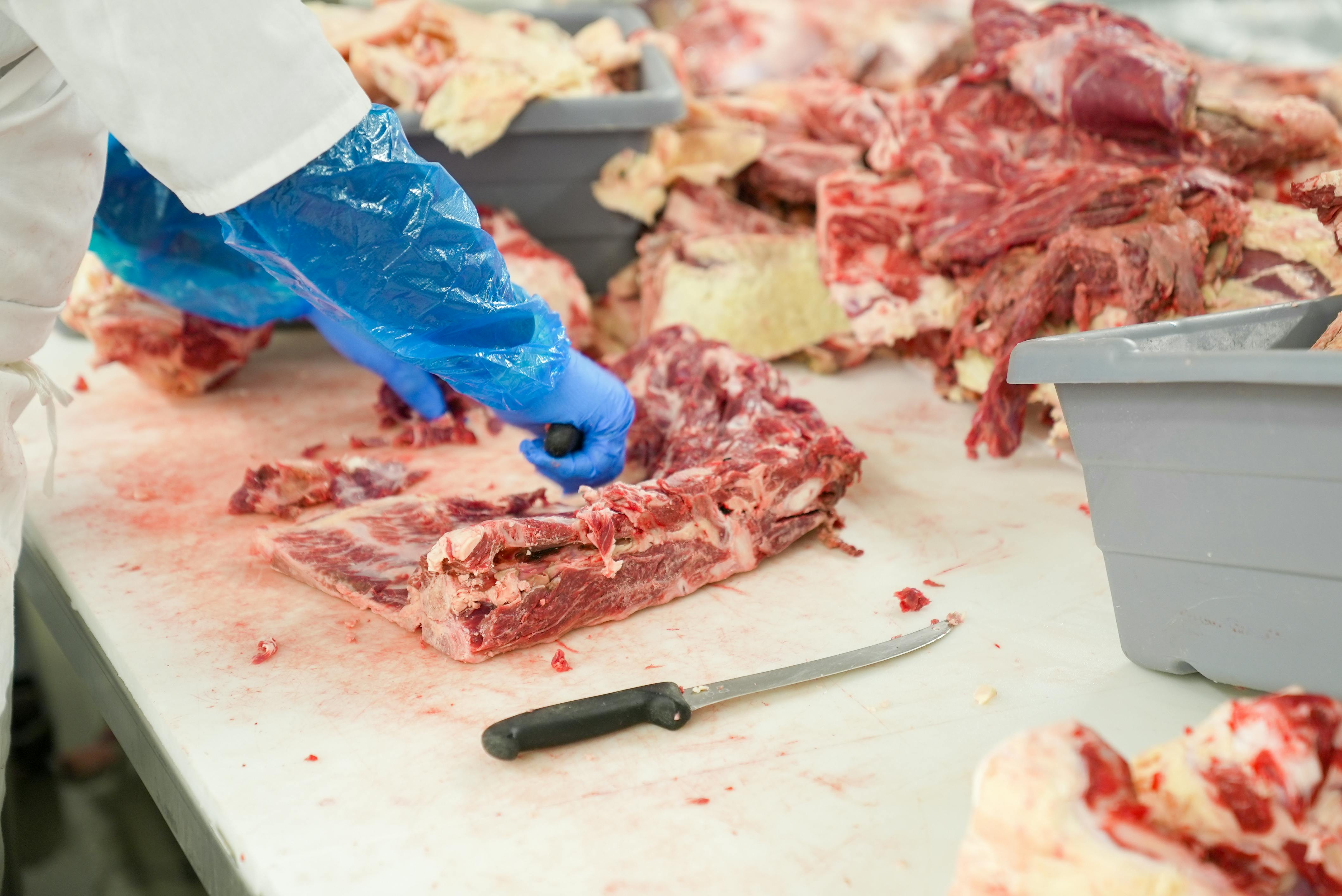
The price of beef is not rising for one reason alone. Producers, processors, transport companies, and retailers have all faced cost increases that stack on top of each other before a package reaches the refrigerator case. Each layer adds pressure.
Feed remains one of the biggest variables. Grain prices, hay shortages, and weather-related disruptions can sharply raise the cost of raising cattle. Fuel and freight also matter in a country where food travels long distances. When diesel, refrigeration, and distribution become pricier, meat becomes pricier too.
Labour is another factor that does not get enough attention. Meat processing is labour-intensive, and wage pressures, staff shortages, and plant operating costs feed directly into retail pricing. Even packaging costs have risen at times, showing how broad the inflation problem has been.
Families are changing how and whether they buy beef

Shoppers are not absorbing these increases quietly. Many are adapting by choosing smaller packs, waiting for markdowns, switching to ground beef instead of steaks, or reserving beef for one or two meals a week rather than several. The response is visible in stores and in household planning.
Some families are moving toward chicken, pork, eggs, beans, and lentils more often. That shift is partly about price and partly about predictability. If beef prices feel volatile, households tend to build meal plans around proteins that are easier to budget for from week to week.
Retailers are adjusting as well. More stores are promoting value packs, frozen options, and loyalty-based discounts to keep beef moving. But promotions can only go so far when the underlying cost remains high. For many consumers, a sale price on beef still does not feel cheap.
The squeeze is tougher on lower-income households
Not every family experiences higher beef prices the same way. Households with tighter incomes spend a larger share of their money on essentials, which means they have less room to absorb jumps in meat prices. A costly tray of beef hits harder when the margin for error is already thin.
Food bank use across Canada has risen sharply, and affordability advocates have warned that protein is one of the hardest items for struggling households to secure consistently. Beef, in particular, is often one of the first products to be cut from the list when rent, utilities, and transportation costs climb.
There is also a nutritional and cultural dimension. For some households, beef is part of familiar meals, holiday traditions, or preferred diets. Replacing it is possible, but not always simple. Affordability changes do more than alter spending. They reshape routines and food identities.
Relief may come slowly, not all at once
There is no quick fix waiting at the meat counter. Even if inflation continues to cool, beef prices may remain relatively high until cattle supplies improve and production costs ease more meaningfully. That makes this less of a short-term spike and more of a structural grocery challenge.
Consumers can respond by watching flyer cycles, comparing fresh and frozen formats, and using beef in smaller portions alongside lower-cost ingredients. Those strategies help, but they do not solve the larger affordability issue. The burden still falls on households to manage around expensive basics.
For now, beef has become a revealing measure of grocery stress in Canada. When a core protein starts to feel like a luxury, it signals more than a price problem. It shows how deeply cost pressures are changing the way families shop, cook, and eat.




Leave a Reply