
Tim Hortons remains one of Canada's most recognizable brands, but not everyone believes it's the same as it once was. From changing customer expectations to growing competition, here's why the coffee giant continues to spark debate across the country.
Many Canadians Feel the Brand Has Changed
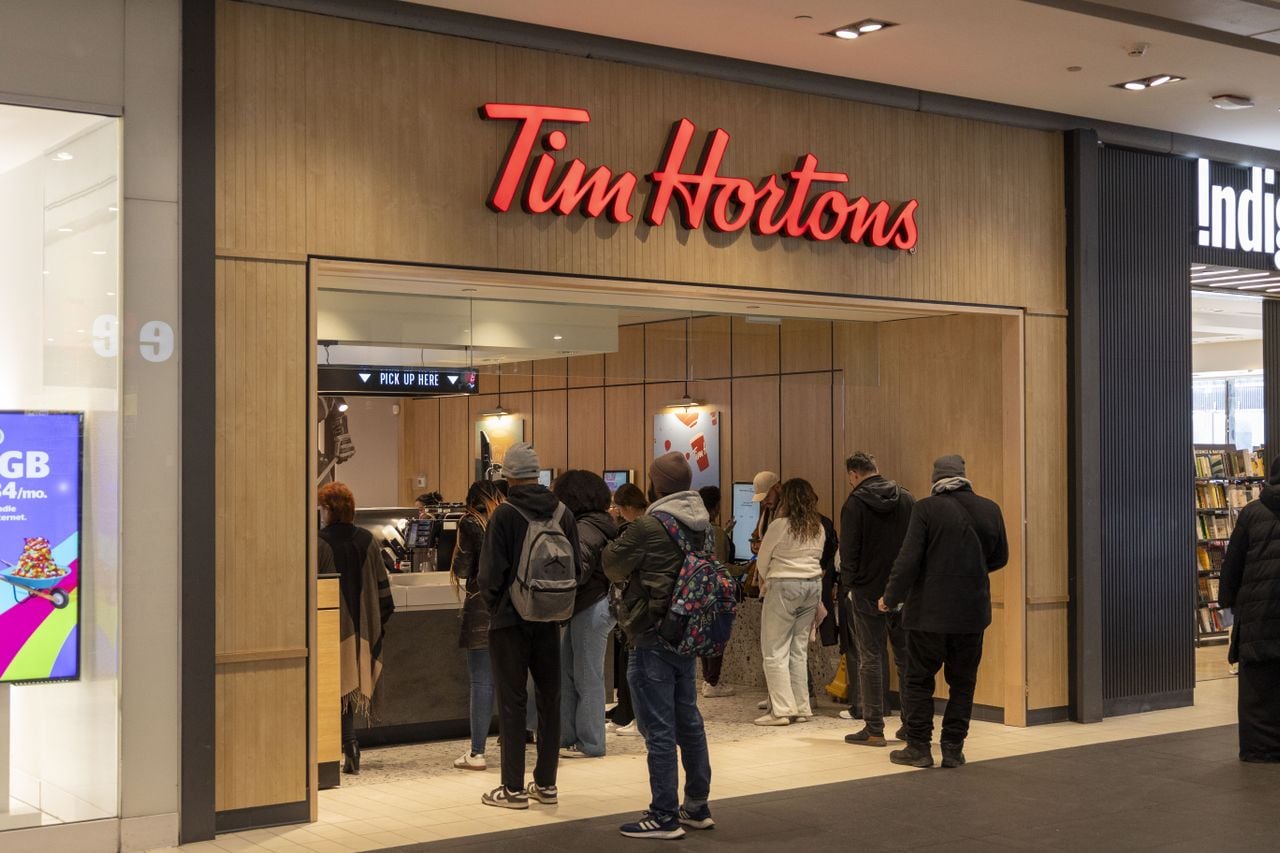
For decades, Tim Hortons was more than a place to grab coffee. It became part of daily life in Canada, known for affordable drinks, fresh baked goods, and a familiar experience that people could count on. That deep connection is why even small changes are noticed by loyal customers.
Over the years, many Canadians have voiced concerns about declining coffee quality, changes to menu items, inconsistent food preparation, and longer wait times. Social media and online reviews have amplified these opinions, making them more visible than ever before.
While these complaints are genuine, they do not necessarily represent every customer's experience. Millions of people still visit Tim Hortons every day, but growing criticism shows that customer expectations have evolved alongside the brand.
Competition Is Stronger Than Ever
Tim Hortons once dominated Canada's coffee market with relatively little competition. Today, customers have far more choices, including McDonald's McCafé, Starbucks, A&W, independent cafés, and regional coffee shops offering everything from premium espresso to specialty baked goods.
Many competitors have focused on coffee quality, faster service, digital ordering, and modern café environments. These improvements have encouraged some Canadians to explore alternatives rather than automatically choosing Tim Hortons.
Greater competition has raised the standard across the industry. Customers now compare coffee, food quality, convenience, rewards programs, and value more carefully than they did a decade ago, making it harder for any single chain to dominate customer loyalty.
Bigger Menus Bring Bigger Challenges
Tim Hortons has expanded far beyond coffee and doughnuts. The menu now includes breakfast sandwiches, wraps, pizzas, loaded bowls, specialty beverages, baked goods, and seasonal limited-time offerings designed to attract a wider range of customers.
Offering more choices helps bring in new customers, but it also makes restaurant operations more complex. Employees must prepare a greater variety of items while maintaining speed, consistency, and accuracy during busy periods.
Some customers believe this broader menu has shifted attention away from the products that originally built the brand's reputation. Balancing innovation with consistency remains one of Tim Hortons' biggest operational challenges.
Rising Costs Affect Every Restaurant
Like many food service businesses, Tim Hortons operates in an environment where food ingredients, labour, rent, utilities, transportation, and packaging have all become more expensive. These rising costs affect every restaurant location, whether independently owned or franchised.
As operating expenses increase, menu prices often follow. At the same time, restaurants continue investing in digital ordering systems, renovations, loyalty programs, and new menu development to remain competitive.
Customers naturally notice higher prices and may expect an even better experience in return. Meeting those expectations while controlling costs has become increasingly difficult across the entire quick-service restaurant industry.
The Brand Is Still Financially Strong
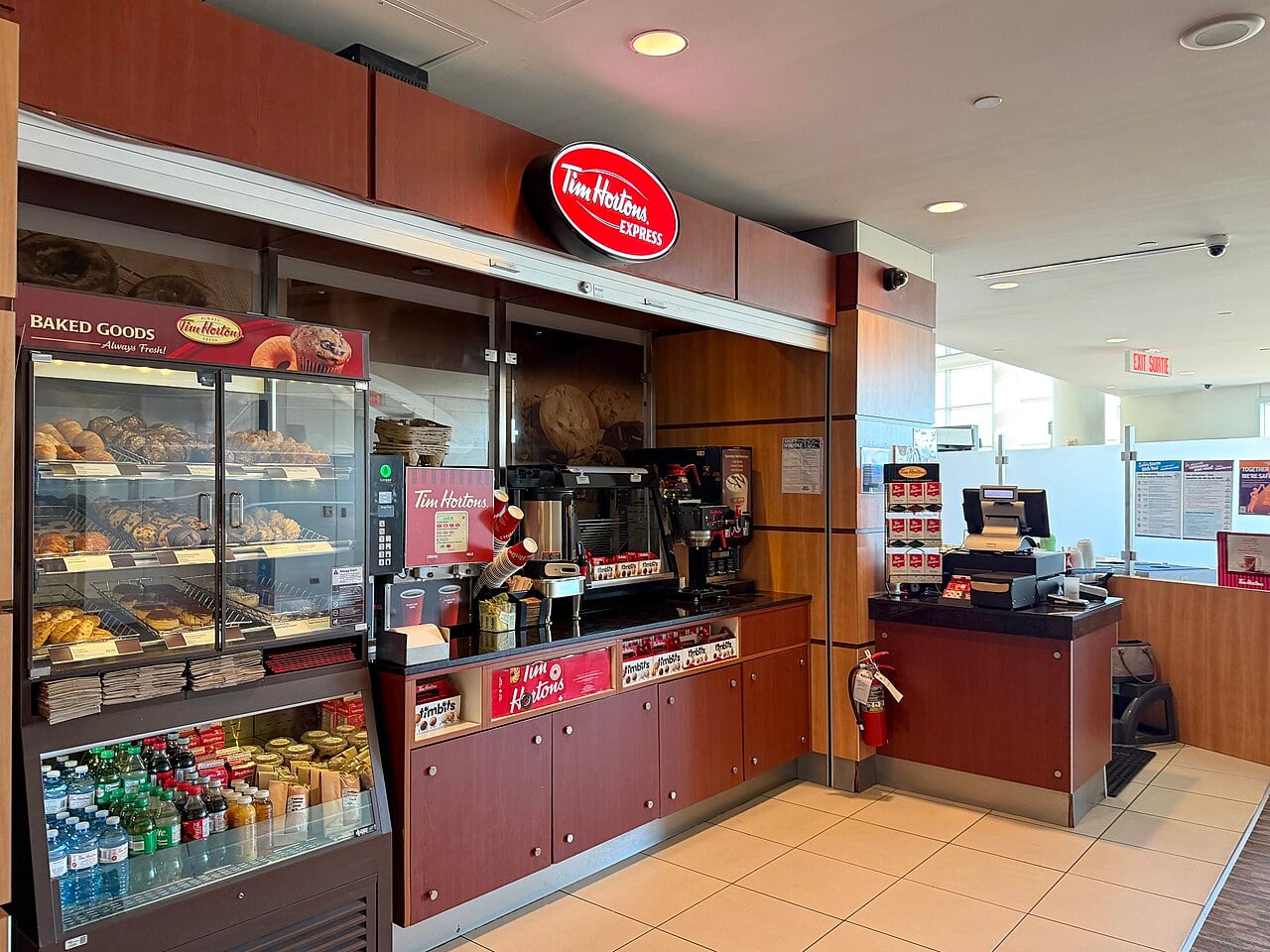
Despite criticism, Tim Hortons remains Canada's largest coffee and quick-service restaurant chain. Thousands of locations continue serving millions of customers every week, making it one of the country's most recognizable brands.
The company continues to report strong sales and regularly introduces new products, promotional offers, and digital features aimed at attracting customers. Its extensive drive-thru network, mobile app, and loyalty program help maintain a large and loyal customer base.
This demonstrates an important distinction between reputation and business performance. A company can receive criticism while still remaining commercially successful, especially when it has broad national reach and strong brand recognition.
Can Tim Hortons Win Back Every Customer?

The future of Tim Hortons will likely depend on how successfully it responds to changing customer expectations. Many Canadians continue to appreciate its convenience, value, and accessibility, while others hope to see improvements in quality, consistency, and service.
The company has already invested in restaurant renovations, updated technology, menu innovation, and operational improvements designed to strengthen the customer experience. These efforts reflect an understanding that maintaining loyalty requires continuous improvement.
Rather than being a failed brand, Tim Hortons is better described as a brand in transition. It remains one of Canada's biggest restaurant success stories, but its long-term reputation will depend on how well it balances tradition, innovation, and the expectations of today's customers.




Leave a Reply