Sticker shock has become part of the grocery trip in Canada, with staples, produce, and proteins all feeling harder to justify week after week. The good news is that smart dinner choices can still stretch a budget without sacrificing flavor, nutrition, or the feeling of a real meal. These nine dinners lean on affordable pantry basics, flexible ingredients, and cooking methods that reduce waste, making them especially useful when every cart total seems to climb.
Lentil and Vegetable Soup
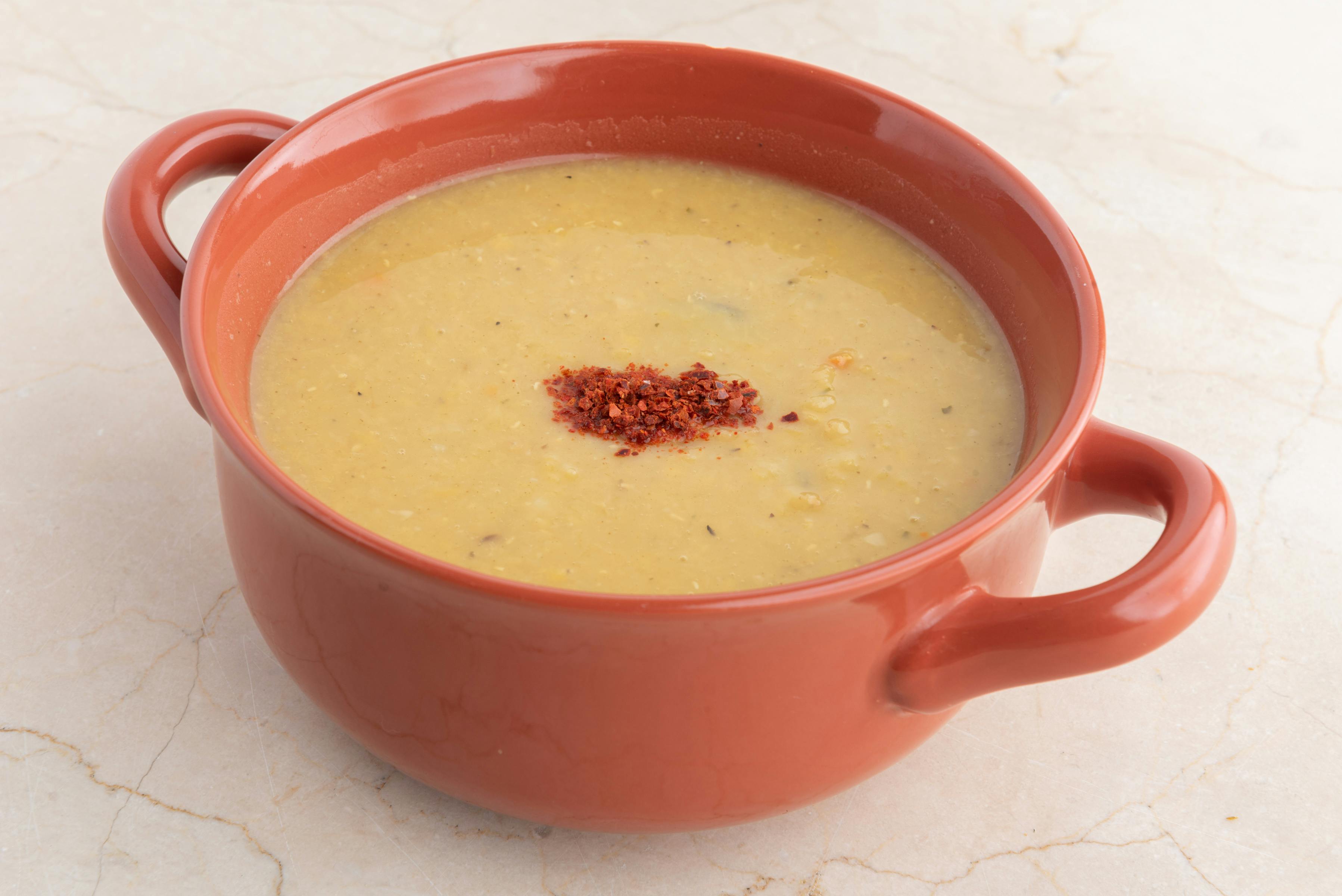
A big pot of lentil soup still earns its place because dried lentils remain one of the most affordable proteins in the store. They cook relatively quickly, keep well in the pantry, and pair naturally with low-cost vegetables like carrots, onions, celery, and canned tomatoes. When prices are unpredictable, that kind of shelf-stable reliability matters.
The other advantage is waste reduction. Soup is forgiving, so slightly soft vegetables, leftover greens, or the last few potatoes in the bag can all be folded in without much planning. It also makes several servings at once, which helps spread the cost of one cooking session over multiple lunches or dinners.
Nutritionally, lentils bring fiber, iron, and plant protein, making the meal filling in a way that many cheap convenience foods are not. Add bread or rice on the side, and it becomes the kind of dinner that feels steady, warm, and genuinely sensible.
Bean Chili With Rice
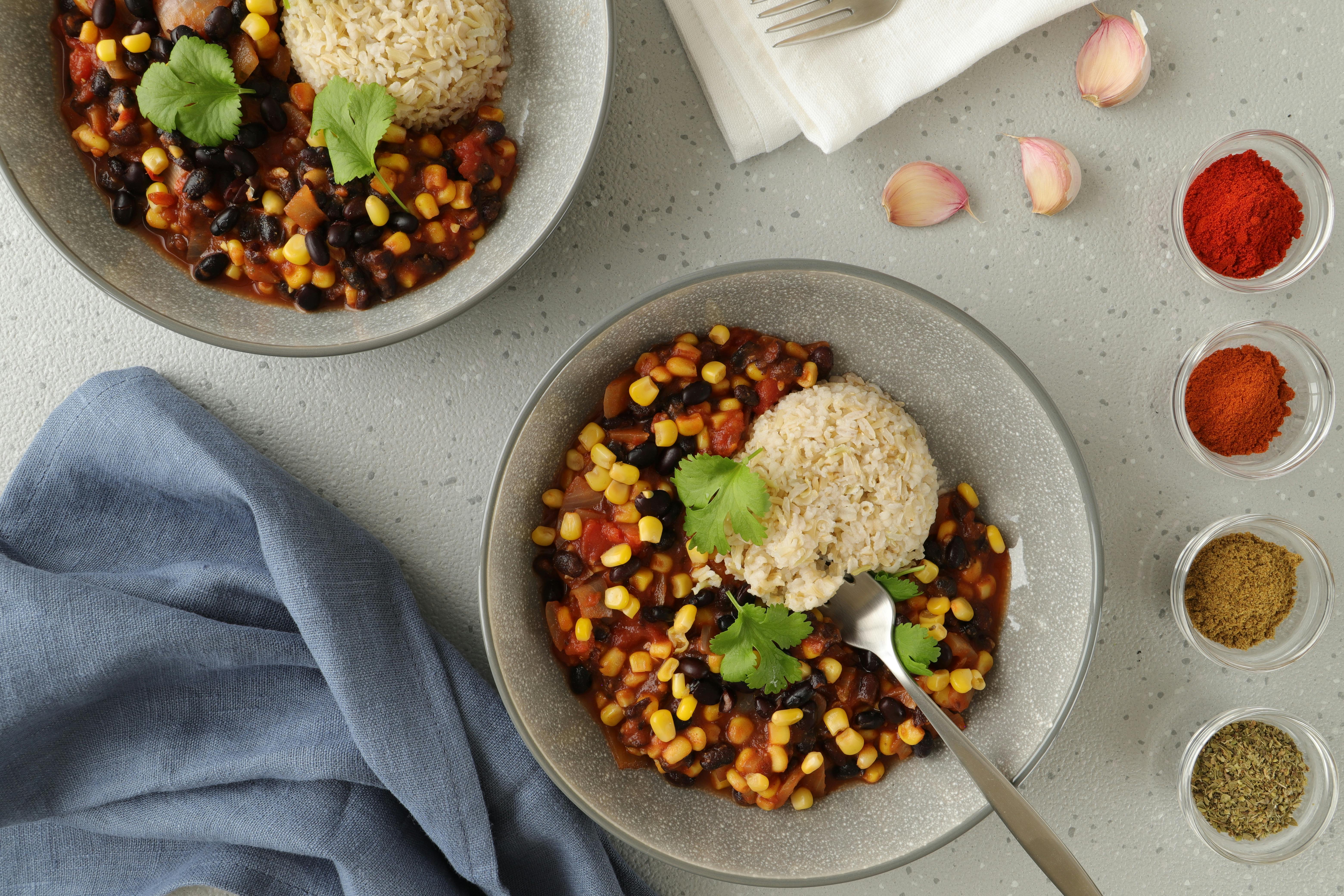
Few dinners stretch a dollar as effectively as bean chili. Canned or dried beans, crushed tomatoes, onion, and basic spices create a meal with depth and comfort, even when meat prices feel discouraging. Rice adds bulk at a very low cost, and together the two make a complete dinner that can feed several people without much financial strain.
This is also one of the easiest meals to adjust to what is already in the kitchen. Extra peppers, corn, zucchini, or even a small amount of leftover ground meat can be added without changing the basic formula. That flexibility helps households use what they have instead of buying a long ingredient list.
Bean chili is especially practical for batch cooking. It tastes even better the next day, freezes well, and turns into future meals with little effort. Spoon it over baked potatoes, tuck it into wraps, or serve it again with rice and shredded cheese.
Pasta With Tomato Sauce and White Beans
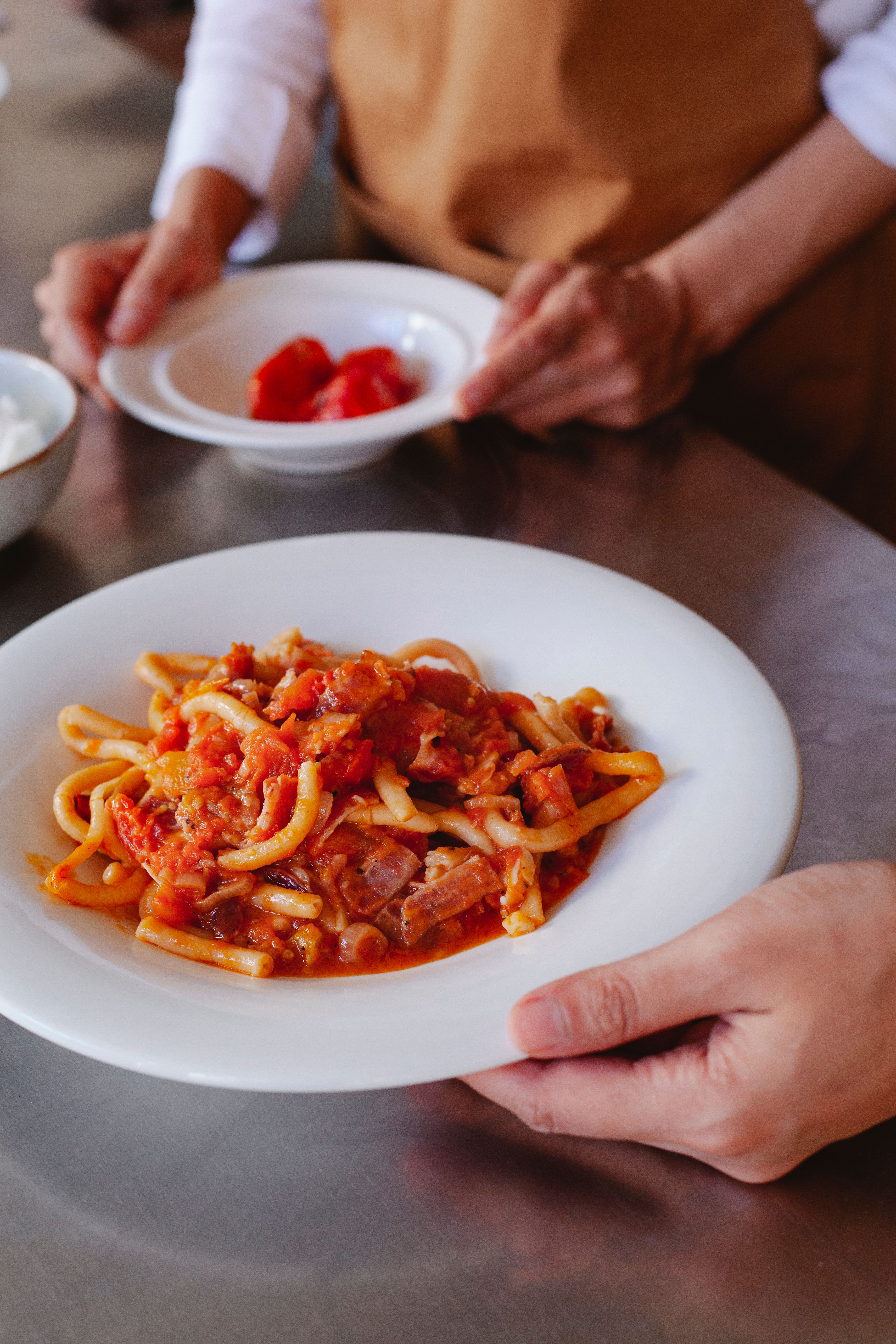
Pasta remains one of the clearest examples of a dinner that can still work hard for a modest budget. In Canada, dry pasta and canned tomatoes are often less volatile in price than fresh meat or prepared foods, and white beans add protein without turning the meal into something expensive. The result is simple, hearty, and surprisingly balanced.
What makes this dinner especially useful is how little it asks from the cook. Garlic, onion, chili flakes, dried herbs, and olive oil can build a satisfying sauce from pantry ingredients many households already keep around. If spinach, frozen kale, or grated carrots are available, they can easily be stirred in.
There is also comfort in its familiarity. It does not read as a budget dinner in the way some stripped-down meals do. A bowl of pasta still feels like dinner, which matters when people want affordability without the sense that they are settling for less.
Egg Fried Rice

This dinner starts with a practical truth: day-old rice, a few eggs, and odds and ends from the fridge can become a full meal in minutes. Eggs have seen price pressure at times, but they still often cost less per serving than many other proteins. When used with rice and vegetables, they create a dinner that is quick, satisfying, and efficient.
Fried rice also helps tackle one of the most expensive parts of home cooking, which is waste. Small amounts of frozen peas, leftover broccoli, wilted green onions, or yesterday's roast chicken can all be folded in. Nothing needs to match perfectly, and that improvisational quality is part of the appeal.
The flavor payoff is better than the ingredient list suggests. Soy sauce, garlic, ginger, and a bit of sesame oil can make humble components taste intentional rather than patched together. It is one of those dinners that proves low-cost cooking does not have to feel plain.
Baked Potatoes With Toppings

Potatoes continue to be one of the best-value staples in the grocery store, especially when bought by the bag. A baked potato dinner works because the base ingredient is cheap, filling, and versatile, while toppings can be built around whatever is affordable that week. That makes it easier to adapt when dairy, meat, or fresh produce prices shift.
A simple topping combination like black beans, salsa, and a spoonful of yogurt can turn a plain potato into a complete meal. So can steamed broccoli and cheddar, or leftover chili from another night. The potato itself does much of the heavy lifting, so even a modest amount of topping goes a long way.
There is also a comfort factor that should not be underestimated. A hot baked potato feels substantial, and that matters when people are trying to spend less without ending the evening hungry. It is practical food, but it still feels generous on the plate.
Cabbage Stir-Fry With Noodles
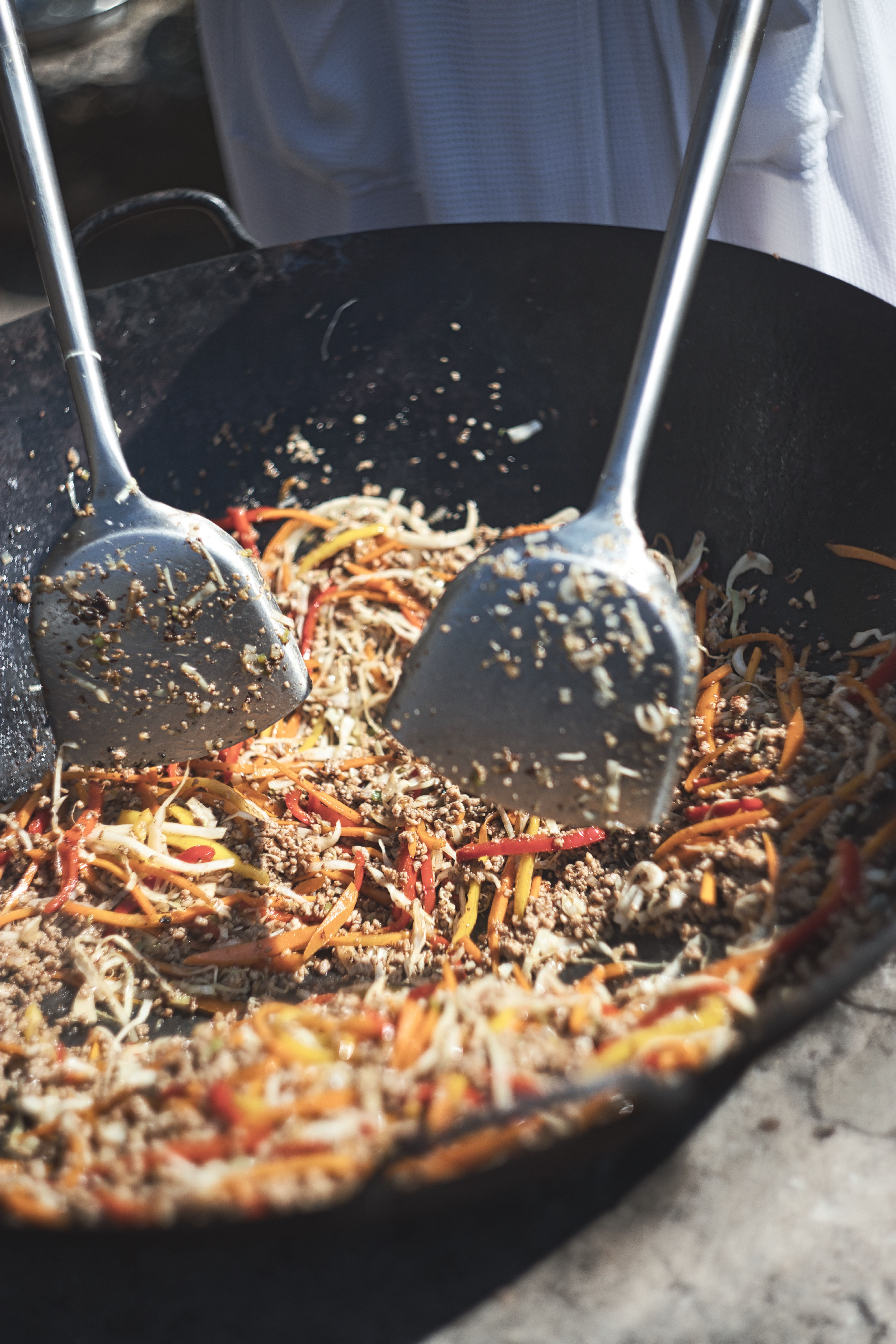
Cabbage is one of those quiet grocery heroes that becomes more valuable as prices rise. It is usually cheaper than many salad greens, lasts far longer in the fridge, and holds up beautifully in a hot pan. Pair it with noodles, onion, and a savory sauce, and it turns into a dinner that is both economical and deeply satisfying.
The long shelf life matters as much as the low price. When fragile produce goes bad quickly, households lose money whether they notice it or not. Cabbage reduces that risk, which makes meal planning easier and less stressful. Carrots, frozen edamame, or a scrambled egg can join the stir-fry without adding much cost.
Texturally, this meal does not feel like a compromise. Cabbage stays a little crisp, noodles bring comfort, and the sauce ties everything together. It is a smart choice for weeks when the goal is stretching ingredients without repeating the same dinner style every night.
Chickpea Curry

Chickpea curry makes financial sense because it relies on ingredients that are often inexpensive, widely available, and easy to store. Canned chickpeas, onion, garlic, canned tomatoes, and coconut milk or yogurt can become a rich-tasting dinner with just a few spices. Served over rice, it delivers the kind of fullness people often look for in pricier takeout.
This is also a meal that handles substitutions well. If coconut milk feels too costly, a tomato-forward curry with water or stock still works. Frozen spinach, peas, or chopped cauliflower can be added depending on what is on sale. The structure of the dish is flexible, which is useful when budgets are tight.
Flavor is where chickpea curry really proves its worth. Spices like cumin, turmeric, coriander, and garam masala create complexity from modest ingredients. The end result feels layered and comforting, making it easier to stick with a lower-cost dinner routine over time.
Tuna Pasta Salad

Not every budget dinner needs to be hot, and tuna pasta salad is a strong example of why. Canned tuna offers relatively affordable protein with a long shelf life, while pasta and chopped vegetables keep the meal filling and adaptable. It is especially useful on busy days when cooking energy is low but takeout still feels too expensive.
The economics work because a little tuna can flavor a large bowl of pasta. Celery, peas, carrots, cucumber, or corn can bulk it up depending on what is available, and a simple dressing of mayo, yogurt, mustard, or lemon keeps the ingredient list manageable. Nothing about it needs to be precious.
It also stores well, which gives it an edge. One batch can cover dinner and the next day's lunch without losing quality. In a period of higher grocery prices, meals that perform twice without extra spending deserve serious attention.
Sheet Pan Sausage and Vegetables

When meat is expensive, the smartest move is often to use less of it rather than build a dinner around large portions. Sheet pan sausage and vegetables does exactly that. A small amount of sausage brings enough fat, seasoning, and flavor to season potatoes, onions, carrots, cabbage, or whatever sturdy vegetables are affordable that week.
This meal also rewards strategic shopping. Store-brand sausage, markdown packs close to their sell-by date, or freezer leftovers can all work well here. Because roasting concentrates flavor, even basic ingredients come out tasting richer and more satisfying than their price tag suggests.
The one-pan format adds another kind of value, which is convenience. Less cleanup means it is more likely to make it into a real weeknight rotation, and that consistency helps households resist more expensive fallback options. It feels hearty and complete without needing many ingredients.